
Film
Complicated Women
A brisk documentary about pre-Code Hollywood's five-year window when female characters could be messy, sexual, ambitious and contradictory. Narrated by Jane Fonda, it assembles clips and interviews to show how 1929-1934 cinema briefly allowed women to be complicated before the Hays Code clamped down. Essential context for understanding what Hollywood took away.
Should you watch it?
Watch it if you love film history seen through its lesser-known corners, and enjoy watching clips and talking heads unpack how old studio pictures bent the rules before censorship closed in.
Skip it if you want a tight narrative or a fresh angle on the women themselves, since this leans on interviews and vintage footage to make its case rather than digging deep into any single career.
What it asks of you: It runs under an hour and moves at a brisk, chatty clip, so you can settle in with it on a quiet evening without committing a whole afternoon.
Not sure? Find tonight's pick in a minute.
If you liked this
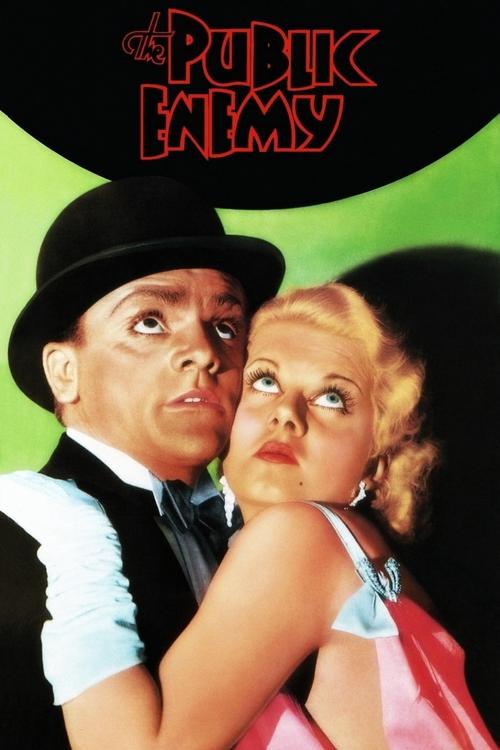
The Public Enemy1931
James Cagney's raw, unglamorous gangster debut shocked audiences with its violence and moral ambiguity. Joan Blondell and Mae Clarke are equals in scenes, not decoration—complicated women in a complicated world.
But The pacing feels deliberate rather than snappy by modern standards, and some of the social messaging lands heavy-handed.
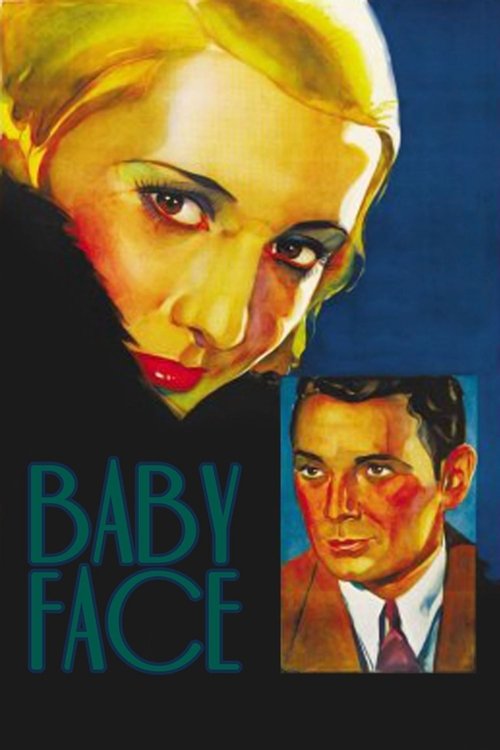
Baby Face1933
Barbara Stanwyck's unrepentant climb using sex as currency is shockingly frank for the era. She's neither punished nor redeemed—just resourceful and unapologetic, exactly the character the documentary celebrates.
But It's brazenly cynical about male desire and female survival, which can feel cold. Some viewers find the tone opportunistic rather than sympathetic.
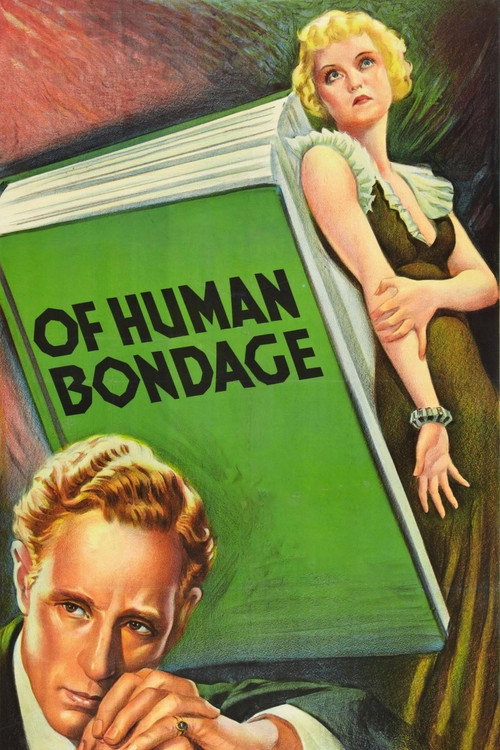
Of Human Bondage1934
Bette Davis as Mildred is selfish, cruel, and magnetic—a woman who destroys a man not through evil but through indifference to his feelings. She refuses the role cinema usually demands of beautiful women.
But It's a melodrama built on male suffering, so Davis's character exists partly to make a man learn a lesson. The film's perspective isn't entirely hers.
Not sure tonight? Get a pick in a minute, starting from Complicated Women
The wildcard
Something you would not have found on your own.
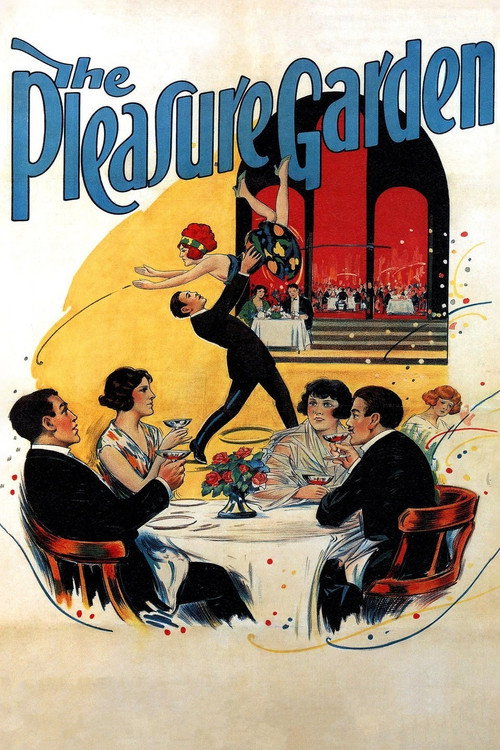
The Pleasure Garden1925
Both examine how cinema—at certain moments—can allow female characters dimensions that seem to vanish when rules tighten. This is the proof that such characters predated even the sound era.
Hitchcock's debut follows two young women working as chorus dancers with agency, desire, and secrets. They're protagonists, not ornaments. A silent film that asks why pre-Code had to wait until 1929 to let women breathe.
But It's silent, and the intertitles can feel stilted. The print quality matters for enjoyment, and not all restorations are equal.
More like this (7)
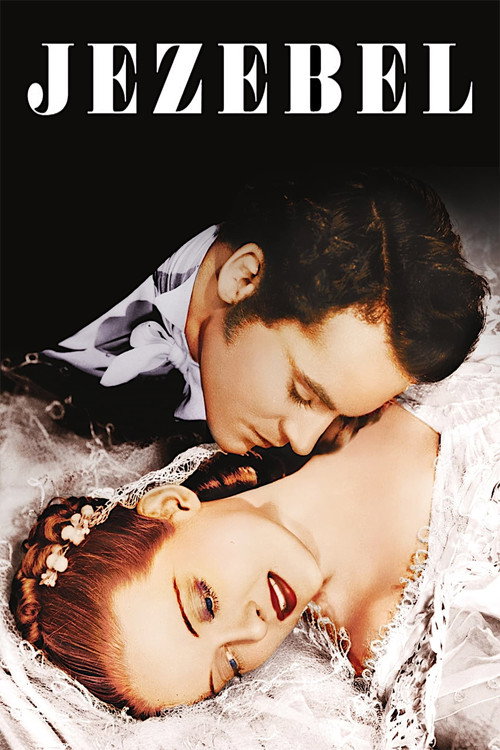
Jezebel1938
Davis again, but now playing a Southern belle who deliberately breaks social rules for her own pleasure, then doubles down when consequences arrive. Gorgeous and terrible and thrillingly selfish.
But The post-Code framing moralizes about her choices in ways the pre-Code films didn't, softening the radicalism the documentary celebrates.
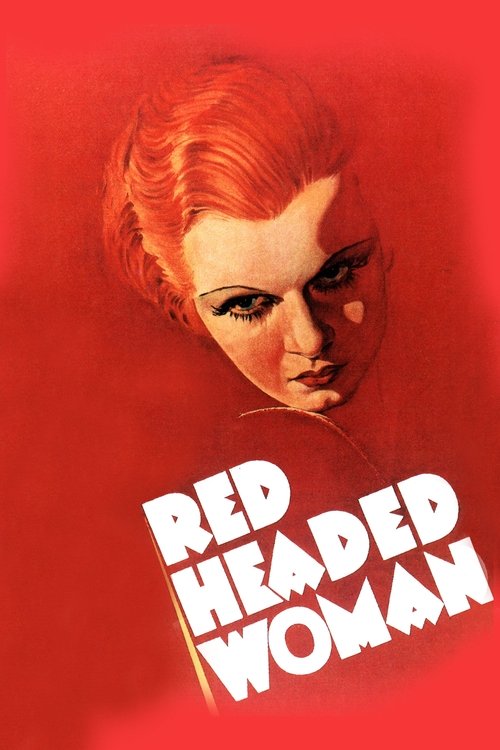
Red-Headed Woman1932
Jean Harlow as a secretary who seduces her way to wealth and shows zero remorse. It's almost comedy—the speed with which she strategizes, the frankness about transactional sex, the shrug at the end.
But Some scenes feel dated in their assumptions about women's sexuality, and the male perspective creeps in around the edges.
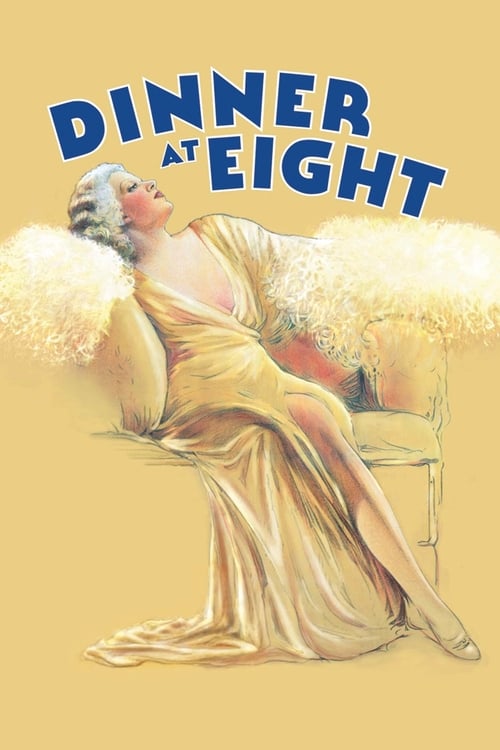
Dinner at Eight1933
An ensemble piece where Jean Harlow, Marie Dressler, and Joan Crawford all get their own angles and agency. They're not reacting to men; the men are often reacting to them. Wickedly entertaining.
But The pacing is mannered—it's a stage adaptation—and balancing eight storylines means no single arc gets deep.
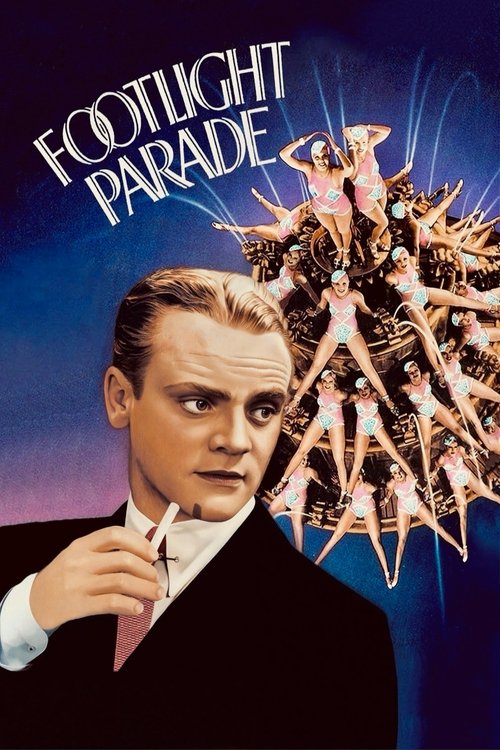
Footlight Parade1933
Ruby Keeler and Joan Blondell are working performers with ambitions, desires, and practical concerns. They're not waiting to be rescued; they're in the business of making shows happen.
But The plot is slight and the humor relies on physical comedy and puns that don't always land now. The musical numbers are the point.
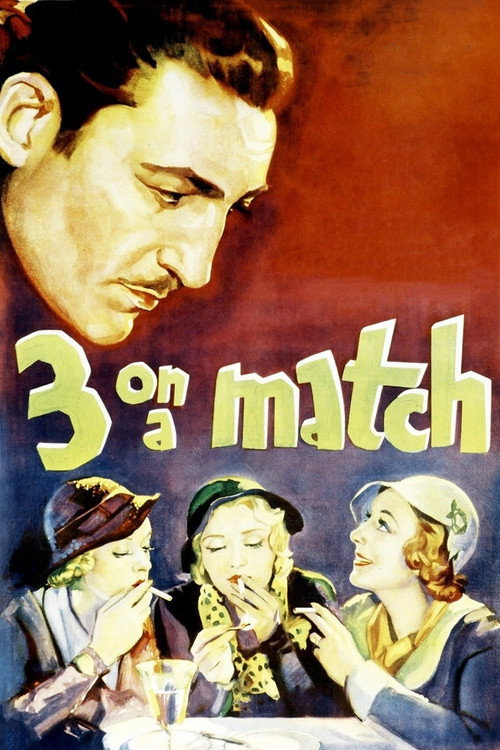
Three on a Match1932
Joan Blondell, Ann Dvorak, and Bette Davis as three women whose lives interweave after school. Dvorak's character especially—married, bored, reckless—gets dimensions most films wouldn't allow.
But It's episodic and rushes through story, with a third act that pivots toward melodrama and away from complexity.
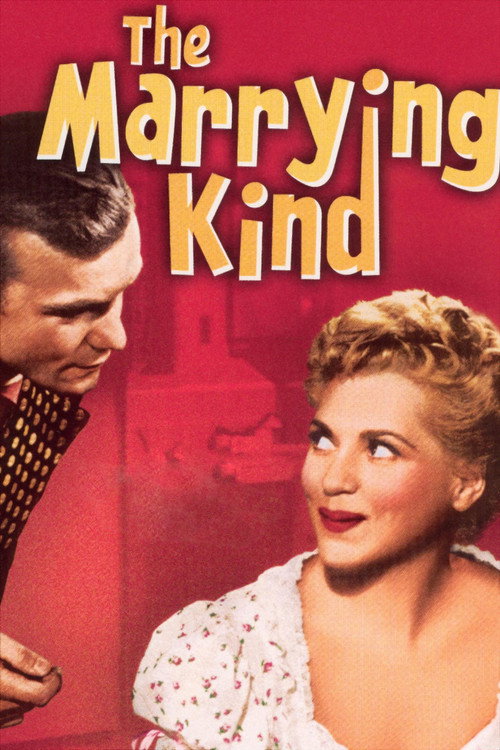
The Marrying Kind1952
Cukor's direction lets Gordon inhabit the register the documentary mourns—flawed, selfish, real—but within the constraints of a later era. A ghost of pre-Code in the wasteland of Code enforcement.
Ruth Gordon and Aldo Ray as a couple in divorce court, recounting their marriage in flashbacks. Gordon plays a woman who has opinions, makes mistakes, and isn't softened by the script—she's complicated in a post-Code film that almost doesn't know it.
But It's a dramedy that doesn't commit fully to either tone, and some scenes feel stagey. The 1950s gender politics still constrain what's possible.
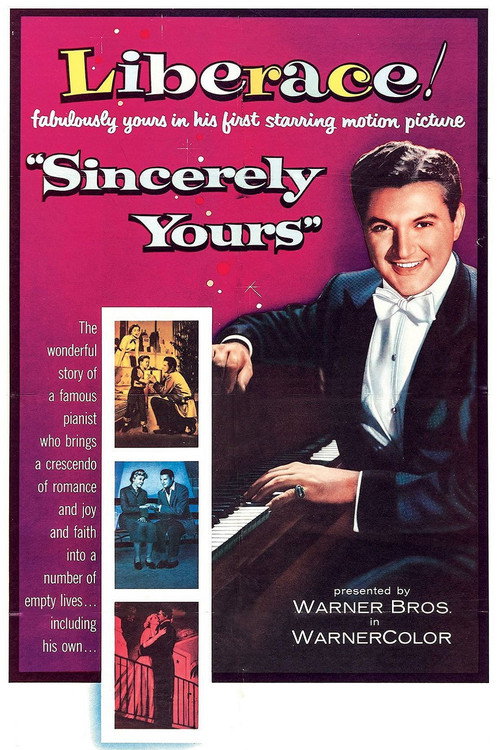
Sincerely Yours1955
Like the pre-Code films, it's a moment where a performer (Liberace, treated as a guest star, not a star) gets to be something other than the audience's fantasy—to be human, uncertain, and genuine without apology.
Liberace plays a pianist who pretends to be someone else, a role that inverts typical masculine performance. Paired with a female lead who has her own arc, it's odd and sincere and lets both actors surprise us about what they can do.
But It's deeply strange—campy without quite meaning to be—and Liberace's performance is unguarded in ways that feel almost vulnerable. Not everyone will read that as a strength.
People
Cast
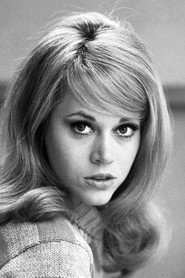 Jane FondaSelf - Narrator (voice)
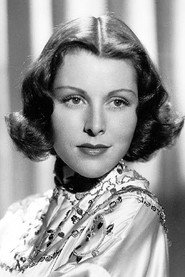 Frances DeeSelf - Interviewee
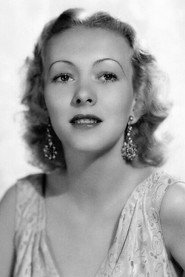 Karen MorleySelf - Interviewee
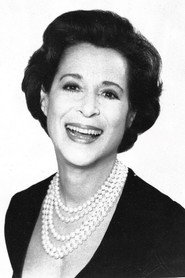 Kitty CarlisleSelf - Interviewee
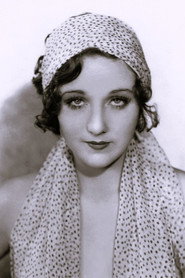 Mae MadisonSelf - Interviewee
- Mark VieiraSelf - Interviewee
- Mick LaSalleSelf - Interviewee
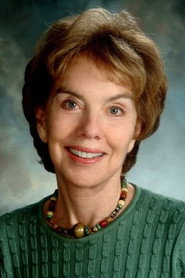 Molly HaskellSelf - Interviewee
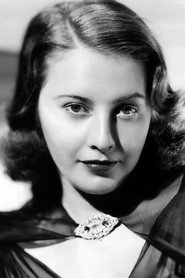 Barbara StanwyckSelf (archive footage)
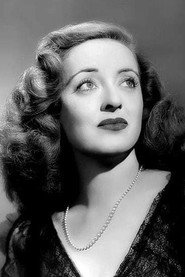 Bette DavisSelf (archive footage)
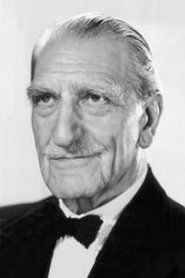 C. Aubrey SmithSelf (archive footage)
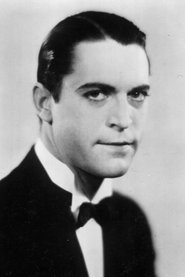 Chester MorrisSelf (archive footage)
Directing
- Hugh Munro NeelyDirector
Writing
- Mick LaSalleBook
- Andie HicksWriter
- Hugh Munro NeelyWriter
Production
- Elaina ArcherCo-Producer
- Hugh Munro NeelyProducer
- John J. FlynnProducer
- Keith LawrenceProducer