
Film
The Public Enemy
Before Scarface, before Goodfellas, there was this: the film that gave James Cagney his signature snarl and grapefruit-in-the-face menace, and gave the American gangster picture its basic shape. Raw, fast, and startlingly frank for 1931, it charts a slum kid's rise into cold violence with none of the tidy moralising you'd expect. Brutal, sharp, and gone before it overstays.
If you liked this
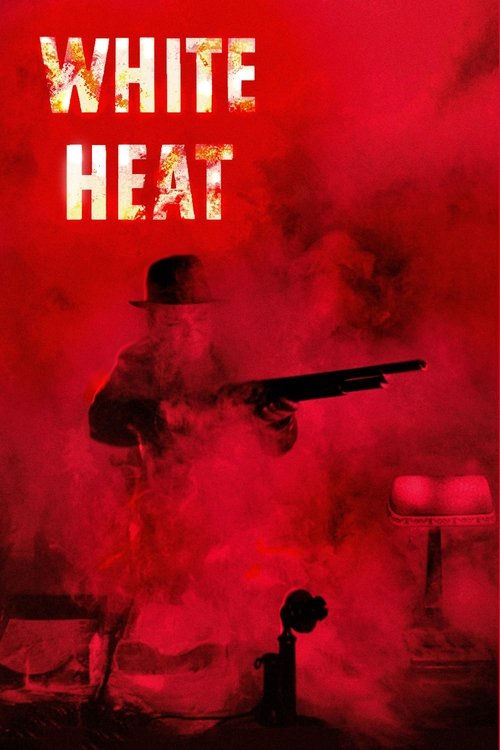
White Heat1949
Cagney returns to the gangster role eighteen years later, meaner and more unhinged, building to one of cinema's great final images. If you want to see where his Public Enemy energy ends up, this is the answer.
But It's a glossier, later studio picture — some of the pre-code rawness has been smoothed into 1940s polish.
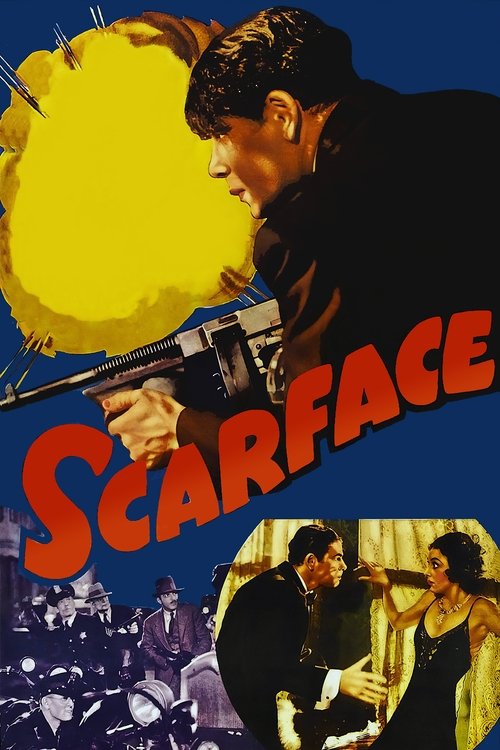
Scarface1932
Paul Muni's Tony Camonte is louder, funnier and even more brazen than Cagney's Tom Powers — the same pre-code recklessness turned up further, with Howard Hawks directing.
But Some of the comedy plays broader now, and the accent work hasn't aged gracefully.
Little Caesar1931no page yet
Released the same year, this is Edward G. Robinson's answer to Cagney — a small man's hunger for power told with the same clipped, tabloid urgency.
But Robinson's Rico is colder and less charismatic than Cagney's Tom, and the pace is a touch slower.
The wildcard
Something you would not have found on your own.
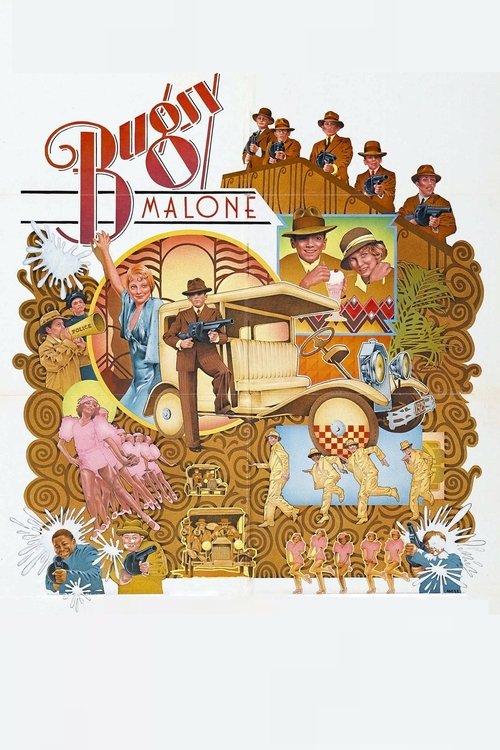
Bugsy Malone1976
It's the exact structural skeleton of Public Enemy — slum kid rises through bootleg rackets and gang war into betrayal — filtered through a child's-eye satire of the mythology this film helped create.
A gangster rise-and-fall story played entirely by children, with tommy guns that fire whipped cream instead of bullets — and somehow it still nails the genre's rhythms of ambition, betrayal and comeuppance.
But If you want grit, this is the exact opposite; it's a musical comedy for families, played entirely for warmth and laughs.
More like this (8)
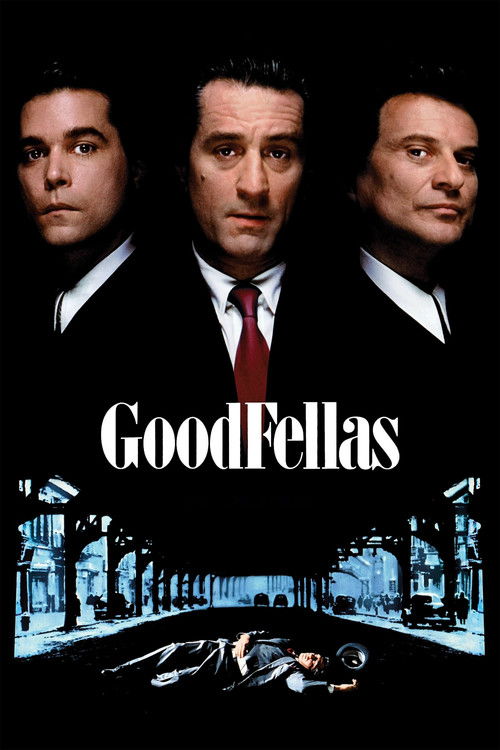
GoodFellas1990
Scorsese picks up the same rise-and-fall structure and pours six decades of technique into it — the same appetite for violence and glamour, vastly more sophisticated craft.
But It's twice the length, and the voiceover-driven structure is a very different rhythm from the original's terse economy.
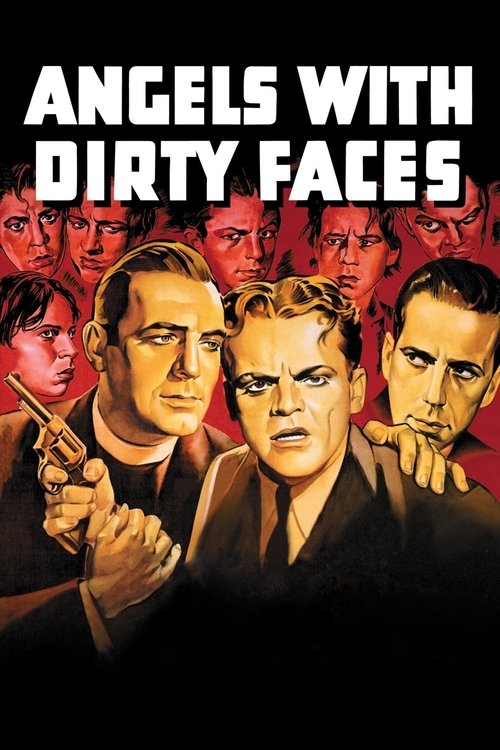
Angels with Dirty Faces1938
Cagney again, this time paired against a priest played by Pat O'Brien, wrestling more explicitly with the moral question the earlier film mostly let sit unresolved.
But The Production Code had tightened its grip by 1938, so the punishment lands more heavily and predictably.
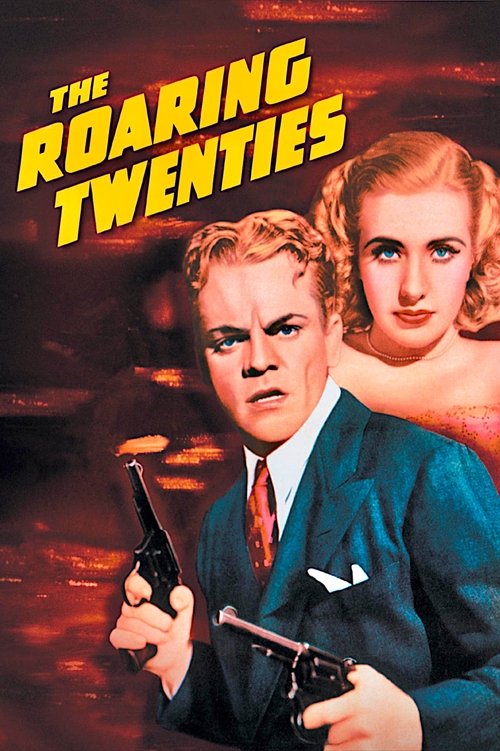
The Roaring Twenties1939
Cagney and Bogart both, tracing a bootlegger's arc across the whole of Prohibition with a wistful, elegiac tone Public Enemy never bothers with.
But It's more sentimental and structured like a historical epic rather than the tabloid snapshot of the original.
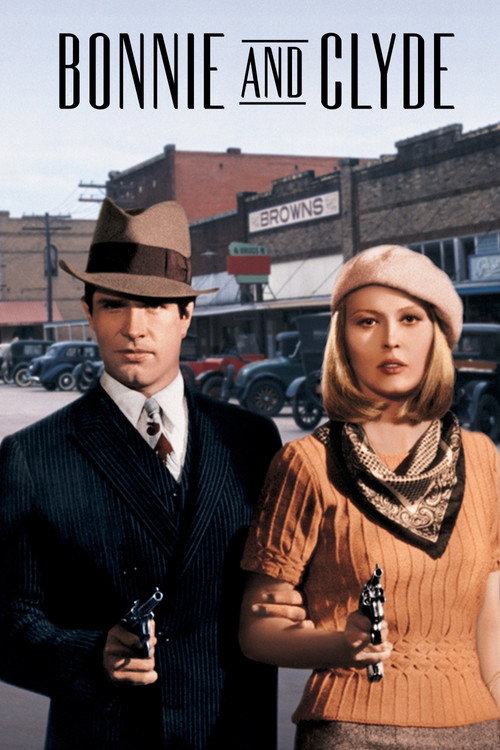
Bonnie and Clyde1967
Takes the same tabloid-outlaw fascination and blows it wide open with colour, sex and stylised violence — the moment the genre shed its studio-era restraint.
But It's a more romantic, youth-culture take, and its moral ambiguity is deliberate — some find it glamorises its killers.
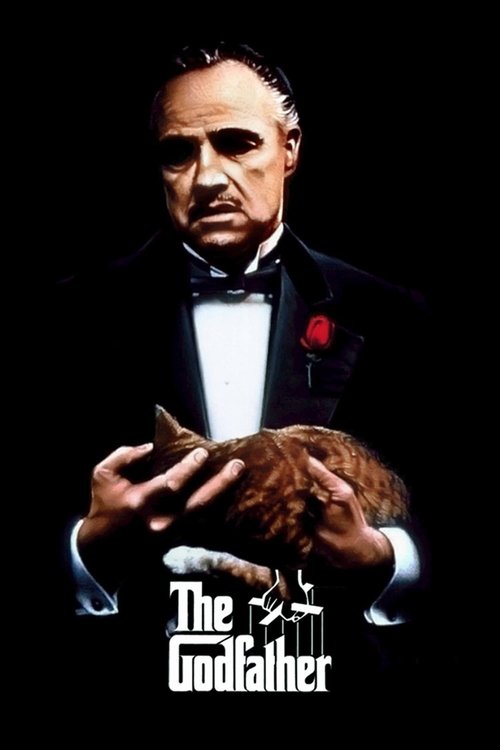
The Godfather1972
The genre's most towering achievement, tracing the same criminal ascent but as slow, operatic tragedy instead of a lean, brutal sprint.
But At three hours it's a completely different pace and temperament — patient where Public Enemy is relentless.
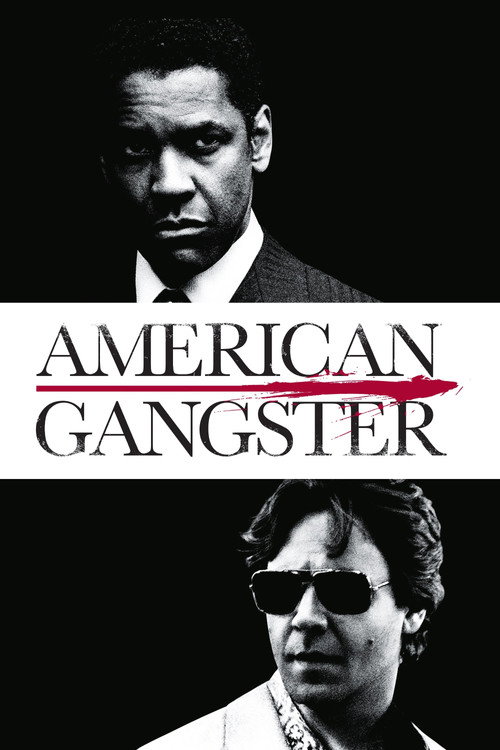
American Gangster2007
Denzel Washington channels the same self-made-criminal magnetism into a 1970s Harlem heroin kingpin, with the same fascination with ambition curdling into ruin.
But It's glossier and more conventional than the film that helped invent this whole lineage, without much of its edge.
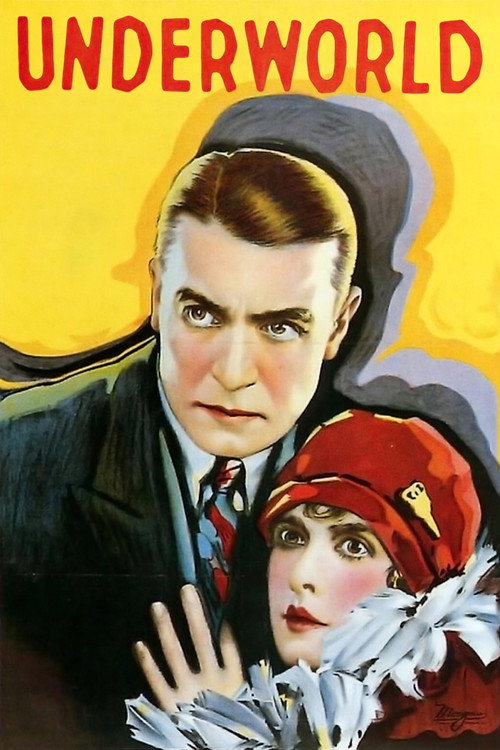
Underworld1927
This is where Cagney's whole tradition comes from: the doomed criminal, the moll, the code of loyalty. Watching it after Public Enemy is watching the ancestor meet the descendant.
The silent film that essentially invented the gangster picture, four years before Public Enemy, with Josef von Sternberg's shadowy visual style doing the talking instead of dialogue.
But No sound, and the melodrama is pitched to silent-era conventions — a real adjustment if you've never sat with a silent film.
Cocaine Cowboys2006
Public Enemy dramatised a real Prohibition-era phenomenon; this documents its direct descendant, proving the same story of ambition and bloodshed just keeps happening with new drugs and new decades.
A documentary about real Miami drug traffickers in the 1970s and 80s, told by the actual smugglers and killers — the same rags-to-riches-to-ruin arc, except nobody's acting.
But It's talking-heads and archive footage rather than drama, and its subjects can be disturbingly matter-of-fact about the violence.
People
Cast
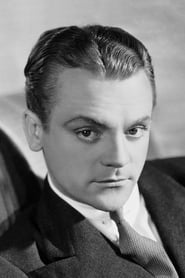 James CagneyTom Powers
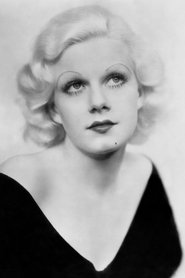 Jean HarlowGwen Allen
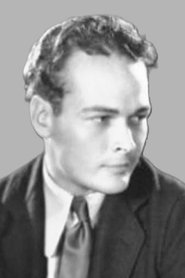 Edward WoodsMatt Doyle
 Joan BlondellMamie
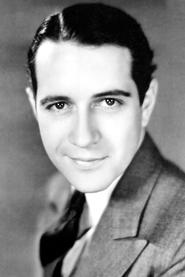 Donald CookMike Powers
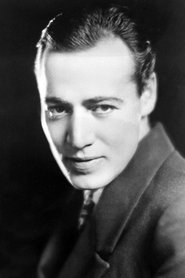 Leslie FentonSamuel 'Nails' Nathan
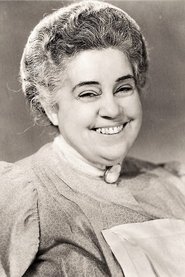 Beryl MercerMa Powers
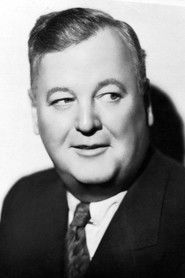 Robert Emmett O'ConnorPaddy Ryan
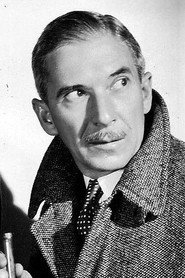 Murray KinnellPutty Nose
- Clark BurroughsDutch (uncredited)
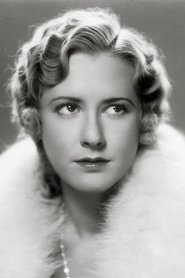 Mae ClarkeKitty (uncredited)
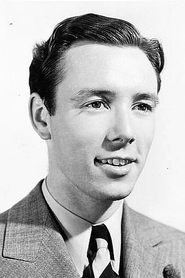 Frank Coghlan Jr.Tom as a Boy (uncredited)
Directing
- William A. WellmanDirector
Writing
- Harvey F. ThewAdaptation
- John BrightWriter
- Kubec GlasmonWriter
Production
- Darryl F. ZanuckProducer
Recommended by
GoodFellas, Boardwalk Empire, I Am a Fugitive from a Chain Gang, Public Enemies, White Heat, Angels with Dirty Faces, The Roaring Twenties, Scarface, Menace II Society, Underworld