
Film
She Done Him Wrong
Mae West's velvet-voiced masterclass in sexual charisma and zingers, a pre-Code romp where a nightclub queen juggles crooks and cops with the ease of a ringmaster. Sixty-five minutes of pure performance—West is the entire show, delivering double entendres that somehow passed censors, flirting her way through a plot that barely matters. For anyone curious how stardom actually works, or who loves old Hollywood at its most unapologetic.
If you liked this
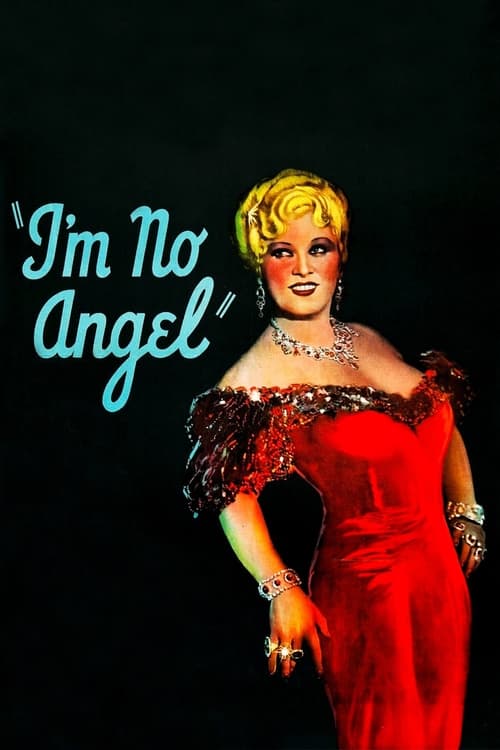
I'm No Angel1933
Mae West again, same year, playing a circus performer with the same gift for witty self-preservation. If you loved her in She Done Him Wrong, this proves she wasn't a one-hit wonder—she's hilarious in every register.
But It's fractionally more plot-heavy and slightly less focused on West's monologues. Some of the circus sequences feel padded compared to the tighter nightclub setting.
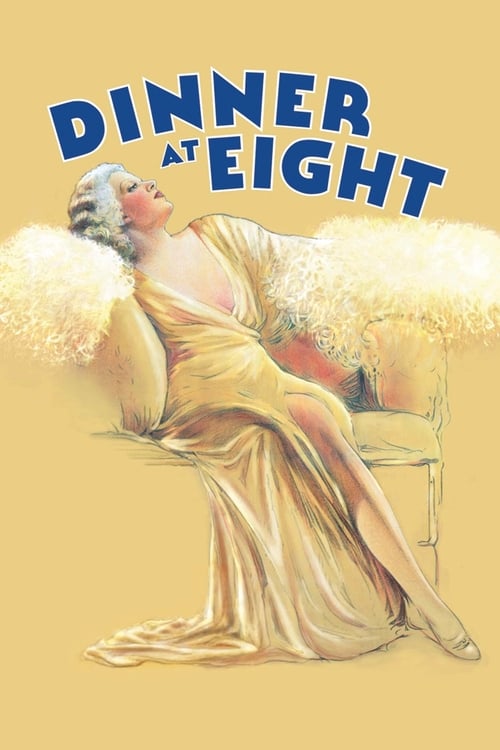
Dinner at Eight1933
The gold standard of pre-Code ensemble comedies: seven storylines braided together, all witty, all moving, Jean Harlow stealing every frame she's in. It captures the same era and the same freedom to say what characters actually think.
But West isn't in it, so you lose that hypnotic central performance. The dinner party structure means you're juggling several tones at once, which some find scattered.
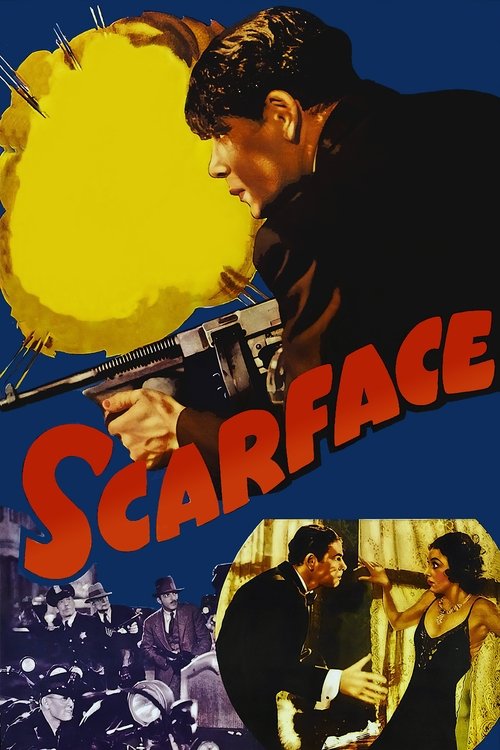
Scarface1932
Same year as West's film, same anything-goes pre-Code energy, but it's the violent mirror: Paul Muni as a gangster who won't stop. It shows what else was possible in 1933—you can see the freedom before the Production Code clamped down.
But It's brutal and repetitive in ways that feel dated. Where West charms you, this relies on shock value that's worn smooth by now.
Not sure tonight? Get a pick in a minute, starting from She Done Him Wrong
The wildcard
Something you would not have found on your own.
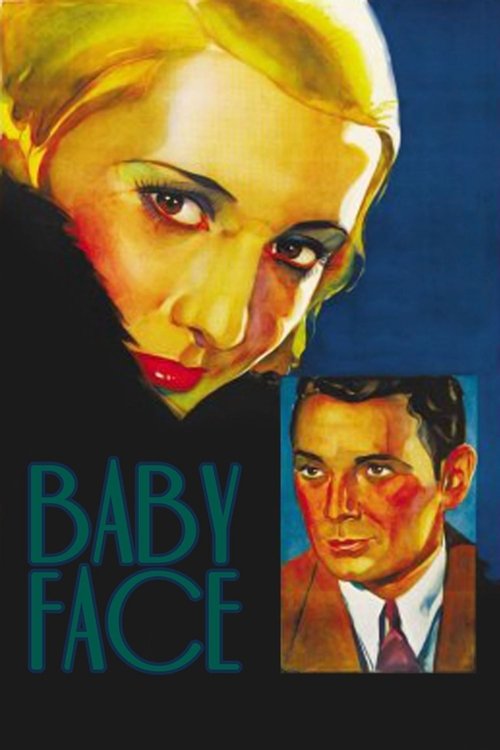
Baby Face1933
Both films center on women using sex and wit as weapons in a world that has nothing else to offer them, but Baby Face strips away the joke to show the math underneath.
Barbara Stanwyck plays a woman who sleeps her way to wealth with the same calculation and amorality as West, but this is a tragedy told as if it's a victory. Pre-Code cinema's most uncomfortable statement about what it actually costs a woman to survive.
But It's bleak in ways West never allows. You're watching a woman use sex as currency and the film never lets you enjoy it—every success feels hollow. Some find it preachy about female ambition.
More like this (7)
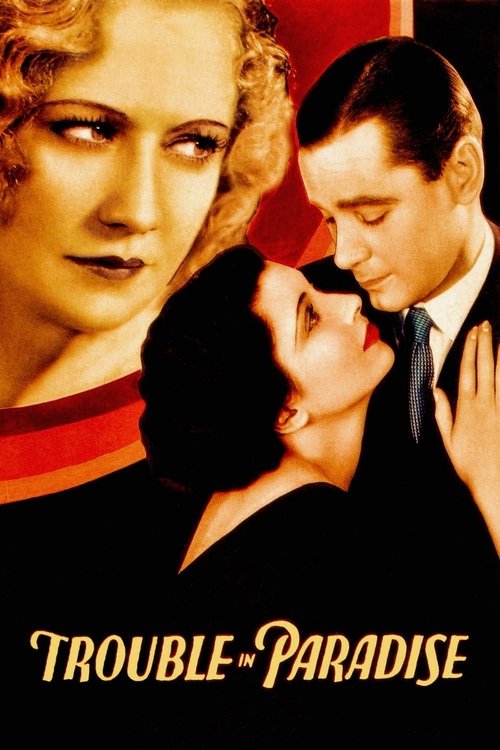
Trouble in Paradise1932
Ernst Lubitsch directing Herbert Marshall and Miriam Hopkins as sophisticated con artists. The same wit as West, but channeled through elegant deception rather than sexual frankness—shows the full range of pre-Code comedy.
But It's much more restrained and European in tone. If you're drawn to West's bawdiness, this film's sophistication might feel like a comedown.
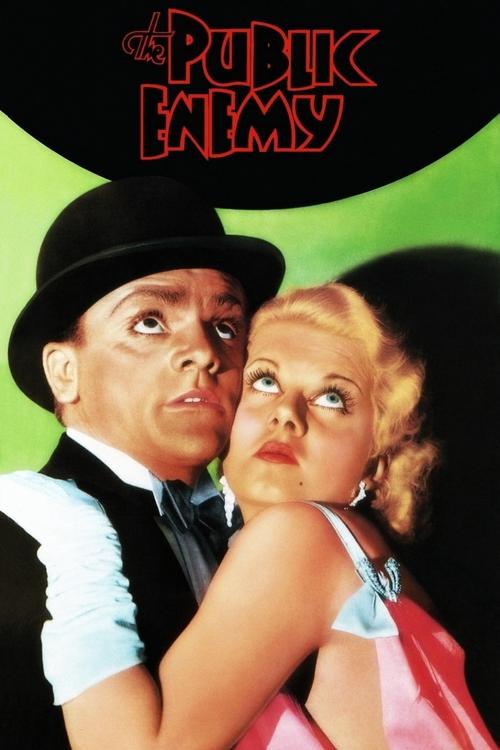
The Public Enemy1931
James Cagney at the moment stardom invented him, playing a gangster in a film that shocked audiences. It's the serious version of the crime world West winks at—same setting, opposite approach.
But It's genuinely grim and violent. There's no humor to soften it, and the pacing feels slow if you're used to West's snappy delivery.
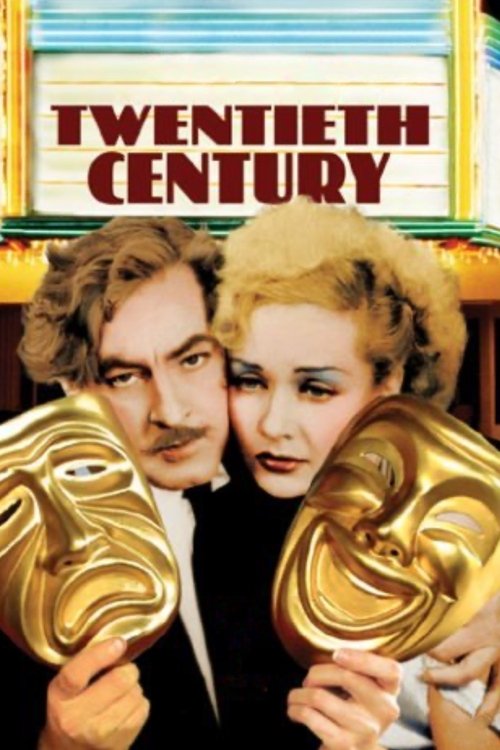
Twentieth Century1934
John Barrymore and Carole Lombard in a screwball masterpiece about theatrical madness. It captures that same pre-Code permissiveness and sexual confidence, but through pure chaos instead of seduction.
But The energy is exhausting. It's ninety minutes of characters shouting and scheming without West's elegance to anchor it—feels overwound to some viewers.
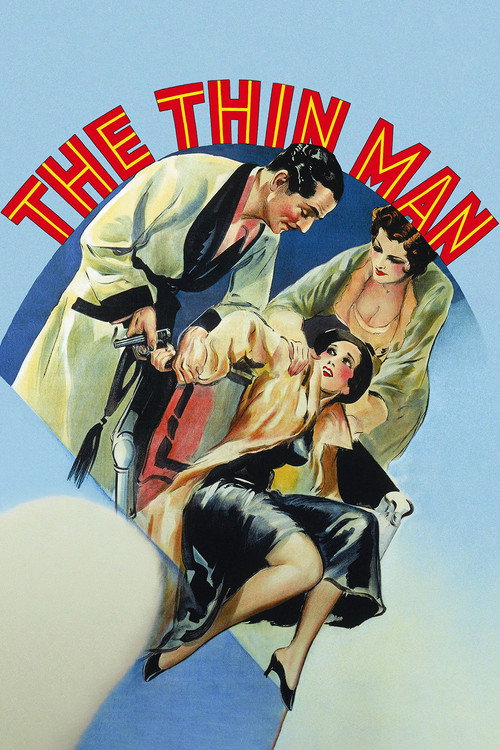
The Thin Man1934
William Powell and Myrna Loy as married detectives who drink and banter their way through a murder. It has West's confidence in its characters and their sexuality, but wrapped in a proper mystery.
But It's polished and clever rather than raw. You're getting wit filtered through a studio system tightening up after West's film shocked everyone.
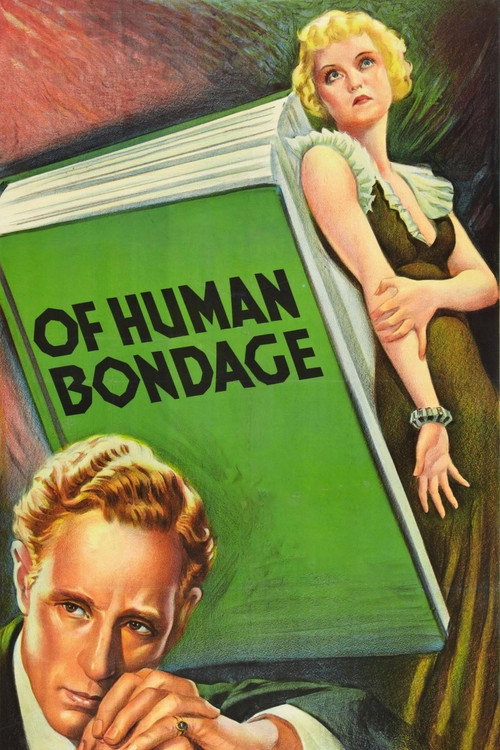
Of Human Bondage1934
Bette Davis as Mildred Rogers, a waitress who destroys a man through her indifference. It's the dark side of female sexual power—what happens when the woman using it isn't as clever or kind as Lady Lou.
But It's genuinely dark and ends badly. If you liked West for her triumph, watching this kind of seduction lead to ruin might feel punishing rather than entertaining.
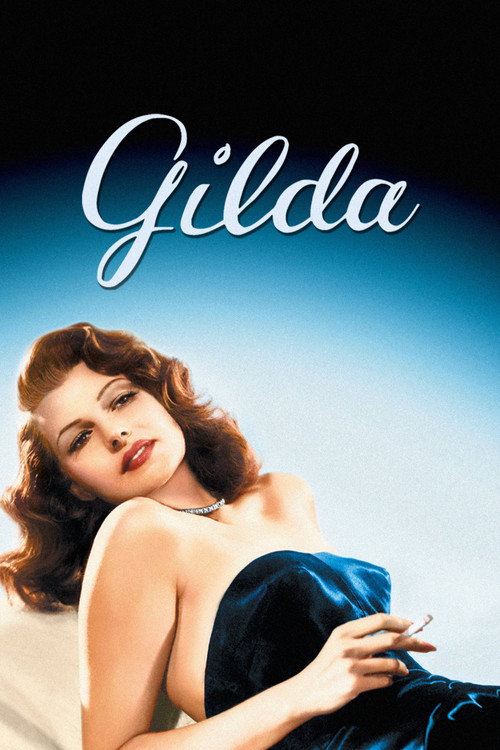
Gilda1946
Both are studies in a woman weaponizing desire, but where West stays in control and laughing, Gilda shows the cost when the woman trapped in that role doesn't get to write the ending.
Rita Hayworth in post-war glamour doing what West did: performing seduction as power, making men orbit around her sexuality while she remains the only one who knows what she actually wants. Glenn Ford can't look away; neither can you.
But It's a full noir, which means it takes itself seriously and ends with moral judgment. Hayworth's performance is controlled tragedy, not joyful performance, so the tone is completely different from West's film.
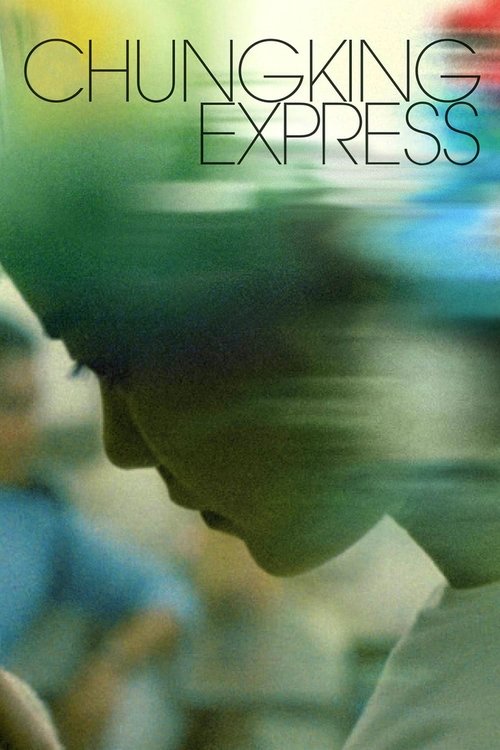
Chungking Express1994
Both films trust that the audience will watch a character simply because they're magnetic—West through jokes and sexuality, Wong through color and editing. They're both about the spell a performer can cast.
Wong Kar-wai's Hong Kong masterpiece: two stories about desire, connection, and people using charm to navigate impossible circumstances. Shot through neon and rain, it has the same confidence in its characters' ability to seduce and survive through personality.
But It's a visual poem, not a plot. If you come for narrative momentum like She Done Him Wrong gives you, this will feel glacial. The film's beauty is the point, not a vehicle for something else.
People
Cast
 Mae WestLady Lou
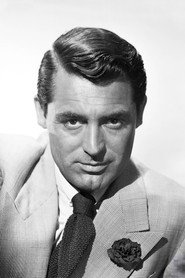 Cary GrantCaptain Cummings
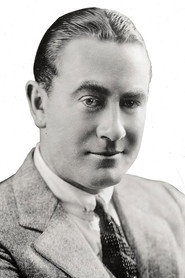 Owen MooreChick Clark
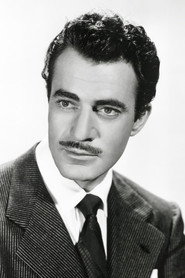 Gilbert RolandSerge Stanieff
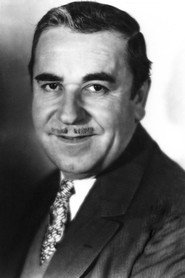 Noah BeeryGus Jordan
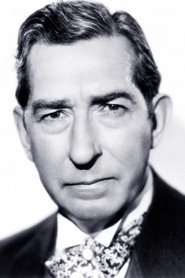 David LandauDan Flynn
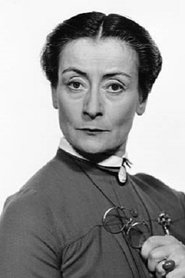 Rafaela OttianoRussian Rita
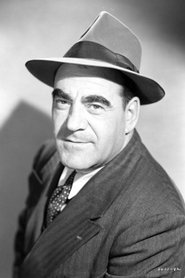 Dewey RobinsonSpider Kane
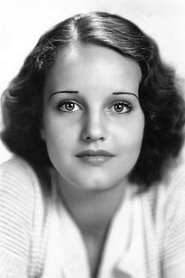 Rochelle HudsonSally
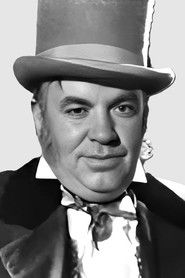 Tammany YoungChuck Connors
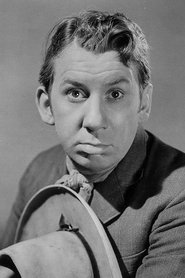 Fuzzy KnightRag Time Kelly
- Grace La RueFrances
Directing
- James DuganAssistant Director
- Lowell ShermanDirector
Writing
- Ralph RaingerLyricist
- Harvey F. ThewScreenplay
- John BrightScreenplay
- Mae WestWriter
Production
- William LeBaronAssociate Producer
- Fred A. DatigCasting
- Arthur LubinProduction Assistant
Recommended by
Reveille with Beverly, I'm No Angel, Goin' to Town, Klondike Annie