
Film
Scarface
Before Tony Montana, there was Tony Camonte — Paul Muni's Capone-inspired thug clawing his way up Prohibition Chicago with a tommy gun and an unsettling fixation on his own sister. Pre-Code and merciless, it's the blueprint every gangster film since has cribbed from: the greed, the glamour, the inevitable bullet-riddled comeuppance. Brutal, fast, and startlingly modern for ninety-three minutes shot in 1932.
If you liked this
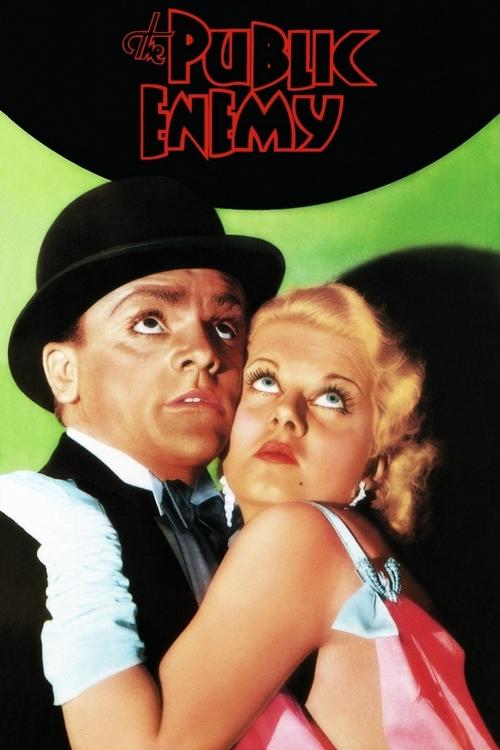
The Public Enemy1931
Cagney's breakout, released the same year gangster pictures were still scandalous, and just as vicious. Watch it alongside Scarface to see two studios racing to define the genre in real time.
But The pacing creaks in places and the moralizing bookends feel bolted on to appease censors.
Little Caesar1931no page yet
Edward G. Robinson's Rico is the other half of the era's one-two punch — a squat, paranoid tyrant instead of Muni's swaggering brute. Together these two films basically invented the genre's grammar.
But Robinson's performance is mannered by today's standards, and it lacks Scarface's visual polish and energy.
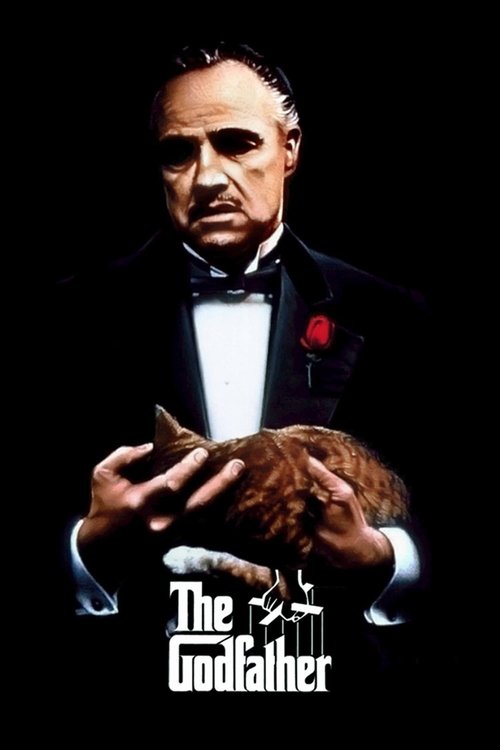
The Godfather1972
The gangster film Scarface's DNA eventually grew into — slower, grander, obsessed with family and legacy rather than raw hunger. If Camonte is appetite, Michael Corleone is consequence.
But It's a much longer, more deliberate film; if you want Scarface's speed and violence, this plays like a different genre entirely.
The wildcard
Something you would not have found on your own.
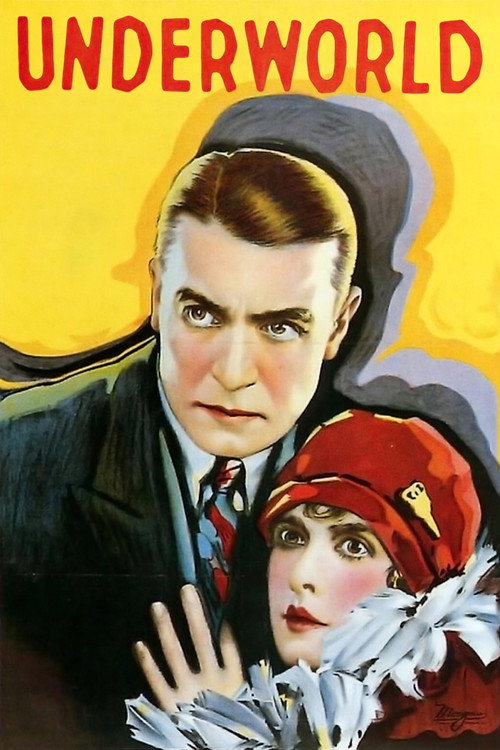
Underworld1927
This is the film Hawks and screenwriter Ben Hecht were directly answering — Scarface takes Underworld's rough sketch of gangster mythology and sharpens it into the template everyone since has copied.
Josef von Sternberg's silent crime picture more or less invented the gangster film — the doomed moll, the loyal gunman, the operatic shootout — five years before Scarface refined it.
But It's silent, from 1927, and the melodrama is broader than modern viewers may expect; patience with the format is required.
More like this (8)
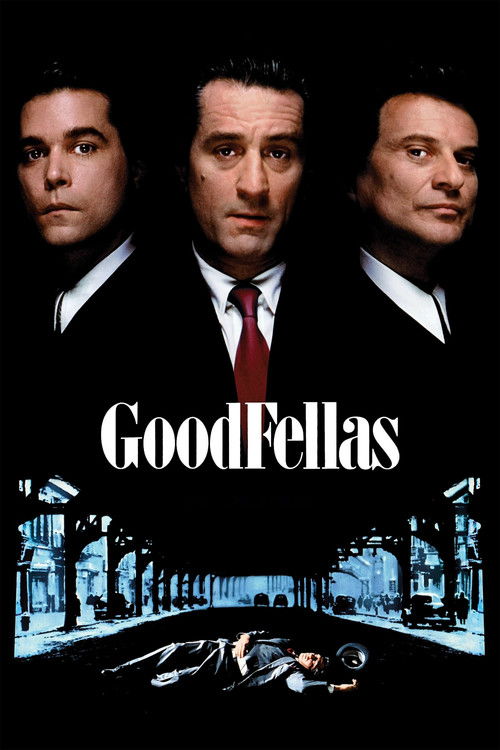
GoodFellas1990
Scorsese takes the same rise-and-fall shape and injects it with jittery, cocaine-fuelled energy and pitch-black comedy. It's the closest thing to Scarface's velocity the genre has produced since.
But The voiceover-heavy structure and constant needle drops are an acquired taste if you prefer a leaner, more classical approach.
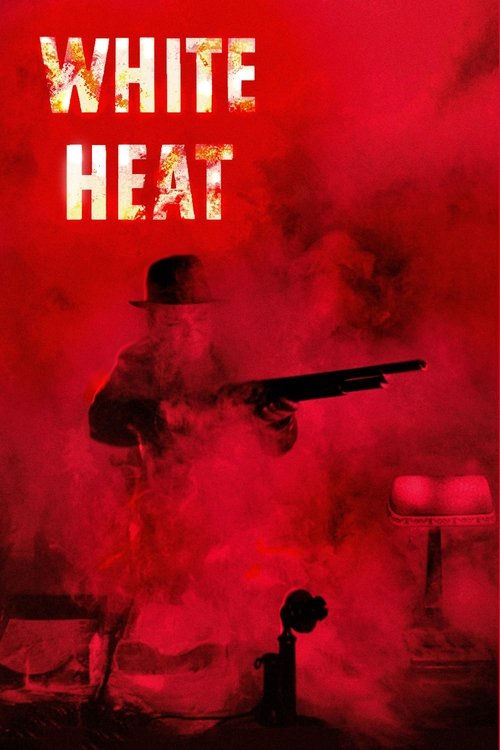
White Heat1949
Cagney again, older and unhinged, playing a mother-fixated killer heading for one of cinema's great final images. It's Scarface's psychosis dialled up and pointed somewhere new.
But The film noir trappings and studio-era gloss make it feel tamer on the surface, even though the ending hits just as hard.
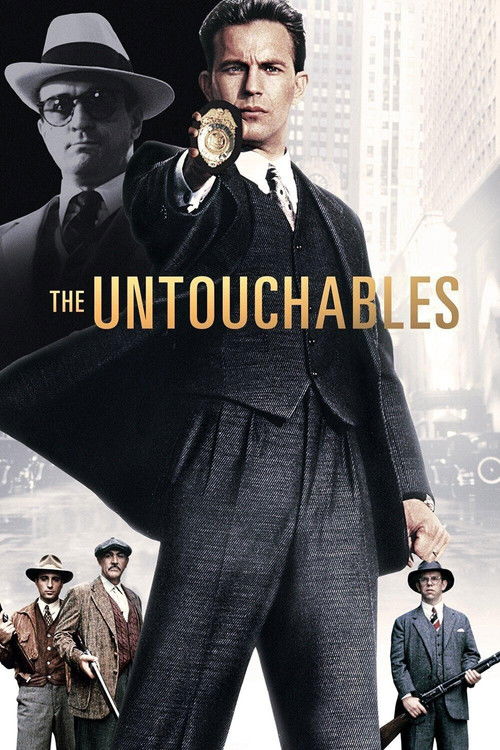
The Untouchables1987
Brian De Palma directs the Capone story straight, all tommy guns and Morricone strings, with De Niro giving his own operatic take on the boss Scarface fictionalised.
But It's glossier and more crowd-pleasing, closer to a heist thriller than the queasy character study Scarface actually is.
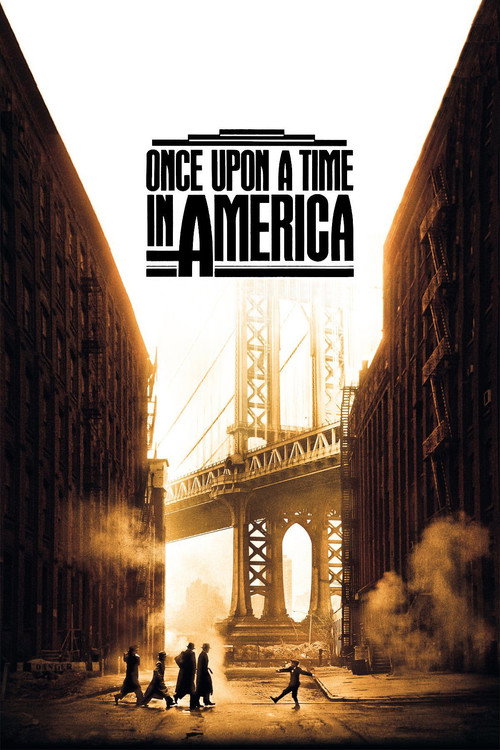
Once Upon a Time in America1984
Sergio Leone stretches the gangster rise-and-fall across four decades and nearly four hours, turning Prohibition-era crime into something closer to a fever-dream elegy.
But The extended runtime and dreamlike, nonlinear structure ask for far more patience than Scarface's blunt-force ninety-three minutes.
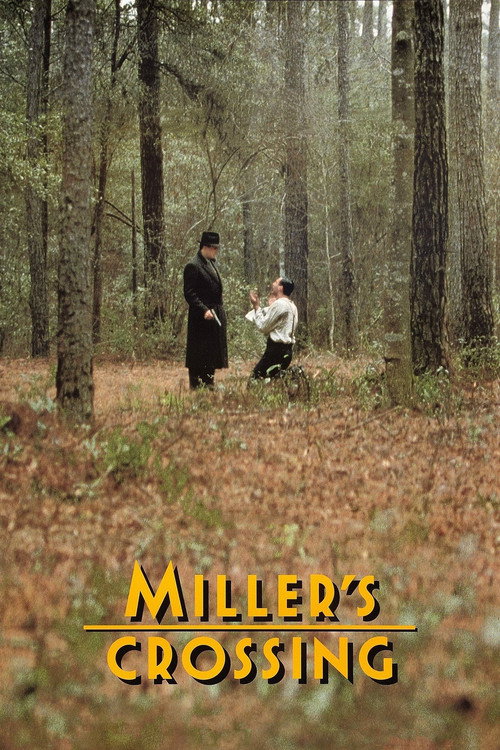
Miller's Crossing1990
The Coen brothers filter the same Prohibition gang-war plot through their own dry, ornate dialogue and a plot as twisty as noir ever managed.
But The labyrinthine plotting and heavily stylised dialogue reward close attention rather than deliver Scarface's visceral punch.
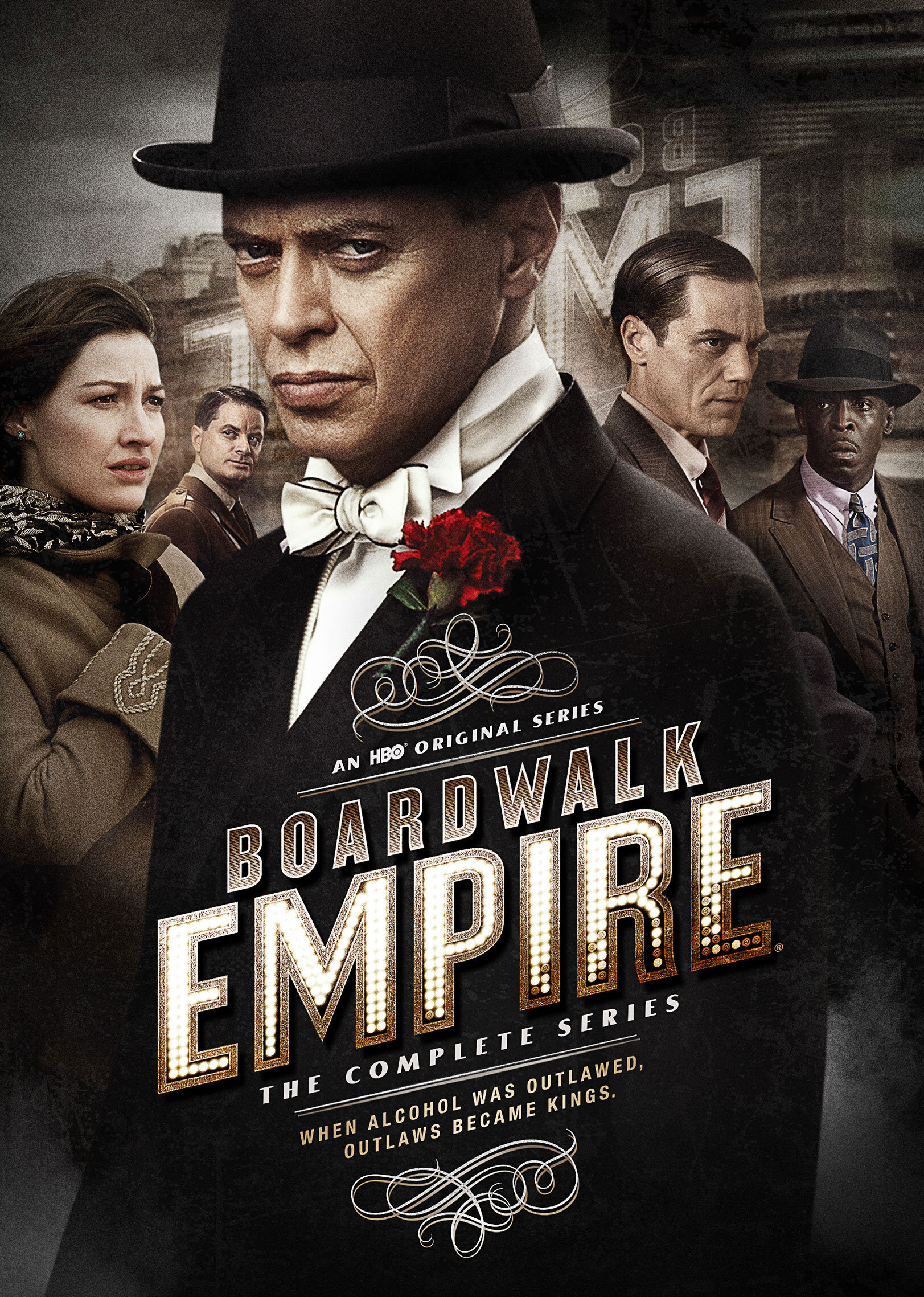
Boardwalk Empire2010
If you want Prohibition-era crime stretched over dozens of hours instead of ninety minutes, this HBO series builds the same world of bootleggers and ambition with novelistic patience.
But Five seasons is a serious commitment, trading Scarface's manic momentum for a much slower, sprawling pace.
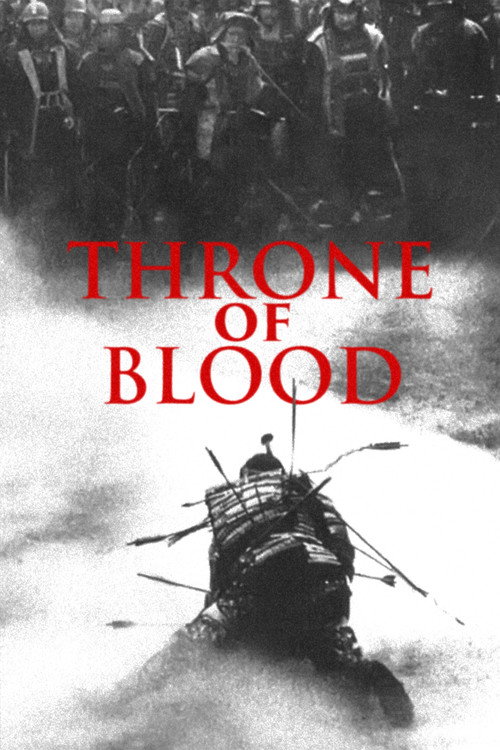
Throne of Blood1957
Both are essentially the same tragedy — a man seizes power through violence, convinces himself he's untouchable, and gets devoured by the exact machine he built. Camonte and Washizu are the same fool in different costumes.
Kurosawa transplants Macbeth into feudal Japan, and the result runs on the same engine as Scarface — a ruthless climber whose ambition curdles into paranoia and self-destruction, in armor instead of a pinstripe suit.
But It's subtitled, theatrical in its acting style, and asks you to sit with dread rather than deliver Scarface's rat-a-tat momentum.
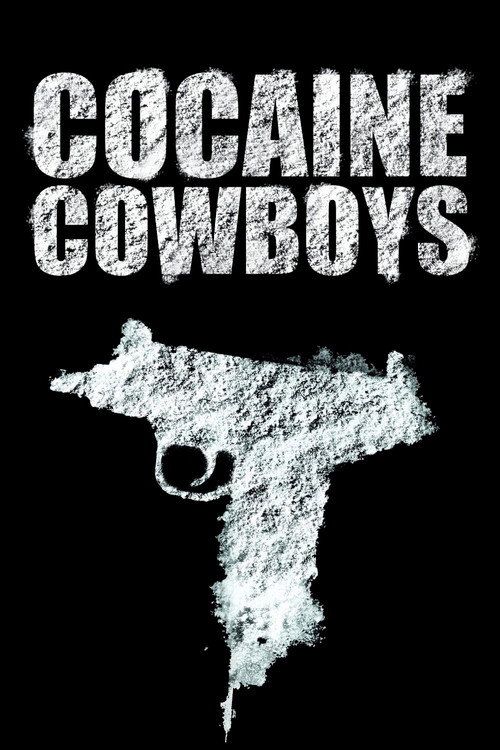
Cocaine Cowboys2006
Scarface built a myth of the immigrant hustler who builds an empire on product and violence and dies by it; this documentary shows you the unglamorous, genuinely brutal reality that myth was spun from.
This documentary tells the real story of Miami's cocaine wars in the 1970s and '80s — the actual gangsters, actual bodies, actual excess — that later mythology fed on.
But It trades Scarface's operatic style for talking-head interviews and archival news footage; the register is closer to true crime than tragedy.
People
Cast
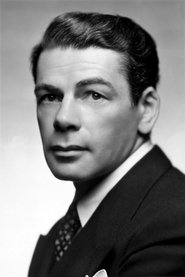 Paul MuniAntonio 'Tony' Camonte
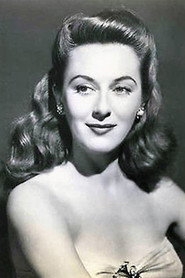 Ann DvorakFrancesca 'Cesca' Camonte
 Karen MorleyPoppy
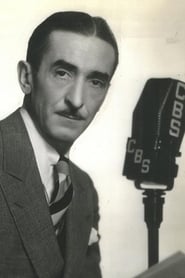 Osgood PerkinsJohn 'Johnny' Lovo
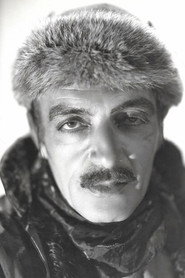 C. Henry GordonInsp. Ben Guarino
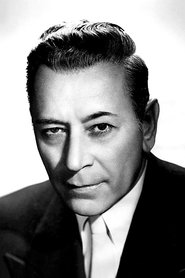 George RaftGuino Rinaldo
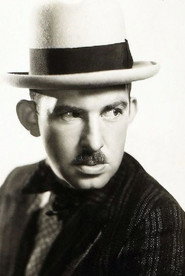 Vince BarnettAngelo
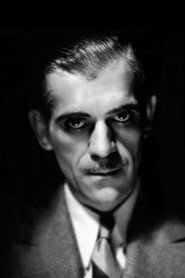 Boris KarloffGaffney
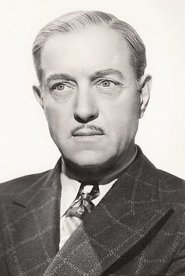 Purnell PrattMr. Garston, publisher
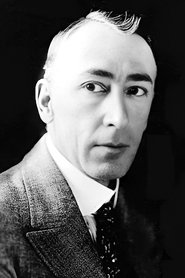 Tully MarshallManaging Editor
 Inez PalangeMrs. Camonte
 Edwin MaxwellChief of Detectives
Directing
- Richard RossonCo-Director
- John Lee MahinContinuity
- Seton I. MillerContinuity
- W.R. BurnettContinuity
- Howard HawksDirector
Writing
- John Lee MahinDialogue
- Seton I. MillerDialogue
- W.R. BurnettDialogue
- Armitage TrailNovel
- Ben HechtScreenplay
Production
- Howard HawksProducer
- Howard HughesProducer
- Charles StallingsProduction Manager
Recommended by
The Public Enemy, The Untouchables, The Untouchables, Snowfall, White Heat, Angels with Dirty Faces, The Roaring Twenties, Underworld