
Film
The Penalty
A 1920 silent thriller about a man crippled by medical cruelty who becomes a crime boss seeking vengeance. Lon Chaney delivers one of cinema's most physically committed performances, a study in rage and body horror that feels genuinely unsettling. Essential viewing for anyone serious about film history and the expressive power of silent cinema.
Should you watch it?
Watch it if you care about silent-era crime stories driven by a villain's warped inner life, and you're happy to watch a performer carry the whole film through makeup and physical acting rather than dialogue.
Skip it if you need sharp dialogue or modern pacing, since the story leans on title cards and stagey melodrama that can feel creaky to a viewer raised on sound films.
What it asks of you: Ninety minutes of silent storytelling, with intertitles you read and gestures you have to interpret, so give it full attention rather than half of it on your phone.
Not sure? Find tonight's pick in a minute.
If you liked this
Nosferatu1922
A masterpiece of expressionist dread that shares The Penalty's commitment to visual storytelling and grotesque imagery. If you loved Chaney's transformation into something monstrous, this will haunt you differently but just as deeply.
But The pacing is glacial by modern standards, and the print quality can vary wildly. Silent films aren't for everyone, especially when restoration is imperfect.

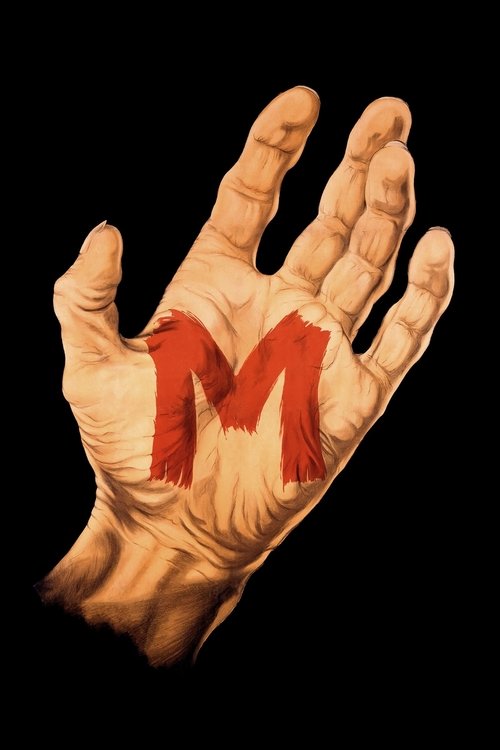
M1931
Fritz Lang's portrait of a child murderer hunted by both police and underworld, exploring the psychology of monstrosity with surgical precision. The same moral complexity and urban dread, but with sound and tighter narrative control.
But It's heavy. Really heavy. The ending offers no catharsis, only a closing statement on justice that will sit with you uncomfortably.
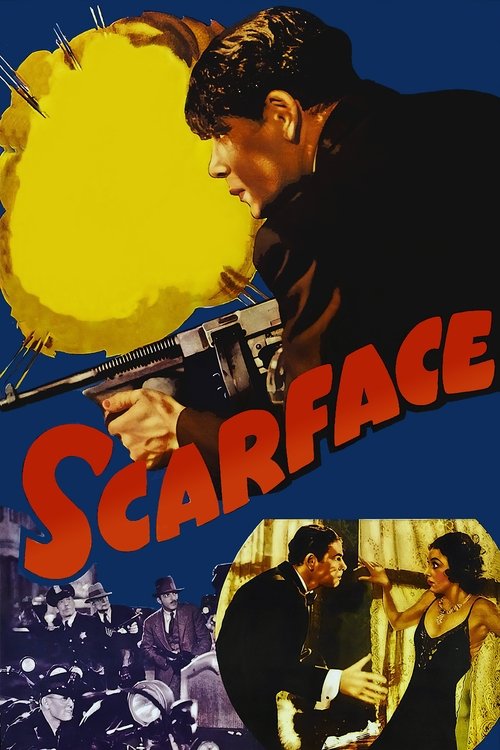
Scarface1932
Another study of a criminal's rise through brutality and obsession, this time with dialogue and faster cutting. Captures that same 1920s underworld energy and the corrupting logic of crime.
But It's pulpy where The Penalty is mythic. The moral framework is simpler, and if you're watching for psychological depth, you'll find less of it.
Not sure tonight? Get a pick in a minute, starting from The Penalty
The wildcard
Something you would not have found on your own.
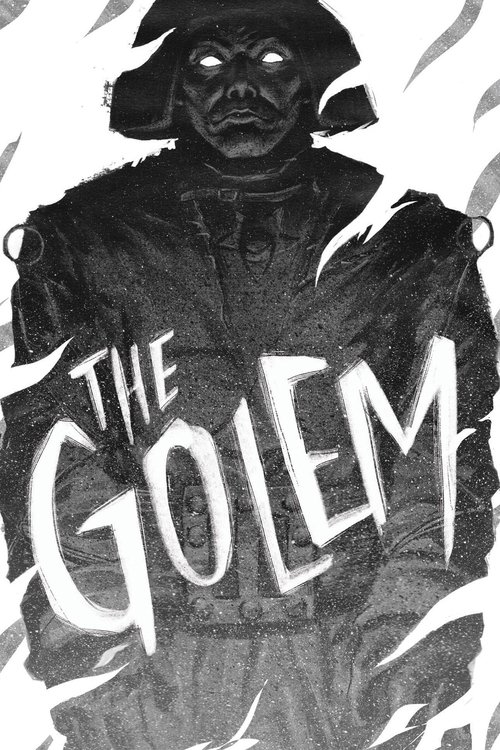
The Golem: How He Came into the World1920
Both use physical deformity and bodily transformation as the visual language for exploring how injustice and pain birth monsters. In each, the body is the message.
Made the same year as The Penalty, this Czech-Jewish expressionist film tells of a clay man created as a protector who becomes a rampaging force of destruction. Both are about creation twisted into monstrosity—physical transformation as metaphor for moral corruption.
But It's a fantasy film, not crime noir, so the texture is completely different. The pacing is even slower than The Penalty, and the special effects, while ingenious, look archaic.
More like this (8)
The Phantom Carriage1921
Swedish silent masterpiece about guilt and redemption using visual effects that were revolutionary. The same era, the same commitment to pure cinema as emotional language, but with a ghost story instead of crime.
But Even more slow-burn than The Penalty. It requires patience and a willingness to sit with long takes of faces in darkness.

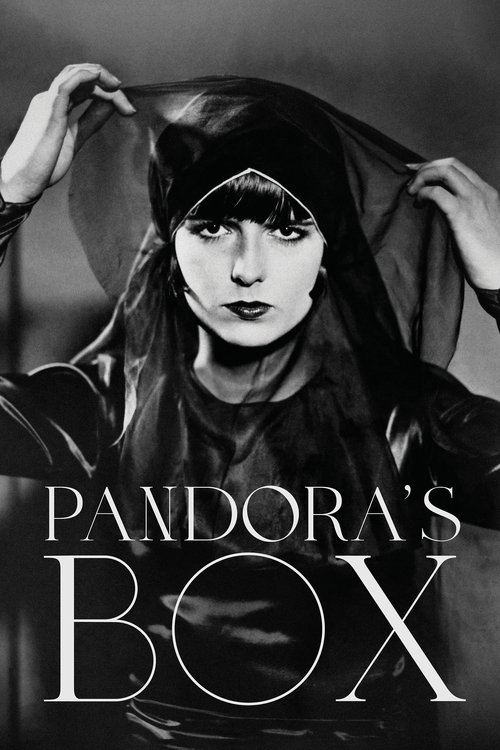
Pandora's Box1929
G.W. Pabst's study of desire and destruction in Weimar Berlin. Visceral, sexually charged, darkly erotic—a different kind of transgression than The Penalty, but the same commitment to showing moral rot.
But The sexual content and casual cruelty are deliberately jarring. It's not exploitative, but it doesn't look away from exploitation, which isn't comfortable.
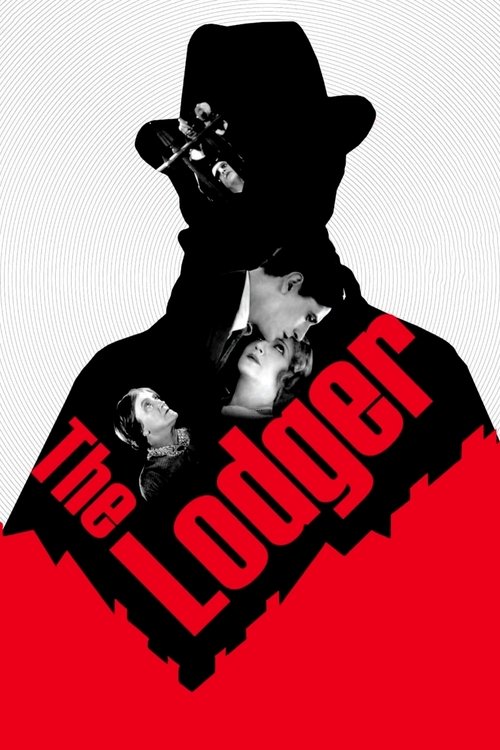
The Lodger: A Story of the London Fog1927
Hitchcock's early masterpiece about a suspected serial killer haunting a London boarding house. Expressionist visual language used to create psychological terror; Chaney's physicality finds its match in pure atmosphere.
But The plot is threadbare and the resolution feels slightly unsatisfying. It's more mood than story, which works brilliantly for some viewers and frustrates others.
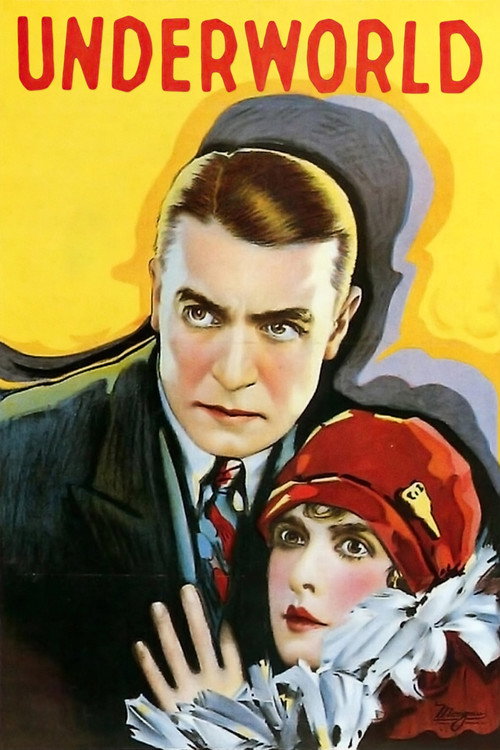
Underworld1927
Josef von Sternberg's gangster picture, one of the first to treat the underworld with full dramatic seriousness. Similar milieu, similar focus on the corrupting logic of crime and desire.
But It's less psychologically intense than The Penalty and more interested in seduction and betrayal. If you want another study of derangement, this won't deliver it.
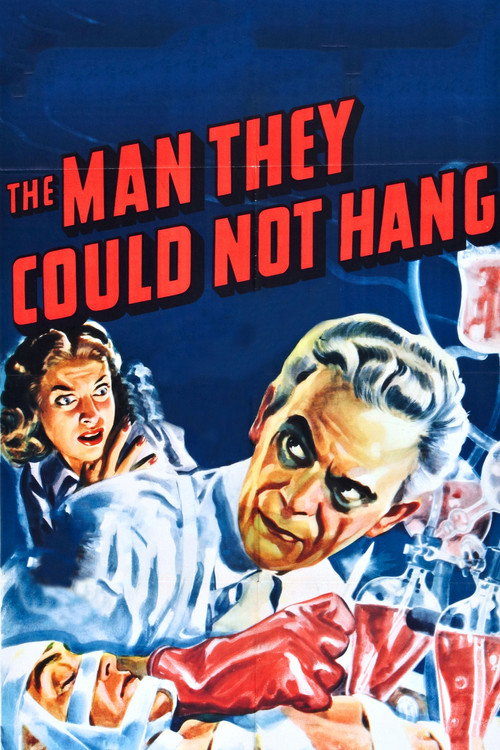
The Man They Could Not Hang1939
Boris Karloff as a scientist executing revenge on those who wronged him. The same theme of justified rage turned monstrous, though played with more campiness and moral ambiguity.
But It's a B-picture with the budget to match. The dialogue is clunky and the effects are creaky, even for the time.
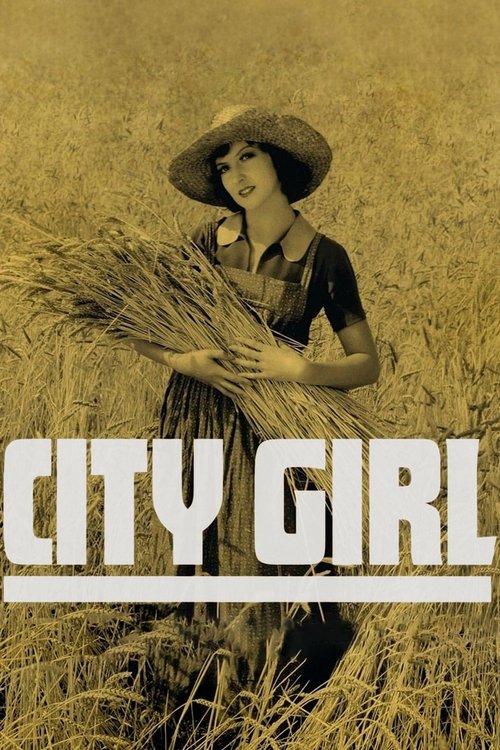
City Girl1930
F.W. Murnau's late silent film about rural life corrupted by urban deception and desire. Similar visual richness and exploration of how circumstances twist people into cruelty.
But It's a rural melodrama, not a crime picture, so the tone is more romantic and tragic. If you want more underworld brutality, you'll be disappointed.
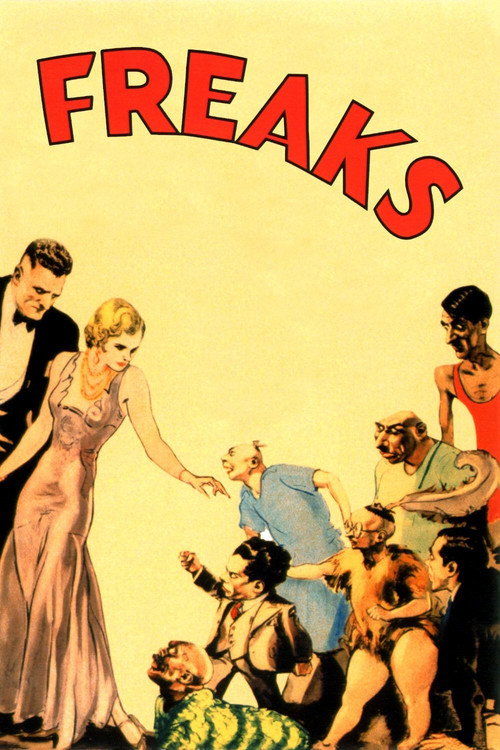
Freaks1932
Both ask: who is the real monster? Both use the body as text. But where Chaney's monstrosity is earned through trauma, Freaks argues that monstrosity is something the world *assigns* to those who look different.
Browning's notorious masterpiece about circus performers—actual disabled people playing themselves—and the cruelty of normates. It reverses The Penalty's perspective: the 'freak' is innocent and moral; the beautiful people are predators.
But It's deeply transgressive and uncomfortable by design. Some viewers find it exploitative despite Browning's intentions; the ending is violent and pitiless.
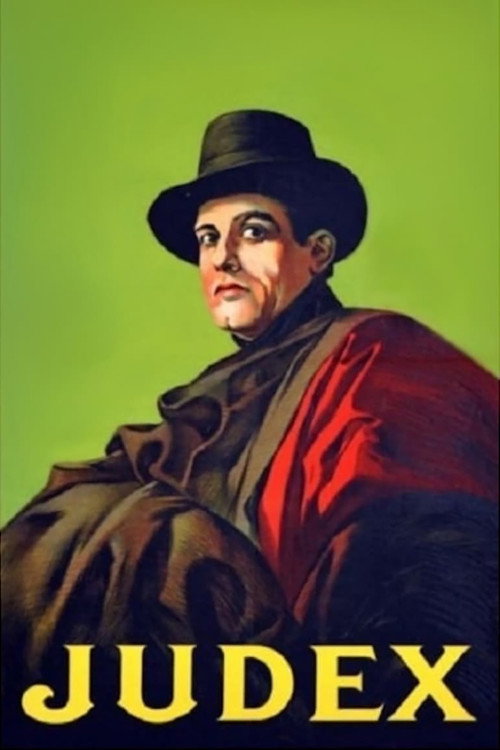
Judex1916
Both are about powerful men operating outside the law to punish wrongdoing, both use the city as a character, both ask whether vengeance ever cleanses the soul or only compounds the corruption.
Feuillade's serial about a masked avenger dispensing justice to the corrupt wealthy. A pre-The Penalty film that shares its obsession with justified vengeance, visual spectacle, and the thin line between hero and criminal.
But It's lighter and more playful than The Penalty—a serial adventure rather than a psychological study. The moral framework is simpler and the tone more romantic.
People
Cast
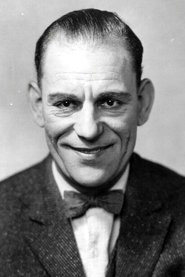 Lon ChaneyBlizzard
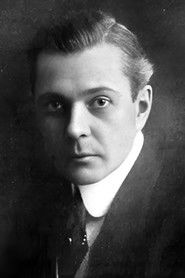 Charles ClaryDr. Ferris
 Doris PawnBarbary Nell
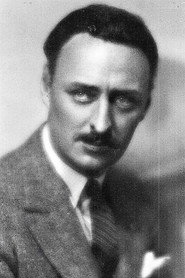 James Pier MasonFrisco Pete (as James Mason)
- Milton RossLichtenstein
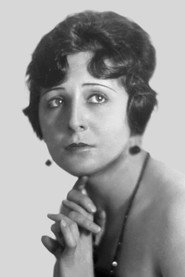 Ethel Grey TerryRose
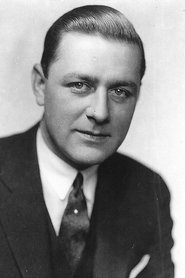 Kenneth HarlanDr. Wilmot Allen
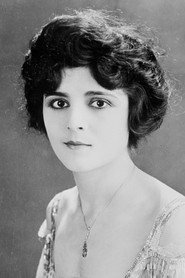 Claire AdamsBarbara Ferris
- Montgomery CarlyleA Crook (uncredited)
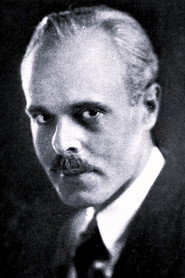 Michael DarkMan (uncredited)
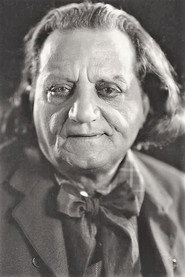 Cesare GravinaArt Teacher (uncredited)
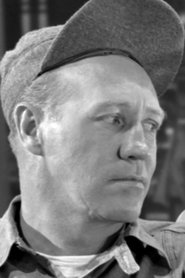 Lee PhelpsPoliceman (uncredited)
Directing
- James DuganAssistant Director
- Wallace WorsleyDirector
Writing
- Gouverneur MorrisAdaptation
- Gouverneur MorrisNovel
- Charles KenyonScenario Writer
- Philip LonerganScenario Writer
Production
- Clifford RobertsonCasting
- Rex BeachExecutive Producer
- Samuel GoldwynProducer
Recommended by
The Man Who Laughs, The Bat, Six Characters in Search of An Author, Flesh and Blood