
Film
City Girl
A 1930 silent-to-sound drama about a Chicago waitress who marries a farmer and discovers that rural Minnesota life shatters her city dreams. Directed by F.W. Murnau, it's formally daring and emotionally raw—a portrait of class collision and broken promises that moves with visual precision and genuine melancholy. For anyone drawn to character studies where landscape is destiny.
Should you watch it?
Watch it if you are drawn to silent-era craft, where a glance or a field of wheat carries the emotion, and you like romance that tests people rather than sweetens them.
Skip it if the pace is deliberate and the drama plays out in long, unhurried stretches, so if you need quick dialogue and plot turns, this will test your patience.
What it asks of you: Just under ninety minutes of patient looking, with long silent passages where the images do the talking and the mood shifts slowly rather than in scenes.
Not sure? Find tonight's pick in a minute.
If you liked this
Sunrise: A Song of Two Humans1927
Also directed by Murnau, this is his masterpiece: a husband tempted away from his wife by a seductive city woman. The visual storytelling is hypnotic, the emotional stakes devastating, and it shares City Girl's fascination with how desire and circumstance destroy ordinary people.
But It's silent with intertitles, which takes adjustment. The pacing is deliberate, sometimes glacial by modern standards.

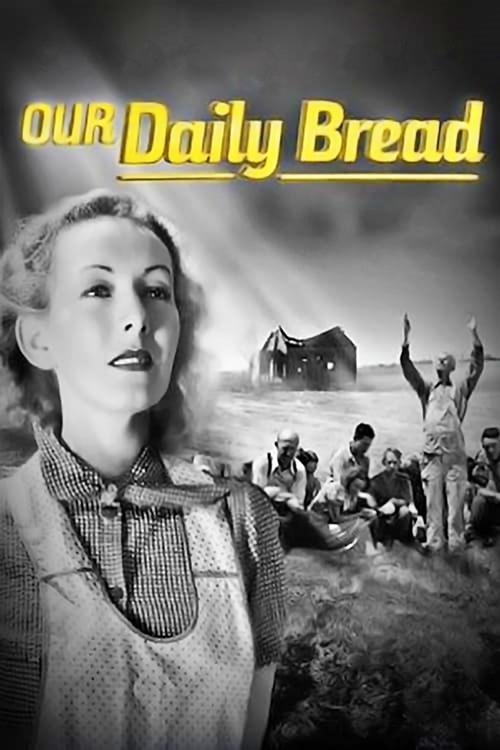
Our Daily Bread1934
King Vidor's vision of young people starting a farm collective during the Depression. Like City Girl, it's about rural life as both dream and trap, but it leans into documentary realism and collective struggle rather than romance. Visually stunning.
But The politics are earnest and unironic—if Depression-era social messaging feels dated to you, this won't help.
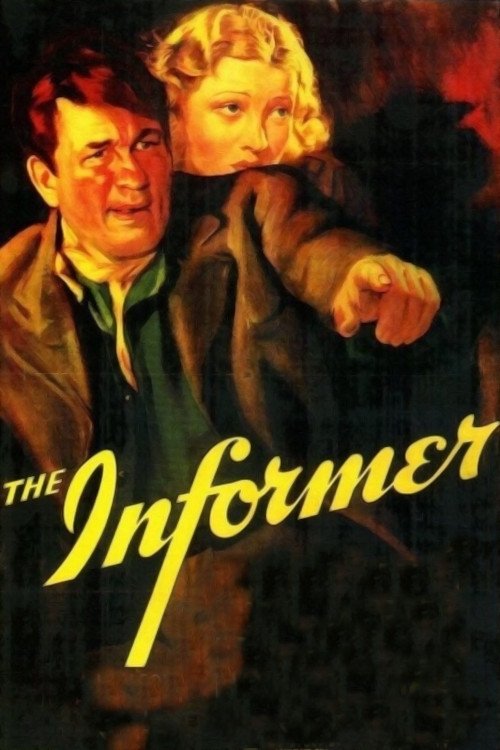
The Informer1935
John Ford's expressionist drama about betrayal and guilt in Dublin. It has City Girl's atmospheric gloom and Murnau's visual intensity; watching a character destroy themselves through moral weakness is just as devastating here, only in an urban underworld.
But The Irish accents are variable, and some of the theatrical performances feel stage-bound by today's standards.
Not sure tonight? Get a pick in a minute, starting from City Girl
The wildcard
Something you would not have found on your own.
The Phantom Carriage1921
Both are European expressionist cinema about moral ruin dressed in beauty; City Girl is partly Sjöström's American legacy.
Directed by Tur Sjöström and shot entirely in Swedish expressionist visual language, this ghost story about debt, redemption, and class desperation predates City Girl and influenced Murnau directly. It has the same visual beauty and the same understanding that ordinary people's failures are tragic. A template for the film you're about to watch.
But It's silent Swedish cinema from 1921—genuinely alien to modern viewers. The pacing is unhurried and the story familiar in a way that can feel slow.

More like this (8)
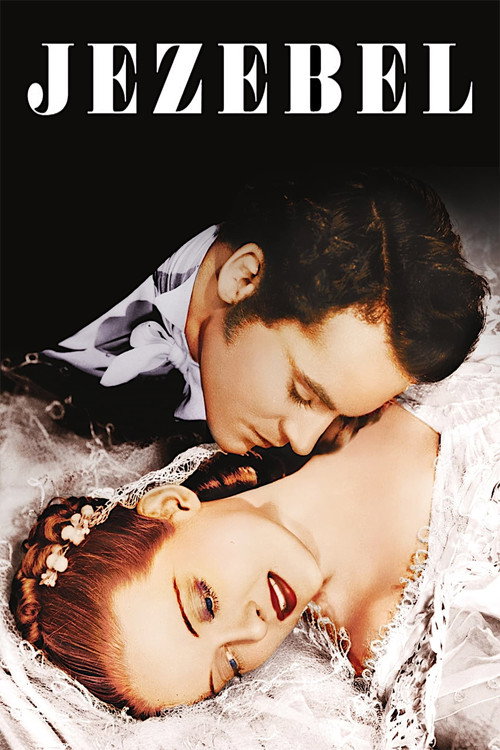
Jezebel1938
Bette Davis at full power as a woman whose selfishness corrodes everything around her. It shares City Girl's interest in how desire and social ambition poison relationships, and Davis performs it with theatrical precision and genuine pathos.
But It's a Warner Bros. house product—glossy and studio-made in ways that lack the visual oddness that makes City Girl so striking.
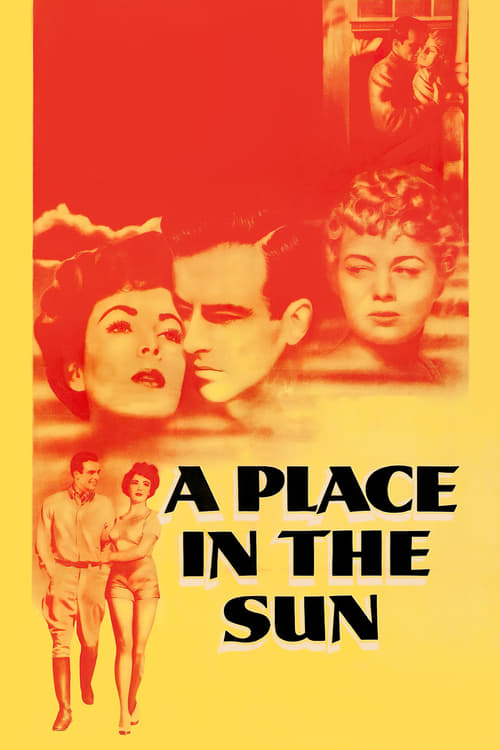
A Place in the Sun1951
George Stevens' version of An American Tragedy: a young man torn between a factory girl and a rich woman. It's a direct spiritual descendant of City Girl—the same story of class desire, the same understanding that ambition can poison love, but in colour and with post-war melancholy.
But At 122 minutes, it's long, and the middle section settles into romance in ways that dilute the moral complexity.
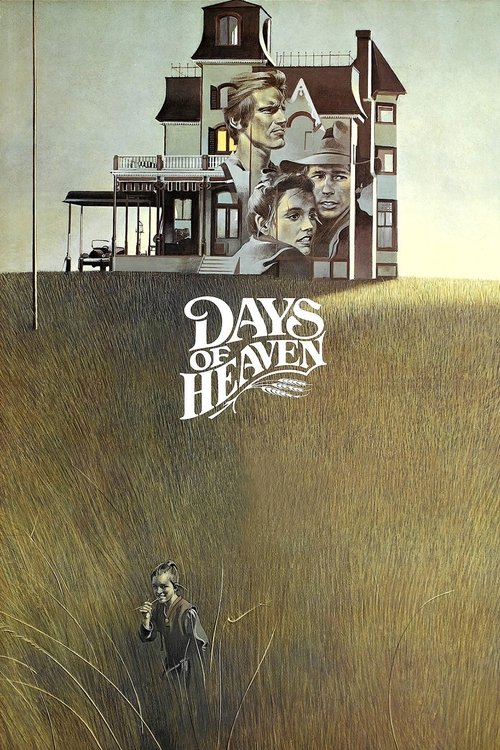
Days of Heaven1978
Terrence Malick's wheat-field fever dream about migrant workers, romantic deception, and the land itself as a character. Like City Girl, it's about rural labour as beautiful and brutal simultaneously, and visually it's in conversation with Murnau's compositions.
But Malick's style is deliberately opaque and poetic—there's no plot summary that captures what it is. If you want clarity, keep walking.
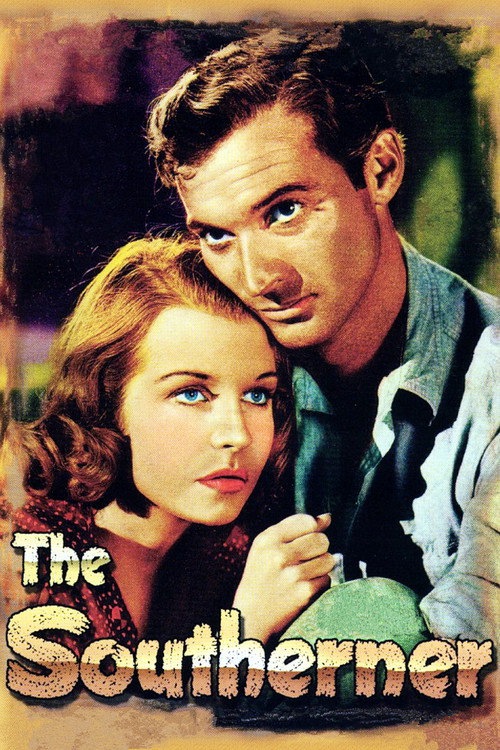
The Southerner1945
Jean Renoir directing American rural life: a sharecropper family trying to break free. It has City Girl's attention to daily hardship and the way the land grinds down ambition, but with Renoir's humanism and a touch of humour the Murnau film never allows itself.
But The print quality can be rough, and some scenes move at a pace that tests modern patience.
Letter from an Unknown Woman1948
Max Ophüls' tragedy of longing and self-delusion: a woman loves a man across years and circumstances, and it destroys her. It shares City Girl's interest in how desire and fantasy collide with reality, but the emotional register is pure tragedy, almost operatic.
But It's romantic and baroque—if you find Ophüls' swooning camera and emotional intensity exhausting, this will feel like drowning in it.

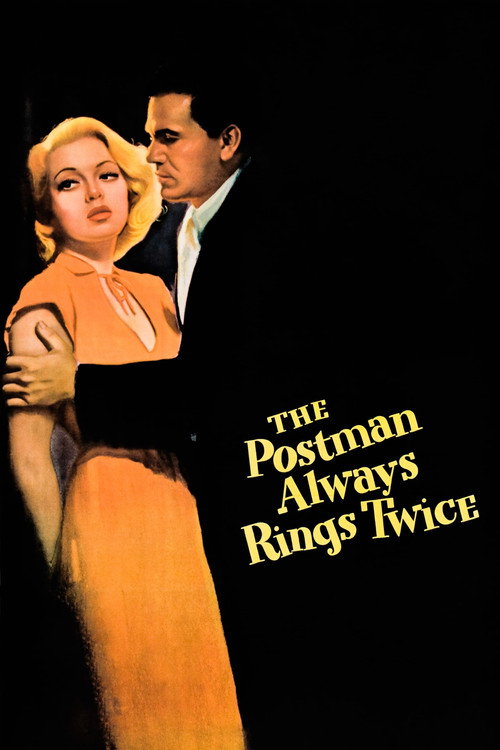
The Postman Always Rings Twice1946
Lana Turner and John Garfield in Tay Garnett's noir about a drifter and a woman who use each other until they destroy each other. It shares City Girl's interest in ambition and moral collapse, just pitched as erotic noir instead of domestic tragedy.
But It's cynical and sexually charged in ways that can feel dated and uncomfortable—the gender politics won't sit easy with anyone watching it now.
Meek's Cutoff2011
Both films understand the land as a character that defeats human will; both use visual composition as the primary storytelling tool.
Kelly Reichardt's film about a wagon train on the Oregon Trail is almost no plot and almost all the weight of landscape and uncertainty. Like City Girl, it's about people whose dreams collide with an indifferent land, and it's shot with painterly precision that makes rural space feel almost supernatural. Gorgeous and claustrophobic.
But It's slow and deliberately obscure about motivation and meaning. If you need a film to tell you what to feel, this will frustrate you deeply.

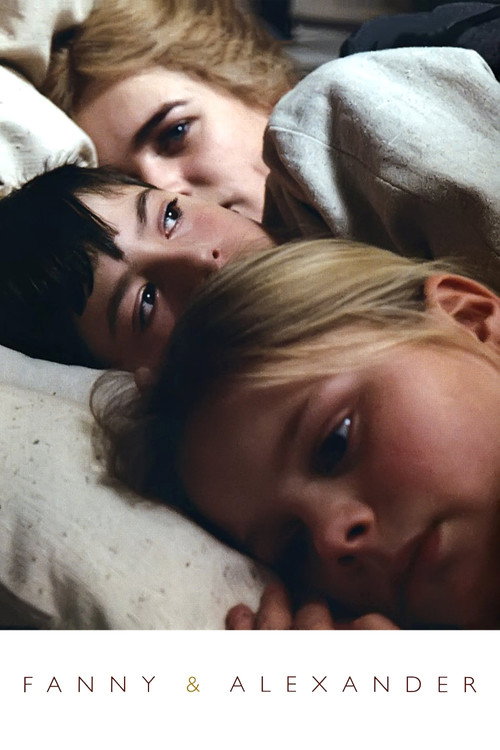
Fanny and Alexander1982
Both trace how personal desire and family obligation collide; both use the domestic interior as a stage for moral conflict, though Bergman is vastly more expansive about the damage.
Ingmar Bergman's final film is a four-hour Russian-doll story about a family across generations, theatrical joy and domestic tyranny. It shares City Girl's interest in how marriage and family ambition can trap people, but it's epic, warm, and structured like a novel—far richer and more forgiving than Murnau's austere tragedy.
But Four hours is a commitment, and Bergman's reputation for gloom is partly deserved. If you want lightness or a plot that moves, look elsewhere.
People
Cast
 Charles FarrellLem Tustine
 Mary DuncanKate
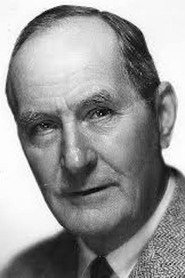 David TorrenceLem's Father
 Edith YorkeLem's Mother
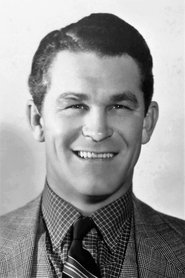 Guinn 'Big Boy' WilliamsReaper
 Anne ShirleyMarie Tustine
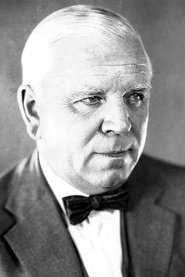 Tom McGuireMatey

- Patrick RooneyButch
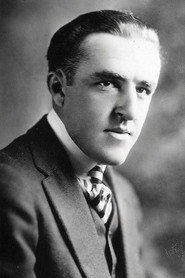 Ed BradyReaper
 Roscoe AtesReaper
 Marjorie BeebeWaitress (uncredited)
Directing
- Frank PowolnyAssistant Director
- William TummelAssistant Director
- F. W. MurnauDirector
Writing
- Elliott LesterDialogue
- Berthold ViertelWriter
- Marion OrthWriter
Production
- William FoxProducer
Recommended by
Sunrise: A Song of Two Humans, His Regeneration, Liliom, The Bad Sister, Arsenal, The Penalty, The Battle of the Sexes, Atlantis, 3 Bad Men, Humoresque, An Unseen Enemy, The Story of the Kelly Gang, The Docks of New York