
Film
Days of Heaven
Terrence Malick's second film is barely a plot at all — more a hushed, golden-lit reverie about three drifters caught in a Texas wheat harvest in 1916. Told through the flat, unsentimental voice of a child narrator, it treats light and landscape as the real storytellers, with dialogue almost an afterthought. Gorgeous, mournful, and deliberately slow — one of the most beautiful films ever shot, if you can surrender to its pace.
If you liked this
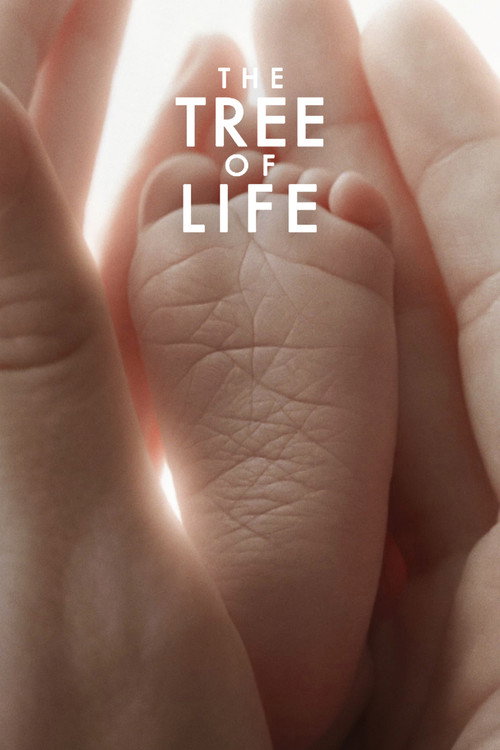
The Tree of Life2011
Malick's fullest expression of what he was reaching for here — nature, memory, and grief distilled into pure image and whisper. If Days of Heaven left you hungry for that visual grammar, this is the feast.
But It abandons plot almost entirely for cosmic imagery and voiceover; even Malick devotees find it a lot.
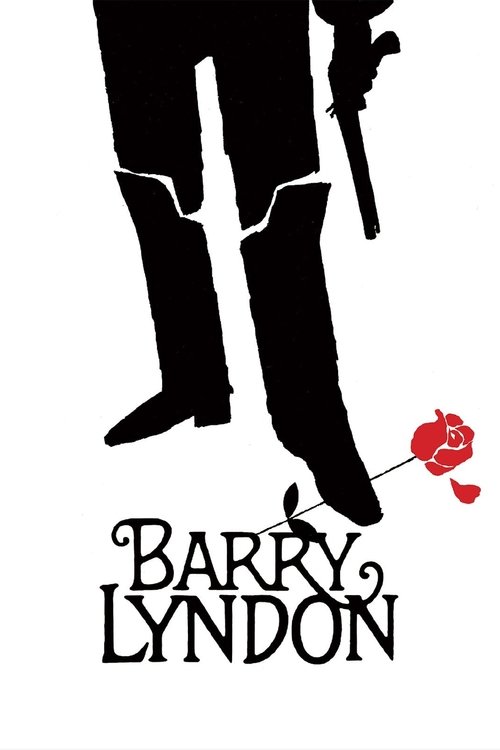
Barry Lyndon1975
Kubrick shot whole scenes by candlelight and natural light alone, chasing the same painterly stillness Malick found in wheat fields — a cold, gorgeous, slow-burn tragedy about class and fate.
But Three hours long with a narrator who tells you exactly how it ends — patience is mandatory.
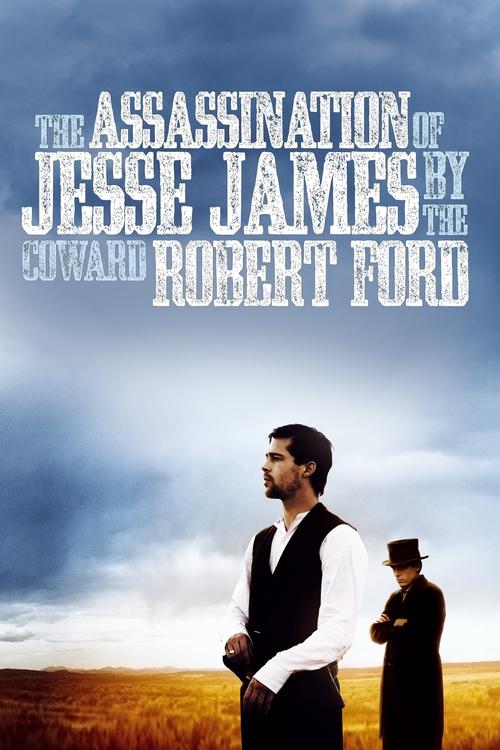
The Assassination of Jesse James by the Coward Robert Ford2007
Roger Deakins' cinematography does for the plains what Néstor Almendros did for Malick — golden, aching, elegiac. A quiet meditation on betrayal dressed as a western.
But Deliberately paced and mournful; if you wanted gunfights, you'll be disappointed.
The wildcard
Something you would not have found on your own.
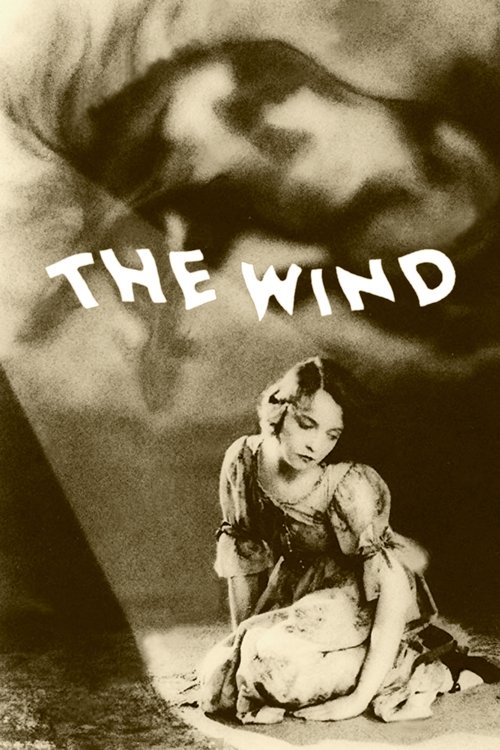
The Wind1928
Same Texas plains, same idea of landscape as fate rather than backdrop — Malick's wheat fields have a direct ancestor in Gish's dust storms, five decades earlier.
Lillian Gish battles literal windstorms and a hostile Texas landscape in this silent melodrama — the same elemental forces bearing down on a woman caught between men.
But Silent film with title cards; the melodrama is broader and more theatrical than modern tastes expect.
More like this (8)
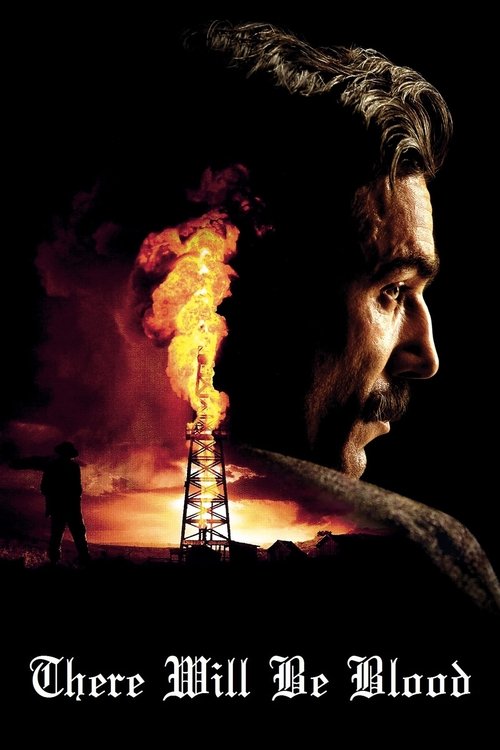
There Will Be Blood2007
Same early-20th-century American land, same sense of ambition curdling into ruin, but turned up to a scream instead of a whisper.
But Daniel Day-Lewis's performance is a force of nature that swallows the film's quieter moments whole.
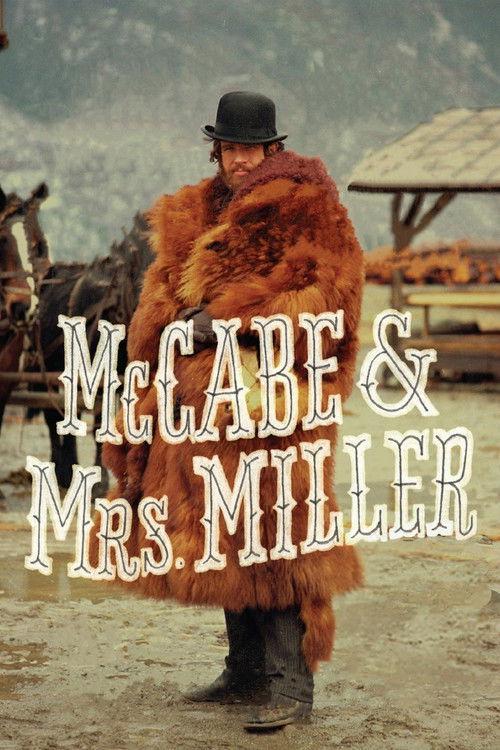
McCabe & Mrs. Miller1971
Altman's revisionist western has the same hazy, half-remembered texture — muddy, lyrical, unsentimental about the frontier myth.
But The sound mix is famously mumbly and the plot drifts; not one for tidy narratives.
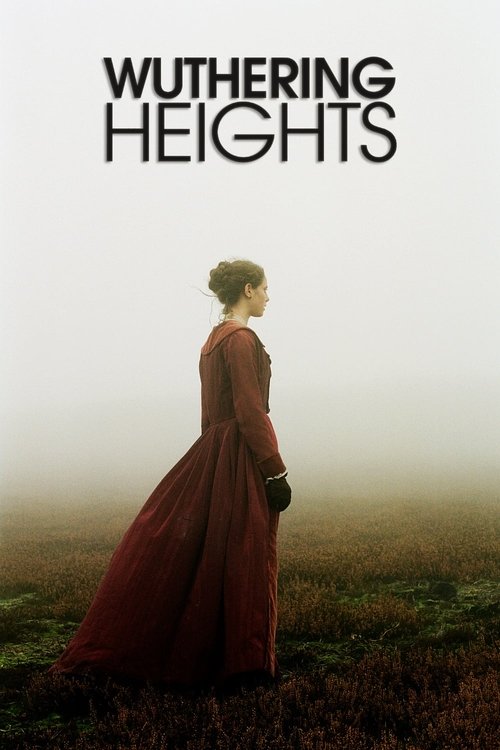
Wuthering Heights2011
Andrea Arnold strips the gothic novel down to wind, mud and skin — love as something almost feral, told mostly without dialogue.
But Extremely stark and unglamorous; anyone hoping for period-drama romance will be startled.
A River Runs Through It1992no page yet
Another hymn to American landscape and family, shot with the same reverence for light on water and wheat.
But Gentler and more nostalgic — there's no menace here, which some may find toothless.
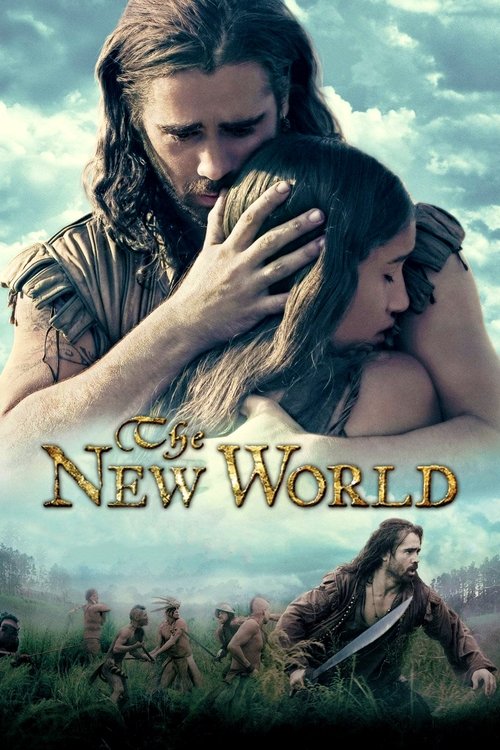
The New World2005
Malick again, this time pointing his camera at Jamestown and Pocahontas — same whispered voiceover, same sense of paradise about to be lost.
But Even slower than Days of Heaven, with a runtime that tests devotion.
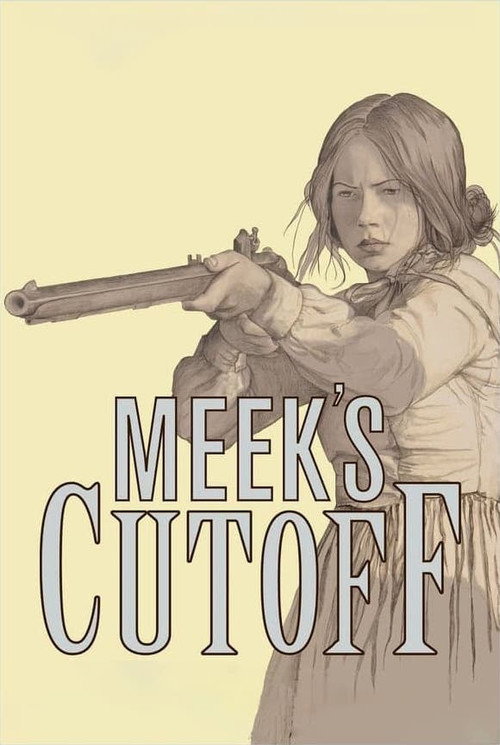
Meek's Cutoff2011
Kelly Reichardt's frontier drama shares that same unhurried, elemental dread — land as something indifferent to the people crossing it.
But Almost nothing happens by design; if you need incident, this will frustrate.
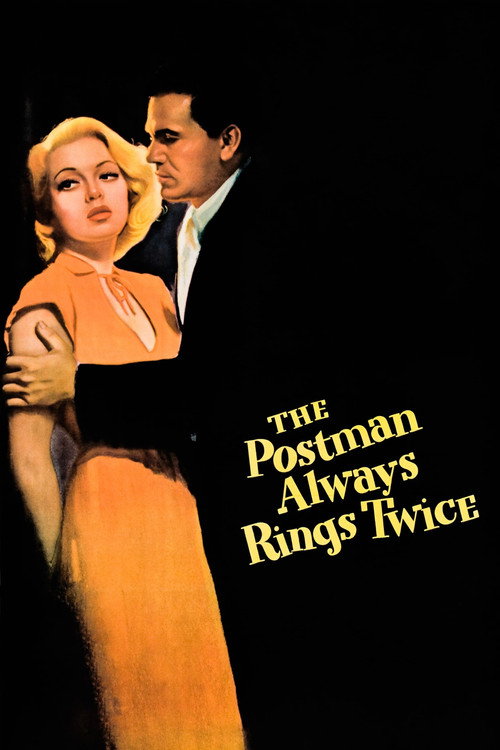
The Postman Always Rings Twice1946
It's the trashier, more explicit version of the exact triangle Malick keeps at a whisper: outsider, farmer, woman, and the lie that can't hold.
A drifter, a woman, a man in the way, and a plan that curdles — the same love-triangle engine as Days of Heaven, dropped into pure pulp noir.
But Broad, fast, and cynical where Malick is hushed and mournful — tonally almost the opposite film.
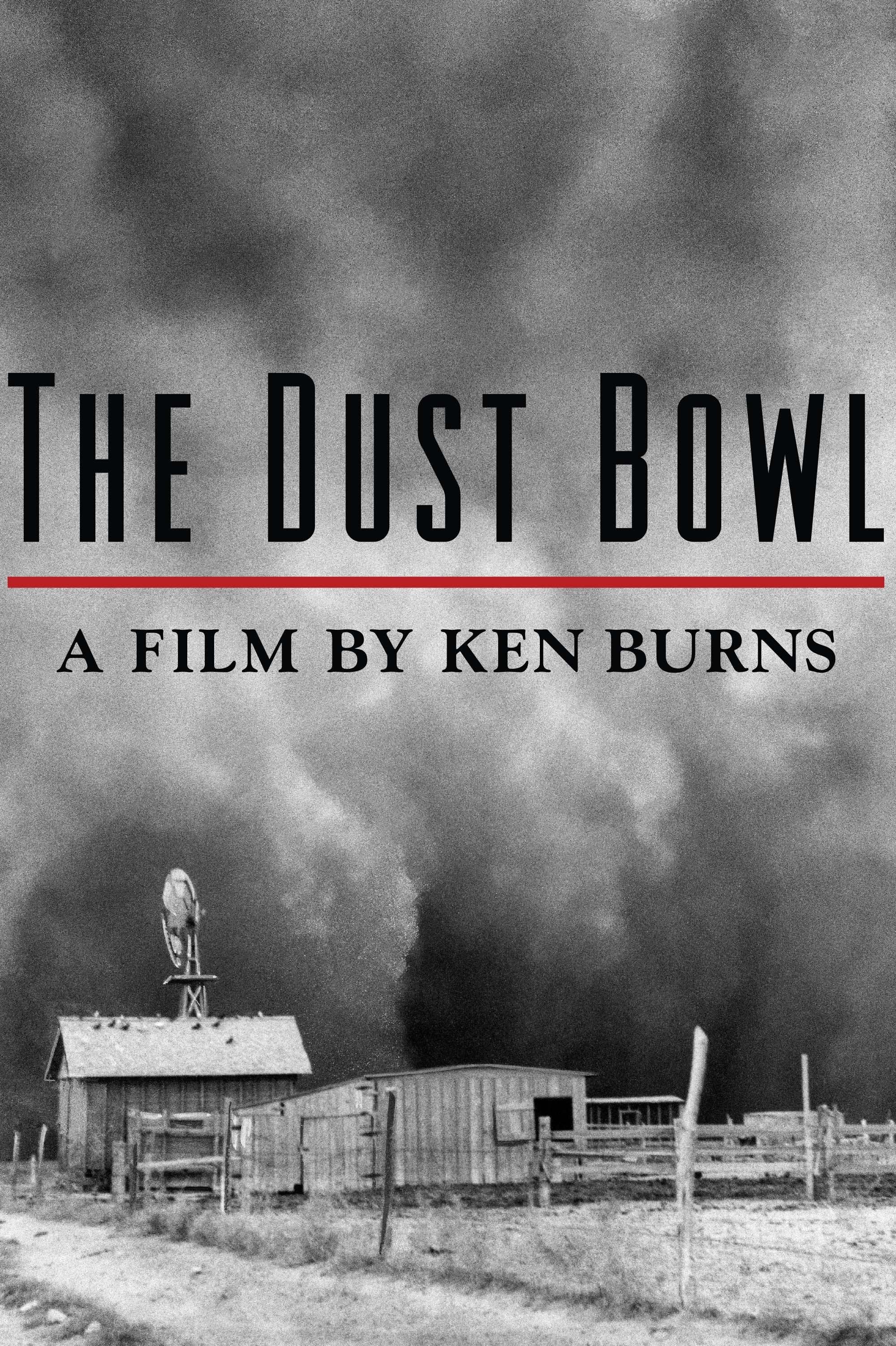
The Dust Bowl2012
Same land, same era, same crop — this is the nonfiction underside of Malick's golden fields, showing what actually happened to that world within a generation.
Ken Burns' documentary tells the real history behind the wheat and weather Malick photographs so beautifully — drought, dust, and the collapse of the world these characters depend on.
But It's a four-hour nonfiction miniseries with no romance and no drama — purely historical.
People
Cast
 Richard GereBill
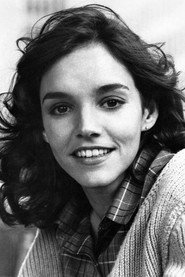 Brooke AdamsAbby
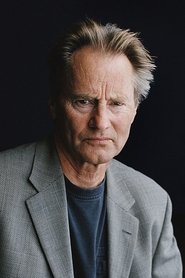 Sam ShepardThe Farmer
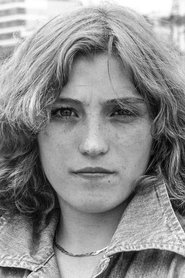 Linda ManzLinda
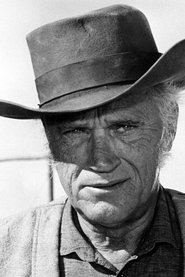 Robert J. WilkeThe Farm Foreman
- Jackie ShultisLinda's Friend
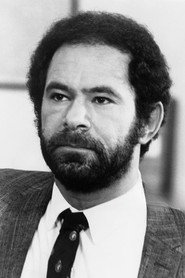 Stuart MargolinMill Foreman
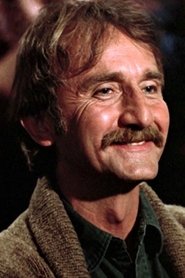 Timothy ScottHarvest Hand
- Gene BellDancer
- Doug KershawFiddler
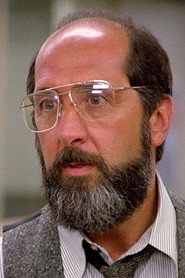 Richard LibertiniVaudeville Leader
- Frenchie LemondVaudeville Wrestler
Directing
- Terrence MalickDirector
- Skip CosperFirst Assistant Director
- Wallace C. BennettScript Supervisor
- Martin WaltersSecond Assistant Director
- Rob LockwoodSecond Assistant Director
- Jacob BrackmanSecond Unit Director
Writing
- Terrence MalickWriter
Production
- Dianne CrittendenCasting
- Barbara ClamanCasting Assistant
- Elinor RenfieldCasting Assistant
- Geno HavensCasting Assistant
- Judith LambCasting Assistant
- Karen ReaCasting Assistant
- Terry BoloCasting Assistant
- Jacob BrackmanExecutive Producer
- Bert SchneiderProducer
- Harold SchneiderProducer
- Les KimberProduction Manager
- Marilyn TassoProduction Secretary
- Nathalie SeaverResearcher
- Susan VermazenResearcher
- Coulter AdamsUnit Manager
Recommended by
Minari, McCabe & Mrs. Miller, The Last Picture Show, Mudbound, Beasts of the Southern Wild, Paris, Texas, The Tree of Life, The Assassination of Jesse James by the Coward Robert Ford, Meek's Cutoff, Sunrise: A Song of Two Humans, First Cow, The Yearling, The New World, Duel in the Sun, Of Mice and Men, The Plow That Broke the Plains, The Wind