
Film
Cimarron
Other titles called Cimarron: the 1931 film.
Cimarron is an epic Western that follows a restless newspaper man and his wife through the Oklahoma Land Rush and its aftermath. It's sprawling, ambitious, and interested in how frontier idealism collides with the messy business of building a civilization. For fans of big historical Westerns with moral complexity and a genuine sense of place.
If you liked this
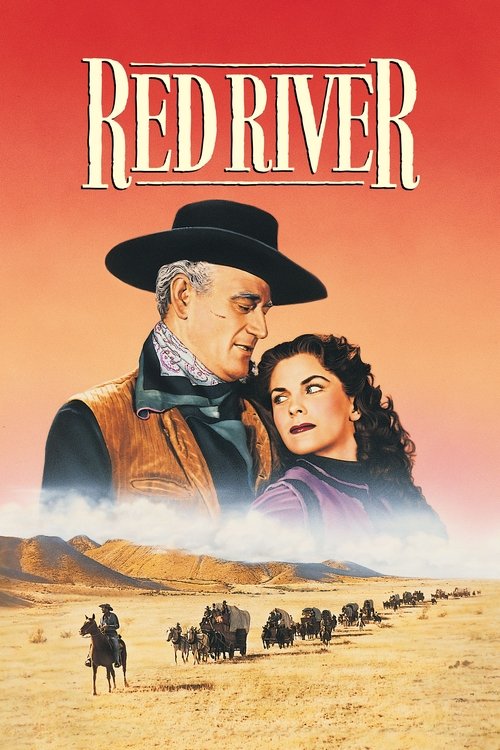
Red River1948
Hawks' masterpiece about a cattle drive that becomes a moral reckoning. Glenn Ford fans should see what he was up against—this is where John Wayne and Montgomery Clift create Western acting that still feels alive.
But It's a three-hour commitment from 1948, shot in black-and-white, with a pace that requires patience and attention.
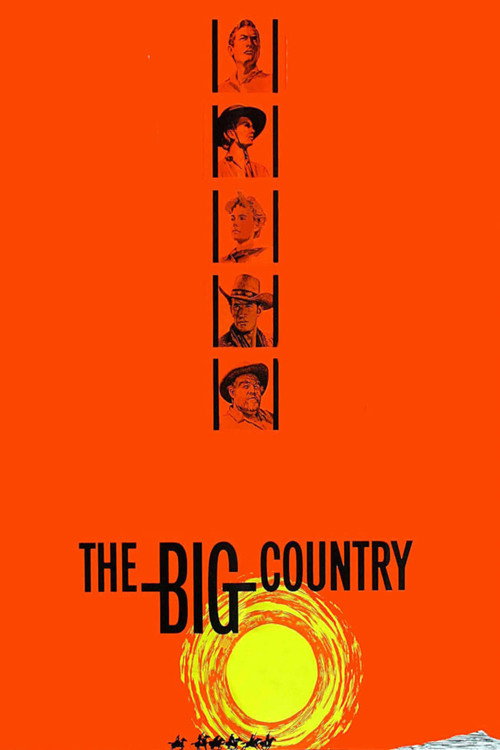
The Big Country1958
Another sprawling Western about competing visions of what the frontier should become. Like Cimarron, it has real intellectual weight beneath the action—these are people wrestling with principles, not just rustlers.
But It's also long and deliberately paced. The scale can feel theatrical rather than naturalistic.
Johnny Guitar1954
A Western that tears up the rulebook, built on the same frontier-building energy as Cimarron but from a completely different angle. Bold, weird, and narratively daring in ways most Westerns weren't attempting.
But It's genuinely strange and the tonal shifts might feel jarring. Not everyone connects with its particular brand of provocation.

Not sure tonight? Get a pick in a minute, starting from Cimarron
The wildcard
Something you would not have found on your own.
The Ballad of Little Jo1993
Both are serious historical Westerns about the cost of building a life on the frontier, but this one centers the stories that Cimarron's era had to leave out or marginalize.
A true story of a woman who lived as a man on the frontier, made in the 1990s with genuine historical research and moral complexity. It asks what Cimarron asks—what did the frontier actually demand of people?—but from the angle Cimarron couldn't access in 1960.
But It's quietly paced and deliberately unsexy, which some find slow. The revisionist approach might frustrate Western purists.

More like this (8)
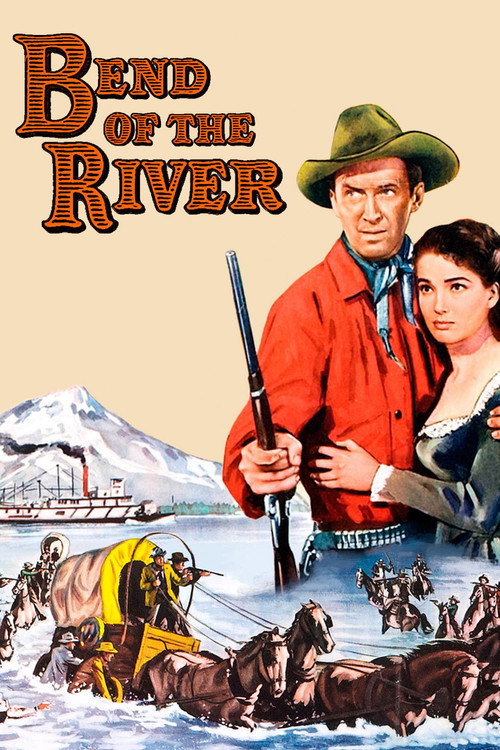
Bend of the River1952
Anthony Mann and James Stewart making a Western about settlement and compromise. It has Cimarron's interest in what it costs to build something from nothing, with sharper moral ambiguity.
But The Technicolor and the romance subplot feel dated now. Some pacing issues in the middle stretch.
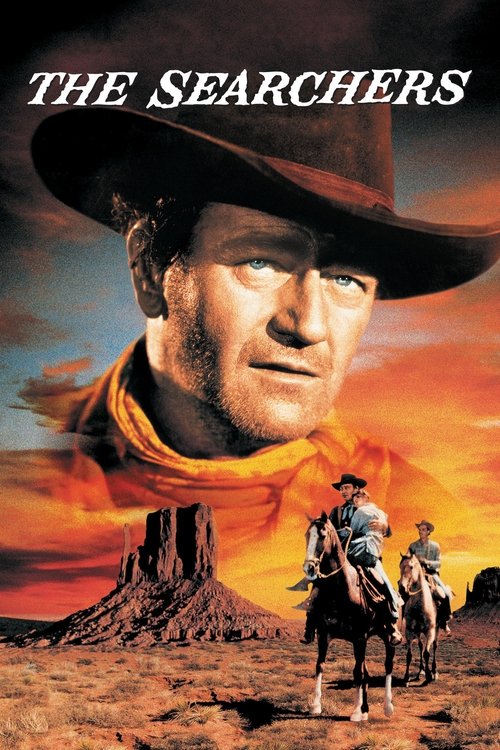
The Searchers1956
If you're interested in how Ford's generation made Westerns about America's founding myth, this is the dark mirror to Cimarron's more optimistic vision. An absolute masterpiece.
But It's bleak and morally unsettling in ways that can feel heavy. Some imagery hasn't aged well.
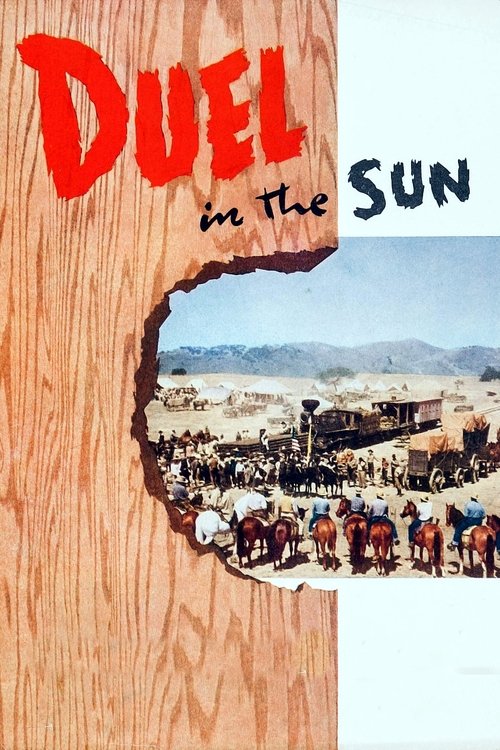
Duel in the Sun1946
Another David O. Selznick epic Western with Gregory Peck, built on passion and scale. If you liked Cimarron's ambitions as spectacle, this one goes even further into melodrama and romance.
But It's overwrought. Selznick's maximalism means nothing is subtle. The sexual content, daring for 1946, now reads as confused.
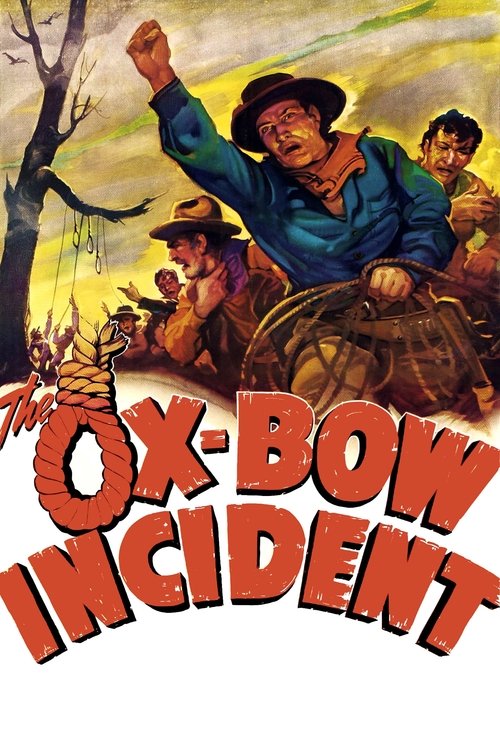
The Ox-Bow Incident1943
A tight, brutal Western about frontier justice and mob rule. Shares Cimarron's interest in how civilization forms (or fails to), but with a lean, urgent narrative that cuts to the bone.
But At under two hours, it's concentrated and relentless. The bleakness might feel punitive if you're expecting adventure.
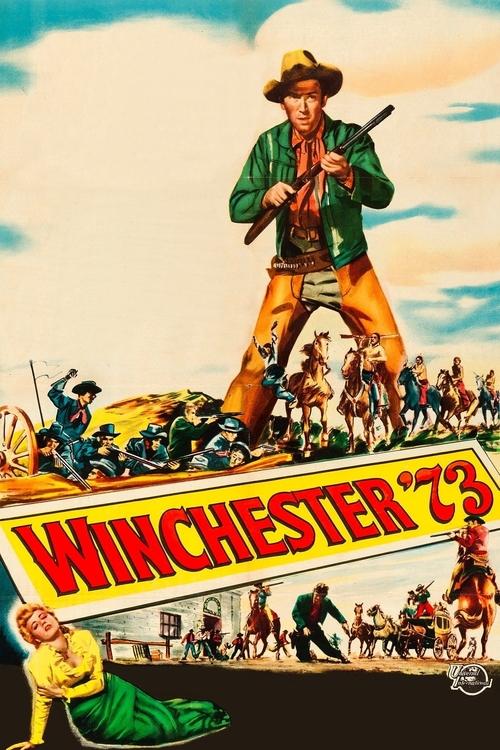
Winchester '731950
Mann and Stewart again, this time making a stripped-down Western that follows an object rather than a hero. Different approach to the same era and concerns as Cimarron, and endlessly inventive formally.
But It's episodic and sometimes feels like a series of sketches rather than a unified narrative.
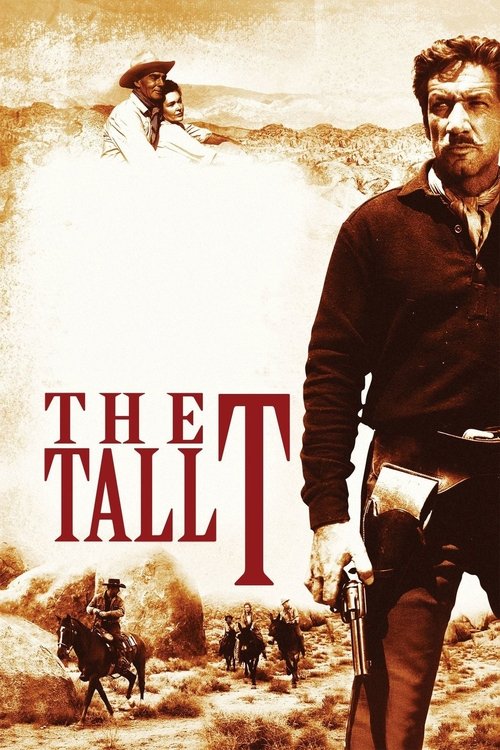
The Tall T1957
A lean, intelligent Western about negotiation and masculine codes. Less sprawling than Cimarron but equally interested in how men decide to live and what they'll compromise for.
But It's a B-movie scope and budget shows. Scott's performance can feel mannered to modern eyes.
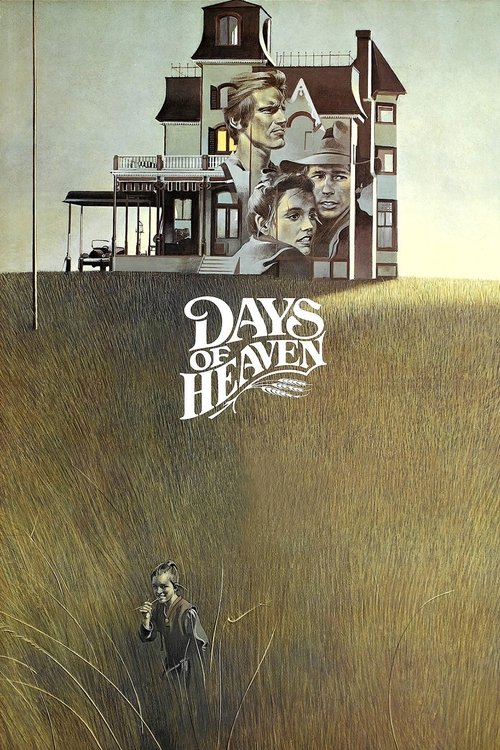
Days of Heaven1978
Both are lyrical epics about how people attach themselves to land and what that attachment costs. This one just dispenses with narrative convention to get there.
Terrence Malick's film about migrant workers and land ownership in the Texas Panhandle. It has Cimarron's epic scope and its interest in how people relate to the land, but filtered through pure visual poetry and moral questioning.
But It's almost entirely visual and philosophical. There's no plot in the conventional sense. The narration can feel precious.
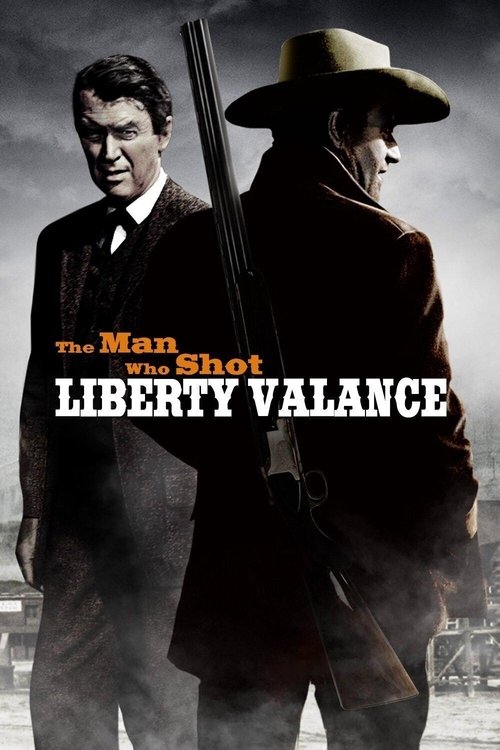
The Man Who Shot Liberty Valance1962
Made in 1962, just two years after Cimarron, this is John Ford asking whether the frontier mythology Cimarron celebrates is even true, and concluding it isn't.
Ford's late reflection on the Western myth and how civilization actually arrives—through lies and compromise, not heroism. It's a black-and-white elegy for Cimarron's world, and it's devastating.
But It's elegiac and sad in a way that can feel like the director telling you what to feel. The black-and-white studio look feels claustrophobic after Cimarron's landscape.
People
Cast
 Glenn FordYancey 'Cimarron' Cravat
 Maria SchellSabra Cravat
 Anne BaxterDixie Lee
 Arthur O'ConnellTom Wyatt
 Russ TamblynWilliam Hardy, The Cherokee Kid
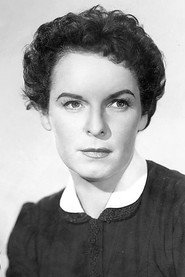 Mercedes McCambridgeMrs. Sarah Wyatt
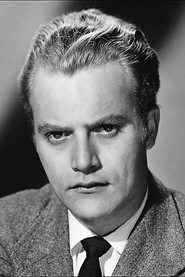 Vic MorrowWes Jennings
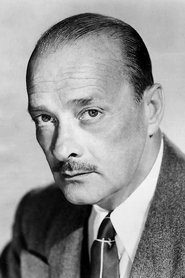 Robert KeithSam Pegler
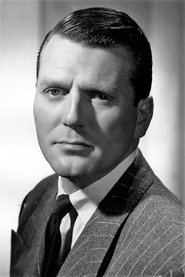 Charles McGrawBob Yountis
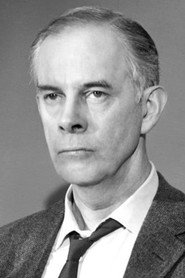 Harry MorganJessie Rickey
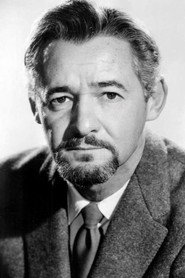 David OpatoshuSol Levy
 Aline MacMahonMrs. Mavis Pegler
Directing
- Hank MoonjeanAssistant Director
- Ridgeway CallowAssistant Director
- Charles WaltersCo-Director
- Anthony MannDirector
- Carl RoupSecond Assistant Director
Writing
- Edna FerberNovel
- Arnold SchulmanScreenplay
Production
- Edmund GraingerProducer