
Film
Bend of the River
A frontier redemption story with real muscle. James Stewart leads settlers to Oregon as a man trying to bury his past, but temptation and betrayal test whether he's truly changed. It's a Western that cares about character and moral consequence, moving with purpose and shot in rich Technicolor that makes the landscape itself a force.
Should you watch it?
Watch it if you love a 1950s Western where the moral struggle sits in a hard-bitten man's conscience, with gorgeous Technicolor mountain vistas and a steady, unhurried pull toward its frontier action.
Skip it if you want a fast, lean shoot-'em-up; this one takes its time with trail-camp talk and loyalty debates between set-piece confrontations, and the stakes build slowly.
What it asks of you: Roughly ninety minutes of patient, handsome storytelling, where the quiet scenes on the trail carry as much weight as the gunfights and you have to stay with the characters' doubts.
Not sure? Find tonight's pick in a minute.
If you liked this
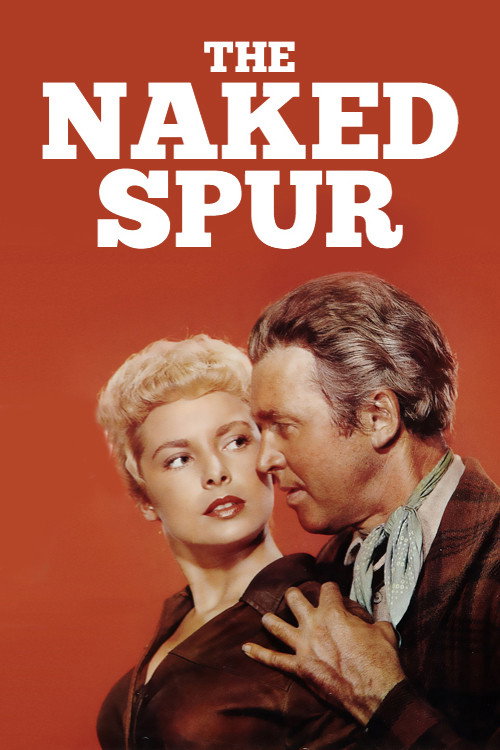
The Naked Spur1953
Stewart reunites with director Anthony Mann for another lean, psychologically complex Western about a bounty hunter with something to prove. The moral ambiguity cuts deeper than most Westerns of the era.
But It's a smaller, quieter film than you might expect—long stretches are just men walking and talking, which can feel glacial if you want constant action.
Johnny Guitar1954
Joan Crawford leads a Western where character and past trauma matter more than gunfights. It's strange, visually daring, and completely unconcerned with genre convention. A true oddity from a master.
But The gender dynamics and tone are so unconventional it can feel almost perverse. Some scenes play as genuinely uncomfortable, which is intentional but not everyone's comfort zone.

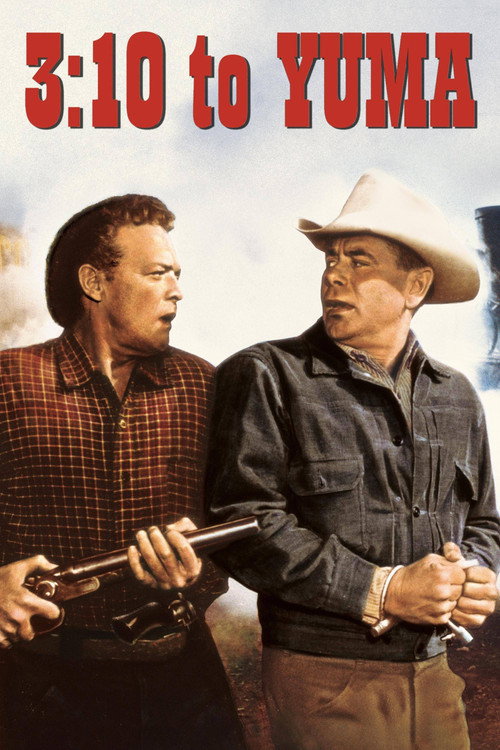
3:10 to Yuma1957
Two men with competing moralities locked in a tense psychological duel. It's essentially a Western chamber piece—claustrophobic, dialogue-driven, and fascinated by what makes someone keep their word.
But The pacing is deliberately slow and the stakes are mostly internal. If you need clear heroics or broad action, this will feel like watching paint dry.
Not sure tonight? Get a pick in a minute, starting from Bend of the River
The wildcard
Something you would not have found on your own.
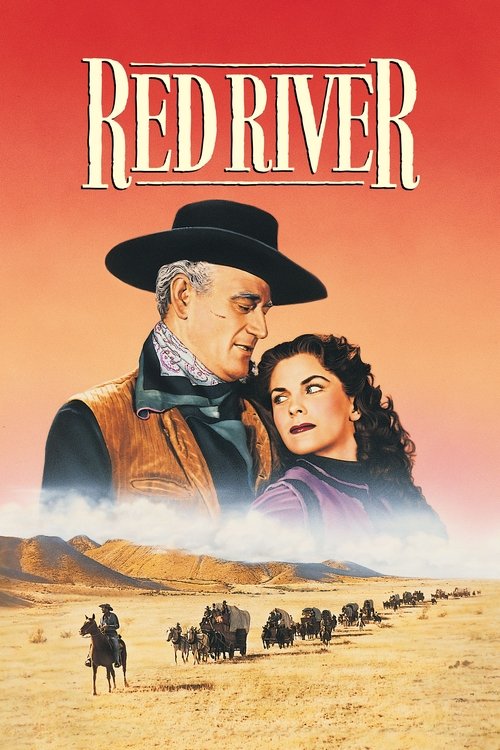
Red River1948
Both explore how a man with a past tries to hold authority over others and what happens when his will collides with their independence. Both are about the difference between surviving and truly changing.
John Wayne as a cattle baron driven mad by obsession, Howard Hawks' masterpiece about power, succession, and the violence underneath patriarchal authority. It's a Western that understands tyranny from the inside.
But Wayne plays against type as a genuinely terrible man, which alienates people who want him heroic. The film's moral world is bleak and the ending ambivalent.
More like this (8)
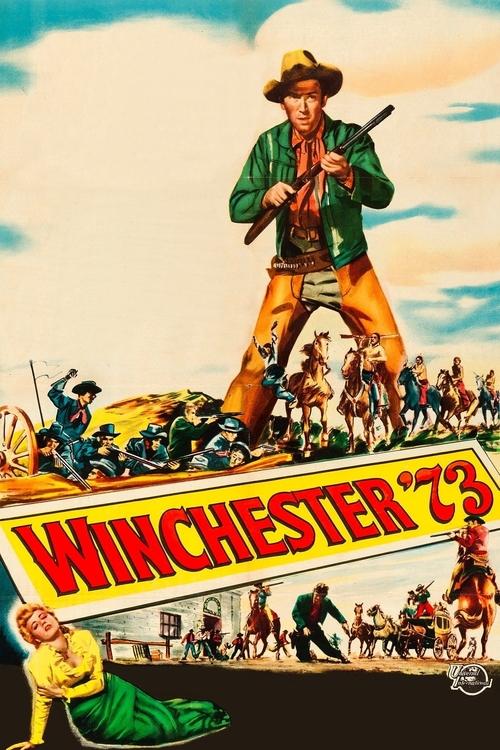
Winchester '731950
Another Mann-Stewart collaboration and genuinely great. A rifle passes through multiple hands, each owner revealing something about ambition, desperation, and frontier justice. Propulsive and beautifully constructed.
But It's built like a crime caper more than a traditional Western, which some find cold or overly mechanical compared to character-driven stories.
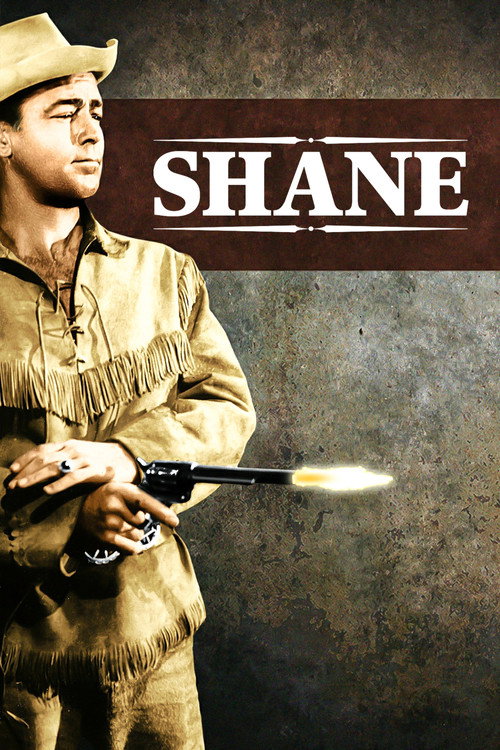
Shane1953
A gunslinger arrives at a homestead and upends everyone's life. It's mythic and elegiac, shot in gorgeous color, and genuinely moving about how violence intrudes on peace and innocence.
But The sentimentality is thick and the pacing deliberate. If you find yourself impatient with Westerns that pause for beauty, this won't convert you.
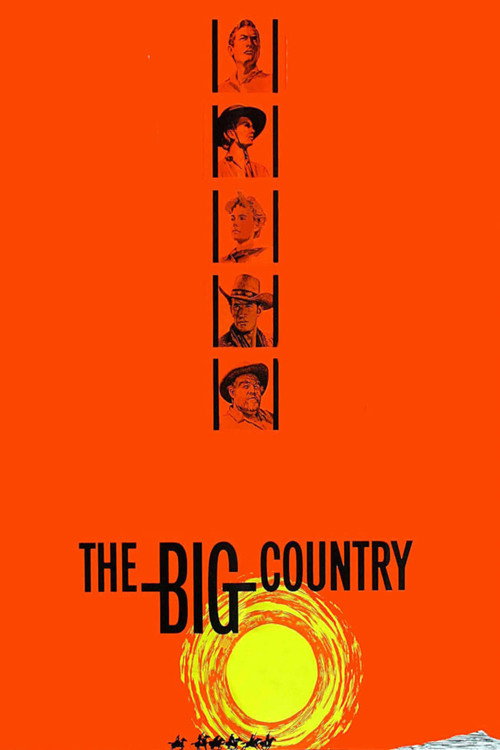
The Big Country1958
Epic and ambitious, with a man caught between two powerful families fighting over land and pride. It's got humor, spectacle, and real emotional stakes. A big-hearted film that trusts its characters.
But At over two hours it's genuinely sprawling, and some subplots feel tangential. The pacing demands patience even when it's rewarding.
The Ballad of Little Jo1993
A woman survives the frontier by living as a man, and the film treats her choice with complete seriousness rather than scandal. It's revisionist Western filmmaking that's also genuinely moving and strange.
But The tone is austere and deliberately unglamorous. There's no music score, the palette is desaturated, and it can feel deliberately resistant to enjoyment.

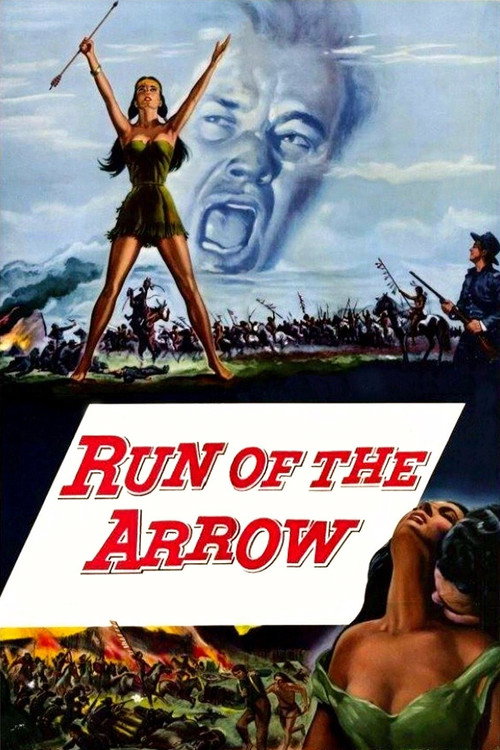
Run of the Arrow1957
A Union deserter joins a Sioux tribe after the Civil War ends, and the film genuinely interrogates allegiance and belonging. It's Sam Fuller's most daring Western—idiosyncratic, searching, and uncompromising.
But Fuller's style is aggressive and sometimes chaotic. The narrative can feel deliberately fractured, and the racial politics, while progressive, are complicated by their era.
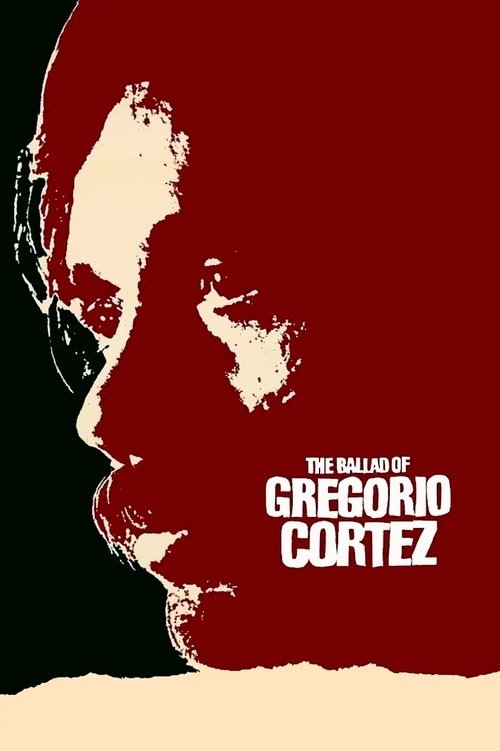
The Ballad of Gregorio Cortez1983
Based on a true story, a Mexican-American man flees across Texas after a killing. It's a Western about injustice and cultural displacement, made with remarkable restraint and moral clarity.
But It's quiet and episodic, structured as a pursuit that doesn't build to spectacle. The power is in the ideas, not the momentum.
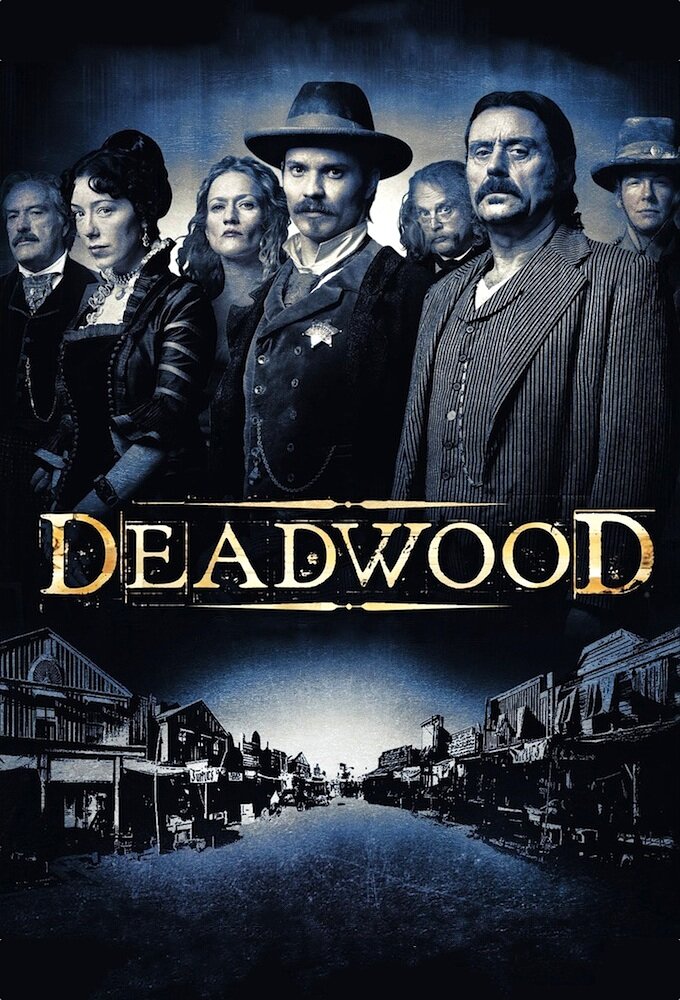
Deadwood2004
Like Bend of the River, it's fascinated by men with pasts trying to build community and legitimacy in lawless territory. But where Stewart's film is about individual redemption, Deadwood asks whether redemption is even possible in a corrupt system.
A profane, Shakespearean chronicle of a gold-rush camp where language is currency and every conversation is negotiation. David Milch's masterpiece about civilization, power, and the stories we tell to make sense of chaos.
But The dialogue is relentlessly baroque and profane—it demands active attention. Some find it exhausting rather than brilliant, and the narrative sprawls rather than resolves.
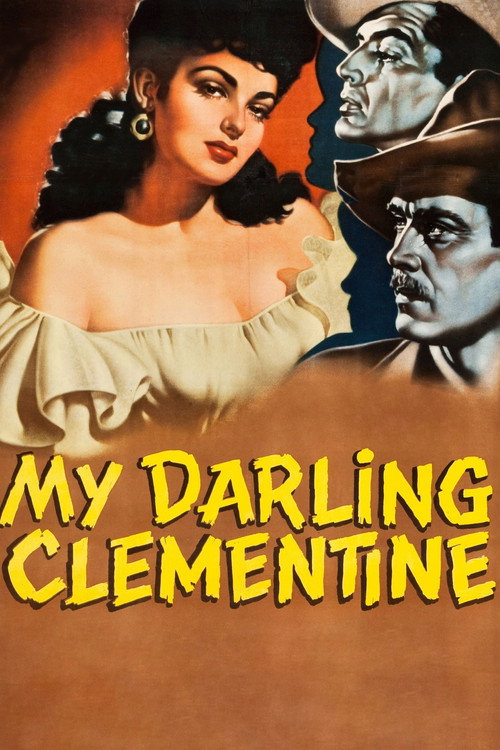
My Darling Clementine1946
Both are about men trying to establish legitimacy and build something lasting in untamed land. Both use landscape not as backdrop but as moral weight—the river, the desert, the territory itself resists civilization.
John Ford's poetic Western about order imposed on chaos, built around the Wyatt Earp legend but transformed into something mythic. Quiet, beautifully composed, obsessed with civilization as fragile performance.
But Ford's romanticism about frontier life and law-and-order won't appeal to those skeptical of Westerns as mythology. The pacing is deliberately unhurried and the drama internal.
People
Cast
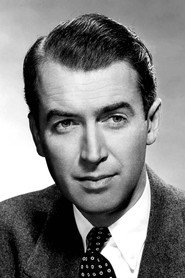 James StewartGlyn McLyntock
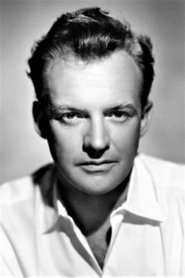 Arthur KennedyEmerson Cole
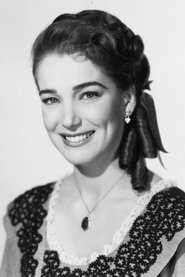 Julie AdamsLaura Baile
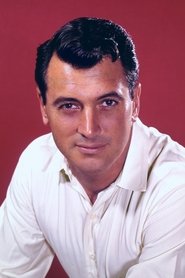 Rock HudsonTrey Wilson
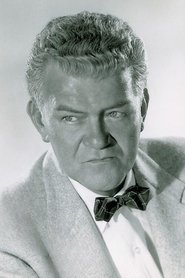 Jay C. FlippenJeremy Baile
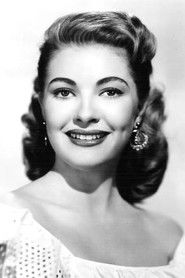 Lori NelsonMarjie Baile
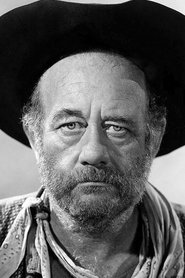 Chubby JohnsonCap'n Mello
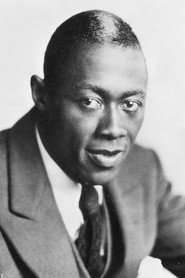 Stepin FetchitAdam
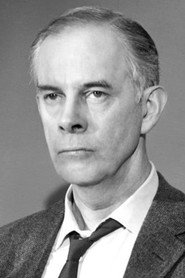 Harry MorganShorty
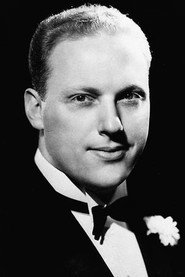 Howard PetrieTom Hendricks
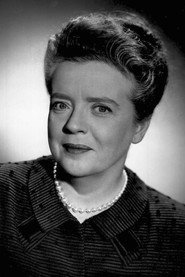 Frances BavierMrs. Prentiss
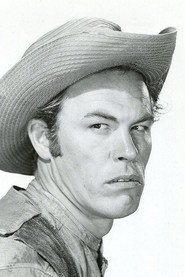 Jack LambertRed
Directing
- John SherwoodAssistant Director
- Anthony MannDirector
Writing
- William GulickNovel
- Borden ChaseScreenplay
Production
- Frank CleaverAssociate Producer
- Phil BenjaminCasting
- Aaron RosenbergProducer
- Lew LearyUnit Production Manager
Recommended by
Cimarron, Fort Apache, Sergeant York, Devil's Doorway, The Big Sky, Captains Courageous, The Man from Laramie, Westward the Women, Union Pacific, Branded, The Naked Spur, Man of the West, My Pal Trigger, The Stalking Moon, The Savage Innocents, Strategic Air Command, King of the Wild Stallions, Pony Soldier, Silver Lode, Northwest Passage, The Halliday Brand, The Mountain, Dodge City, White Cargo, The Big Trees, Cheyenne Autumn, Lydia Bailey, Gentle Annie, Hondo, The Unforgiven, Wild River, River of No Return, Day of the Outlaw, The Last Wagon, Apache, Gunplay, Elephant Walk, The Last Hunt, Pursued, The Far Country, The Restless Breed, Canyon Passage, The Rare Breed, The Way West, The Young Land, Roseanna McCoy, The Westerner, Arizona, The Lusty Men, Bad Bascomb, The Savage, Virginia City, The King and Four Queens, The Girl Next Door, Westbound, The Great Locomotive Chase, A Distant Trumpet, Gunfire at Indian Gap, The Great Man's Lady, Gunfighters of the Northwest, Warpath, Canadian Pacific, Black Bart, The Sundowners, In Old California, Gunfighters, Desert Gold, Johnny Tiger, The Violent Men, The Outlaw, Column South, Boom Town, The Spoilers, Daniel Boone, Backlash, Call of the Wild, Passion, Heaven Only Knows, The Guy Who Came Back, Frontier Gal, The Far Frontier, The McConnell Story, Fort Worth, Back to God's Country, The Deadly Companions, Riders of Destiny, Johnny Concho, Beneath the 12-Mile Reef, The Outcast, Winning of the West