
Film
The Man from Laramie
A taut, intelligent western about a drifter arriving in a small town with a hidden agenda, only to become entangled in the secrets and rivalries of a powerful ranching family. James Stewart gives one of his finest performances—steely, morally uncertain, compelled by something darker than justice. The film is beautifully shot in VistaVision and moves with the precision of a Greek tragedy. It's for anyone who wants their westerns with intelligence, tension, and psychological depth.
Should you watch it?
Watch it if you love slow-burning westerns where a stranger's quiet obstinacy slowly turns a whole town's secrets into a personal grudge, and Stewart's hard-edged restlessness is reason enough.
Skip it if you want brisk action or a tidy plot, since it circles its family mysteries patiently and its dialogue-heavy scenes can feel talky before the tension finally tightens.
What it asks of you: It runs about an hour and forty-three minutes, and it takes its time, rewarding patience with a lot of watching people look at each other across dusty rooms.
Not sure? Find tonight's pick in a minute.
If you liked this
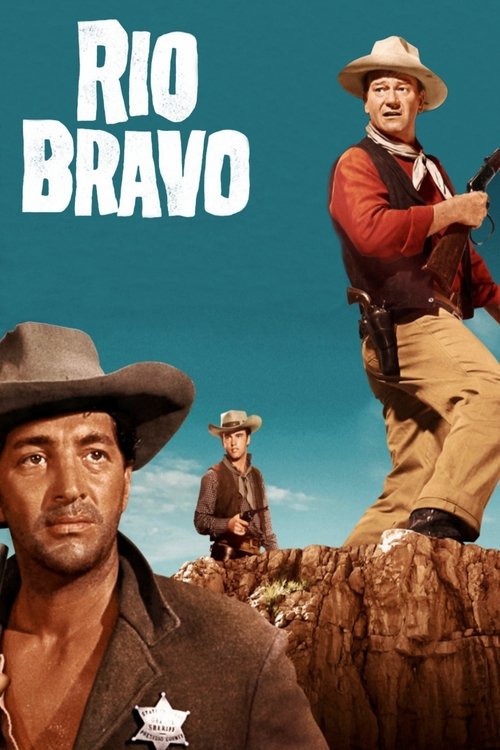
Rio Bravo1959
Howard Hawks' masterpiece about a sheriff and his ragtag allies holding a jail against siege. It has the same leisurely build of tension, the same focus on character over gunfights, and the same faith in quiet competence over heroic speeches.
But It's 141 minutes long and some stretches move slowly—there's a scene with a song that will test your patience, and the ending is almost anticlimactic on purpose.
Johnny Guitar1954
Nicholas Ray's baroque, almost operatic western about desire and power, with Joan Crawford as a woman who runs a saloon and a gang. Like Laramie, it's interested in twisted family dynamics and what people will do to protect what they've built.
But It's strange and mannered in ways that can feel affected, with colour that's sometimes garish and a tonal register that shifts between campy and genuinely dark.

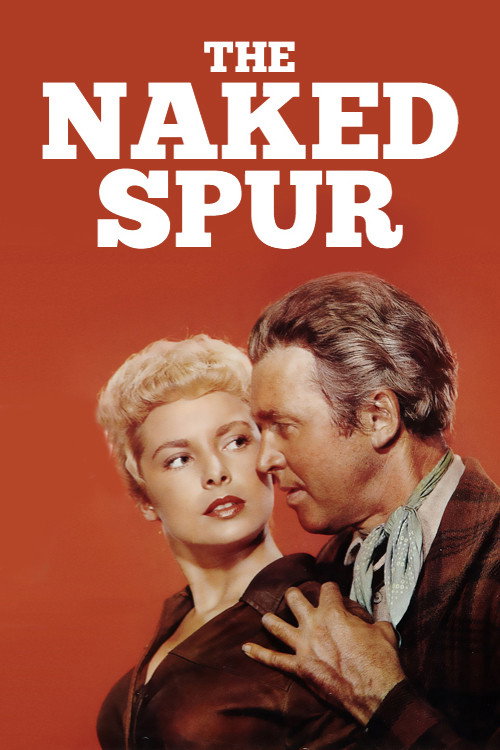
The Naked Spur1953
Anthony Mann and James Stewart's earlier collaboration is leaner and even nastier—a bounty hunter escorts a wanted man back across harsh terrain with only greed and paranoia to bind the group. It has the same moral murk and Stewart in an equally unsettling register.
But It's grim throughout with little relief, and some of the violence—particularly toward women—plays as ugly in ways that might feel gratuitous rather than purposeful.
Not sure tonight? Get a pick in a minute, starting from The Man from Laramie
The wildcard
Something you would not have found on your own.
The Ballad of Little Jo1993
Both films use the western landscape and isolation to examine identity and the performances we undertake to survive in communities built on violence and exclusion.
A woman in 1866 dresses as a man to survive in the wilderness. Like Laramie it's about performance and survival in hostile communities, but instead of a man's secrets it's about the performance of gender itself. It shares Laramie's VistaVision beauty and its refusal to sentimentalize the frontier.
But It's austere and formally restrained, with long passages without dialogue. If you want narrative momentum or emotional catharsis you'll be frustrated.

More like this (8)
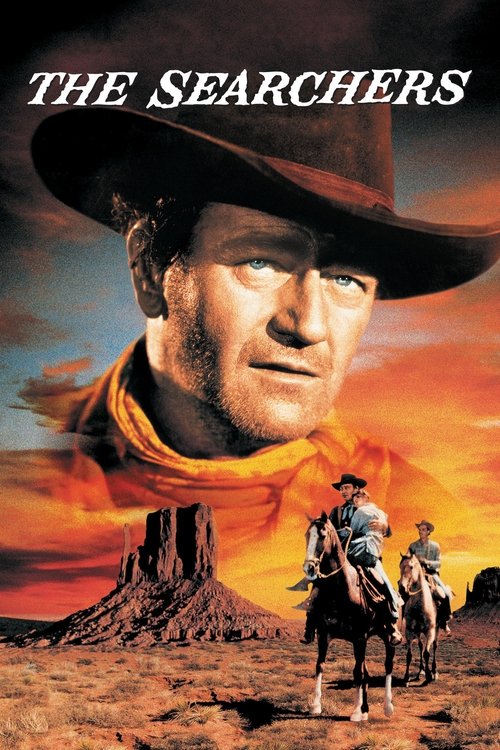
The Searchers1956
John Ford's masterwork about obsession and racism, with John Wayne as a man consumed by rage and vengeance. It shares Laramie's willingness to complicate its protagonist and to use the western landscape as a mirror for inner moral darkness.
But Wayne's performance can read as mannered to modern audiences, and the film's attitudes toward its Native American characters, while complex, are still products of their era in ways that don't always age gracefully.
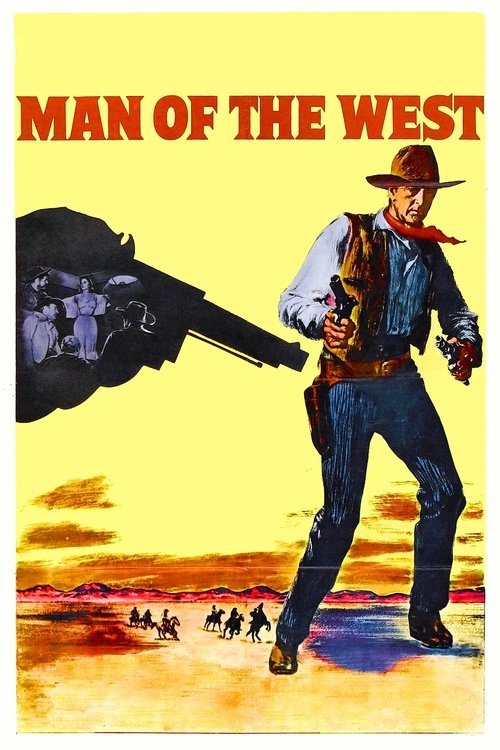
Man of the West1958
Anthony Mann again, this time with Gary Cooper as a reformed outlaw forced to confront his violent past. It has Laramie's architecture—a man arrives with secrets, family entanglement, moral compromise—and a similar willingness to let violence be consequential and ugly.
But It's slower than you'd expect and the climax is brutal and unglamorous in ways that can feel more horrifying than satisfying.
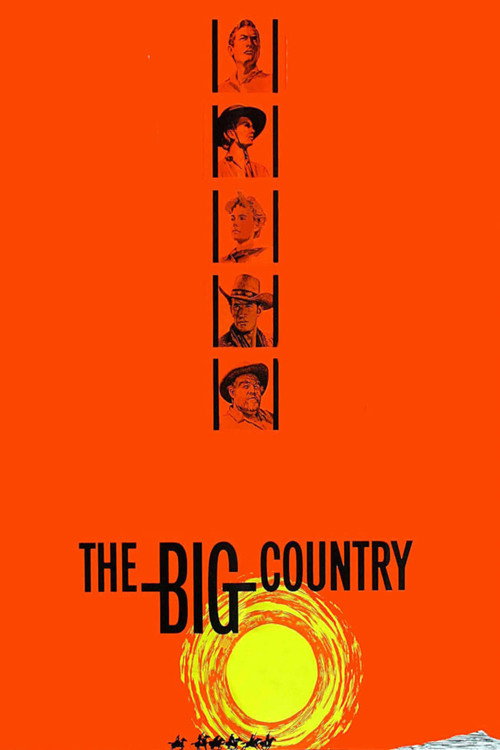
The Big Country1958
William Wyler's epic about a sea captain arriving in Texas and caught between two feuding families. It's got the same newcomer-into-entrenched-conflict structure and the same interest in how communities calcify around old grievances.
But At 166 minutes it's baggy, and some of the personal dynamics drag while the spectacle tries to compensate.
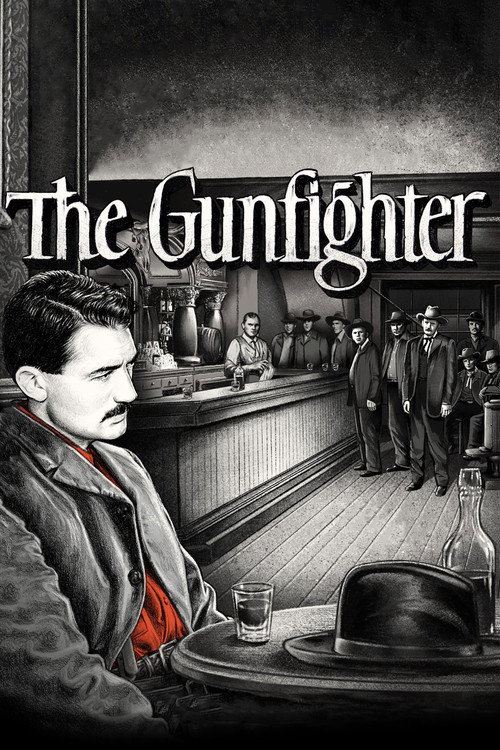
The Gunfighter1950
Henry King's chamber piece about a notorious gunslinger wanting to settle down but haunted by his reputation. It's small-scale and psychological like Laramie, interested in how violence echoes and how a man can be trapped by what he's already done.
But Very little happens—it's almost a stage play, and if you need action or forward momentum you'll find it static.
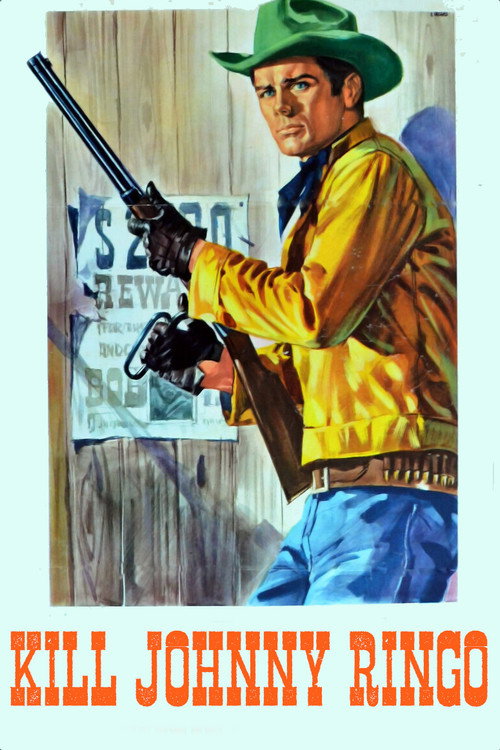
Kill Johnny Ringo1966
John Farrow's tense, underrated western about a gang arriving in a town and the moral pressure they apply. It shares Laramie's interest in how power corrupts a community and in the small humiliations that lead to larger violence.
But It's obscure for a reason—the craft is solid but nothing exceptional, and it doesn't quite transcend its B-movie origins.
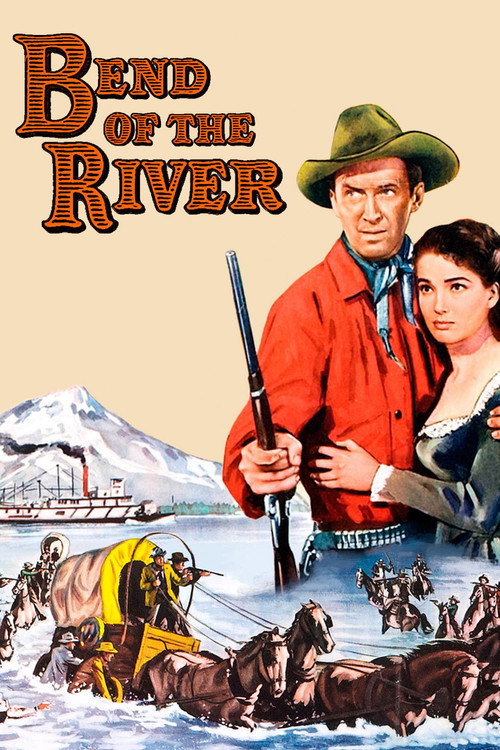
Bend of the River1952
Another Mann-Stewart collaboration, this one about a reformed outlaw leading a wagon train and betrayed by someone from his past. It has that same dark Stewart energy and the same sense that civilization is always just barely holding back chaos.
But The opening theft plot and the later betrayal feel slightly schematic, and the film doesn't quite achieve the tragic inevitability that makes the best Mann westerns sing.
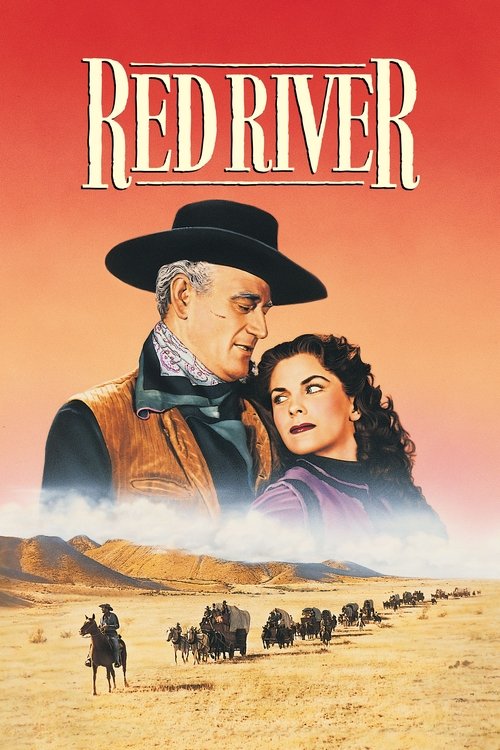
Red River1948
Like Laramie, it's a western that uses landscape and hard men to examine how violence becomes habitual, and how family (chosen or otherwise) becomes a site of psychological warfare.
Howard Hawks' monumental cattle-drive film with John Wayne and Montgomery Clift. It's about power, obsession, and the corrupting effect of authority—a man hardens into tyranny over a thousand miles of prairie, and the only resistance comes from someone he loved.
But The ending feels imposed rather than earned, and the gender politics are non-existent—women exist only as reward or prize.
Killer of Sheep1978
Both films use their form and landscape to explore how a man becomes compromised by the work required to survive, and how that compromise hollows him out spiritually.
Stan Brakhage's experimental film about a man working in a slaughterhouse, framed in fragments and silence. It's a western about labor and degradation shot in 1970s Watts. It shares Laramie's interest in moral exhaustion and how violence—whether frontier gunfights or industrial butchery—hardens a man from the inside.
But It's barely narrative and shot on 16mm in black and white, with no dialogue for long stretches. It requires patience and patience of a very different kind than a traditional film.
People
Cast
 James StewartWill Lockhart
 Arthur KennedyVic Hansbro
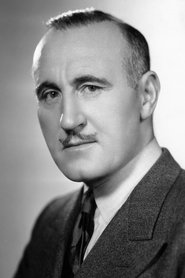 Donald CrispAlec Waggoman
 Cathy O'DonnellBarbara Waggoman
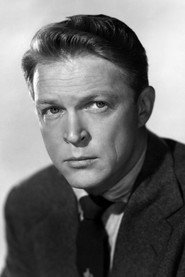 Alex NicolDave Waggoman
 Aline MacMahonKate Canaday
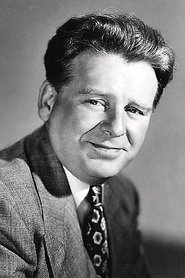 Wallace FordCharley O'Leary
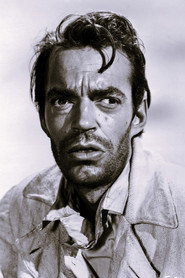 Jack ElamChris Boldt
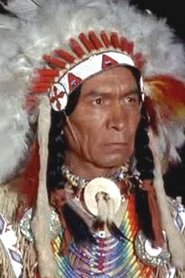 John War EagleFrank Darrah
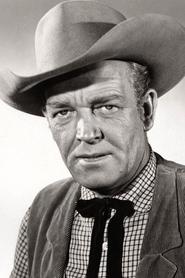 James MillicanTom Quigby
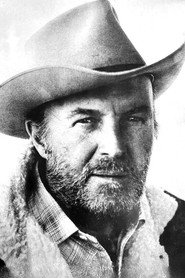 Gregg BartonFritz
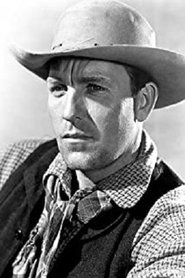 Boyd StockmanSpud Oxton
Directing
- William HollandAssistant Director
- Anthony MannDirector
Writing
- Frank BurtScreenplay
- Philip YordanScreenplay
- Thomas T. FlynnShort Story
Production
- William GoetzProducer
Recommended by
Wyatt Earp, Duel in the Sun, Pale Rider, Rancho Notorious, Devil's Doorway, Apache Gold, Lonely are the Brave, Branded, Viva Zapata!, The Savage Innocents, Pony Soldier, The Halliday Brand, The Plainsman, The Big Trees, The Bravados, The Duel at Silver Creek, Comanche Station, River of No Return, The Deputy, Rio Conchos, One-Eyed Jacks, The Lonely Man, The Quick Gun, Colorado Territory, The Far Country, The Restless Breed, Canyon Passage, Arizona, Tumbleweeds, Bad Bascomb, Barbarosa, The Oregon Trail, Santa Fe Trail, The Adventures of Wild Bill Hickok, Fort Massacre, Tribute to a Bad Man, A Distant Trumpet, Hombre, Gunfighters of the Northwest, Man Without a Star, Warpath, Blood on the Moon, Springtime in the Sierras, The Violent Men, The Outlaw, The Spoilers, 7 Men from Now, Old Los Angeles, Daniel Boone, Backlash, Buchanan Rides Alone, The Vanishing American, The Blue Hotel, The Outcast