
Film
The Far Country
The Far Country is a 1954 western that transplants frontier cynicism to the frozen Klondike. James Stewart plays a self-interested cattle driver who'd rather profit than help anyone, forced into reluctant heroism by circumstances and a woman's decency. It's elegant, funny, and gorgeously shot—a film about how decent people get made, not born.
If you liked this
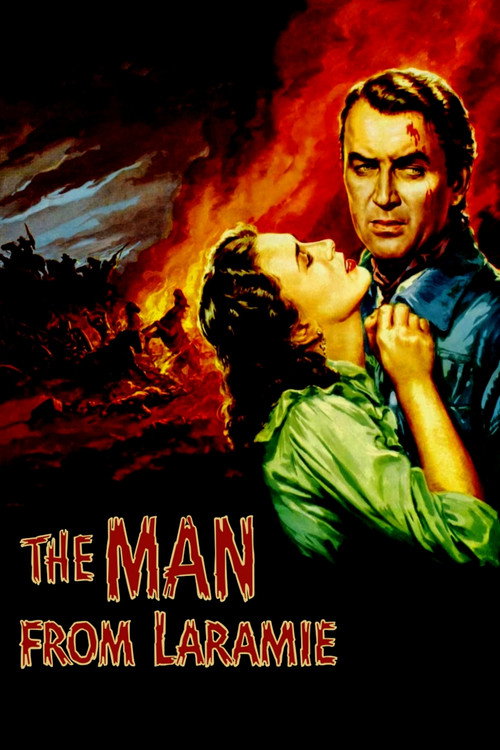
The Man from Laramie1955
Stewart again, but harder and more consumed by vengeance. Mann's direction is even more assured, the Wyoming landscape more brutally used. Essential follow-up if you want to see where this trajectory leads.
But Older western fans might find the moral ambiguity and violence more severe than they expect from the era. It's uncompromising.
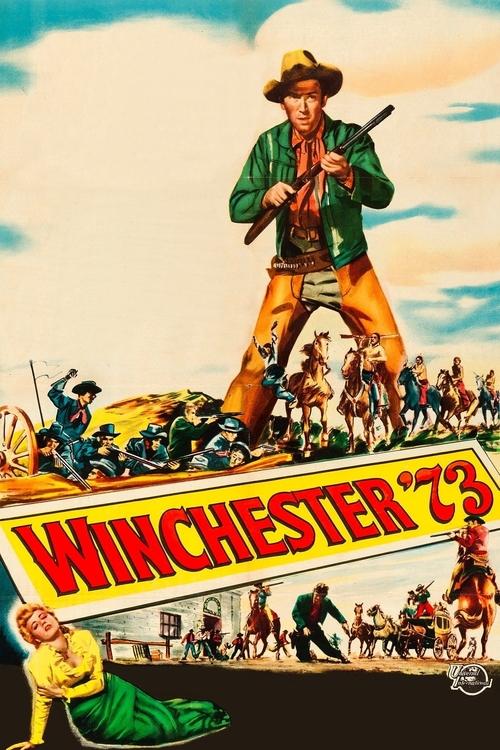
Winchester '731950
The first Stewart-Mann collaboration, equally masterful. A rifle passes through many hands, each owner revealing something about frontier morality. Lean, intelligent, and endlessly rewatchable.
But The plot is episodic rather than driving toward one goal. Some find that scattered feeling frustrating on first viewing.
Johnny Guitar1954
Released the same year, equally audacious in its refusal to follow western convention. Joan Crawford leads, the outlaw code is questioned, and Nicholas Ray directs with weird, operatic intensity.
But It's genuinely strange in ways that alienate viewers expecting a normal shoot-out film. The tone is deliberately artificial.

Not sure tonight? Get a pick in a minute, starting from The Far Country
The wildcard
Something you would not have found on your own.
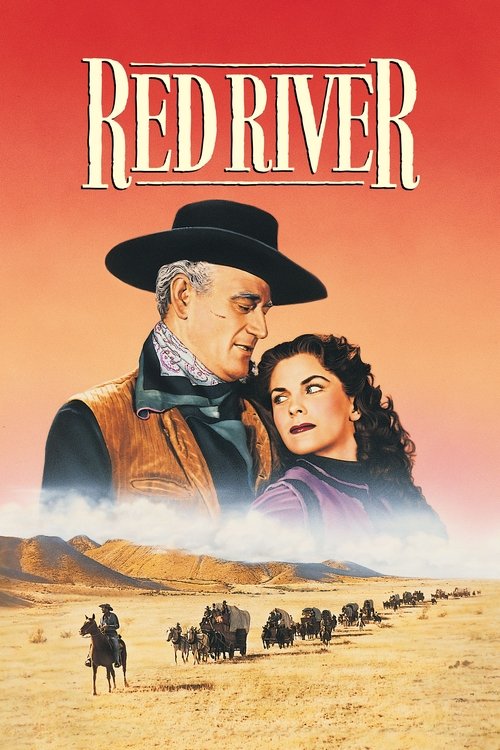
Red River1948
Both films use cattle drives and northern routes as crucibles for moral education. Both feature self-interested men forced to reckon with loyalty and community.
Hawks' masterpiece, with John Wayne driving a cattle herd north. Like Stewart's Jeff Webster, Wayne plays a man learning that self-interest has limits, but Hawks goes darker—the cost is higher, the lesson harder won. A structural and thematic ancestor that predates The Far Country.
But The father-son conflict becomes almost operatic in its intensity. Some find Wayne's arc too bitter for the material, and the climactic fight jarring.
More like this (8)
The Ballad of Little Jo1993
A woman passes as a man to survive the frontier—a quiet, unsentimental interrogation of gender and identity that honors rather than patronizes its subject. Maggie Greenwald's direction is assured and spare.
But It's deliberately muted in emotional register. No rousing scenes, no catharsis. Some experience that as cold rather than thoughtful.

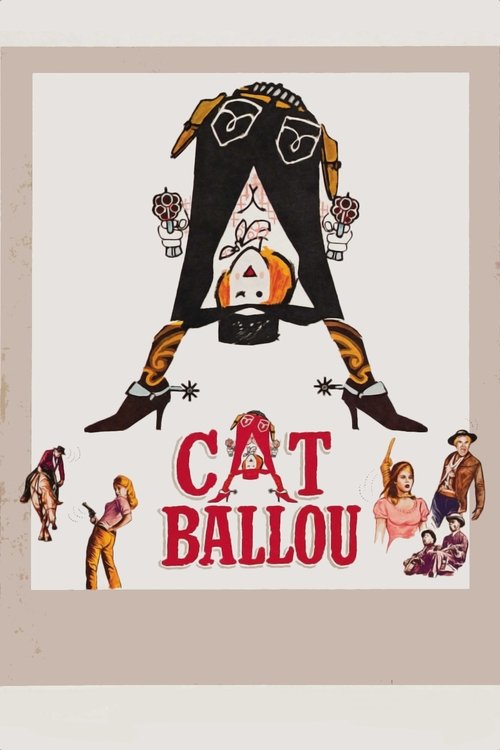
Cat Ballou1965
Jane Fonda and Lee Marvin in a western that's funny without being a parody. It loves the genre while poking its absurdities, much like Stewart's performance does here—affectionate skepticism.
But The musical numbers and comedic tone put off purists. It's genuinely weird by genre standards, which is half its point.
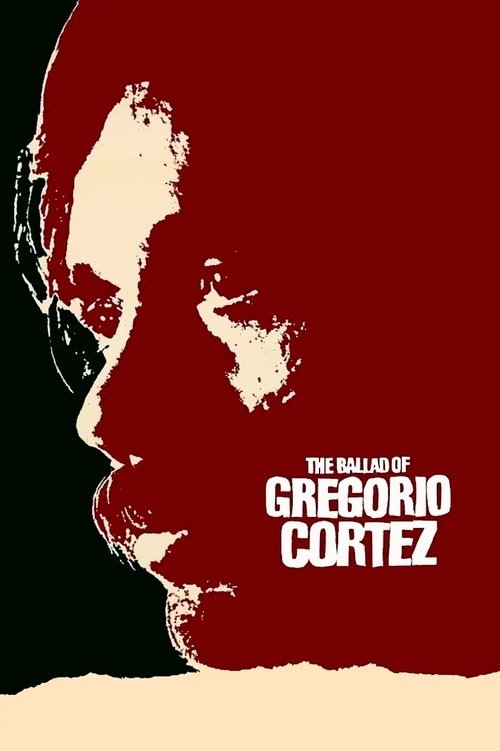
The Ballad of Gregorio Cortez1983
Edward James Olmos in a true story of a Mexican farmer hunted across the border. It shares The Far Country's interest in how the law becomes a weapon, and how decent men navigate impossible situations.
But It's deliberately paced. The tension is moral and historical rather than action-driven. Patience required.
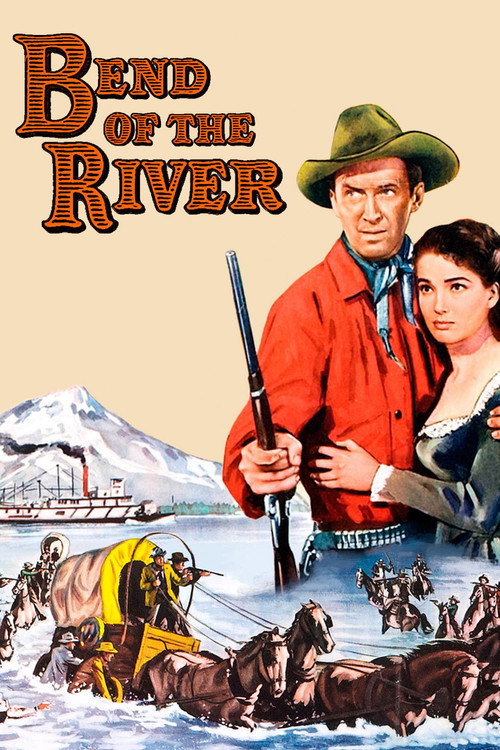
Bend of the River1952
Stewart and Mann's second collaboration, equally strong. A reformed outlaw tries to build something legitimate in Oregon. The landscape is protagonist, the moral questions are real.
But It's longer and slower than The Far Country. The middle section testing your investment before the payoff comes.
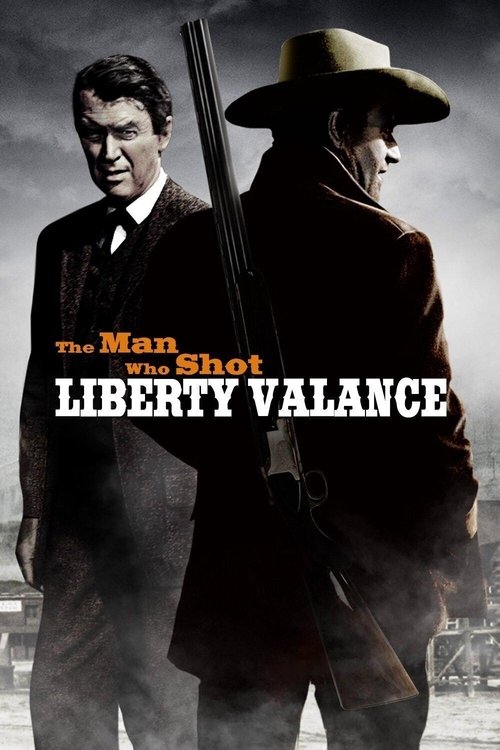
The Man Who Shot Liberty Valance1962
Ford's elegy for the old west, where the legend matters more than the truth. Stewart here is older, looking back—thematically a natural endpoint for the arc that began with men like Jeff Webster.
But It's elegiac and sad, not exciting. The sepia-toned nostalgia and interior scenes lack the visual grandeur you might crave.
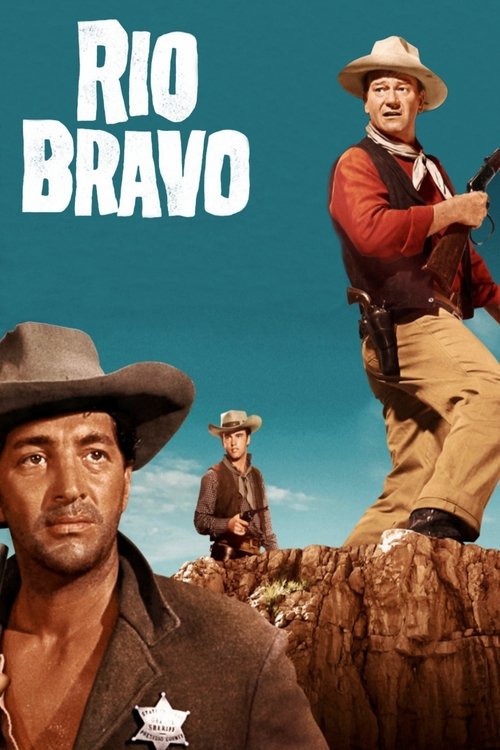
Rio Bravo1959
Hawks' answer to High Noon, where men choose to stay rather than flee. It shares The Far Country's interest in how ordinary people become necessary, and in competence as moral character.
But It runs three hours and much of it is people talking in rooms. The climax is brief. Modern viewers often find the pace frustrating.
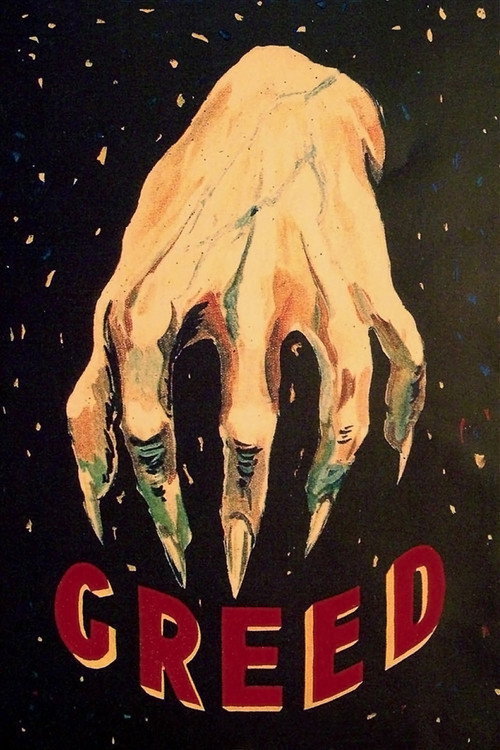
Greed1924
Both explore how the Gold Rush itself—the promise of easy wealth—corrupts character. Stroheim shows the psychological cost; Mann shows the moral cost. Different registers, same diagnosis.
Stroheim's silent epic about gold fever destroying an ordinary man. It goes where The Far Country gestures—into the genuine madness that wealth chasing unleashes. Shot on location, visually overwhelming, a film that feels dangerous in ways talkies rarely did.
But Silent film with intertitles demands a different kind of attention. The runtime is extreme, the emotional register brutal and unrelenting.
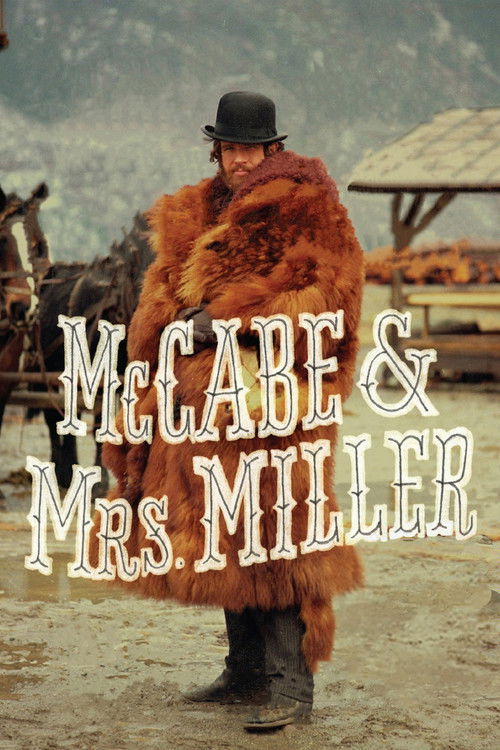
McCabe & Mrs. Miller1971
Like Stewart's arc in The Far Country, Beatty learns that genuine ambition requires actual partnership rather than self-serving. Both films unmask frontier mythology while respecting frontier difficulty.
Altman's anti-western where capitalism and mud and compromise are the real antagonists. Warren Beatty's small-time hustler trying to build something and Julie Christie as the partner he needs but doesn't deserve. Gorgeous, sad, absolutely authentic in its rejection of heroic myth.
But It's willfully unsexy about the west. Muddy, cold, acoustic soundtrack that sounds fragile. No clear victory, no catharsis. Audiences expecting a western often leave feeling cheated.
People
Cast
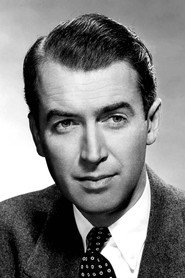 James StewartJeff Webster
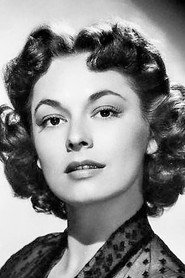 Ruth RomanRonda Castle
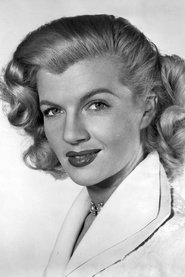 Corinne CalvetRenee Vallon
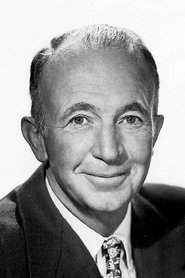 Walter BrennanBen Tatum
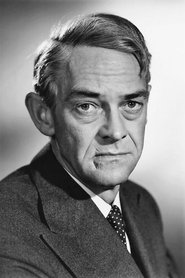 John McIntireJudge Gannon
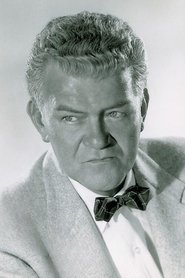 Jay C. FlippenRube
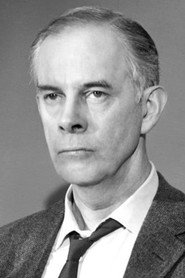 Harry MorganKetchum
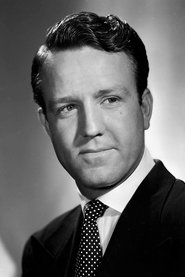 Steve BrodieIves
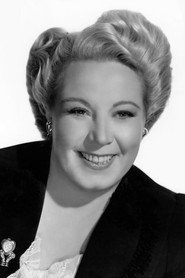 Connie GilchristHominy
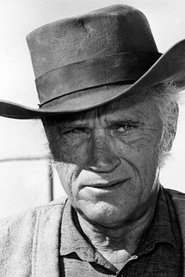 Robert J. WilkeMadden
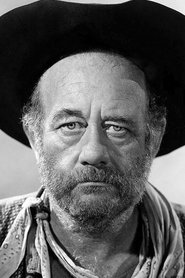 Chubby JohnsonDusty
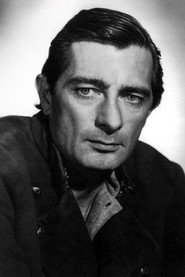 Royal DanoLuke
Directing
- John SherwoodAssistant Director
- Ronald R. RondellAssistant Director
- Terence NelsonAssistant Director
- Anthony MannDirector
- Bob ForrestScript Supervisor
Writing
- Borden ChaseScreenplay
- Borden ChaseStory
Production
- Aaron RosenbergProducer
- Al TrosinProduction Coordinator
- Lew LearyUnit Production Manager