
Film
The Violent Men
A former Union officer plans to escape to the East, but when Anchor Ranch's ruthless owner and his dysfunctional family—a scheming wife, a weak brother, brewing infidelity—resort to murder and intimidation, he's forced to stay and fight. A taut 1955 Western about choosing your ground, built on sexual tension and moral compromise rather than quick-draw heroics. For anyone who loves Westerns where the real conflict is human, not geographical.
If you liked this
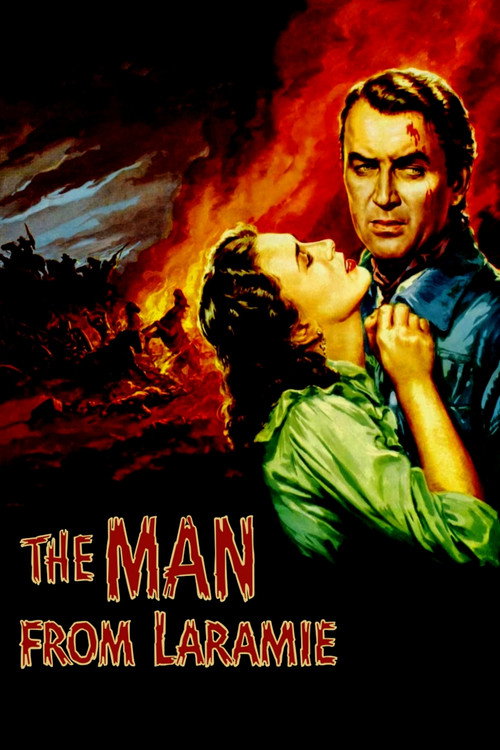
The Man from Laramie1955
James Stewart as a quietly furious stranger arriving in a corrupt town. Like The Violent Men, it's a Western about masculine pride and the cost of standing up—built on slow-burn tension rather than gunfights. Masterfully shot in VistaVision.
But Stewart's restraint can feel glacial if you're after action or swagger. The pacing demands patience.
Johnny Guitar1954
Joan Crawford runs a saloon, Sterling Hayden arrives as trouble, and everything you expect from a Western gets scrambled. Like The Violent Men, it's fascinated by power plays between damaged people and the women holding real authority. Visually strange and utterly confident.
But The gender dynamics are revolutionary but can read as arch. It's campy without meaning to be, which some find off-putting.

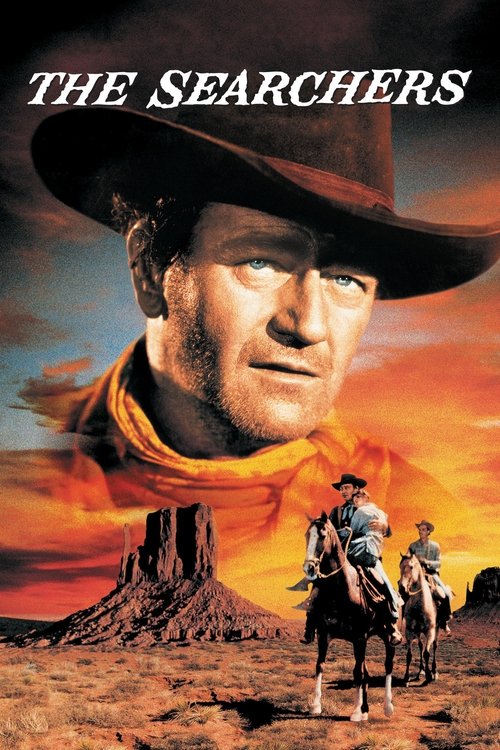
The Searchers1956
John Wayne as a man twisted by obsession and prejudice, hunting across a vast landscape. Morally complex in ways Westerns rarely attempted. The Violent Men shares its interest in flawed men facing impossible choices within communities they can't escape.
But Wayne's racism is the point, not incidental. It's uncomfortable by design, and if you come for adventure, you'll find philosophy instead.
Not sure tonight? Get a pick in a minute, starting from The Violent Men
The wildcard
Something you would not have found on your own.
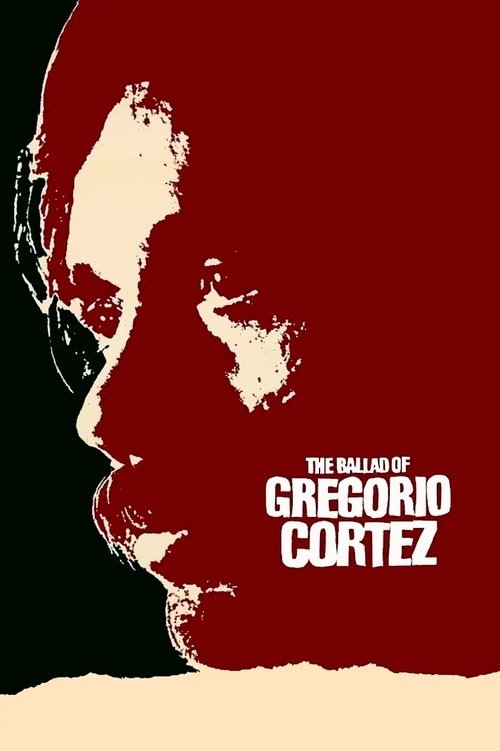
The Ballad of Gregorio Cortez1983
Both are Westerns built on moral entrapment: a man trying to do right in a system designed to destroy him. The difference is that The Violent Men assumes its hero has agency; Cortez knows better.
Based on a true story: a Mexican-American rancher is framed for murder and must navigate a legal system designed against him. Edward James Olmos in a performance of quiet, complicated dignity. Like The Violent Men, it's about a man fighting an entire system stacked with power he can't beat, but from a perspective Hollywood rarely centered in 1955—or now.
But It's made for television and shot on video, which shows. The production values are humble. It's also a film about systemic injustice that doesn't offer catharsis.
More like this (8)
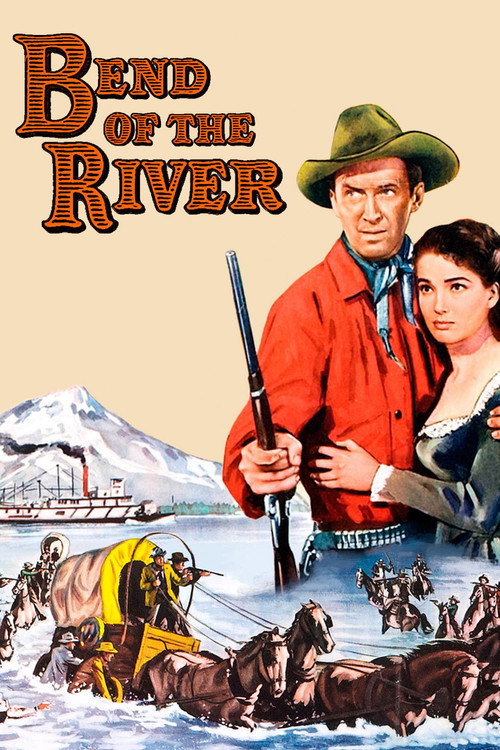
Bend of the River1952
James Stewart again—this time as a former outlaw trying to go straight, undone by the past and by people he can't trust. It has The Violent Men's DNA: moral ambiguity, beautiful betrayals, the West as a place where character gets tested by circumstance.
But The second half sags as it leans toward convention. It's solid throughout but never quite catches fire.
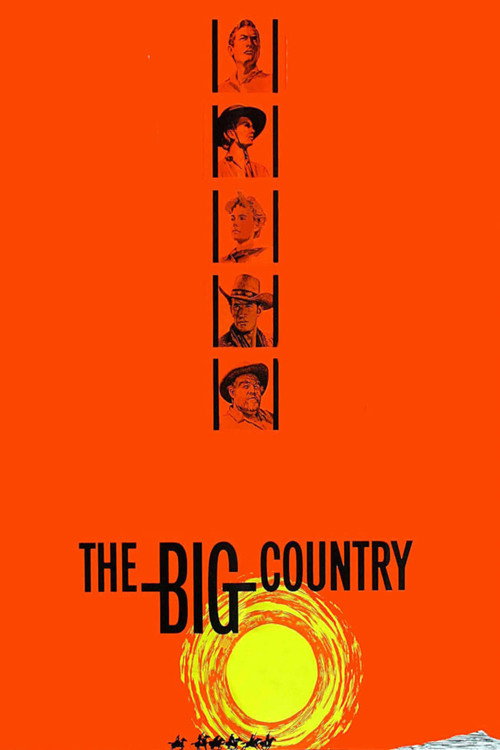
The Big Country1958
Gregory Peck enters a Western family feud with its own simmering power dynamics and infidelities. Epic in scope but intimate in its focus on how pride and desire destroy everyone. It's what The Violent Men might have been with a bigger budget and three-hour runtime.
But The runtime (2h 24m) and melodramatic swells might exhaust you. It wears its emotions on the outside.
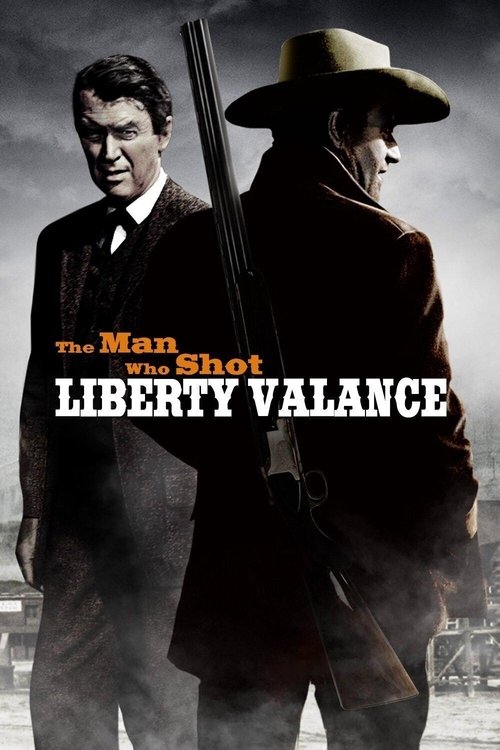
The Man Who Shot Liberty Valance1962
Jimmy Stewart and Lee Marvin collide in a story about myth-making and the real cost of civilization. Like The Violent Men, it's interested in what men become when forced to choose between escape and responsibility—and how ugly both choices can be.
But Ford's black-and-white cinematography is deliberately flat and theatrical. If you want landscape porn, look elsewhere.
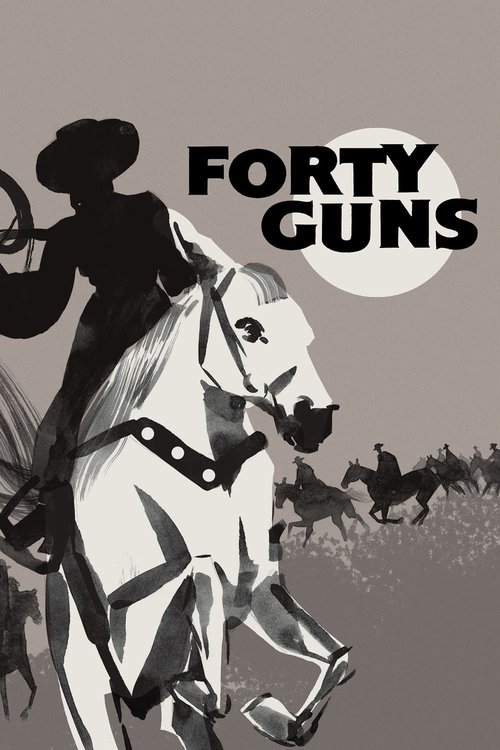
Forty Guns1957
Barbara Stanwyck commands her own Western—gunslinger matriarch running an empire, sexuality and power braided together. Raw and visually daring. Stanwyck's presence here echoes her role in The Violent Men; this is her taking full control of the story.
But It's half the runtime of most Westerns and feels rushed. The ending sacrifices the character work you've invested in.
The Ballad of Little Jo1993
A woman disguises herself as a man to survive the frontier. A revisionist Western about survival and identity that interrogates the genre's myths. Like The Violent Men, it's interested in what people do when social rules become unliveable.
But The pacing is deliberate to the point of slowness. Maggie Greenwald's direction values mood over momentum.

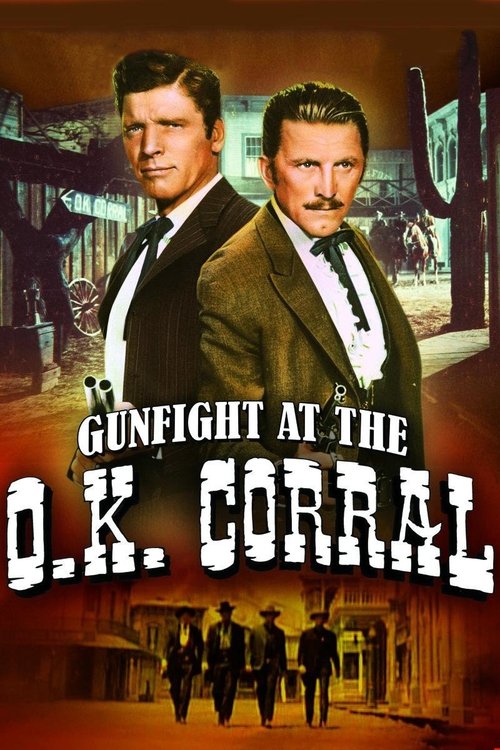
Gunfight at the O.K. Corral1957
Burt Lancaster and Kirk Douglas as Wyatt Earp and Doc Holliday, the famous gunfight told as a character study. It has the sexual undertones and interpersonal tension of The Violent Men, though wrapped in a more traditional narrative frame.
But It's a Western about the West's most famous gunfight—if you want something less mythologized, this won't satisfy you.
A Prophet2009
Both are about the anatomy of corruption within a defined territory, where the weak exploit weakness and the strong exploit strength. Where escape isn't an option, only survival.
A young man enters prison and must navigate alliances, betrayals, and sexual coercion to survive. Jacques Audiard's masterpiece about power and corruption in a closed system. It has The Violent Men's focus on how desire, loyalty, and violence become currency—just transplanted from the 1950s frontier to a contemporary French prison.
But It's brutal and explicit. The sexual violence and raw language exist for a reason, but they're not easy. Subtitled.

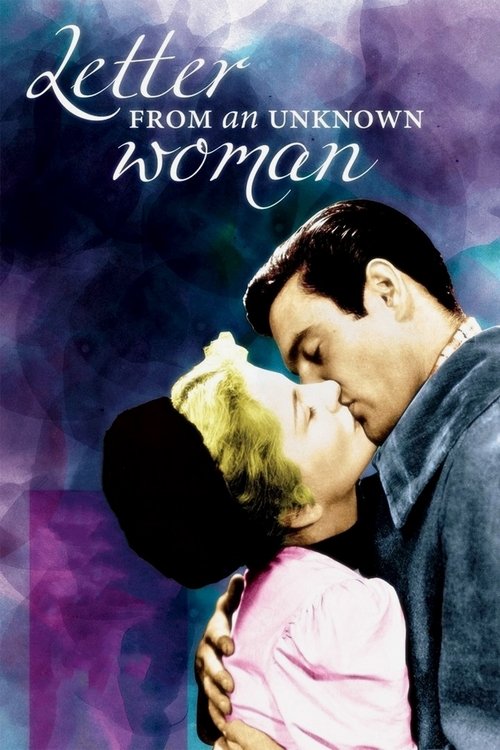
Letter from an Unknown Woman1948
The Violent Men is interested in how desire corrodes relationships and communities—Stanwyck's infidelity as a crack in the family's foundation. Ophüls is obsessed with the same corrupting force, but traces it through decades and layers of memory instead of days. Both understand that wanting the wrong person can destroy you more certainly than any bullet.
Max Ophüls' baroque masterpiece about a woman's decades-long obsession with a man who doesn't remember her. It's Stanwyck's territory—the woman with agency and appetite—but told with heartbreaking style. The camera moves constantly, restlessly; passion and desire drive the cinematography itself.
But It's a melodrama that never winks at the audience. If you need irony or distance, this will feel unbearably earnest. Joan Fontaine's vulnerability is unshielded.
People
Cast
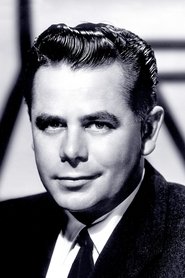 Glenn FordJohn Parrish
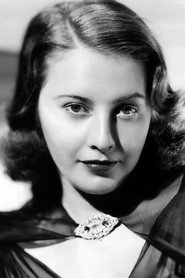 Barbara StanwyckMartha Wilkison
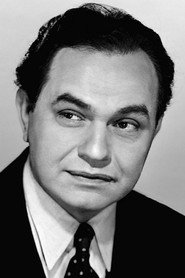 Edward G. RobinsonLee Wilkison
 Dianne FosterJudith Wilkison
 Brian KeithCole Wilkison
 May WynnCaroline Vail
 Warner AndersonJim McCloud
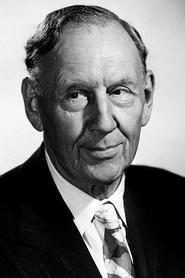 Basil RuysdaelTex Hinkleman
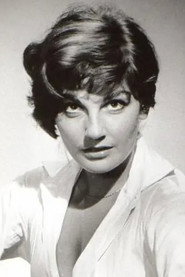 Lita MilanElena
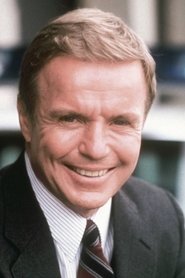 Richard JaeckelWade Matlock
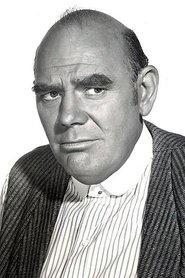 James WesterfieldSheriff Magruder
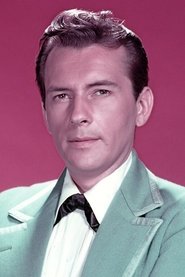 Jack KellyDe Rosa--Parrish Rider
Directing
- Sam NelsonAssistant Director
- Rudolph MatéDirector
Writing
- Donald HamiltonNovel
- Harry KleinerScreenplay
Production
- Lewis J. RachmilProducer