
Film
The Mountain
- Treasure hunt
- Drama
- Very dark
A 1956 mountaineering drama where a cynical younger brother manipulates his noble older sibling into a deadly Alpine expedition to plunder plane crash victims. It's a character study wrapped in adventure, exploring greed versus conscience through the merciless lens of high altitude. For viewers who want stakes that matter and moral ambiguity without easy answers.
If you liked this
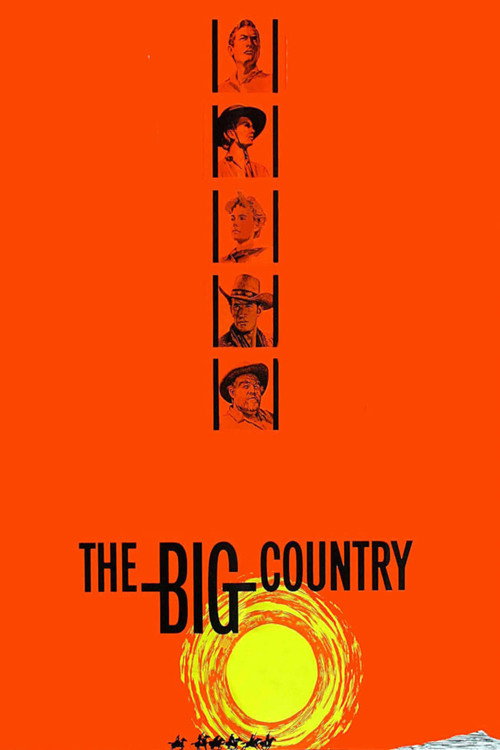
The Big Country1958
William Wyler's expansive Western about honor and masculinity. Two men test themselves against landscape and each other, forced to reckon with what they actually value. Epic scope with intimate character work.
But It's long, episodic, and the pacing will feel stately to modern viewers. Some relationships develop slowly.
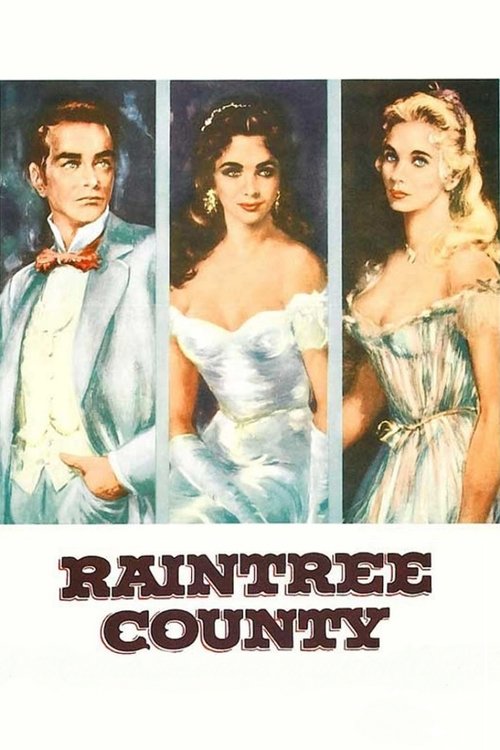
Raintree County1957
Another ambitious period drama where Spencer Tracy anchors a story about competing visions of morality. Sweeping yet character-driven, with real psychological tension beneath the spectacle. Gorgeously made.
But The runtime is punishing and the plot sometimes melodramatic. Some supporting performances feel overwrought by today's standards.
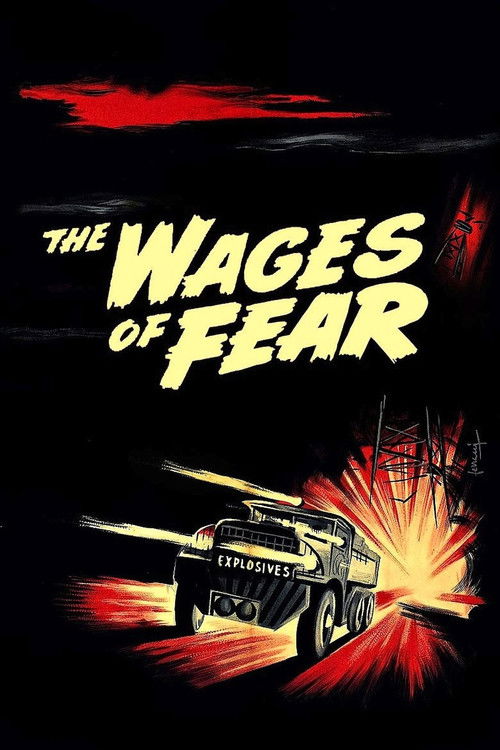
The Wages of Fear1953
Spiked with the same moral poison: men pushed into impossible situations by greed and circumstance. The tension is suffocating and the character dynamics brutally honest. French cinema at its most alive.
But Subtitled, methodical in its buildup, and the danger feels completely real—which some find punishing rather than entertaining.
Not sure tonight? Get a pick in a minute, starting from The Mountain
The wildcard
Something you would not have found on your own.
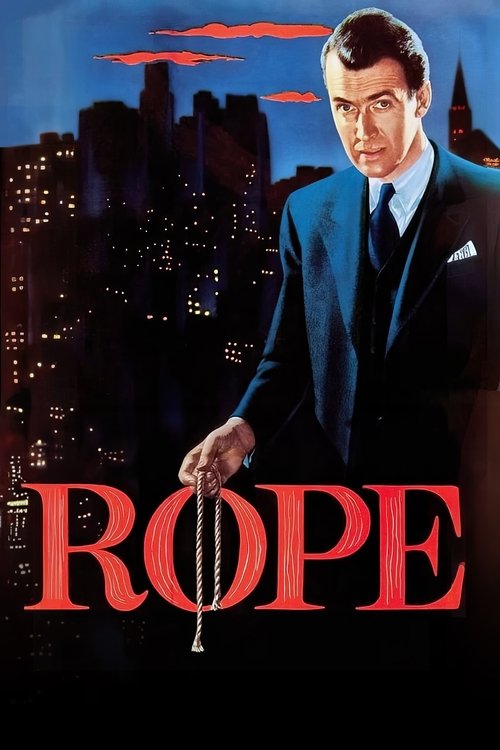
Rope1948
Both films understand that guilt is a living thing that corrodes from inside. The setting changes, but the anatomy of moral collapse is identical.
Hitchcock's moral pressure cooker: two men commit murder and then invite their victim's family to dinner, maintaining the lie through real-time tension. Like The Mountain, it's about conscience eroding under pressure, the psychology of complicity, and whether charm can substitute for morality. The entire film happens in one apartment—nowhere to run.
But The artificiality (it's shot as one continuous take) feels like theater, which some find precious. If you need scale and landscape, the claustrophobia will oppressive rather than gripping.
More like this (7)
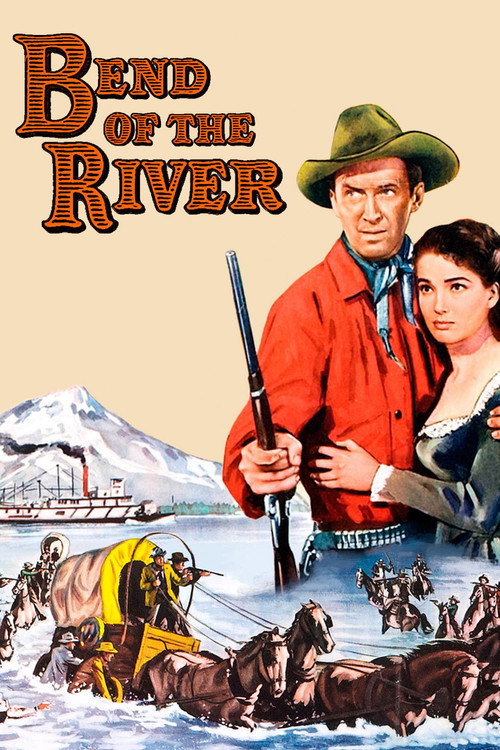
Bend of the River1952
James Stewart in a Western that's actually about the cost of redemption. Two men with pasts navigate trust and betrayal across difficult terrain. Character work disguised as adventure.
But The first half is slower than it needs to be. The resolution leans toward sentiment that undercuts some of the moral complexity.
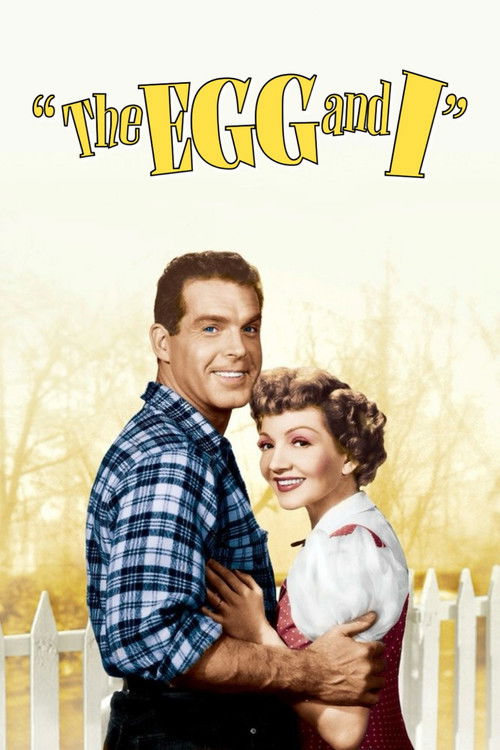
The Egg and I1947
Spencer Tracy in a rare comedic role, playing a man stubbornly at odds with the world. It's lighter than The Mountain but shows the actor's range and charm. Good-natured and unexpectedly touching.
But The comedy hasn't aged brilliantly. Some scenes feel quaint and the gender politics are very much of the 1940s.
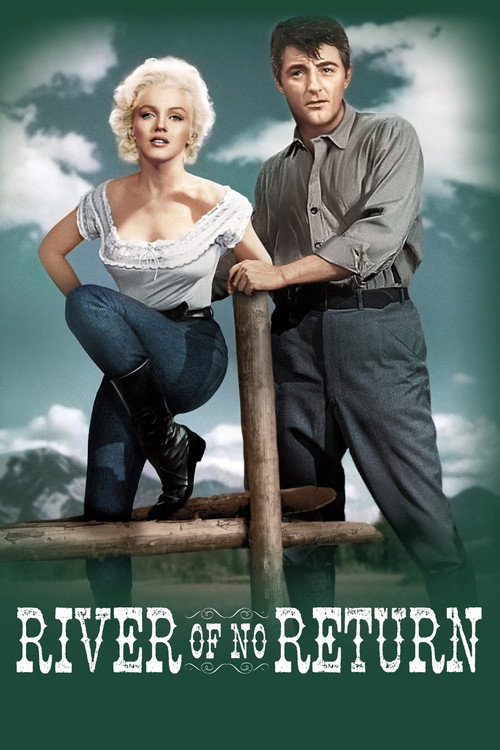
River of No Return1954
Robert Mitchum and Marilyn Monroe navigate a dangerous river journey. Adventure and character study woven together, with real physical danger and emotional truth. Underrated gem.
But Unevenly paced and Monroe's role is underdeveloped. Some scenes feel like they belong in different films.
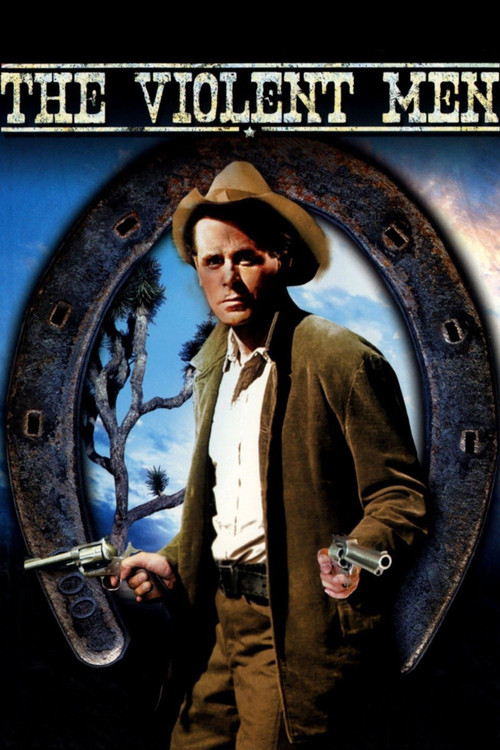
The Violent Men1955
Barbara Stanwyck in a Western that explores ambition and moral decay. A man returns home to find corruption and cruelty have taken root. Sharp and surprisingly dark.
But It's uneven tonally and some plot threads feel rushed. The ending compromises some of the moral clarity the film builds.
Johnny Guitar1954
Nicholas Ray's delirious Western, visually extraordinary and tonally strange. Joan Crawford as a woman who builds her own world. Genuinely unique and hypnotic.
But It's bizarre and the logic is dreamlike rather than linear. If you need conventional narrative, this will frustrate you.

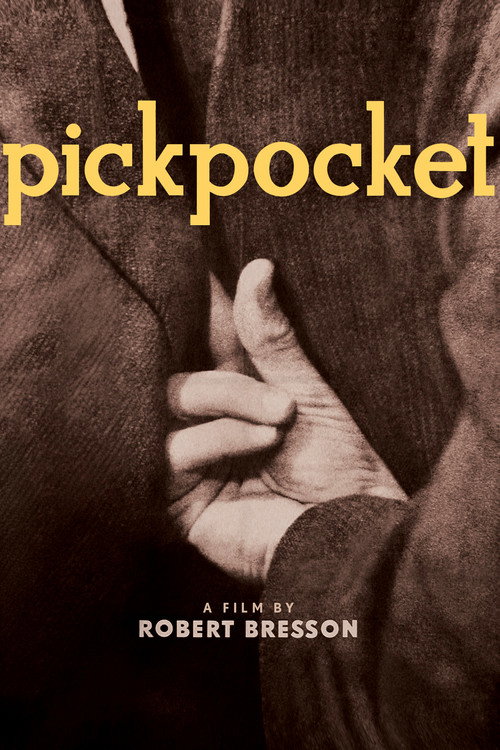
Pickpocket1959
Both films watch men talk themselves into moral catastrophe with complete conviction. The difference is Bresson believes redemption might be real.
Robert Bresson's ascetic masterpiece about a man drawn into theft as a way of life, justifying it through philosophy. It's about rationalization, the corruption of intelligence, and whether redemption is possible. Spare, hypnotic, devastating. The cinematography and sound design are miraculous.
But It's slow, austere, and deeply religious in sensibility. If you need plot momentum or entertainment, Bresson will feel punishing. It requires active surrender.
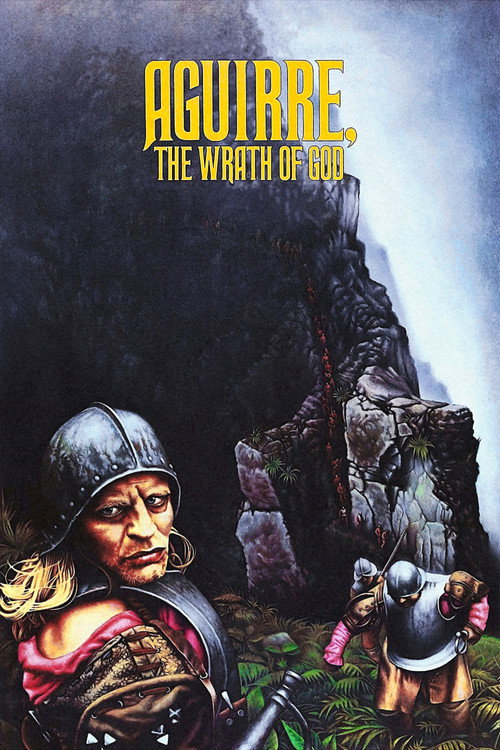
Aguirre, the Wrath of God1972
The same machinery: two men (or more) bound together by a bad idea, the landscape indifferent to their ambitions, each enabling the other's descent. But where The Mountain is intimate, this is mythic and grotesque.
Herzog's fever dream about obsession and greed, following conquistadors hunting gold deeper into the jungle. It's about men driven by appetite into increasingly delusional states, each man feeding the other's fantasies. Hallucinogenic and terrifying and wholly original. Klaus Kinski's performance is unhinged genius.
But It's German New Cinema—deliberately artificial, philosophically dense, and visually extreme. The pacing is deliberate and the ending offers no comfort. Not a film that provides answers.
People
Cast
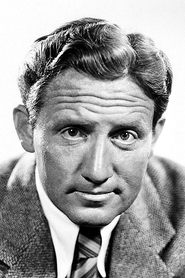 Spencer TracyZachary Teller
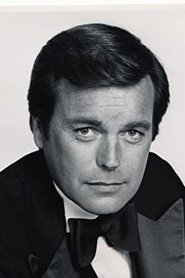 Robert WagnerChristopher 'Chris' Teller
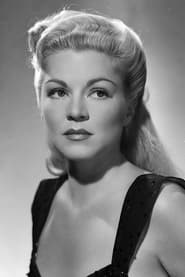 Claire TrevorMarie
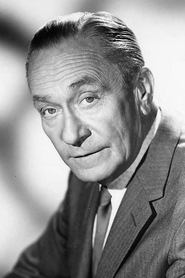 William DemarestFather Belacchi
 Barbara DarrowSimone
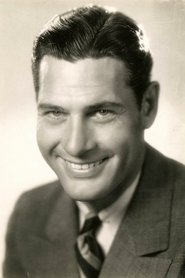 Richard ArlenC. W. Rivial
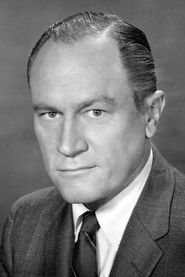 E.G. MarshallSolange
 Anna KashfiHindu Girl
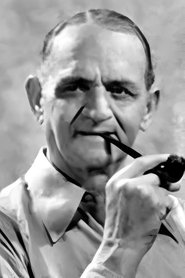 Richard GarrickColoz
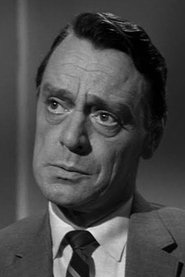 Harry TownesJoseph
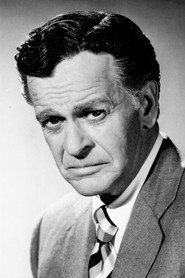 Stacy HarrisNicholas Servoz
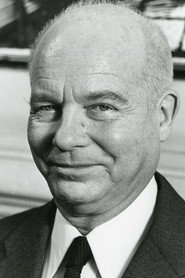 Yves BrainvilleAndre
Directing
- Edward DmytrykDirector
Writing
- Henri TroyatNovel
- Ranald MacDougallScreenplay
Production
- Edward DmytrykProducer