
Film
Antarctica
A 1983 Japanese expedition film about scientists and their sled dogs in Antarctica. Quietly gripping, technically precise, moving without sentimentality. It's a story about loyalty and sacrifice told through both human and animal relationships, set against one of Earth's most punishing environments. For anyone drawn to survival stories with genuine emotional weight.
Should you watch it?
Watch it if you like expedition stories where the quiet rhythms of camp life, the physical grind of cold travel and a devoted bond with working animals carry more weight than plot.
Skip it if your patience runs short with long stretches of slow scenery and a runtime of nearly two and a half hours, since so much rests on waiting.
What it asks of you: Long, unhurried and often harsh in its landscapes, it moves at the speed of a slow expedition, rewarding sustained attention over quick emotional beats.
Not sure? Find tonight's pick in a minute.
If you liked this
Alive1993
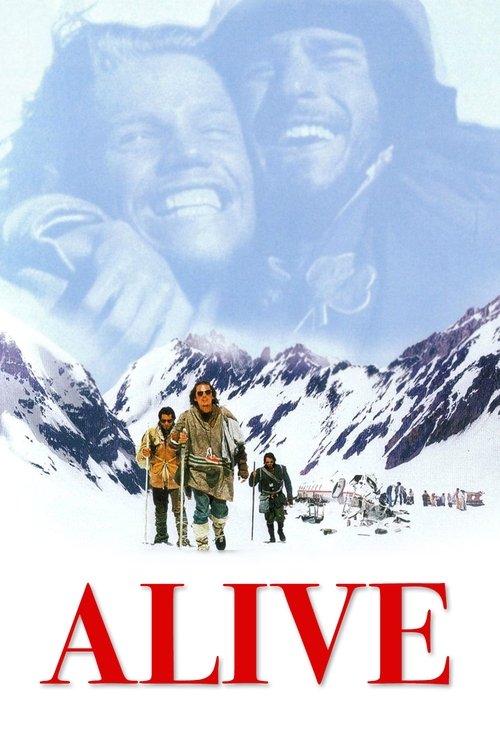
A plane crash in the Andes, a group of survivors, and the moral questions survival forces upon them. Honest about both human resilience and human cost, without prettifying the horror.
But It's from the 90s and occasionally lapses into ensemble-drama rhythms that feel dated. The pacing in the middle sags a little.
The Right Stuff1983
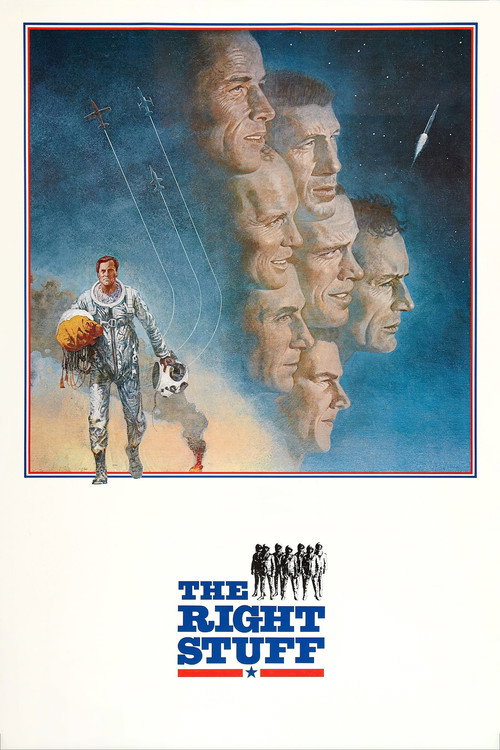
Released the same year as Antarctica, it captures the early space program through the eyes of test pilots and astronauts. Ambitious, beautifully shot, genuinely interested in what drives people to risk everything.
But At nearly four hours, it demands commitment. Some passages feel more like a history lecture than a narrative.
Shackleton2002
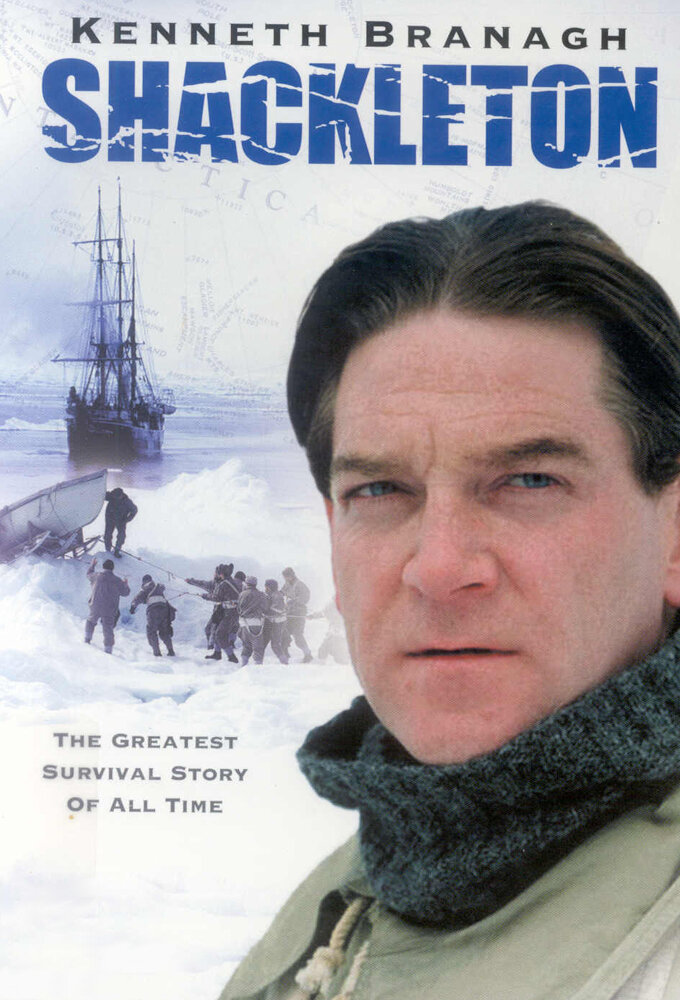
A British miniseries about one of history's greatest polar explorers. Tense, character-driven, and fascinated by leadership under impossible conditions. Kenneth Branagh is excellent.
But It's a period production that occasionally feels like television rather than cinema. Some dramatic shortcuts feel convenient.
Not sure tonight? Get a pick in a minute, starting from Antarctica
The wildcard
Something you would not have found on your own.
Red Beard1965
Both are Japanese films about men bound together by shared purpose in harsh circumstances, finding meaning through service rather than conquest.
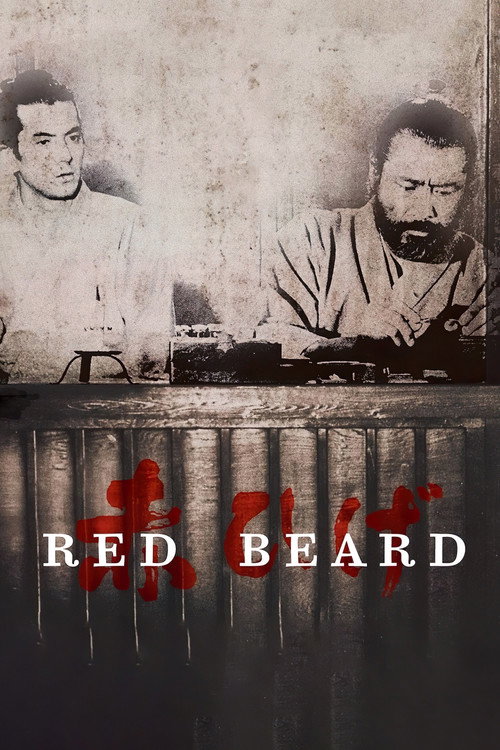
Kurosawa's film about a young doctor learning from an older, uncompromising mentor in a clinic for the poor. Like Antarctica, it's about duty, sacrifice, and the bonds formed through shared hardship—but it's a quieter, more interior film about becoming yourself.
But It's nearly three and a half hours of fairly unhurried storytelling. If you want plot momentum, you'll find it frustrating. Some passages feel almost like documentary observation.
More like this (8)
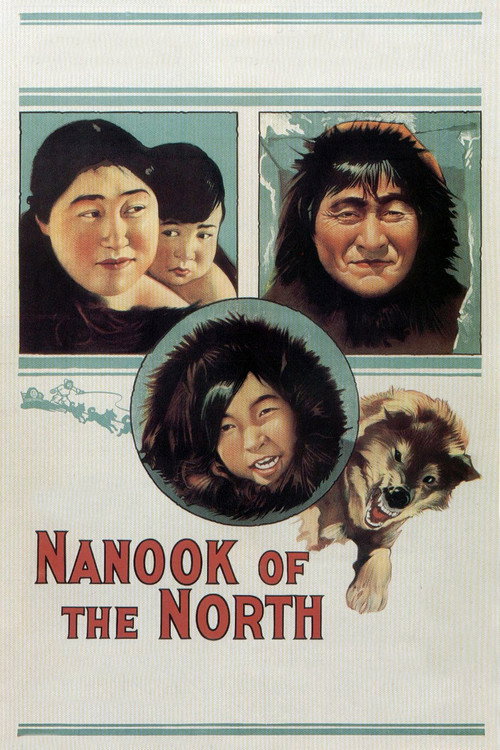
Nanook of the North1922
The grandfather of all survival documentaries. A silent film about an Inuit hunter and his family in the Arctic. Raw, direct, and more involving than you'd expect from a film a century old.
But It's silent and it's 1922, which means a certain formality in pacing. Also, its documentary status is more complicated than audiences assume.
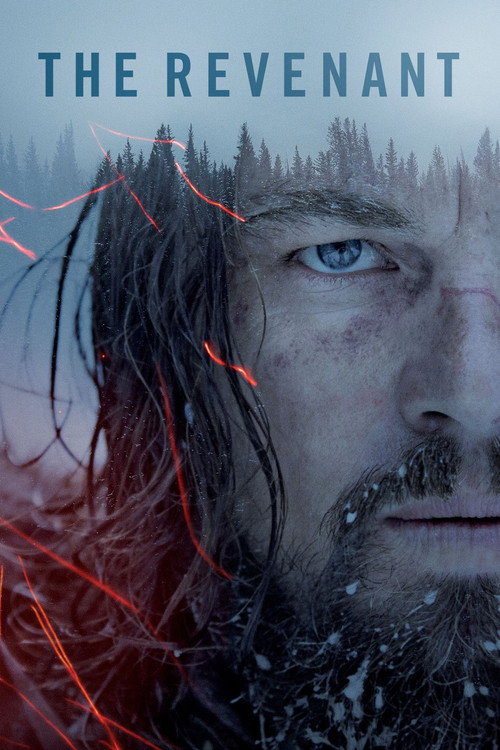
The Revenant2015
A frontiersman left for dead in the wilderness claws his way toward survival and revenge. Visually stunning, brutally physical, and genuinely uninterested in making suffering easy to watch.
But The revenge plot feels tacked on to what works best as survival narrative. Some will find it oppressively grim.
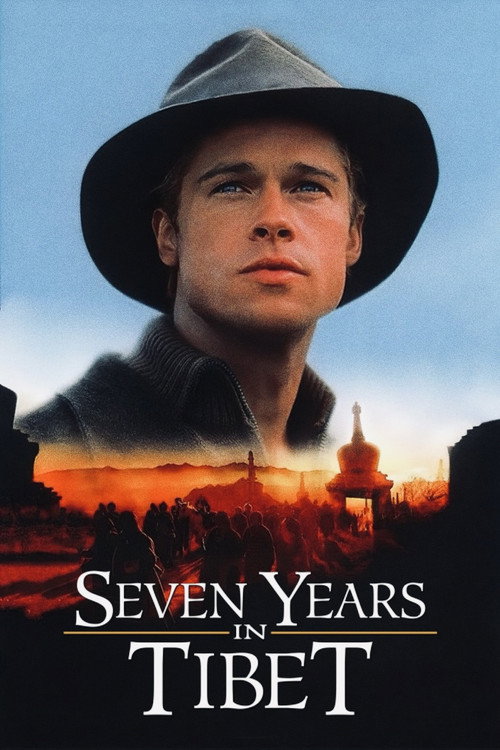
Seven Years in Tibet1997
An Austrian climber's journey across the Himalayas during WWII. Ambitious in scope, genuinely interested in cultural collision, and unexpectedly moving about human connection across difference.
But The script can be heavy-handed about its themes. The second half loses some of the first's momentum.
Kes1970
A British working-class boy finds dignity and purpose through training a hawk. Tender without being soft, and genuinely moving about the bond between a person and an animal.
But It's social realism from the 60s, which means greyness and a certain restraint that won't suit everyone. The ending is difficult.

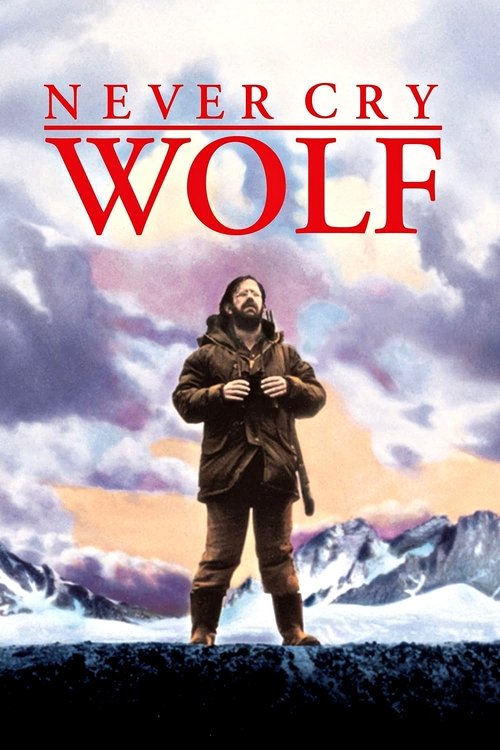
Never Cry Wolf1983
A biologist studying wolves in the Canadian Arctic. Poetic and precise at once, interested in both the science and the romance of solitude in wild places.
But It privileges mood over plot, which means it moves slowly. Some find it more essay than narrative.
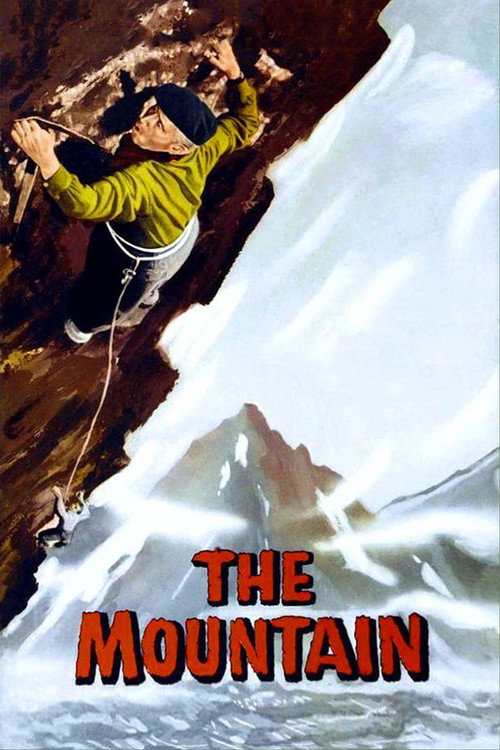
The Mountain1956
Two brothers race to reach a plane crash high in the Alps. A solid adventure film about ambition, competition, and what we're willing to sacrifice for glory.
But It's a 50s production that feels like one, which means certain limitations in colour grading and some dated dramatic choices. The pacing is deliberate.
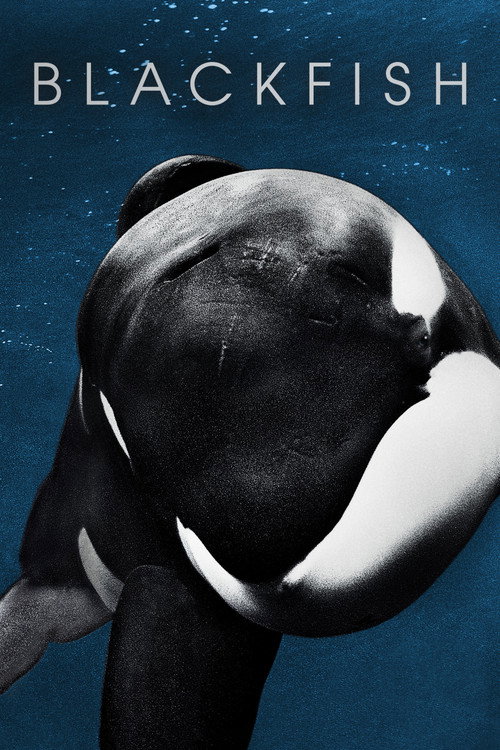
Blackfish2013
Both centre on animals as characters with inner lives, not mascots or props. Both ask what we owe creatures we share space with.
A documentary about orcas in captivity, built around one whale's story. It shares Antarctica's genuine concern with animal consciousness and the relationships between humans and animals—but it's a critique, not a romance.
But It's advocacy filmmaking, which means you're being persuaded. The emotional manipulation is deliberate. If you hate being made to care about something, you'll resent it.
The Ascent1977
Both are humanist survival narratives from non-English cinema concerned less with triumph than with what endurance reveals about a person's character and convictions.
A Soviet mountain-climbing film about two men attempting an impossible peak. Visually austere and spiritually searching, it transforms a survival story into something closer to a moral parable.
But It's slow, grey, and philosophically dense. The dialogue can feel abstract. This is a film that requires patience and is perfectly fine with that.

People
Cast
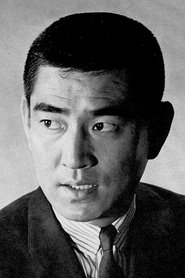 Ken TakakuraUshioda
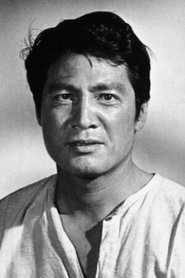 Eiji OkadaOzawa Taicho
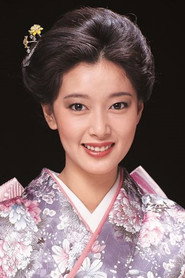 Masako NatsumeOzawa Keiko
 Keiko OginomeShimura Asako
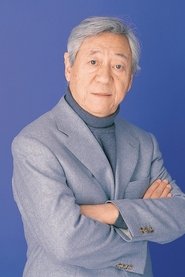 Takeshi KusakaMorishima Kyoju
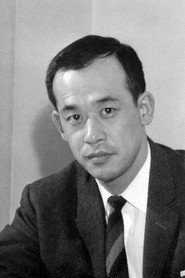 Shigeru KōyamaHorigome Taicho
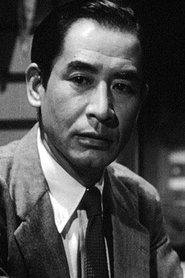 So YamamuraIwakiri Sencho
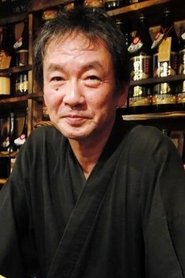 Jun EtohTokumitsu Taiin
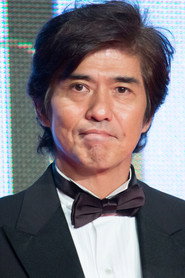 Koichi SatoToda Taicho
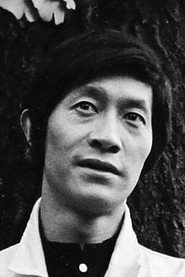 Shin KishidaKissaten Master
 Takeshi ŌbayashiNonomiya Taicho
- Shinji KanaiOzaki Taicho
Directing
- Koreyoshi KuraharaDirector
Writing
- Koreyoshi KuraharaWriter
- Susumu SajiWriter
- Tatsuo NogamiWriter
- Toshirō IshidōWriter
Production
- Hiroshi FuruokaExecutive Producer
- Hiroshi FuruokaExecutive Producer
- Juichi TanakaProducer
- Koretsugu KuraharaProducer
- Masaru KakutaniProducer
- Tomohiro KaiyamaProducer