
Film
Seven Years in Tibet
A 1997 epic about an Austrian mountaineer who escapes a POW camp and reaches Tibet, where friendship with the young Dalai Lama transforms him from ambitious and self-absorbed into something wiser. Sweeping, humanist, gorgeously shot—it's earnest cinema that believes in redemption and the power of unexpected connection.
Should you watch it?
Watch it if you love sweeping historical adventures where the landscape does half the talking and a character's slow change of heart matters more than any single set piece.
Skip it if the pace is unhurried and the early scenes lean on a self-regarding protagonist you may find hard to warm to at first, so patience is required.
What it asks of you: It runs over two hours at a deliberate, contemplative clip, so settle in for long stretches of mountain silence and quiet conversation rather than constant plot.
Not sure? Find tonight's pick in a minute.
If you liked this
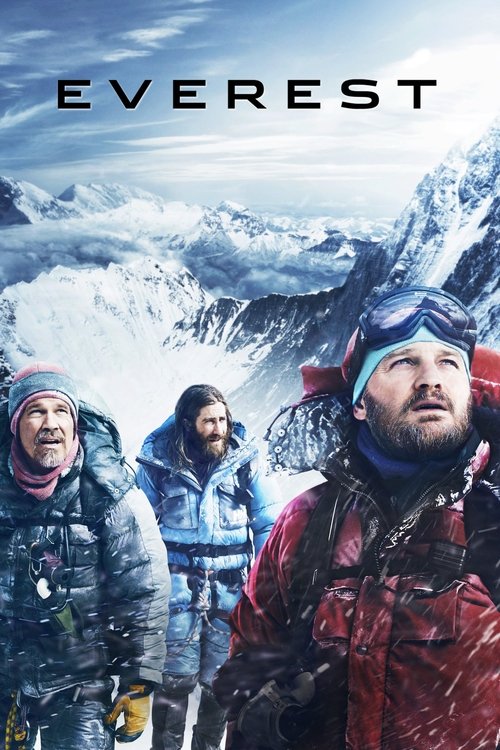
Everest2015
Another scale-dizzy Himalayan expedition film with a stellar ensemble cast. Shares the same sense of awe at impossible geography and the hubris that drives men toward it, though from a different angle of approach.
But Visually impressive but emotionally colder than Seven Years—it prioritizes spectacle and disaster over the intimate character work that makes Harrer's journey resonate.
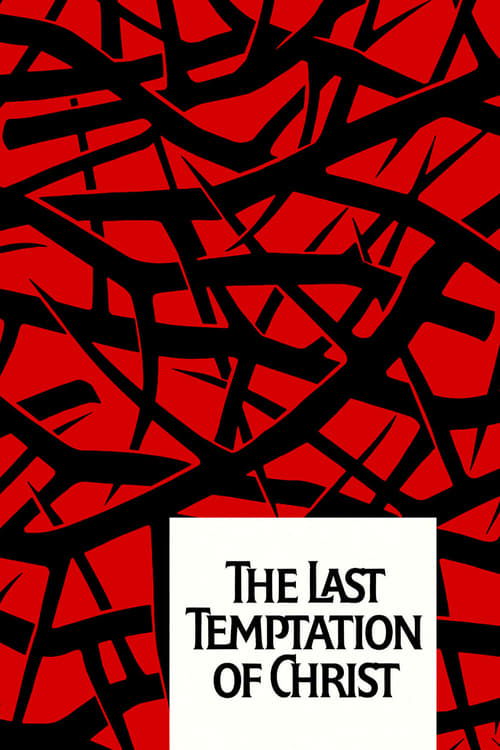
The Last Temptation of Christ1988
Scorsese's controversial portrait of spiritual transformation through adversity and doubt. Like Harrer's arc, it's about a man learning humility and purpose through confrontation with something larger than himself.
But Sexually explicit, religiously provocative, and three hours of internal struggle rather than external adventure—very different textures, even if the soul-journey overlaps.
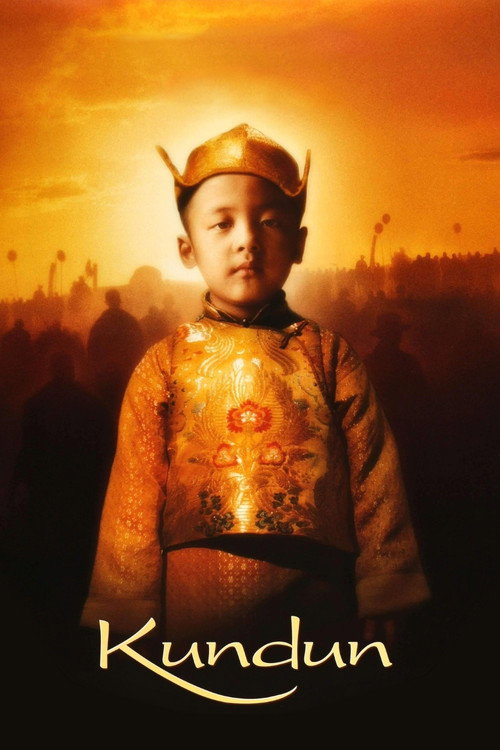
Kundun1997
Scorsese's companion piece about the Dalai Lama's own coming-of-age and spiritual awakening. Made the same year as this film, it's a profound meditation on the man Harrer befriends, approaching him from the other side.
But Deeply contemplative, with minimal dialogue and a dreamlike pace. If you want narrative momentum and emotional catharsis, this may feel too measured and meditative.
Not sure tonight? Get a pick in a minute, starting from Seven Years in Tibet
The wildcard
Something you would not have found on your own.
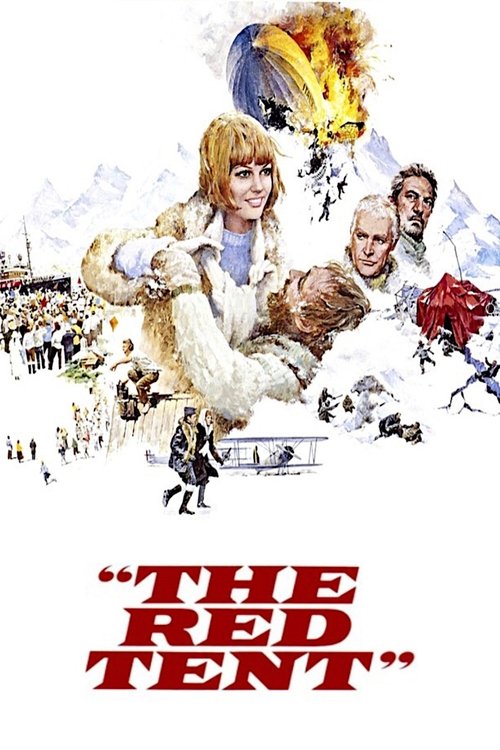
The Red Tent1969
Both are true-story epics about a flawed man stripped of ego by a catastrophic journey, forced to reckon with his smallness in the face of nature and another culture.
A sprawling Cold War-era epic about polar explorer Umberto Nobile, also about a man learning humility through disaster and rescue. Shot in crisp 1960s color, it's Harrer's spiritual cousin in a forgotten corner of cinema history.
But Deliberately paced and European in sensibility; the political subplot can feel dated, and some of the acting lands closer to opera than naturalism.
More like this (8)
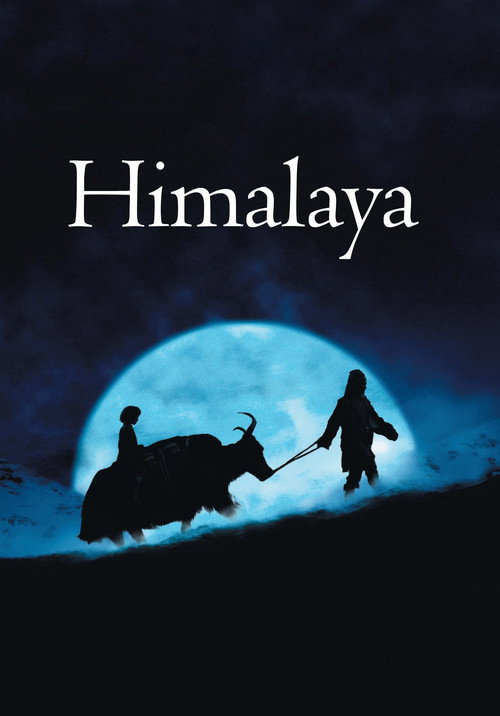
Himalaya1999
A French-Swiss film about a caravan journey through the Hindu Kush with nonprofessional Nepali actors. Captures similar beauty and spiritual weight without the star power, feeling more lived-in and less produced.
But Slower, quieter, and structurally simpler—it's a mood piece rather than a driven narrative, so the dramatic stakes feel lower throughout.
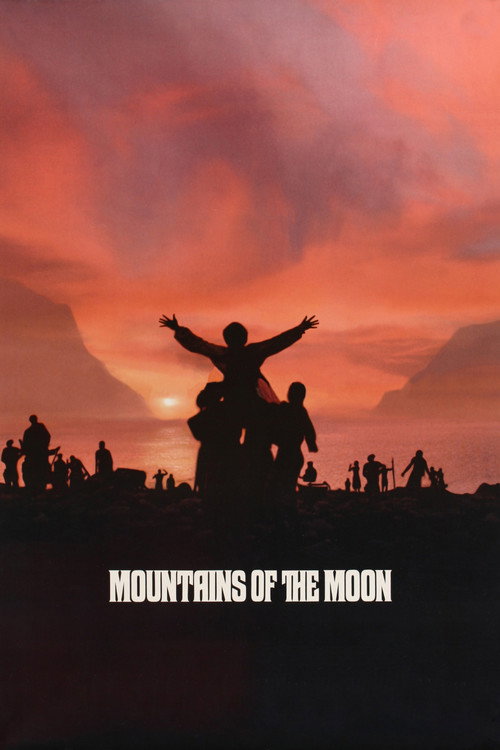
Mountains of the Moon1990
A richly detailed exploration of explorers Burton and Speke chasing the source of the Nile. Shares Seven Years' interest in ambition, obsession, and the men who will risk everything for discovery and glory.
But Episodic and sometimes ponderous; the relationship drama between the leads can feel like it's fighting the adventure plot for screen time.
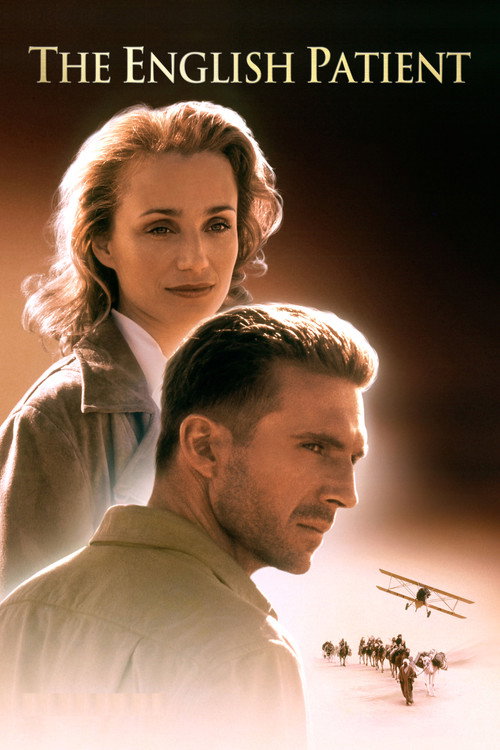
The English Patient1996
Epic wartime romance and redemption across continents. Like Seven Years, it weaves personal transformation with historical upheaval and asks whether love and connection can repair a fractured life.
But Three-and-a-half hours of elliptical storytelling that some find overlong and emotionally manipulative; the fractured timeline demands patience.
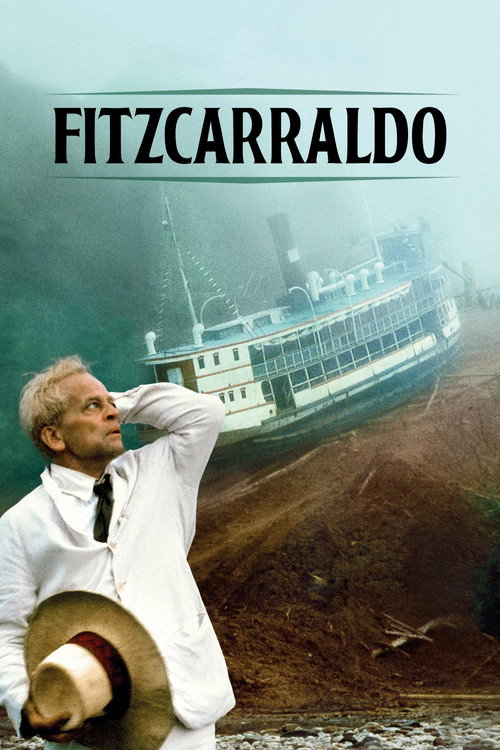
Fitzcarraldo1982
Herzog's fever dream of obsession and conquest in the Peruvian Amazon. Both films are about men driven by vision into extreme environments, learning hard lessons about ambition and what truly matters.
But Deeply idiosyncratic and sometimes incoherent; Herzog's vision is magnificent but not always clear, and the pacing can feel labyrinthine.
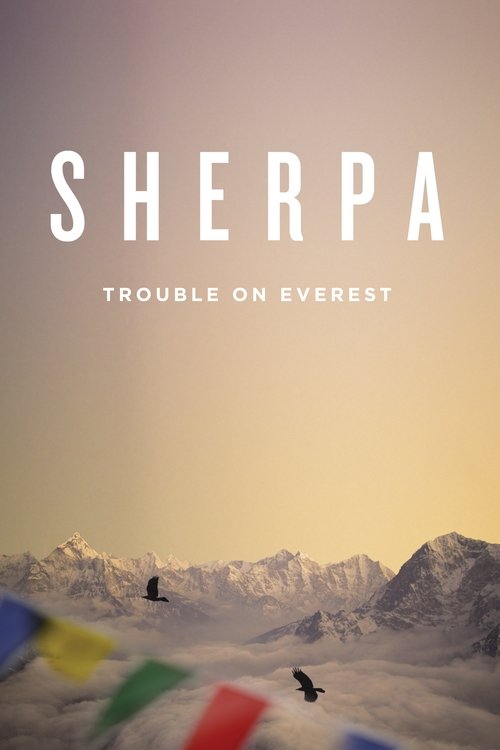
Sherpa2015
A documentary that reframes the Everest narrative from the perspective of the Sherpa guides. Ethical counterweight to Western mountaineer tales—asks uncomfortable questions about who pays the price of adventure.
But Not a narrative film—it's observational and sometimes bleak. If you want character arcs and resolution, this offers complexity and ambiguity instead.
Passion2013
Godard's late meditation on art, theft, and ego in a contemporary setting. Both films grapple with vanity, stolen life, and whether creating or connecting can redeem a selfish man.
But Godard is deliberately obscure and formally fractured; this is experimental cinema for viewers patient with non-linear narrative and visual abstraction.

Ikiru1952
Two films where a self-centered man's encounter with someone or something bigger than himself rewrites his understanding of a meaningful life, though Ikiru achieves it through stillness rather than adventure.
Kurosawa's masterpiece about a dying Japanese bureaucrat who finds unexpected meaning in small acts of kindness. The thematic inverse of Harrer's arc—both about transformation through connection and the recognition that legacy matters less than love.
But A film about mortality and administrative inefficiency in postwar Japan; very slow, very quiet, and relentlessly melancholic. Not what you're watching for excitement.

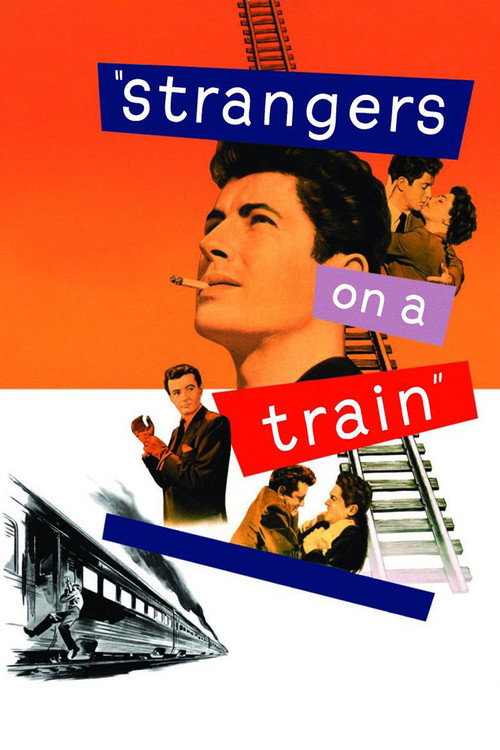
Strangers on a Train1951
Both are character studies of transformation wrapped in genre—one in adventure, one in suspense—that ask whether we are fixed by our nature or redeemable through crisis.
Hitchcock's morality play disguised as a thriller. Like Seven Years, it's about a man discovering his capacity for both evil and redemption, with the moral stakes rising as the journey accelerates.
But A psychological thriller, not an epic—it's intimate, dark, and morally ambiguous in ways Harrer's arc is not. If you want affirmation, this offers only questions.
People
Cast
 Brad PittHeinrich Harrer
 Jamyang Jamtsho WangchukDalai Lama, 14 Years Old
 David ThewlisPeter Aufschnaiter
 BD WongNgawang Jigme
 MakoKungo Tsarong
 Lhakpa TsamchoePema Lhaki
 Ingeborga DapkūnaitėIngrid Harrer
 Duncan FraserBritish Officer
 Danny DenzongpaRegent
 Victor WongChinese 'Amban'
 Jetsun PemaGreat Mother
 Ama Ashe DongtseTashi
Directing
- Jean-Jacques AnnaudDirector
Writing
- Heinrich HarrerNovel
- Becky JohnstonScreenplay
Production
- Francine MaislerCasting
- Priscilla JohnCasting
- Iain SmithProducer
- Jean-Jacques AnnaudProducer
- John H. WilliamsProducer
Recommended by
Indochine, K2, Kundun, Beyond the Edge, The Conquest of Everest, Antarctica, Himalaya, The Grey Fox, Tenzing, The Password Is Courage, The Captive Heart, What Remains of Us, The Conquest of Siberia, Bhowani Junction