
Film
Kundun
Martin Scorsese's spiritual biography of the 14th Dalai Lama, from his childhood discovery through his flight into exile. Visually sumptuous and meditative rather than dramatic, it's contemplative cinema about faith, resistance, and conscience. For anyone drawn to historical epics that prioritize inner life over action.
Should you watch it?
Watch it if you want a patient, painterly portrait of a spiritual leader seen from inside a child's quiet world, where Scorsese's eye for ritual and color does the storytelling more than dialogue does.
Skip it if you need plot momentum or a clear dramatic arc, since the film drifts through years of moments and political pressure without building toward tight, conventional climaxes.
What it asks of you: It runs about two and a half hours at a deliberately unhurried pace, so it asks you to settle in, accept long stretches of stillness, and let images carry feeling rather than expecting scenes to explain themselves.
Not sure? Find tonight's pick in a minute.
If you liked this
The Last Temptation of Christ1988
Scorsese exploring faith and doubt through an intimate, provocative lens. Like Kundun, it treats spiritual questioning as cinema's proper subject, not decoration.
But Deliberately blasphemous in ways that still provoke. Nearly three hours of theological wrestling rather than narrative momentum.
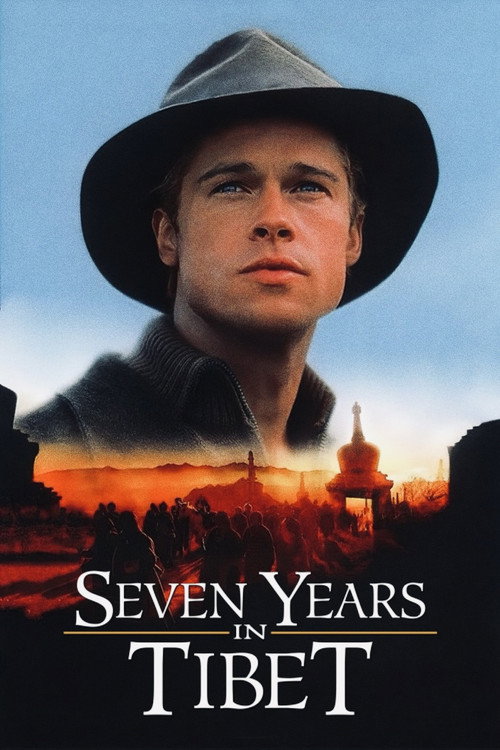
Seven Years in Tibet1997
Released the same year, another Western perspective on Tibetan spirituality and Chinese occupation. More adventure-oriented than Kundun but engaged with similar historical ground.
But Focuses on a European climber's journey, not Tibetan experience. Considerably more conventional in its storytelling approach.
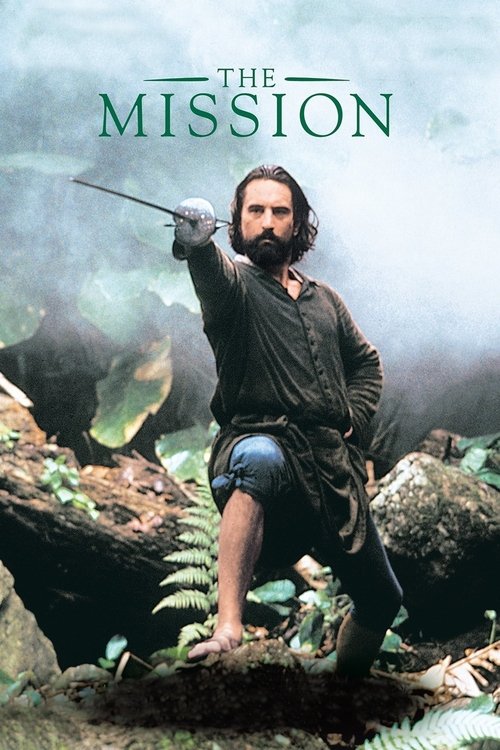
The Mission1986
Joffé's epic about Jesuit missionaries in South America facing colonialism. Shares Kundun's marriage of stunning cinematography to themes of faith under political pressure.
But The colonial narrative centers European characters. Less meditative than Kundun, more conventionally dramatic.
Not sure tonight? Get a pick in a minute, starting from Kundun
The wildcard
Something you would not have found on your own.
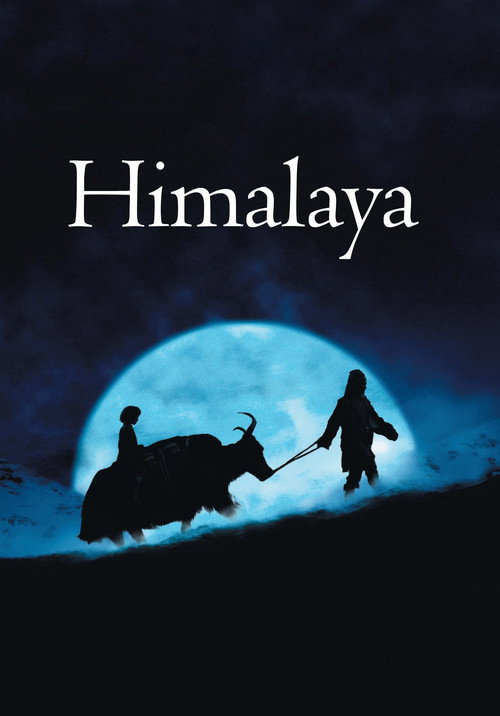
Himalaya1999
Both films treat the Himalayas and Tibetan culture not as exotic backdrop but as landscape that shapes consciousness and ethics. Valli shows what Kundun's people actually do to live.
Directed by Éric Valli two years after Kundun. Documentary-like narrative about Sherpa porters navigating mountain trade routes. The Himalayas become character and moral space, as in Kundun, but filtered through labor and survival rather than spirituality.
But Minimalist plot and non-professional cast. Slow-burn story about work and tradition, not revelation.
More like this (8)
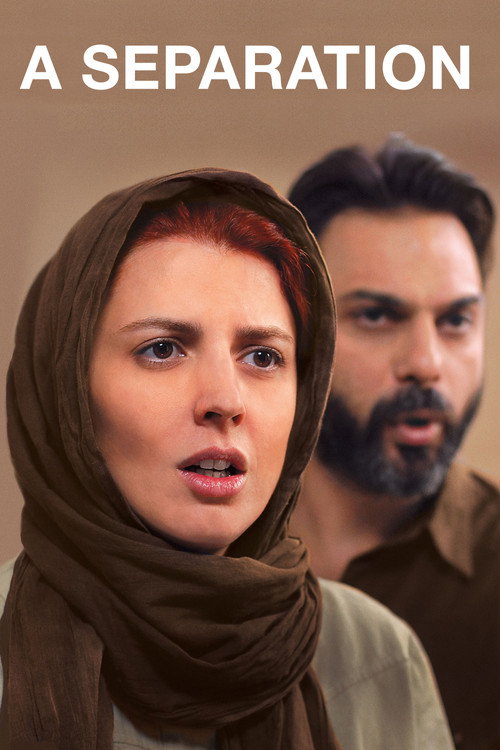
A Separation2011
Asghar Farhadi examining how personal and political collide in Iran. Like Kundun, it finds moral complexity in systems larger than individual choice.
But It's a domestic drama, not a historical epic. Contemporary rather than spanning decades.
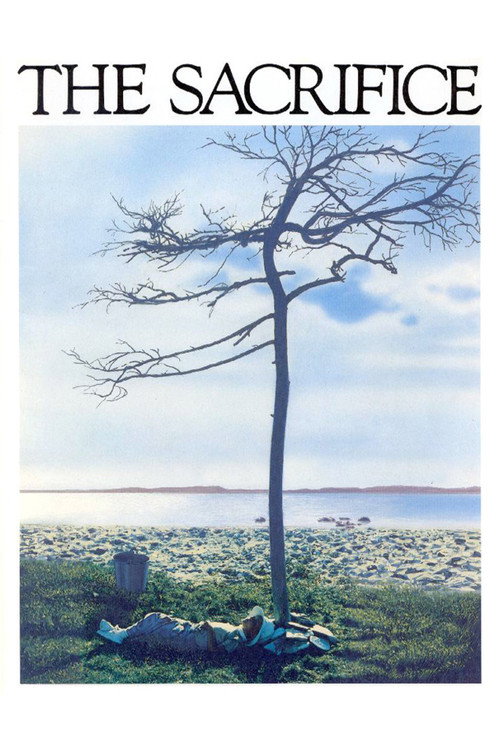
The Sacrifice1986
Tarkovsky's meditation on faith and loss in the shadow of nuclear war. Matches Kundun's willingness to move slowly through spiritual questions without easy answers.
But Almost hypnotically slow. Not a film that accommodates impatience or distraction.
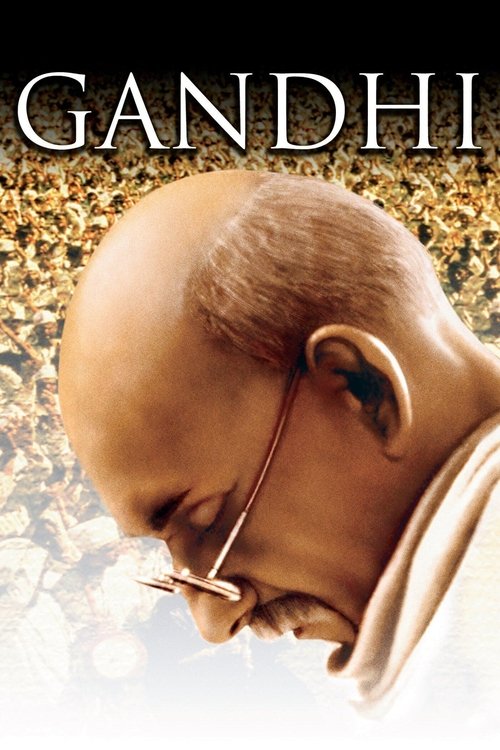
Gandhi1982
Attenborough's sweeping biography of nonviolent resistance. Similar scope and ambition; both films believe spiritual conviction can shape history.
But Often feels like institutional filmmaking. Less visually distinctive than Kundun despite its scale.
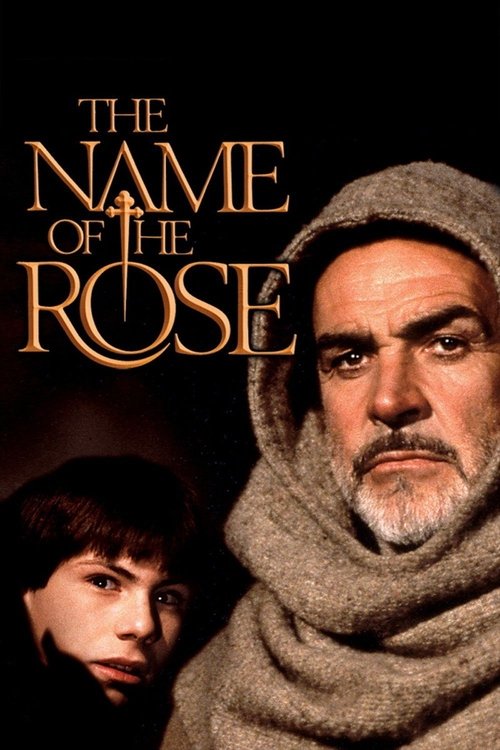
The Name of the Rose1986
Medieval monastery mystery where faith, power, and knowledge collide. Shares Kundun's interest in how institutions protect or corrupt spiritual life.
But A murder mystery first, philosophy second. Busier and more plot-driven than Kundun's contemplative rhythm.
Stalker1979
Tarkovsky's earlier masterwork about desire and belief. Like Kundun, it privileges mood and meaning over plot, asking what we actually seek.
But Soviet science fiction filmed in long, patient takes. Demands active engagement; rewards it generously if you surrender.

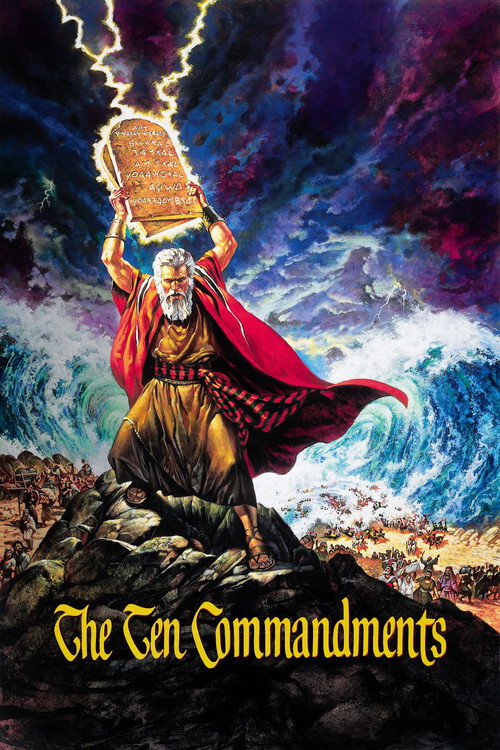
The Ten Commandments1956
DeMille's historical epic about spiritual awakening and liberation. Both films take religion seriously as cinema's subject matter and visual spectacle.
But Vastly more grandiose and less psychologically complex. Religious sentiment presented rather than questioned.
The Act of Killing2012
Both films use cinema to investigate how regimes require participation and silence, and what happens when that spell breaks. Kundun shows exile and escape; this shows what those who couldn't escape become.
Joshua Oppenheimer's documentary asking Indonesian death-squad leaders to recreate their murders. Unbearably difficult but essential: it examines conscience, complicity, and the possibility of acknowledgment in ways Kundun approaches from the other direction.
But Genuinely traumatic viewing. Documents real atrocity and collaboration. Requires moral preparation.

A Clockwork Orange1971
Both grapple with whether individual conscience can survive systematic dehumanization, but Kubrick explodes where Scorsese meditates. The wildly different registers prove they're asking the same question.
Kubrick's furious provocation about free will, state violence, and moral choice. Tonally opposite to Kundun—brutal, chaotic, mordantly funny—but asking identical questions: can systems remake humans? What is conscience against machinery?
But Notorious for its graphic violence and sexuality. Deliberately repellent. Some find it morally reckless rather than morally serious.

People
Cast
- Tenzin Thuthob TsarongDalai Lama (Adult)
- Tencho GyalpoMother
- Tsewang Migyur KhangsarFather
- Gyurme TethongDalai Lama (Age 12)
 Robert LinChairman Mao
- Tulku Jamyang Kunga TenzinDalai Lama (Age 5)
- Tenzin Yeshi PaichangDalai Lama (Aged 2)
- Tenzin TopjarLobsang (5-10)
- Tenzin LodoeTakster
- Geshi Yeshi GyatsoLama of Sera
- Losang GyatsoThe messenger
- Sonam PhuntsokReting Rinpoche
Directing
- Rachid GaidiAssistant Director
- Martin ScorseseDirector
- Ahmed HatimiFirst Assistant Director
- Jacki PhippsFirst Assistant Director
- Scott HarrisFirst Assistant Director
- James Ellis DeakinsScript Supervisor
- Abraham FraserSecond Assistant Director
- Alberto MangianteSecond Assistant Director
- Bernard BellewSecond Assistant Director
- Norman BernsSecond Assistant Director
- Barbara PastrovichSecond Second Assistant Director
- E.J. FoersterSecond Unit Director
- Phil MarcoSecond Unit Director
- Philip C. PfeifferSecond Unit Director
Writing
- Melissa MathisonScreenplay
Production
- Adil AbdelwahabCasting
- Ahmed AbounouomCasting
- Ellen LewisCasting
- Melissa MathisonCo-Producer
- Laura FattoriExecutive Producer
- Vito ColazzoLocation Manager
- Barbara De FinaProducer
Recommended by
Unmistaken Child, Silence, Seven Years in Tibet, Meeting People Is Easy, Himalaya, The Cardinal, The Hour of the Furnaces, What Remains of Us, Der Rosenkavalier, The Tibetan Book of the Dead: A Way of Life & The Great Liberation, Sri Siddhartha Gautama, The Flame Trees of Thika