
Film
The Cardinal
A sweeping 1963 epic following a Boston priest's rise to cardinal, wrestling with fascism, anti-Catholic prejudice, and family fracture across three continents. John Huston directs with maximum gravitas. It's a serious, ambitious film that trusts its audience's patience—nearly three hours of moral struggle, religious conviction, and the weight of institutional power. For those who want their drama substantial and their ambitions visible.
If you liked this
Spotlight2015
Another film about institutional Catholic authority under moral scrutiny, but from the investigative journalism angle. It has the same careful accumulation of evidence and the same question: what do institutions hide, and why? Gripping and perfectly controlled.
But It's a procedural about journalists making phone calls, so it lacks the epic sweep and visual grandeur of The Cardinal. More methodical than dramatic.

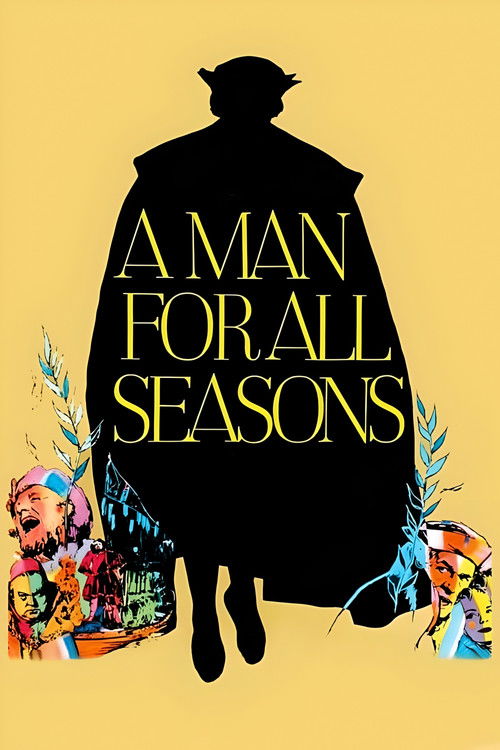
A Man for All Seasons1966
Another historical drama about a man of faith navigating impossible politics and conscience. Fred Zinnemann directing, Paul Scofield giving a quietly devastating performance. The stakes are even higher—it's about martyrdom, not just promotion.
But Deliberately theatrical and a bit stiff by design. If you found The Cardinal too earnest, this won't loosen up for you.
The Best Years of Our Lives1946
William Wyler's other monument to American experience, spanning years and examining how institutions and individuals remake themselves after trauma. Epic in ambition, intimate in execution. A film that knows how to spend its runtime.
But It's about returning soldiers, not clergy, so the spiritual struggle is different. And it's older, which means the pacing won't feel familiar.

Not sure tonight? Get a pick in a minute, starting from The Cardinal
The wildcard
Something you would not have found on your own.
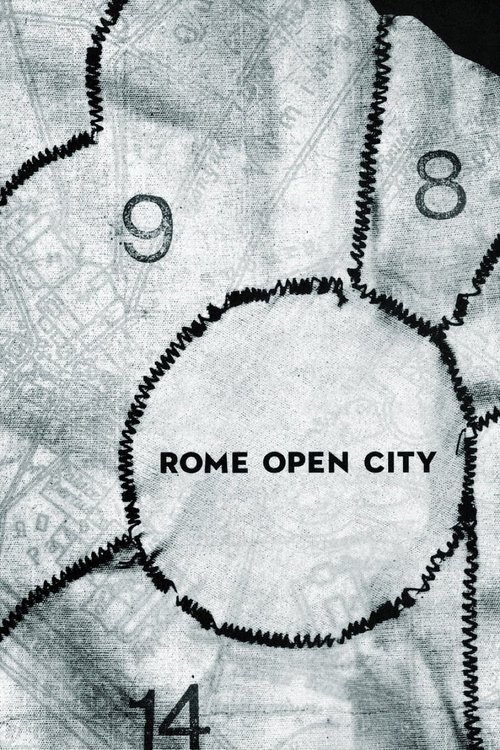
Rome, Open City1945
Both are films about moral catastrophe and what faith demands when systems fail. The Cardinal reaches this through institutional drama; Rome does it through neorealist documentation.
Rossellini's neorealist masterpiece about resistance and moral choice under Nazi occupation, shot in Rome itself with an immediacy The Cardinal only reaches through narrative. A priest is a peripheral figure, but the film's moral architecture—faith tested by totalitarianism—is identical to The Cardinal's.
But It's in Italian with subtitles, shot in rubble on a shoestring, with non-professional actors. The aesthetic is jarringly raw after The Cardinal's Technicolor formality. The brutality is also unsoftened.
More like this (8)
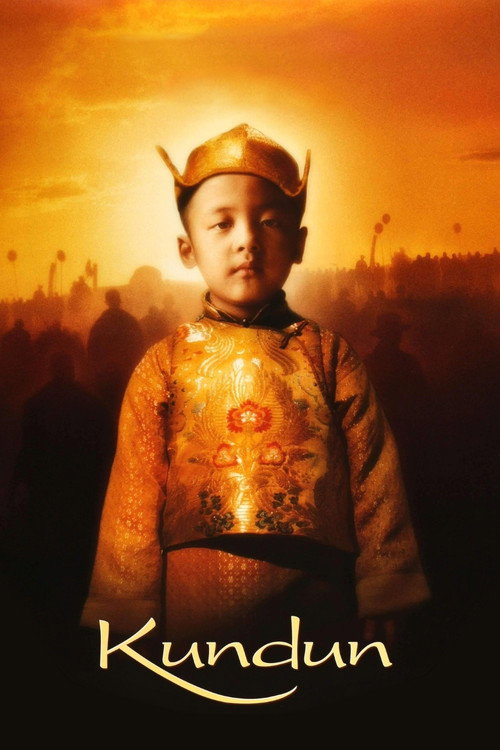
Kundun1997
Scorsese's film about the Dalai Lama's early life and rising spiritual authority, facing political forces beyond his control. A spiritual biography with the same visual seriousness and the same question about power versus conscience.
But It's visually abstract in ways The Cardinal isn't, and the political context is harder to follow if you don't know Tibetan history. Some find it static.
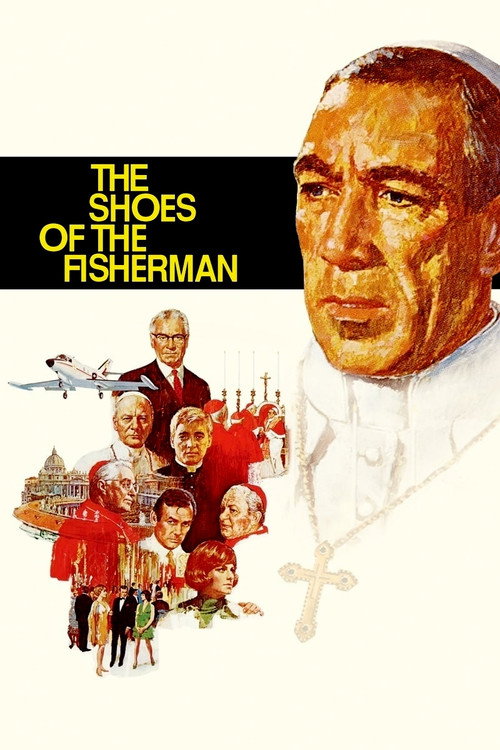
The Shoes of the Fisherman1968
Released just five years later, another Catholic epic about a man chosen for the papacy, navigating Cold War politics and moral compromise. Rod Steiger, Anthony Quinn—it has that same granular moral seriousness.
But It hasn't aged as well visually, and the political backdrop feels more dated. The earnestness can tip into melodrama.
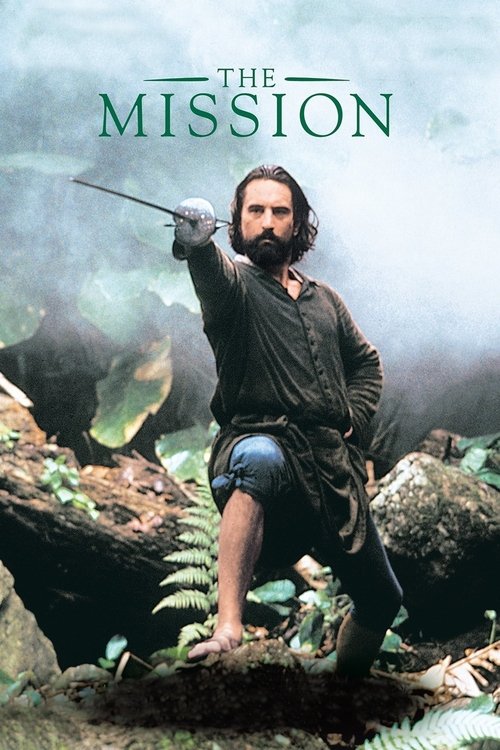
The Mission1986
Roland Joffé's film about Jesuit priests in 18th-century South America, caught between Church politics and conscience. Robert De Niro and Jeremy Irons. Questions of faith tested by power and empire, gorgeously shot.
But The moral positions are more clearly drawn than in The Cardinal, so there's less ambiguity. And the violence, when it comes, is harsher.
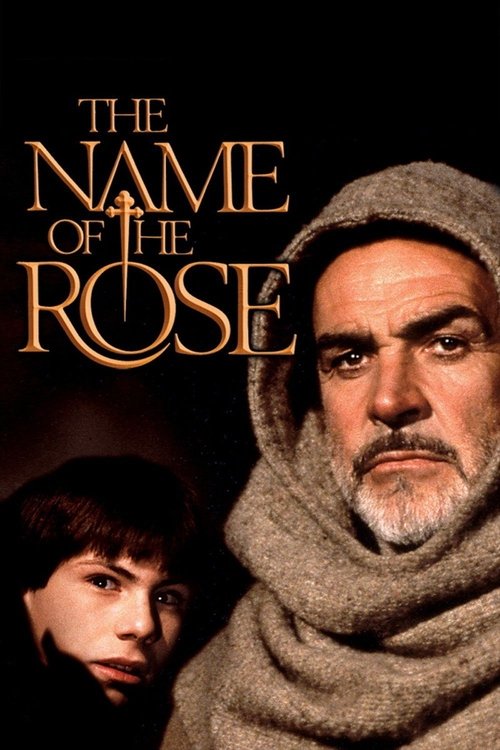
The Name of the Rose1986
Medieval monastery mystery with Sean Connery. It's about institutional secrecy, theological dispute, and a church protecting its authority over truth. Complex and meticulously constructed, like The Cardinal but as a thriller.
But It's genuinely difficult in places—the theology isn't simplified. And as a murder mystery, it moves differently than a biography does.
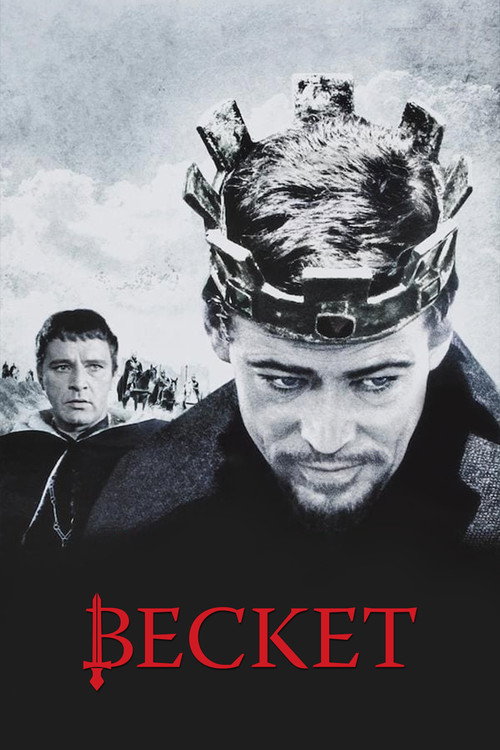
Becket1964
Peter Glenville directing Richard Burton and Peter O'Toole as men of faith and power in conflict. Another three-hour epic about conscience versus institutional loyalty, with magnificent theatrical performances.
But It's more interested in performance than psychology. The dialogue is quite formal, even declamatory. Some will find it stagy.
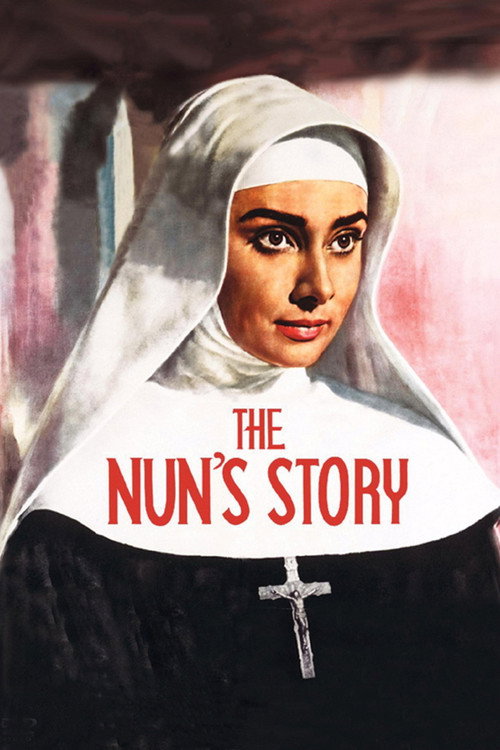
The Nun's Story1959
Audrey Hepburn as a nun questioning her vocation, wrestling with obedience and individual conscience. Fred Zinnemann again. Quieter than The Cardinal but asking similar questions about institutional life and personal doubt.
But It's centered on a woman's interior life rather than institutional power, so the scope feels smaller. The conflict is psychological rather than political.
There Is Also a Hole in the Student Organization!2026
The Cardinal uses one man's rise to examine institutional Catholicism; The Council shows the institution itself remade through council and compromise. The same world, different lens.
A Polish miniseries about the Council of Trent (1545-63), where the Catholic Church reformed itself in response to Protestantism. Ten episodes of theological and political intrigue, with The Cardinal's scope compressed into television's pacing. Handsome, rigorous, completely absorbing.
But It requires patience with European television rhythms and multiple plotlines. If you're not interested in the actual history of Catholic reform, the political detail will exhaust you. Very slow.
Stalker1979
Both are about men who have renounced conventional life to serve something larger, and both ask whether that renunciation was wisdom or self-deception. Tarkovsky strips away everything but the question itself.
Andrei Tarkovsky's film about a guide leading two men through a mysterious zone to a room that supposedly grants wishes. Ninety percent of it is three men walking and talking about faith, desire, and whether what you want is what you should have. Not a drama, not quite science fiction—a philosophical meditation.
But It's deliberately slow, visually austere, and has almost no plot. The dialogue is conversational and sometimes cryptic. If you came to The Cardinal for narrative momentum, this will feel like watching paint dry. It's 163 minutes of philosophy.

People
Cast
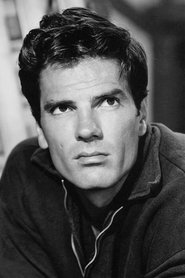 Tom TryonStephen Fermoyle
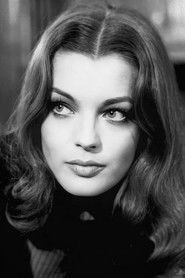 Romy SchneiderAnnemarie von Hartman
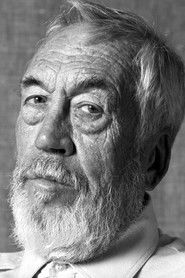 John HustonKardinal Glennon
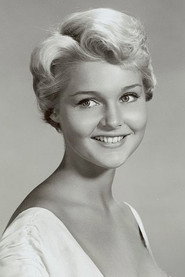 Carol LynleyMona Fermoyle / Regina Fermoyle
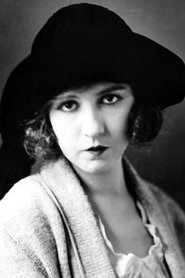 Dorothy GishCelia Fermoyle
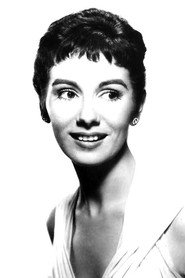 Maggie McNamaraFlorrie Fermoyle
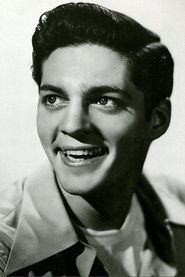 Bill HayesFrank Fermoyle
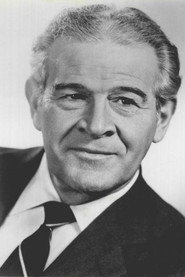 Cameron Prud'HommeDin Fermoyle
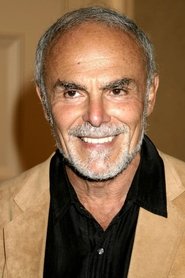 John SaxonBenny Rampell
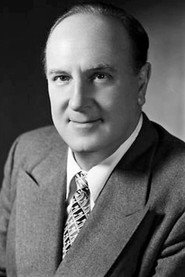 Loring SmithCornelius J. Deegan
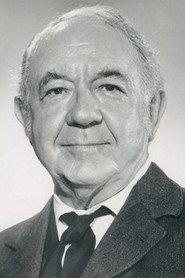 Cecil KellawayMonsignor Monaghan
- Jose DuvallRamon Gongaro
Directing
- Bob VietroAssistant Director
- Bryan CoatesAssistant Director
- Erich von Stroheim Jr.Assistant Director
- Gerry O'HaraAssistant Director
- Hermann LeitnerAssistant Director
- Roberto FizzAssistant Director
- Otto PremingerDirector
- Joe MarksSecond Assistant Director
Writing
- Henry Morton RobinsonNovel
- Ring Lardner Jr.Screenplay
- Robert DozierScreenplay
Production
- Martin C. SchuteAssociate Producer
- Bill BarnesCasting
- Otto PremingerProducer
- Eva MonleyProduction Manager
- Guy LuongoProduction Manager
- Harrison StarrProduction Manager
- Henry WeinbergerProduction Manager
- Paul WaldherrProduction Manager