
Film
A Man for All Seasons
A courtroom drama with almost no shouting, built from conversation, silence, and conscience. Paul Scofield's Thomas More is witty, immovable, and destroyed not by rage but by patient reasonableness. Fred Zinnemann's film trusts its audience to sit still for ideas, dressed in gorgeous Tudor cloth. For anyone who likes drama slow, literate, and morally exact.
If you liked this
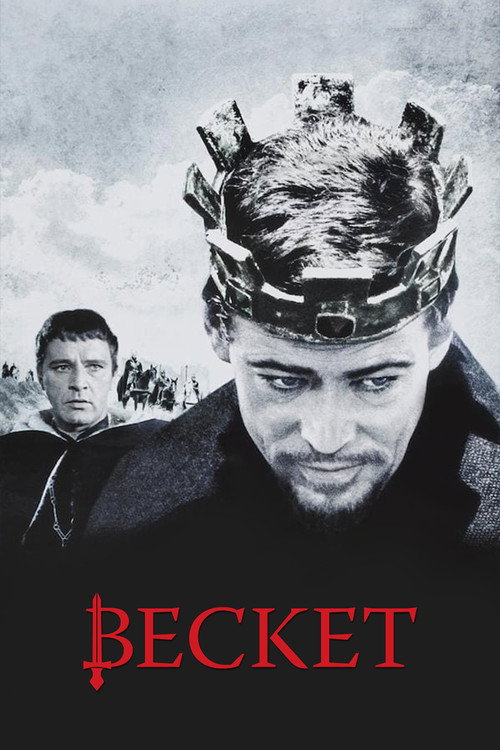
Becket1964
Same era of English kingship, same shape of story — a principled churchman colliding with a monarch who cannot bear to be refused, played with equally towering, Shakespearean-weight performances.
But The dense verbal sparring and theatrical staginess can feel like a filmed play rather than cinema.
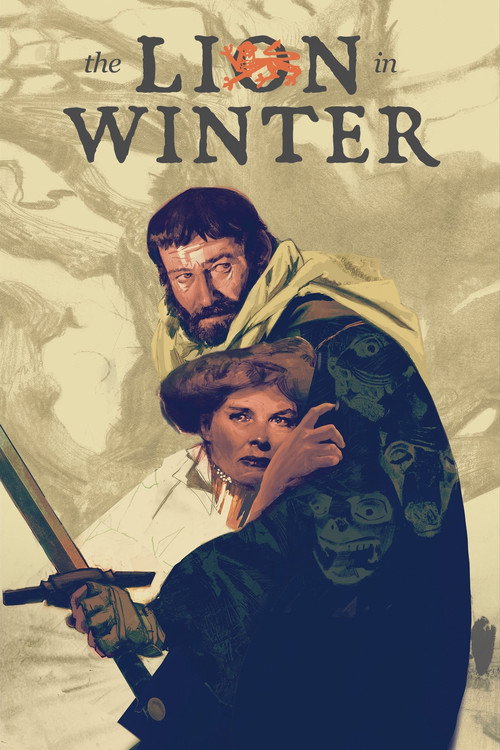
The Lion in Winter1968
Trade More's quiet dignity for pure blood-sport wit — Henry II's family tears itself apart over succession with dialogue sharp enough to draw blood, and the court's formality gives way to something feral.
But Its cynicism and constant scheming can feel exhausting if you want a hero to root for.
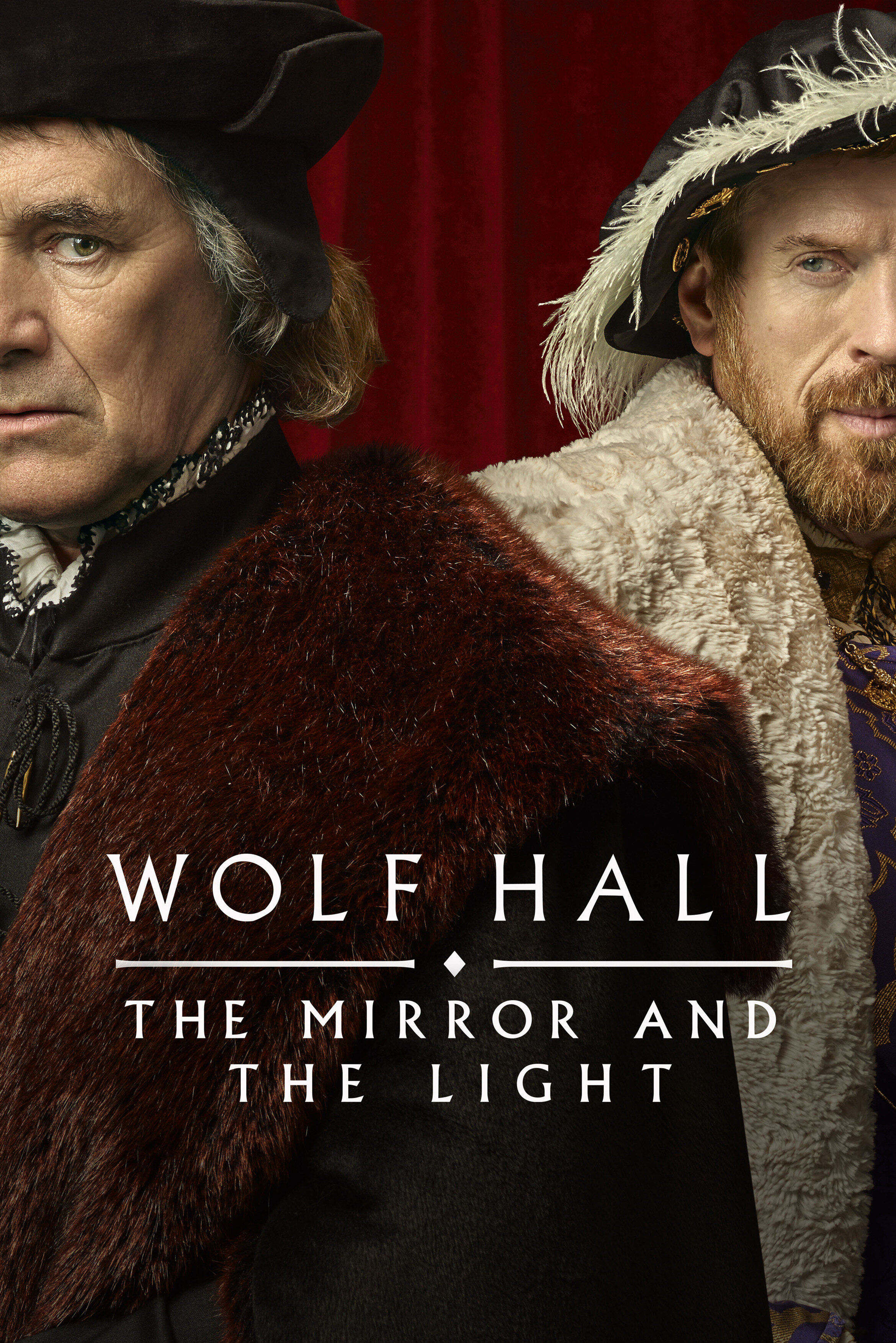
Wolf Hall2015
Watch the same story from Cromwell's side — the villain of A Man for All Seasons becomes a fascinating, pragmatic survivor, and the moral ground shifts entirely under your feet.
But Its slow, interior style and muted visuals demand patience; nothing is spelled out for you.
The wildcard
Something you would not have found on your own.
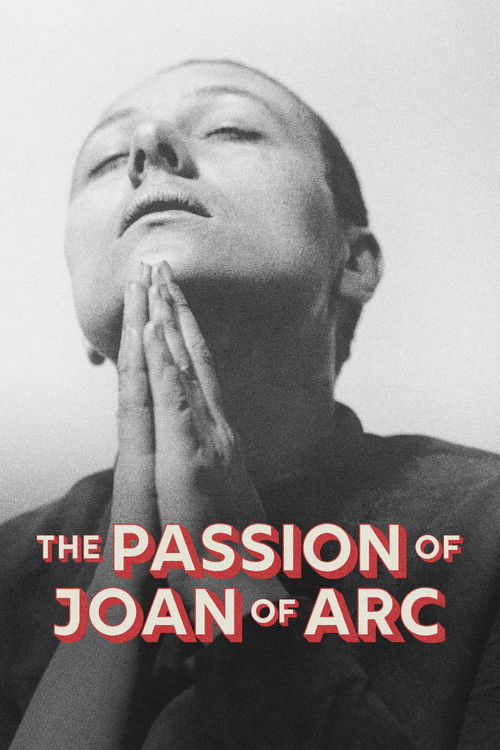
The Passion of Joan of Arc1928
Both turn a real historical trial into pure moral theatre — a single person refusing to say words they don't believe, watched by men who've already decided the outcome.
A teenage girl faces down a tribunal of powerful men demanding she recant her faith to save her life — the same interrogation-as-drama structure, stripped down to just faces and silence.
But It's a silent film with intertitles and unfamiliar rhythms; the extreme close-ups take adjustment.
More like this (8)
Anne of the Thousand Days1969no page yet
The same divorce crisis that destroys More, told from inside the royal marriage — Anne Boleyn's rise and fall makes a fitting companion piece, equally lush and literate.
But It leans more romantic melodrama than moral argument, so the ideas carry less weight.
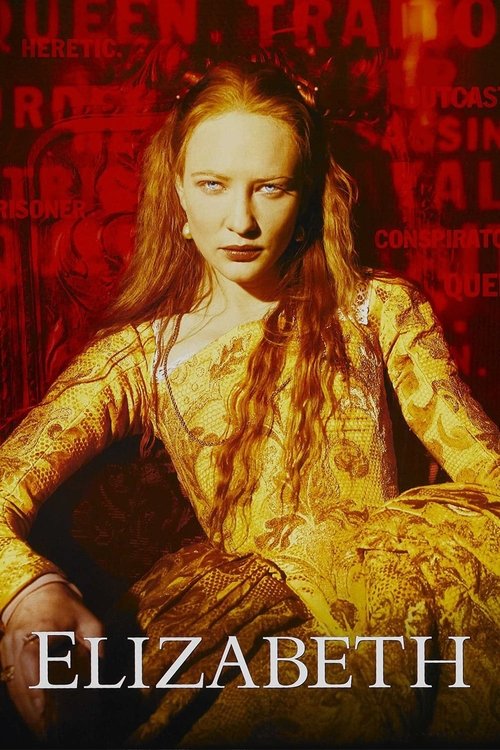
Elizabeth1998
Jump a generation forward to see the Tudor court's paranoia and religious violence continue under Henry's daughter, filmed in a colder, more modern visual style.
But Its Machiavellian pacing and stylised violence trade the earlier film's restraint for spectacle.
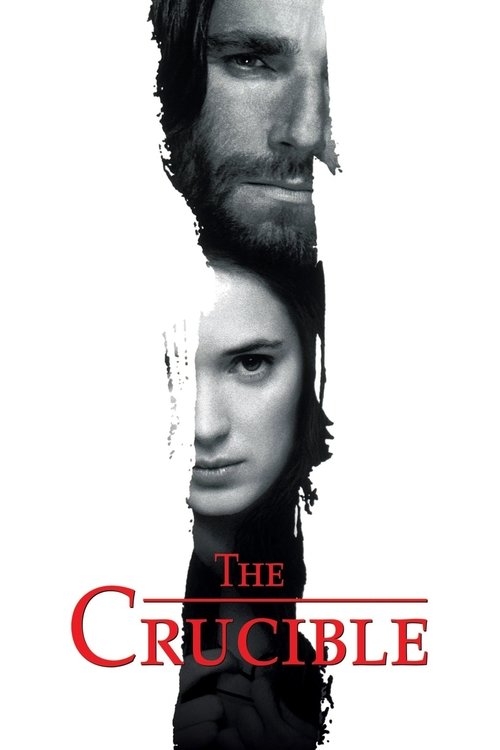
The Crucible1996
Arthur Miller's own adaptation gives you another man crushed by a tribunal for refusing to lie about his conscience, transplanted to hysterical Puritan New England.
But The shouting and fever-pitch hysteria are a world away from More's calm; some find it overwrought.
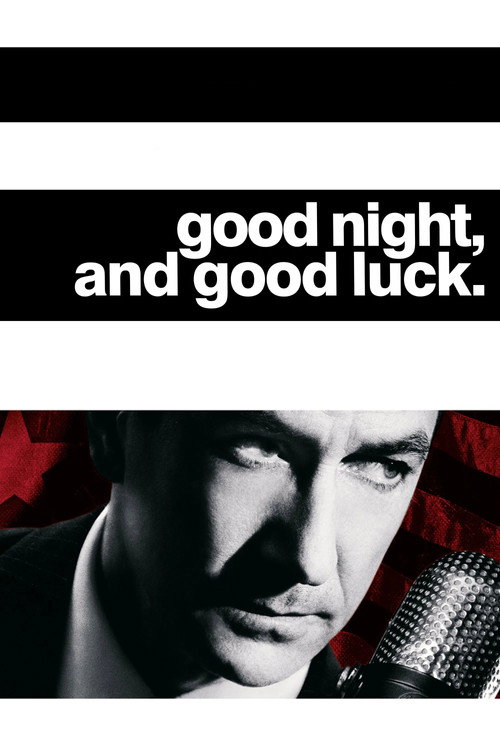
Good Night, and Good Luck.2005
A modern, monochrome cousin — a man risking his career to refuse a lie demanded by power, journalism versus McCarthyism instead of church versus crown.
But Its restraint and brevity mean less emotional catharsis; it's cool where Scofield's film is warm.
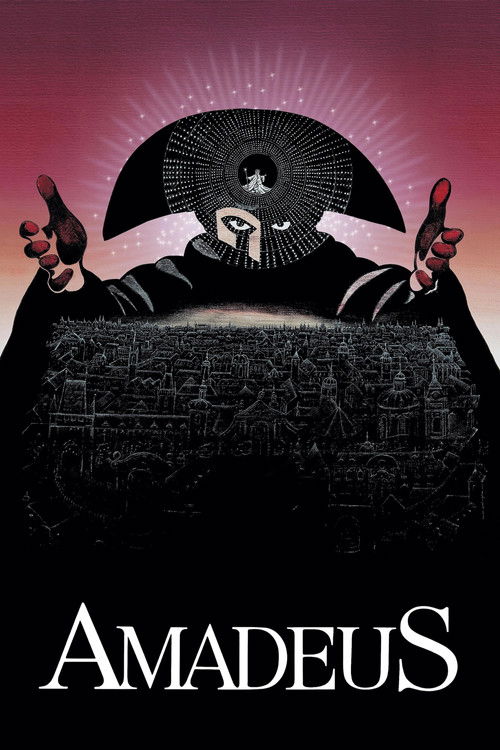
Amadeus1984
Another sumptuous, dialogue-driven historical drama about genius, envy and institutional power, with a lead performance towering enough to rival Scofield's command of the screen.
But It's about art and jealousy rather than conscience and faith, so the moral stakes feel lighter.
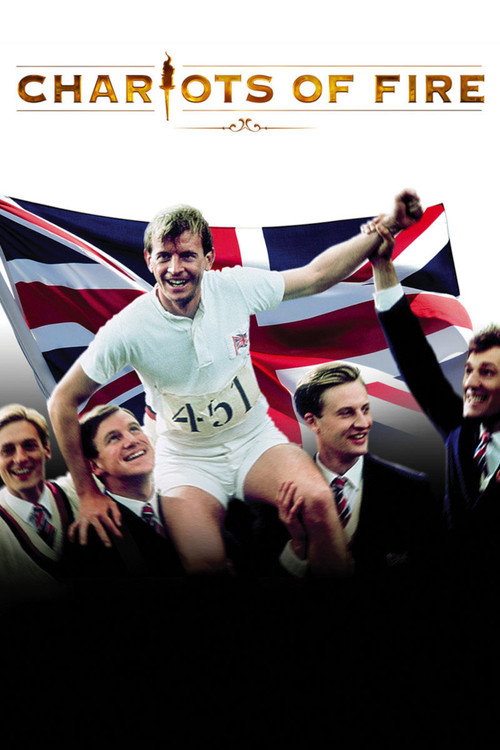
Chariots of Fire1981
A gentler take on the same theme — a man refusing to compromise his principles even when it costs him everything he's trained for, set against a very English backdrop of duty and faith.
But The stakes are personal and sporting rather than life-and-death, so it can feel slight by comparison.
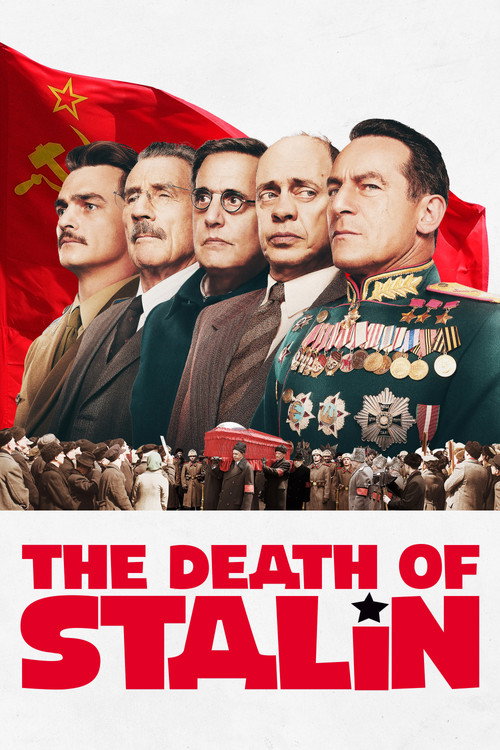
The Death of Stalin2017
Both study survival inside a court where loyalty is demanded and conscience is dangerous — one plays it as tragedy, the other as pitch-black comedy about the same instinct to self-preserve.
The same machinery — powerful men deciding who lives, who recants, who is destroyed for convenience — but played as merciless farce, so you laugh even as the fear underneath never lets up.
But The tonal whiplash between comedy and real brutality unsettles some; it's deliberately cruder and messier than the stately original.
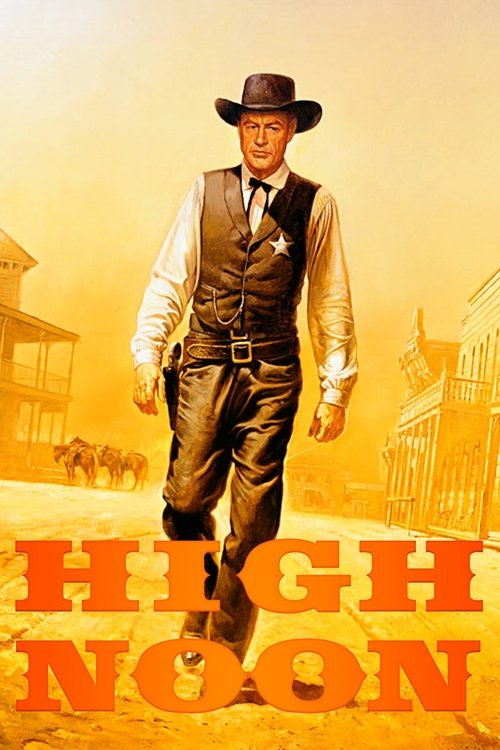
High Noon1952
Both are studies of a man alone against a community that wants him to just go along — the crown and the townsfolk apply the same pressure, only the costume changes.
Swap the Tudor court for a dusty frontier town and you get the same skeleton — one man standing on principle while everyone around him urges compromise, counted down in real time.
But It's a lean, unfussy western with none of the period richness or verbal elegance; the moral point lands blunter and faster.
People
Cast
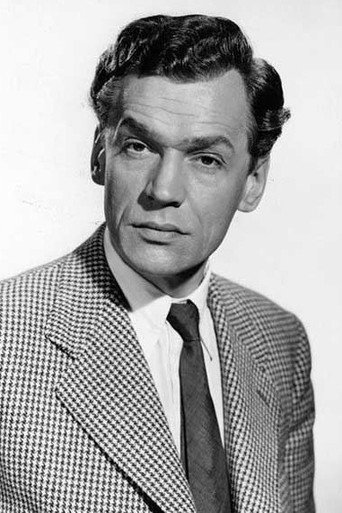 Paul ScofieldThomas More
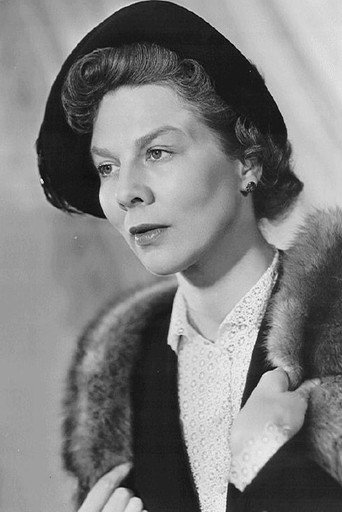 Wendy HillerAlice More
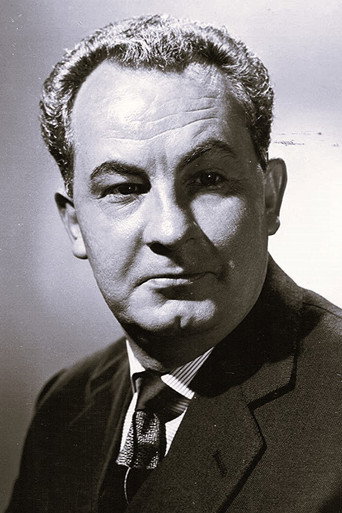 Leo McKernThomas Cromwell
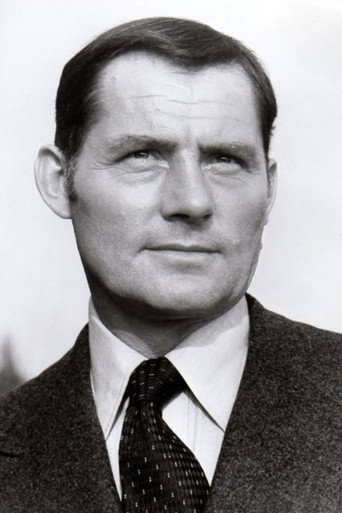 Robert ShawKing Henry VIII
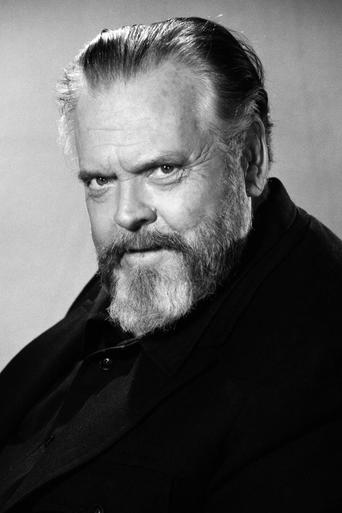 Orson WellesCardinal Wolsey
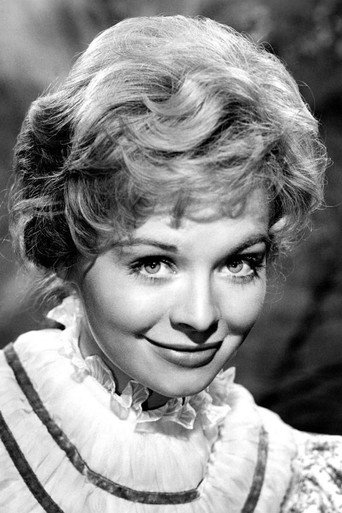 Susannah YorkMargaret More
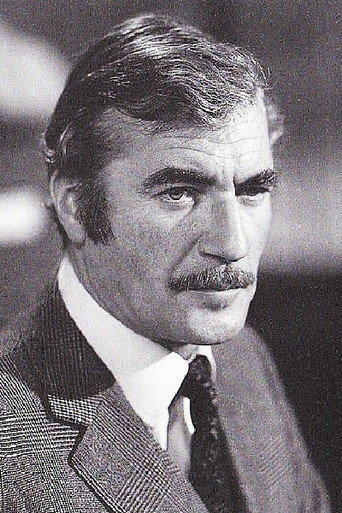 Nigel DavenportThe Duke of Norfolk
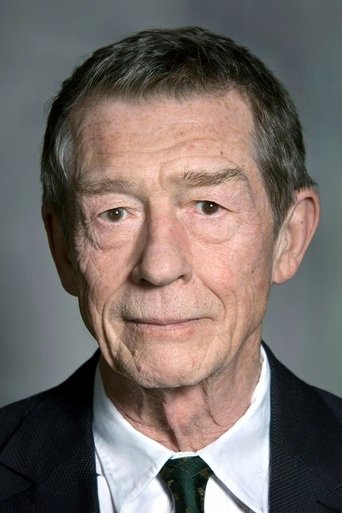 John HurtRichard Rich
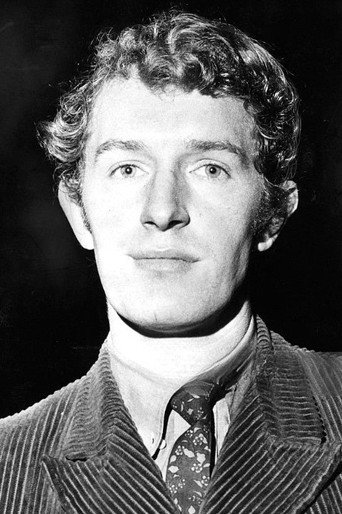 Corin RedgraveWilliam Roper (the Younger)
 Colin BlakelyMatthew
 Cyril LuckhamArchbishop Cranmer
 Jack GwillimChief Justice
Directing
- Peter BoltonAssistant Director
- Connie WillisContinuity
- Fred ZinnemannDirector
- Patrick CareySecond Unit Director
Writing
- Robert BoltScreenplay
- Robert BoltTheatre Play
Production
- Robert LennardCasting
- William N. GrafExecutive Producer
- Fred ZinnemannProducer
- William KirbyProduction Supervisor
Recommended by
Judgment at Nuremberg, Wolf Hall, The Tudors, Richard III, The Seventh Seal, Elizabeth R, The First Churchills, The Life of Emile Zola, Henry V, Richard III, Elizabeth, Official Secrets, The Passion of Joan of Arc, The Lion in Winter, The Six Wives of Henry VIII, The Virgin Spring, Becket, Joan of Arc