
Film
Exodus
Exodus is an epic historical drama about the 1947 voyage of a ship carrying 600 Jewish refugees toward Palestine, defying British blockade. Paul Newman leads a sprawling ensemble through a story of political will, survival, and the birth of a nation. It's grand filmmaking—sweeping, earnest, occasionally stiff—for those who want history served as spectacle.
Should you watch it?
Watch it if you love sweeping, old-fashioned epics where history is told through big personal stakes, a large cast, and a romance tangled up in political conviction, and you don't mind a film that's openly argued rather than neutral.
Skip it if you want a lean, fast-moving picture; at 208 minutes with lengthy talky stretches and a stately, heavily dramatized style, its pace will test your patience.
What it asks of you: Settle in for a very long sitting, with a slow build, many conversations and a steady, earnest tone that gives room to big speeches and sweeping scenes.
Not sure? Find tonight's pick in a minute.
If you liked this
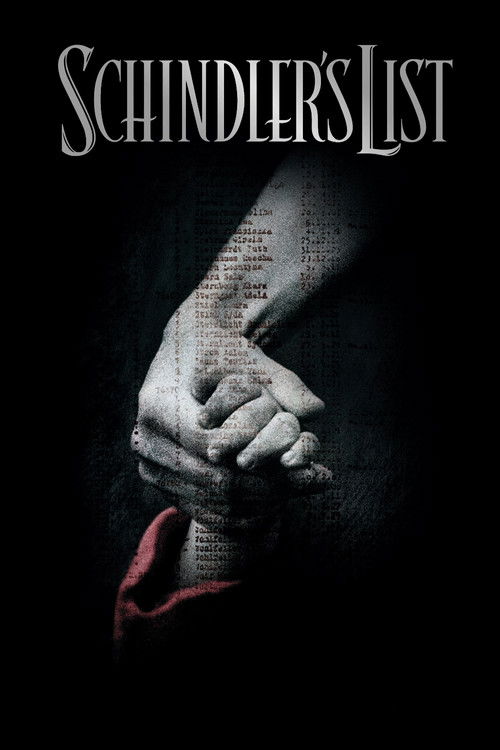
Schindler's List1993
Spielberg's masterpiece transforms documentary horror into unbearable human truth. It's the definitive film about the Holocaust and its aftermath, more emotionally devastating than anything else on this list.
But Nearly three and a half hours of unrelenting darkness. The graphic violence in the Kraków ghetto sequences is not cathartic—it's meant to wound.
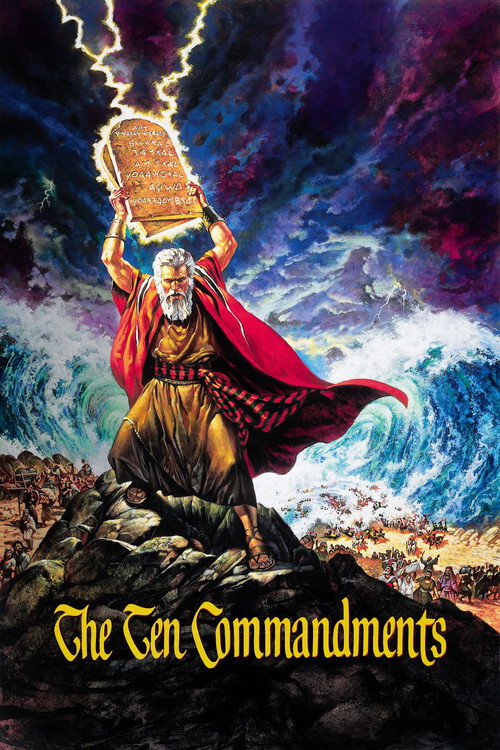
The Ten Commandments1956
DeMille's biblical epic shares Exodus's DNA: grand scale, moral urgency, impossible journeys, ensemble casts speaking in classical cadences. It's operatic cinema from the same era, equally committed to its vision.
But Even by 1950s standards, the dialogue feels reverential and the pacing glacial. The special effects show their age, sometimes unintentionally funny.
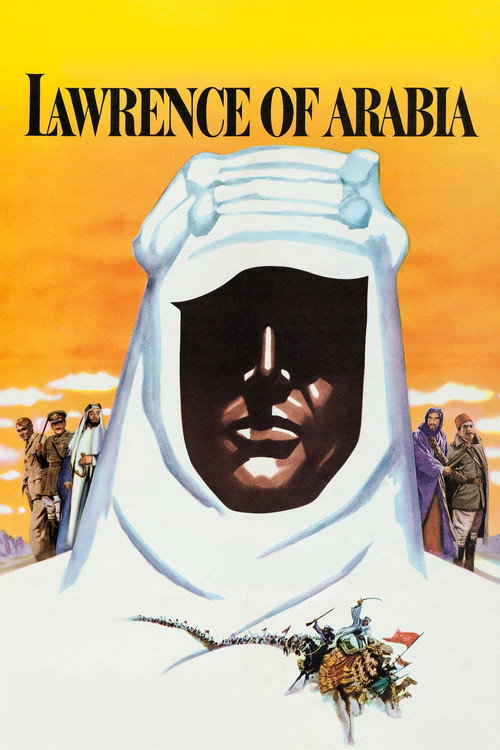
Lawrence of Arabia1962
David Lean's masterpiece about another charismatic outsider navigating impossible geopolitics in the Middle East. Visually and narratively on another plane—this is what Exodus reaches for but rarely achieves.
But 190 minutes with a 15-minute intermission. The political nuance makes it slower and colder than Exodus, which some find remote.
Not sure tonight? Get a pick in a minute, starting from Exodus
The wildcard
Something you would not have found on your own.
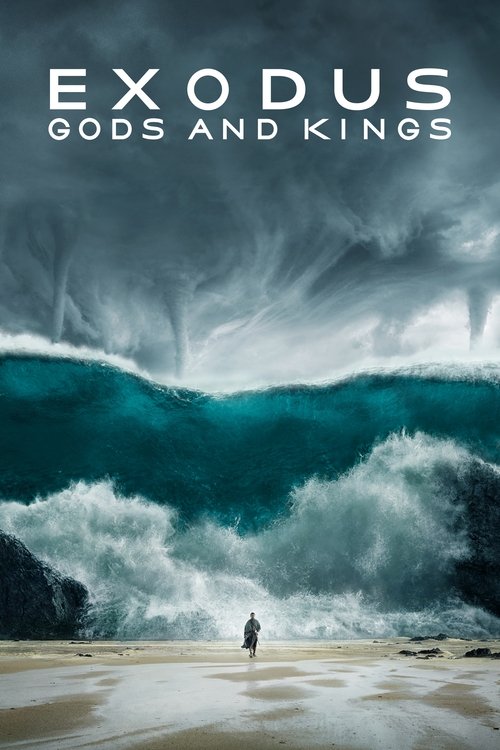
Exodus: Gods and Kings2014
Both adapt exodus narratives but land in opposite places on faith and historical intervention. The original is a hymn; the remake is a question.
Ridley Scott remakes the biblical story that inspired the 1960 Exodus, with Christian Bale as an almost-atheist Moses. It's visual spectacle married to theological doubt—the inverse of the original's spiritual certainty. Watch them back-to-back to see how the same story splits across fifty years of doubt.
But The 2014 film is a mess—confused about what it wants to say, and the reviews were brutal. But that confusion is exactly what makes it a wildcard: the past and the present arguing.
More like this (8)
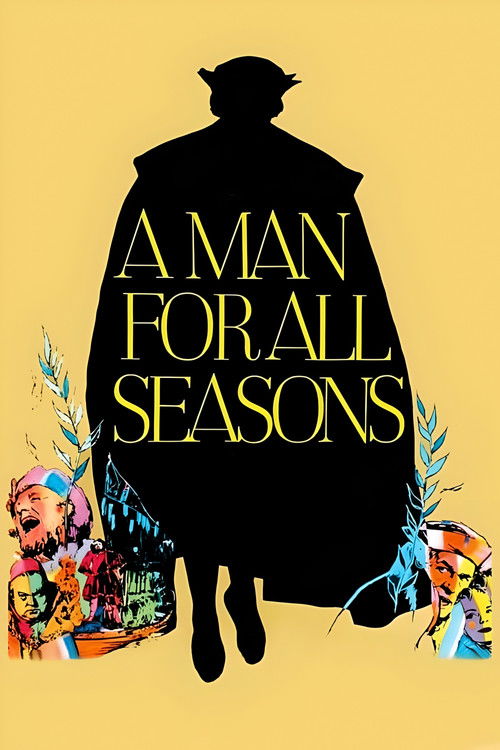
A Man for All Seasons1966
Period drama with moral architecture and stagecraft intelligence. Robert Bolt's screenplay (he also wrote Exodus) balances conviction, doubt, and the cost of standing against empire with rare sophistication.
But Deliberately theatrical and talky. If you want action, this is not it; if you want ideas wrestled with, this is serious business.
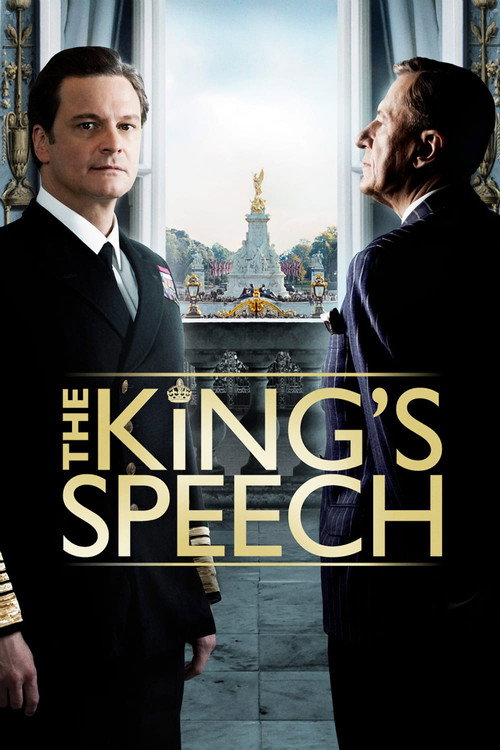
The King's Speech2010
Another historical drama about ordinary people finding extraordinary resolve. The intimacy and humour balance the weight; it's Exodus for audiences who want their epics smaller and warmer.
But The stakes are lower—stammering through radio broadcasts is not the same as stateless refugees. Some find the feel-good arc too neat.
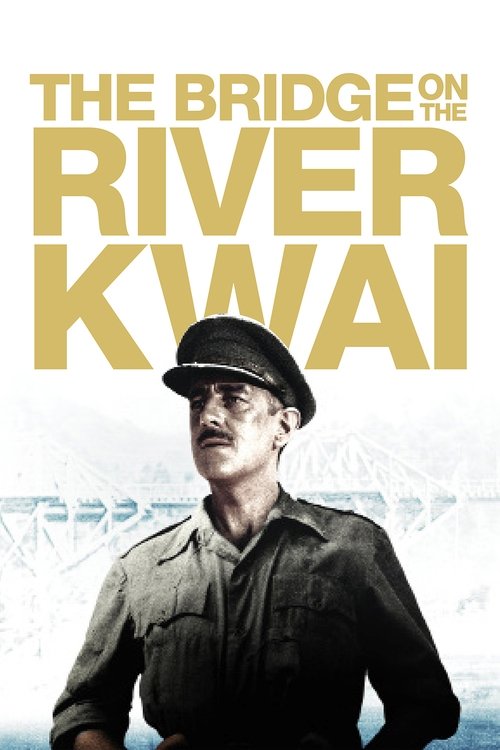
The Bridge on the River Kwai1957
Lean again, with Newman-adjacent leading man Alec Guinness. Epic war drama about conscience, compromise, and the absurdity of obstruction. Taut where Exodus sprawls, smarter where it's earnest.
But The colonial attitudes in the script haven't aged well, and the ending lands differently now. More morally complicated than comfortable.
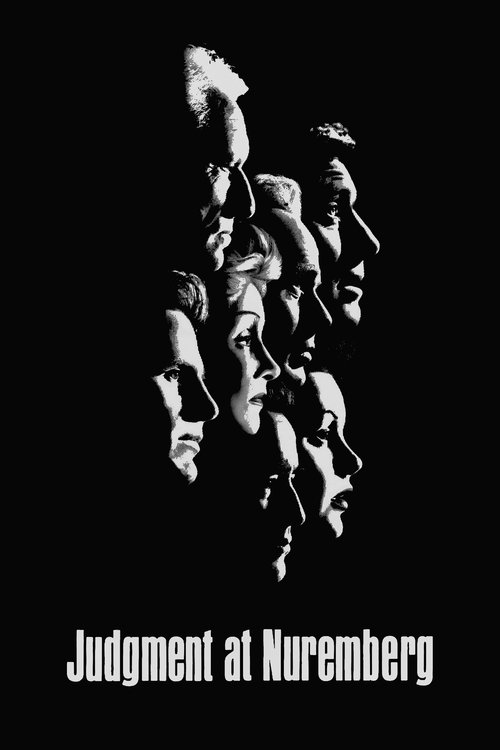
Judgment at Nuremberg1961
Another sprawling courtroom epic about accountability, history, and what nations owe each other. Spencer Tracy and Richard Widmark anchor a film that cares about justice the way Exodus cares about freedom.
But It's a trial film—three hours of intelligent argument punctuated by testimony. The pacing is Brechtian; you watch rather than get swept up.
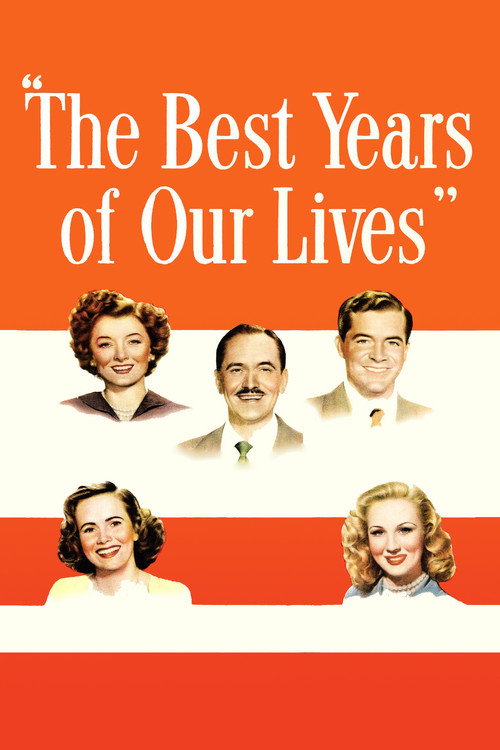
The Best Years of Our Lives1946
William Wyler's epic about people trying to rebuild after catastrophe. It shares Exodus's faith in human resilience and its three-hour commitment to ensemble stories about displacement and belonging.
But Postwar American optimism feels dated. The gender politics are period-specific. It's earnest in ways that can seem simplistic to modern eyes.
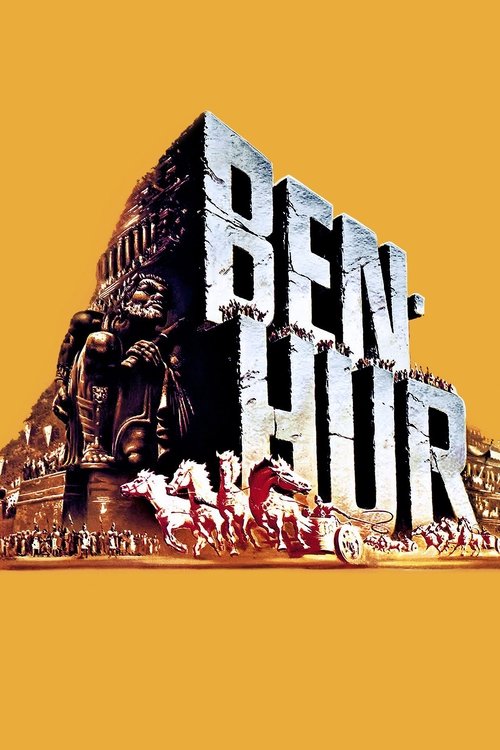
Ben-Hur1959
The companion piece to Exodus—biblical epic from the same era with overlapping aesthetics and themes. Charlton Heston and the famous chariot race. It's kinetic where Exodus is stationary, but equally committed to spectacle and moral clarity.
But Even more theatrical than Exodus, with actors declaiming rather than acting. The three-and-a-half-hour runtime includes a 70-minute first act that's mostly setup.
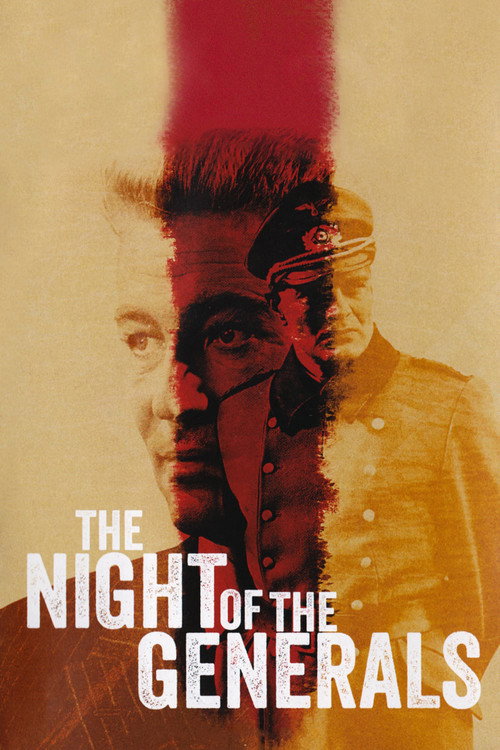
The Night of the Generals1967
Same screenwriter, same era of filmmaking, same DNA applied to a different genre. Both believe in cinema as a place to think through history, not just show it.
A war thriller by the same screenwriter as Exodus (Peter Glenville adapted both), with Peter O'Toole and Omar Sharif investigating a wartime murder. It's the same sensibility—grand-scale historical drama, moral clarity, brilliant supporting casts—deployed as noir instead of epic.
But Structurally confusing. The flashback logic is baroque and sometimes doesn't hold. The pacing drags. It's an interesting failure more than a success.
The Battle of Algiers1966
Both are about stateless peoples resisting empire, but one films it as spectacle and inspiration; the other films it as chaos and necessity. Seeing them together teaches you how form shapes politics.
Shot as documentary-realism rather than spectacle, Pontecorvo's masterpiece is about colonial occupation and anti-colonial resistance—the mirror-image politics of Exodus. It's in black-and-white, shot with handheld immediacy, morally alive in ways the epic form rarely permits.
But It is explicitly a political film made by a communist filmmaker about urban terrorism. If you want moral clarity, this refuses it. Visceral, sometimes hard to watch, and deliberately ambiguous about which side to root for.

People
Cast
 Paul NewmanAri Ben Canaan
 Eva Marie SaintKitty Fremont
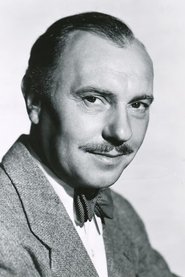 Ralph RichardsonGen. Sutherland
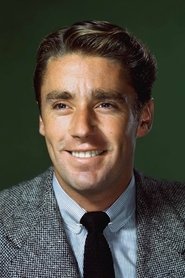 Peter LawfordMaj. Caldwell
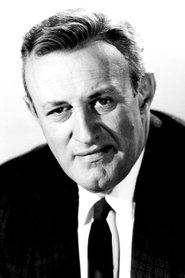 Lee J. CobbBarak Ben Canaan
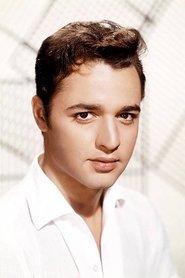 Sal MineoDov Landau
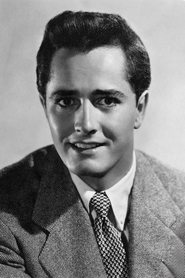 John DerekTaha
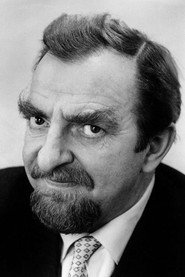 Hugh GriffithMandria
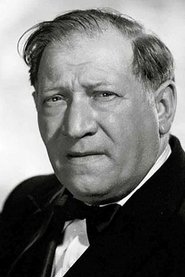 Gregory RatoffLakavitch
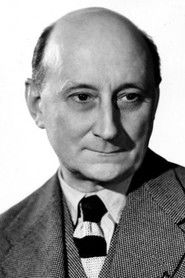 Felix AylmerDr. Lieberman
 David OpatoshuAkiva Ben Canaan
 Jill HaworthKaren
Directing
- Otto PremingerDirector
- Angela MartelliScript Supervisor
Writing
- Leon UrisNovel
- Dalton TrumboScreenplay
Production
- Otto PremingerProducer
- Noreen HipwellProduction Secretary