
Film
Judgment at Nuremberg
Not a whodunit but a three-hour cross-examination of conscience: four German judges on trial for enforcing Nazi law, and Spencer Tracy's American judge trying to work out where obedience ends and guilt begins. It's stagey, wordy, and unhurried by design — closer to a moral inquest than a thriller. For anyone who wants big performances arguing big ideas, not courtroom fireworks.
If you liked this
Inherit the Wind1960
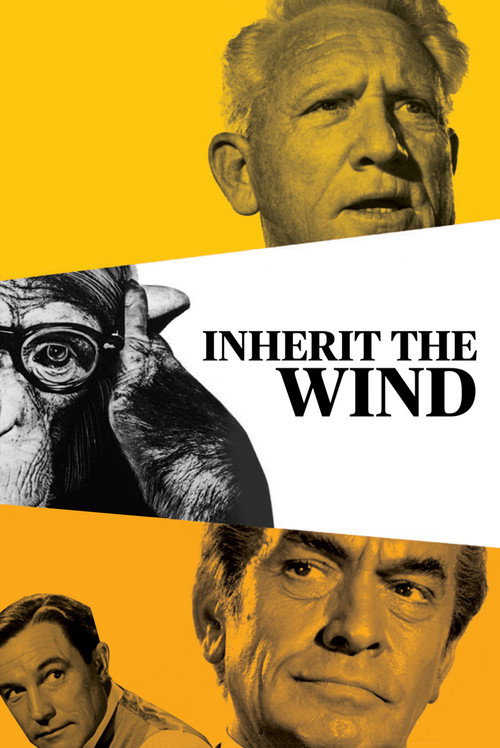
Spencer Tracy again anchors a courtroom battle over ideas — evolution versus fundamentalism this time — with the same slow-burn conviction and moral clarity he brought to the judge's chair in Nuremberg.
But The Scopes trial framing feels dated now, and its stakes are more abstract than a genocide trial's.
12 Angry Men1957
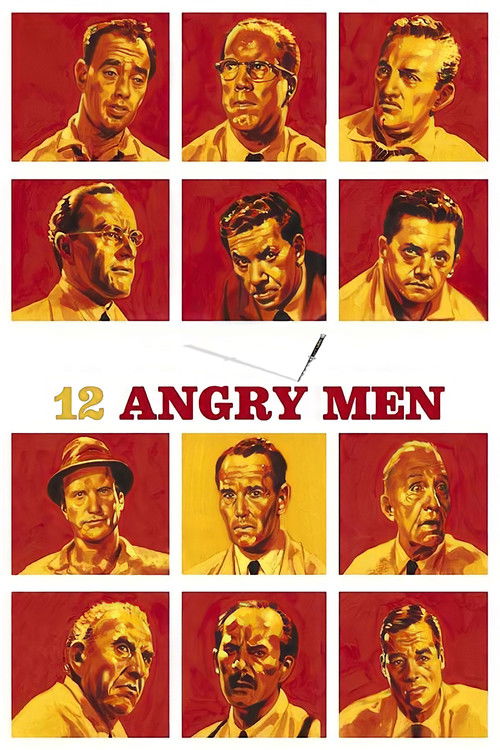
The tightest courtroom drama ever made — one room, twelve men, nothing but conscience for evidence. If Nuremberg's historical scale is a lot to hold, this narrows the same question down to a jury table.
But No history, no spectacle, just argument — some find that claustrophobic rather than gripping.
The Verdict1982
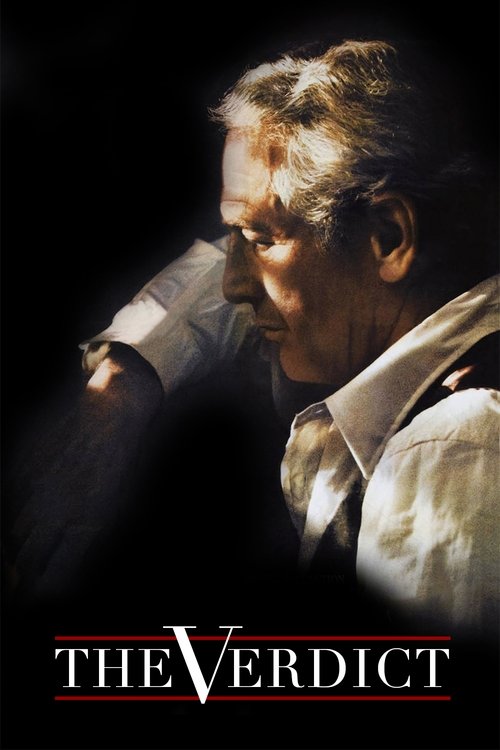
Paul Newman as a washed-up lawyer chasing one last shot at redemption, in a courtroom that becomes a referendum on his own conscience as much as his client's case.
But Smaller and more personal — one man's soul rather than a nation's, closer to melodrama than history.
The wildcard
Something you would not have found on your own.
The Zone of Interest2023
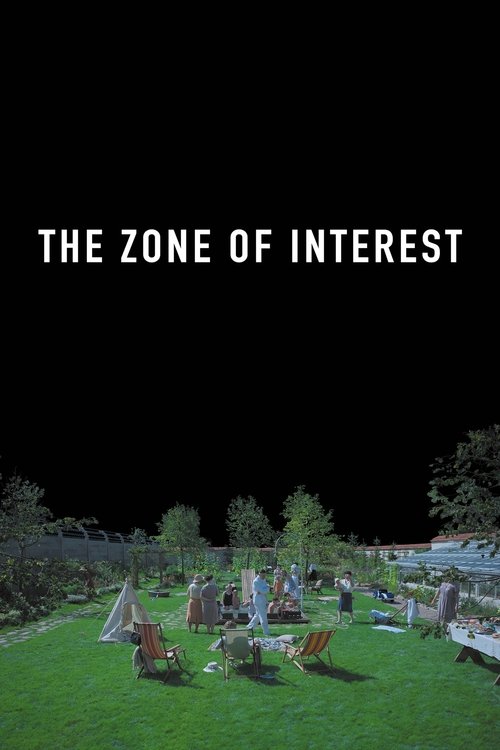
It shares Nuremberg's exact moral core — ordinary people insisting they didn't really know — but stages it as domestic realism instead of legal argument, forcing you to sit with the banality rather than judge it from a bench.
It puts you inside the domestic life next door to Auschwitz, where atrocity is just background noise to gardening and dinner parties — an unbearable, quiet answer to everything argued in words at Nuremberg.
But Almost unbearably restrained — no violence shown, no verdict given, just dread; some viewers need the courtroom's release valve.
More like this (8)
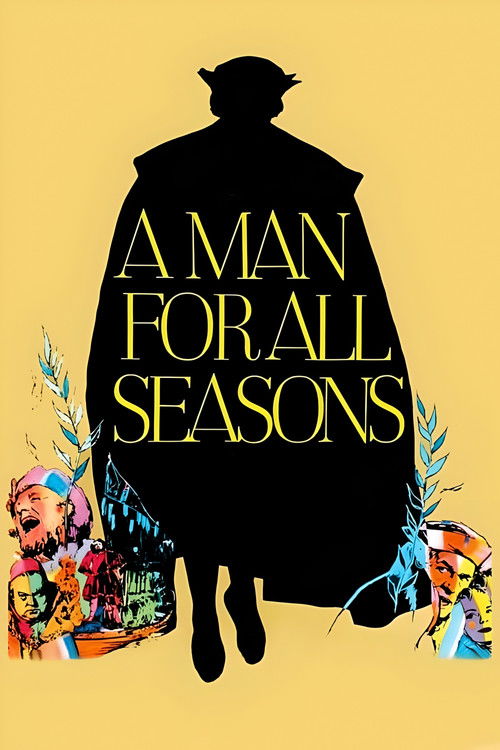
A Man for All Seasons1966
Paul Scofield's Thomas More refuses to bend his conscience to a king, asking the same question Nuremberg does: what do you owe the law when the law itself is wrong?
But Talky and theatrical, set four centuries earlier — it can feel remote if you wanted twentieth-century immediacy.
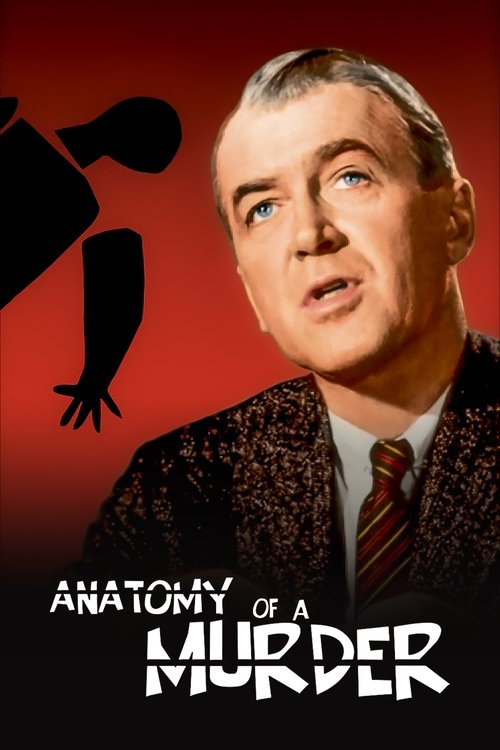
Anatomy of a Murder1959
Same era, same appetite for procedure and cross-examination, but the moral fog here is personal rather than civilizational — Jimmy Stewart defends a man everyone assumes is guilty.
But Its ambiguity is deliberate and unresolved; if you want judgment delivered, this refuses to give it.
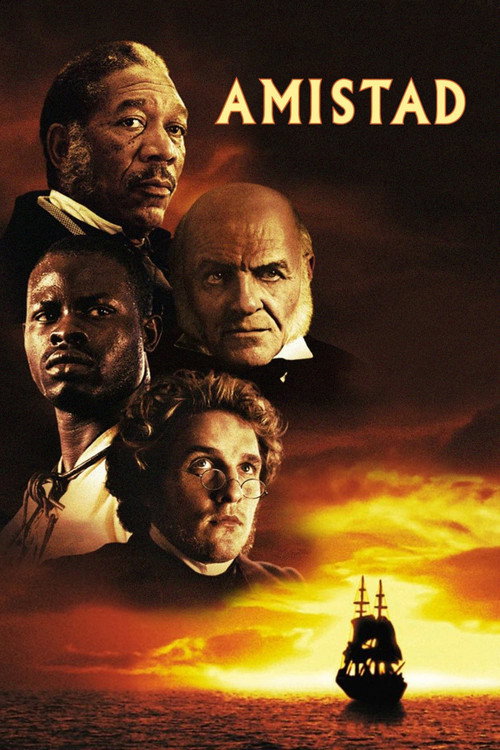
Amistad1997
Spielberg's own courtroom epic asks a version of Nuremberg's question in reverse — who's complicit, and who answers for a system built on cruelty, long before anyone stands trial.
But More sentimental in places, and its courtroom theatrics lean harder into Hollywood uplift.
The Reader2008no page yet
A generation later, Germans are still asking what Nuremberg posed — how do you love someone, or come from somewhere, that did what was done?
But Its central relationship is uncomfortable by design, and some find the guilt metaphor too neat.
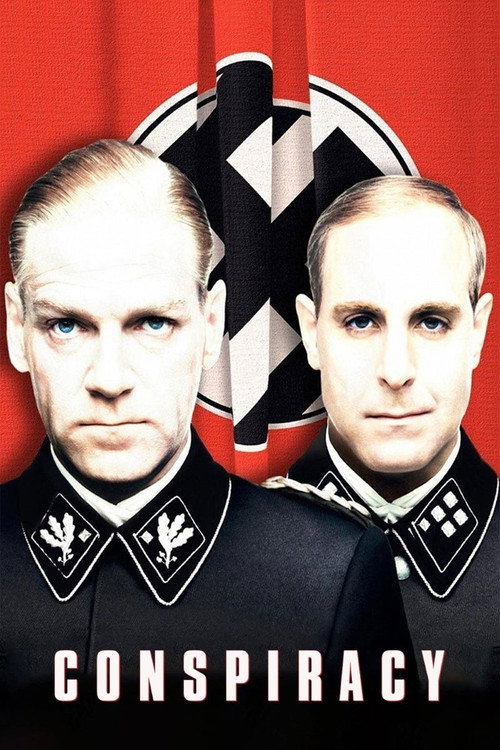
Conspiracy2001
The chilling flip side of the trial — not the reckoning but the meeting where the Final Solution was actually planned, played as calm bureaucratic small talk.
But No trial, no catharsis — just the machinery being built, bleaker with nowhere to land.
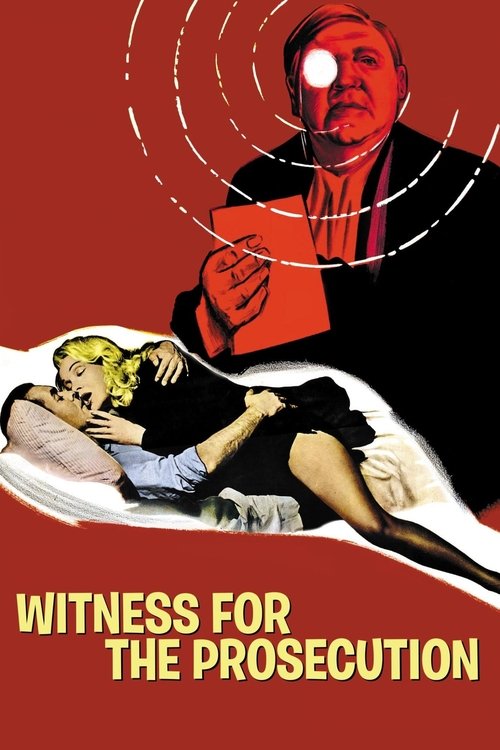
Witness for the Prosecution1957
If you loved the courtroom choreography more than the history lesson, here's the same era's courtroom drama at its most theatrical, twisty, and purely entertaining.
But Pure entertainment with a twist ending — no moral weight, no history, just craft.
Nuremberg: Its Lesson for Today1948no page yet
This is the literal source material: Kramer's film restages scenes and echoes archival footage this documentary compiled right after the war, so watching it is like seeing the raw evidence behind the courtroom performance.
The real trial, real footage, narrated with the same clarity the fictional version dramatizes — including the concentration-camp reels that shocked the actual courtroom and inspired the film's most devastating scene.
But Blunt, dated propaganda-style narration with no performances to soften it — history as document, not drama.
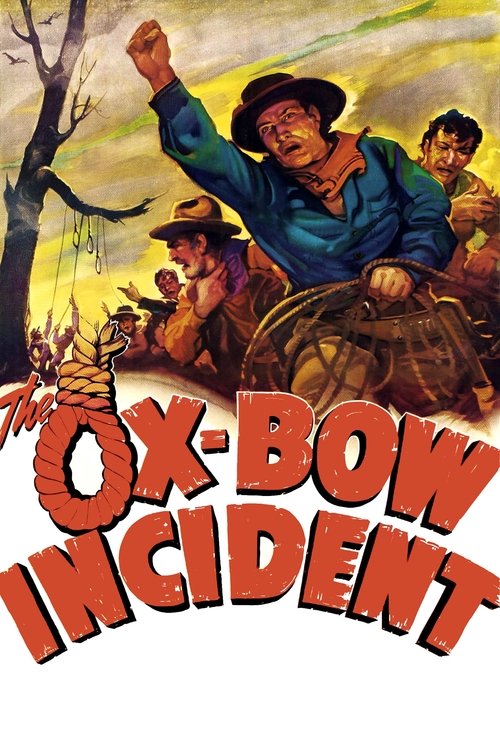
The Ox-Bow Incident1943
It levels the same indictment of collective self-justification that Nuremberg brings against a nation, just relocated to a frontier town and told in seventy-five economical minutes instead of three courtroom hours.
A Western made while the war was still on, about a lynch mob convincing itself it's delivering justice — the same 'everyone believed it' logic Nuremberg puts on trial, eighteen years earlier and worlds away.
But Small, stagey, and moralizing by 1940s standards — the message lands with a heavier hand than some will want.
People
Cast
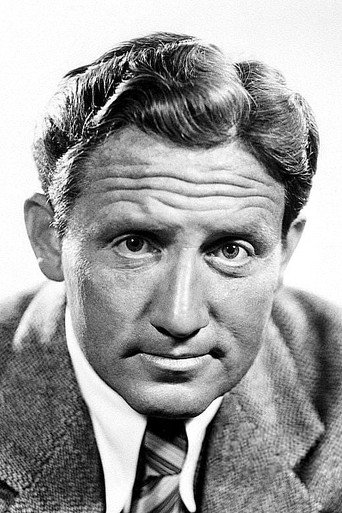 Spencer TracyDan Haywood
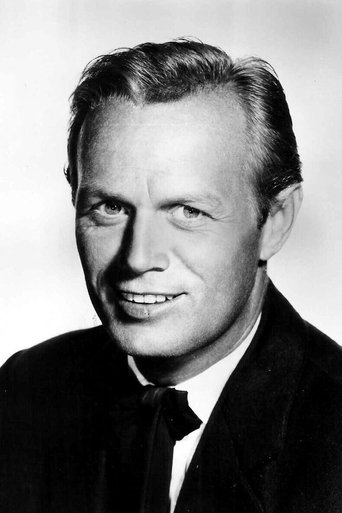 Richard WidmarkTad Lawson
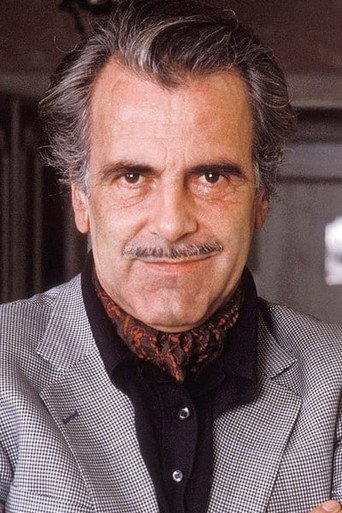 Maximilian SchellHans Rolfe
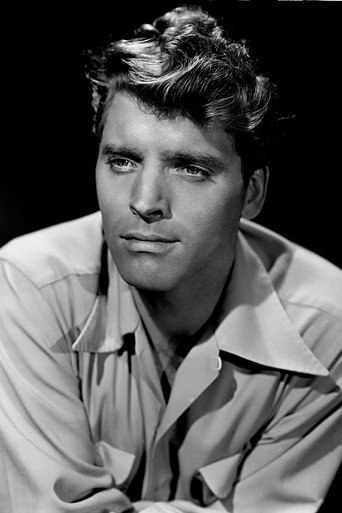 Burt LancasterErnst Janning
 Marlene DietrichMrs. Bertholt
 Judy GarlandIrene Hoffman Wallner
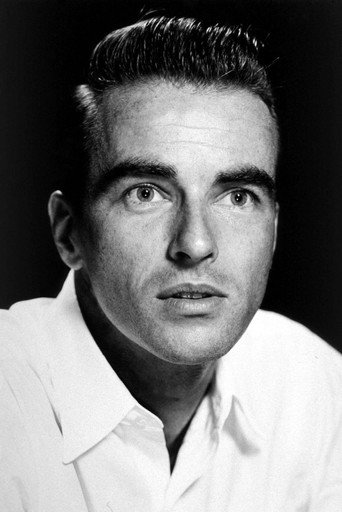 Montgomery CliftRudolph Petersen
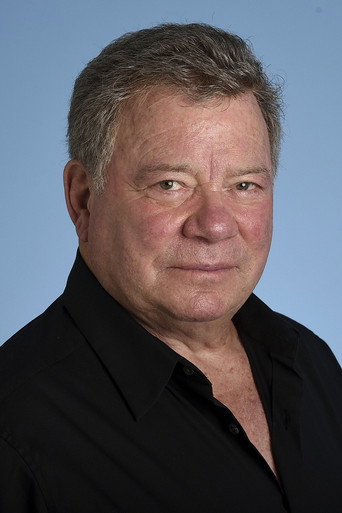 William ShatnerHarrison Byers
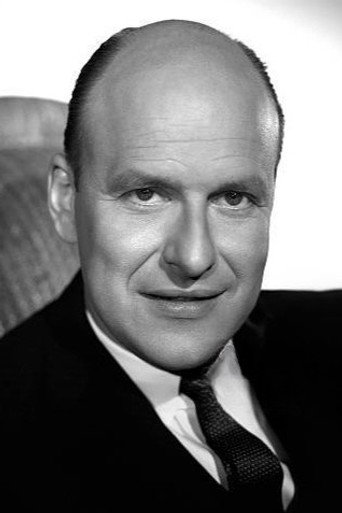 Werner KlempererEmil Hahn
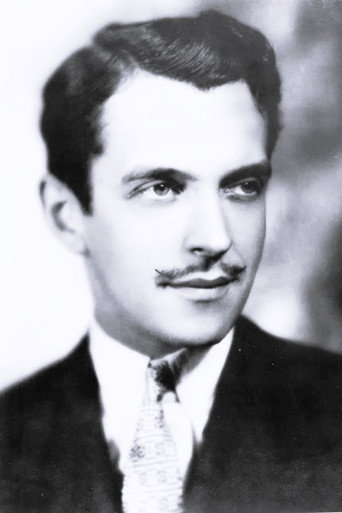 Kenneth MacKennaKenneth Norris
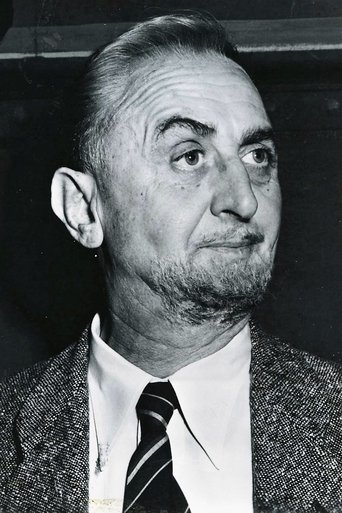 Torben MeyerWerner Lampe
- Joseph BernardAbe Radnitz
Directing
- Ivan VolkmanAssistant Director
- Stanley KramerDirector
- Marshall SchlomScript Supervisor
Production
- Philip LangnerAssociate Producer
- James ListerCasting
- Stanley KramerProducer
- Clem BeauchampProduction Manager
Recommended by
Schindler's List, Conspiracy, 12 Angry Men, A Few Good Men, Hannah Arendt, The Verdict, The Trial of the Chicago 7, The Devil Next Door, Denial, Operation Finale, The Eichmann Show, Paths of Glory, Obedience, Triumph of the Will, Cabaret, The Defenders, The Life of Emile Zola, Gentleman's Agreement, Sophie's Choice, Inherit the Wind, Compulsion, The Diary of Anne Frank, Chicago 10, Marshall, Breaker Morant