
Film
Sophie's Choice
Sophie's Choice is a slow-burning postwar drama built around three people crowded into a Brooklyn boarding house: a Holocaust survivor, her brilliant and volatile lover, and the young writer drawn into their orbit. It moves from tender screwball comedy to unbearable historical flashback, anchored by Streep's landmark performance. Watch it for devastation delivered patiently, and go in with an evening free of distraction.
If you liked this
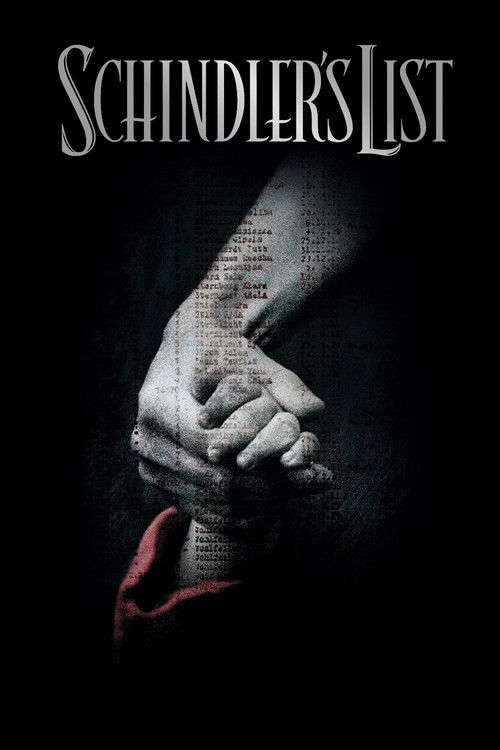
Schindler's List1993
Spielberg's monumental account of the same catastrophe Sophie survives, seen from history's vantage point rather than one woman's fractured memory - the scale Sophie's Choice can only gesture toward.
But Three hours of unrelenting horror with none of the intimate domestic texture; it demands a different kind of stamina.
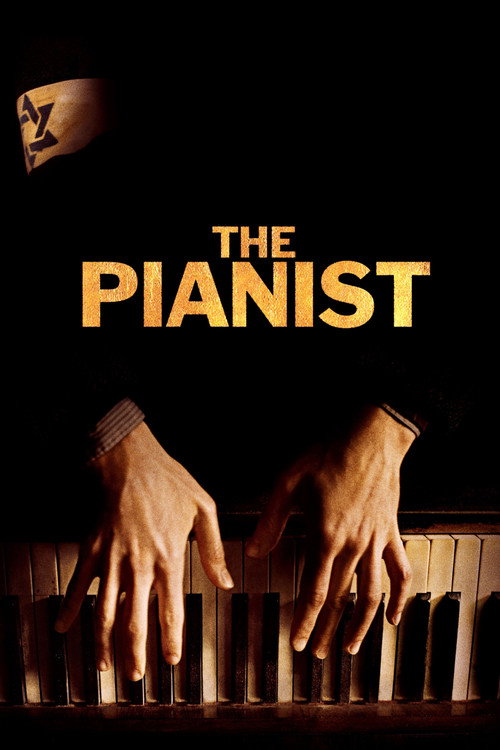
The Pianist2002
Adrien Brody's ghostlike performance follows a Holocaust survivor's ordeal in real time, offering the visceral experience Sophie's flashbacks only summarize - less narration, more endurance.
But Almost entirely humourless and isolating; there's no Stingo-style warmth to soften the descent.
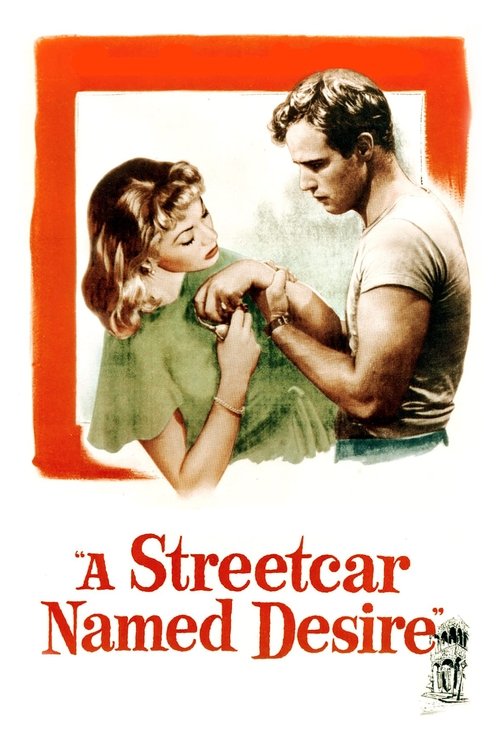
A Streetcar Named Desire1951
Kazan's steamy, theatrical triangle of a fragile woman, a volatile man, and a bystander pulled into their orbit plays like this film's spiritual ancestor, minus the war.
But Stagier and more melodramatic in its dialogue; some will find its 1950s intensity borders on camp.
The wildcard
Something you would not have found on your own.
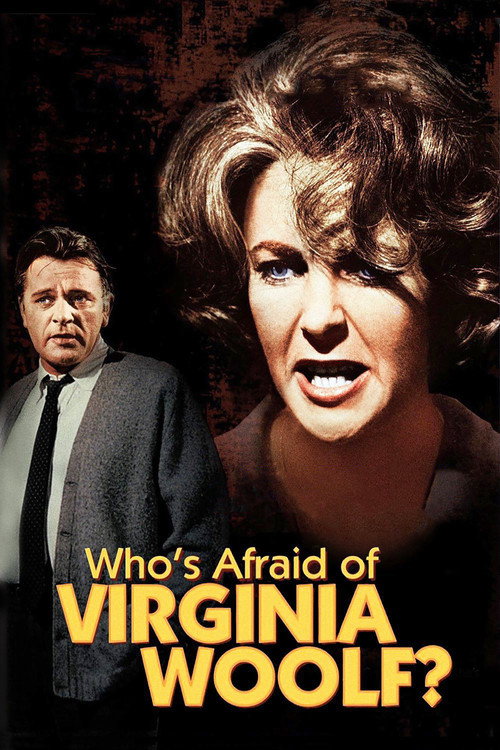
Who's Afraid of Virginia Woolf?1966
Same engine as Sophie's Choice - a brilliant, unstable partner whose damage becomes the whole relationship's weather - reworked as marital horror instead of Holocaust elegy.
Taylor and Burton tear each other apart across one drunken night, a marriage built on cruelty and self-invention that makes Nathan and Sophie's volatility look almost gentle.
But Vicious and claustrophobic with almost no relief; the verbal savagery can be exhausting rather than moving.
More like this (8)
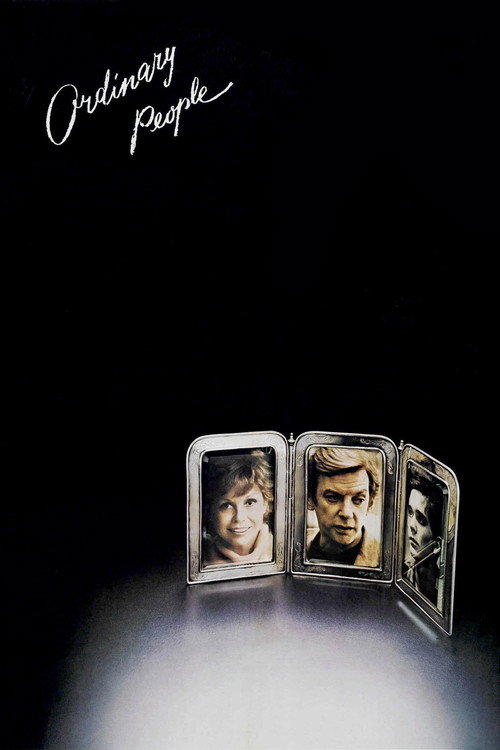
Ordinary People1980
A quieter American family drama about grief nobody can name, trauma corroding a household from within - the same slow unraveling Nathan and Sophie's apartment goes through.
But No war, no history - just domestic sorrow, which may feel small after Sophie's scale.
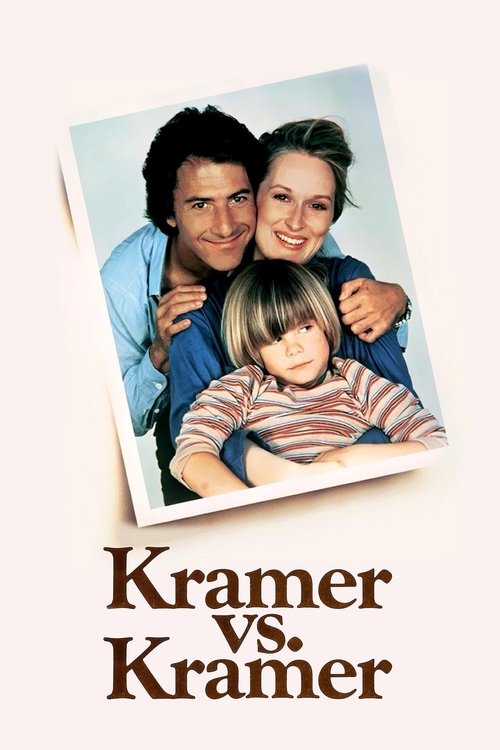
Kramer vs. Kramer1979
An earlier Streep performance, this one about a marriage dissolving in real time rather than a survivor's memory - see the range that would later anchor Sophie's Choice.
But Contained, domestic, almost procedural by comparison; it lacks the historical weight.
The Reader2008no page yet
Guilt, complicity, and a love affair shadowed by the Holocaust - a later film asking who gets forgiven and what memory does to the people who survive it.
But Its central relationship has drawn real criticism for how it frames culpability; some viewers find it evasive.
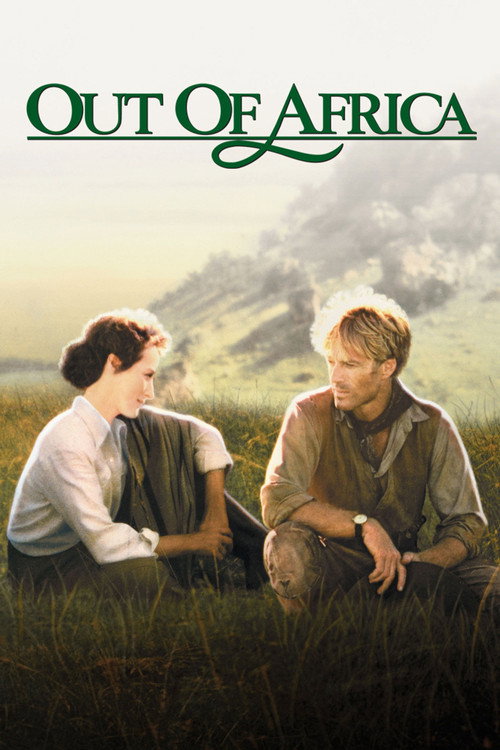
Out of Africa1985
Streep again, this time in a sweeping romantic epic about a woman remaking herself on foreign soil - lush, patient, and built for the same kind of attentive evening.
But Almost entirely without the moral weight of Sophie's Choice; it's romance and scenery first.
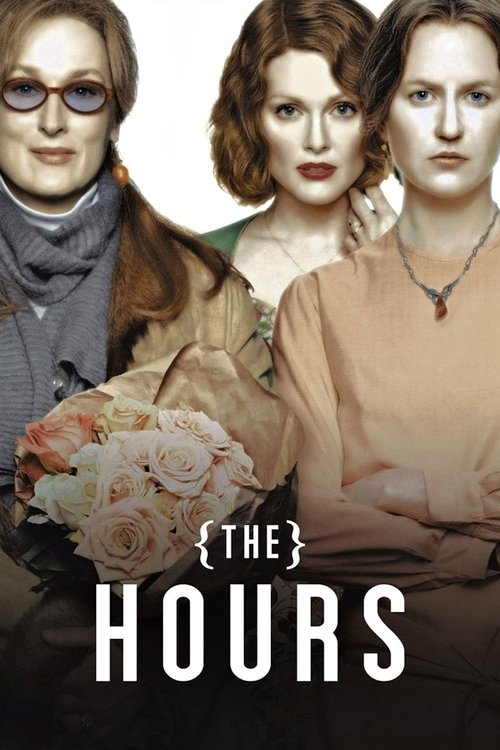
The Hours2002
Streep in a literary triptych about women across decades carrying private grief - a structurally different film with the same instinct for interior devastation.
But Fragmented across three timelines and less narratively driven; some find its sorrow more aesthetic than felt.
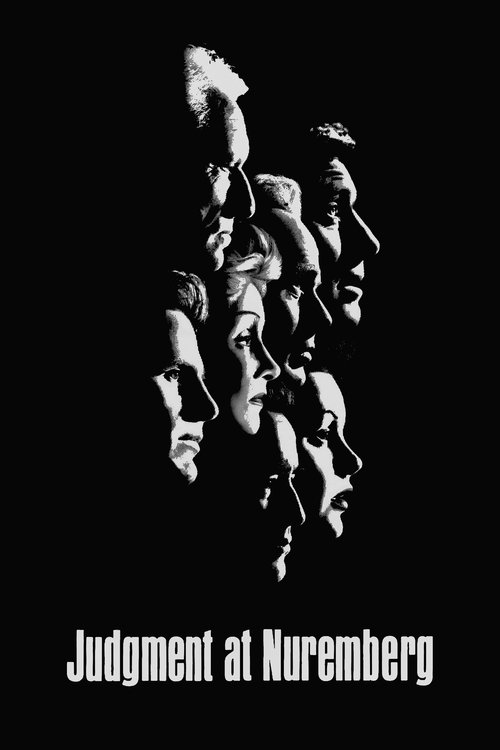
Judgment at Nuremberg1961
A courtroom drama confronting the same atrocity from the other side of the ledger - complicity, judgment, and what ordinary people did or failed to do.
But Long, talky, and legalistic; it's argument rather than experience.
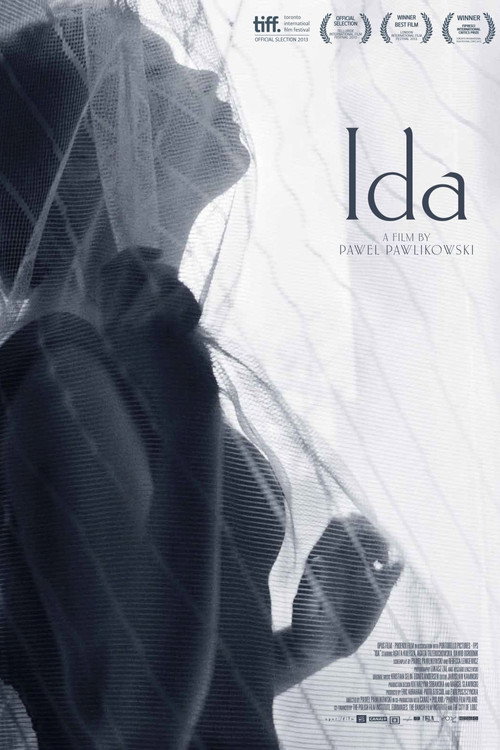
Ida2013
The same buried Polish wartime history, told in the opposite register - where Sophie's Choice is operatic, Ida is silence and negative space doing the same work.
A young Polish nun in 1962 discovers her Jewish family's fate in this austere, black-and-white film that says almost nothing aloud and devastates anyway.
But Deliberately minimal and quiet, 82 minutes with barely any dialogue; anyone wanting Streep-sized emotion should look elsewhere.
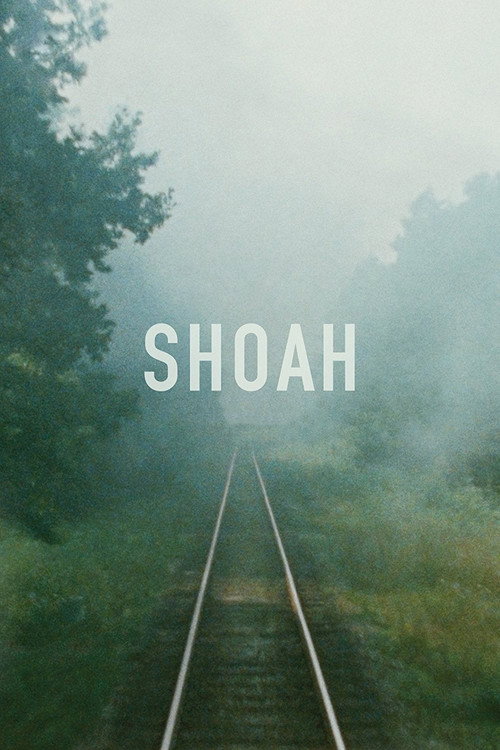
Shoah1985
This is the raw material Sophie's story is built from - the actual voices behind the kind of testimony Stingo spends the whole film straining to hear secondhand.
Claude Lanzmann's landmark documentary gathers survivors, perpetrators, and bystanders talking - no actors, no reenactment, just testimony that outlasts any fictionalized version of the same history.
But Over nine hours long with no score, no narrative arc, and no fictional comfort; it is an act of witnessing, not entertainment.
People
Cast
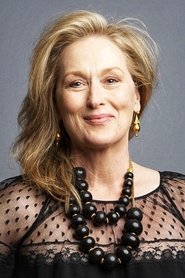 Meryl StreepZofia "Sophie" Zawistowski
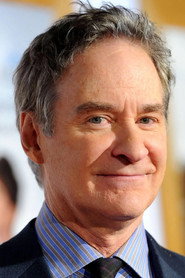 Kevin KlineNathan Landau
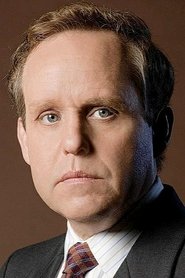 Peter MacNicolStingo
- Rita KarinYetta
- Stephen D. NewmanLarry
- Greta TurkenLeslie Lapidus
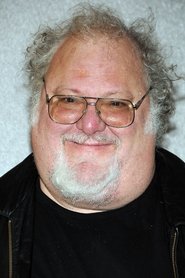 Josh MostelMorris Fink
- Marcell RosenblattAstrid Weinstein
 Moishe RosenfeldMoishe Rosenblum
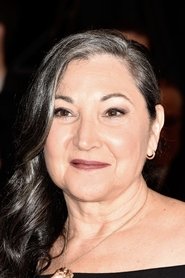 Robin BartlettLillian Grossman
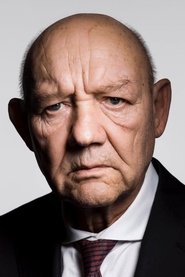 Eugene LipinskiPolish Professor
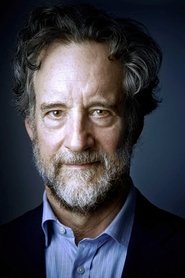 John RothmanLibrarian
Directing
- Alan J. PakulaDirector
Writing
- William StyronNovel
- Alan J. PakulaScreenplay
Production
- William C. GerrityAssociate Producer
- Alixe GordinCasting
- Martin StargerExecutive Producer
- Alan J. PakulaProducer
- Keith BarishProducer
Recommended by
Schindler's List, The Pianist, The Killing Fields, Au Revoir les Enfants, The Boy in the Striped Pyjamas, The Zone of Interest, The Diary of Anne Frank, A Hidden Life, The Unbearable Lightness of Being