
Film
Hiroshima Mon Amour
- Drama
- Romantic drama
- Slow-burning
Alain Resnais's slow-motion collision of eros and atrocity: a French actress and a Japanese architect spend one night in Hiroshima, trading old loves for new ones while the city's ruin murmurs underneath every sentence. Marguerite Duras's dense, incantatory dialogue makes this feel less like a love story than an essay on how memory forgets. Patient viewing pays off; a founding text of the French New Wave.
Should you watch it?
Watch it if you love films that let memory, grief and love unspool in fractured, poetic fragments, and you don't mind sitting with images that linger long after the plot has stopped mattering.
Skip it if you want a story that moves briskly from event to event, since this one circles the same wounds through talk, repetition and long static shots that can feel like a test of patience.
What it asks of you: It runs about ninety minutes but feels slower, asking you to read its rhythms, follow shifting timelines, and accept a lot of dialogue set against heavy silence and documentary-style imagery.
Not sure? Find tonight's pick in a minute.
If you liked this
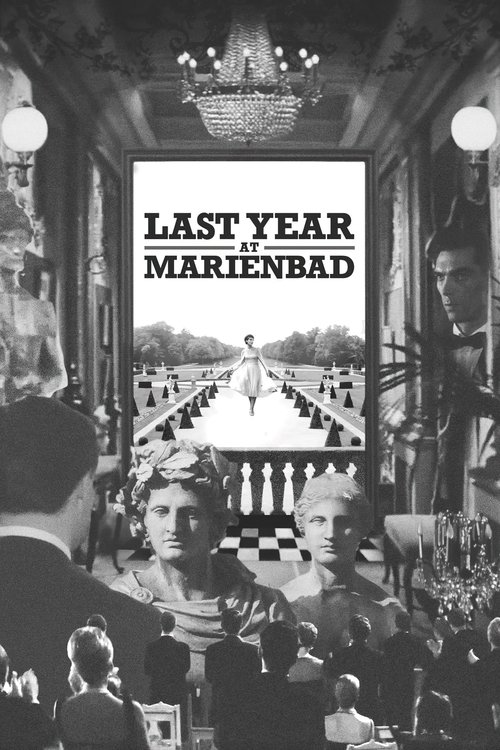
Last Year at Marienbad1961
Resnais takes the same fractured, hypnotic grammar and pushes it toward full abstraction: a man and a woman may or may not have met before, in a labyrinthine chateau where memory itself is put on trial. The purest version of that rhythm.
But There's barely a plot to hold onto, and some viewers find the repetitions maddening rather than mesmerising.
In the Mood for Love2000
Wong Kar-wai's two neighbours fall for each other almost entirely in glances and near-misses, desire delayed by circumstance and self-restraint rather than distance and war. Same ache, dressed in cigarette smoke instead of monologue.
But Almost nothing happens by conventional standards; if you need dialogue-driven catharsis, the silences may test your patience.

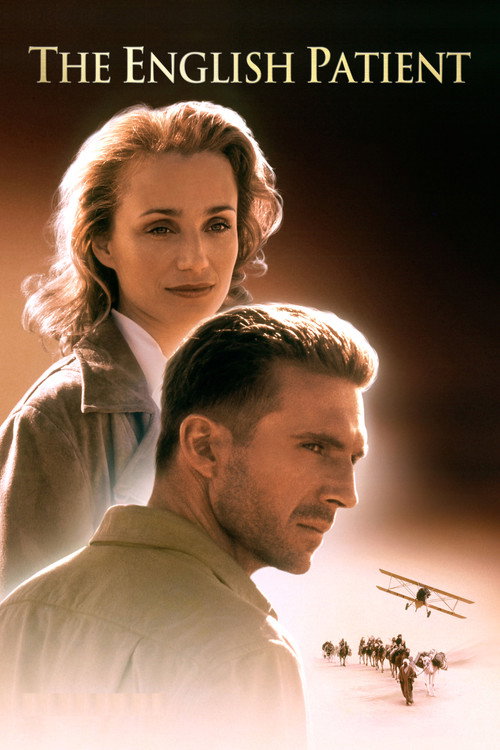
The English Patient1996
A wartime affair remembered in fragments from a deathbed, desert romance cut against the wreckage it eventually caused — the same fascination with how love and catastrophe become impossible to separate in the retelling.
But It's a bigger, more conventionally cinematic weepie; intimacy gives way to scale and swelling strings.
Not sure tonight? Get a pick in a minute, starting from Hiroshima Mon Amour
The wildcard
Something you would not have found on your own.
Godzilla1954
Both are Japanese responses to the atomic bomb made within a decade of Hiroshima and Nagasaki — one confronts it through intimate conversation, the other displaces the same anxiety into pure genre spectacle.
Five years before Resnais approached the bomb through elliptical romance, Japan processed the same trauma through a rubber-suited monster levelling Tokyo — grief and horror smuggled into B-movie spectacle instead of art-house reverie.
But It's cheap and campy by design; you have to want to look past the suit to find the grief.

More like this (8)
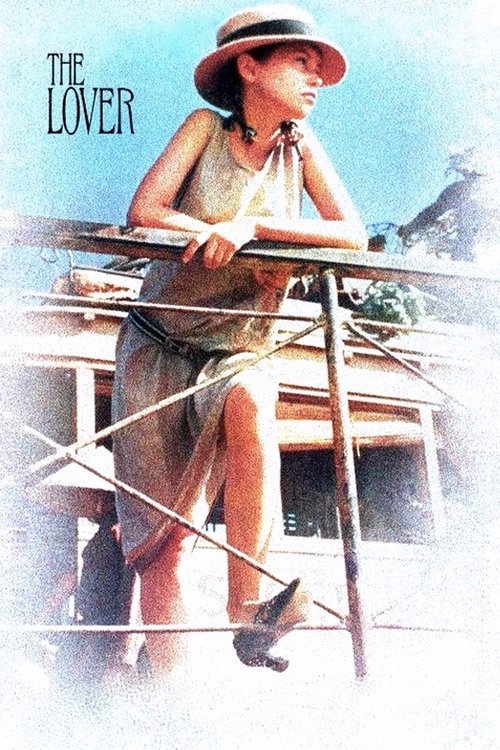
The Lover1992
Adapted from Marguerite Duras's own autobiographical novel, this Indochina romance shares her fixation on desire, shame, and the impossibility of ever fully translating a lover from another world into words.
But Its explicit, glossy 90s eroticism sits oddly against the austerity of Duras's actual prose.
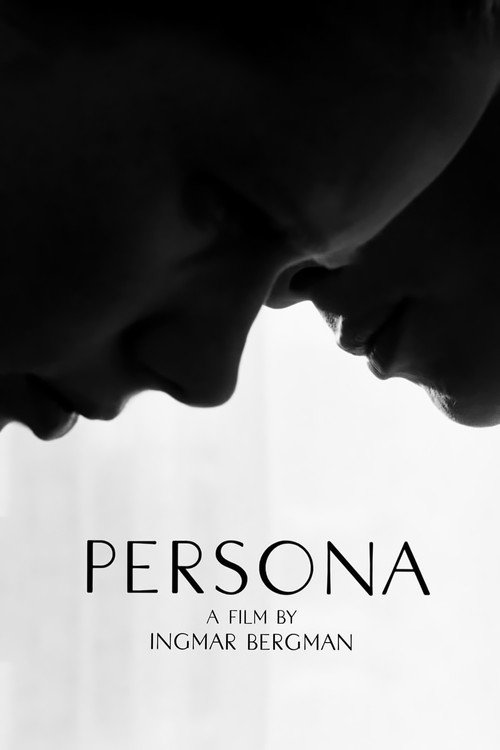
Persona1966
Bergman's two women dissolve into each other across one confined setting, testing where one identity ends and another begins — a similarly intense two-hander built almost entirely from conversation, silence, and close-ups.
But It trades Hiroshima's historical weight for pure psychological abstraction; some find it colder and harder to enter.
Sophie's Choice1982
A different atrocity, the same insistence that the past refuses to stay past — a woman's wartime trauma surfaces slowly, in confession, reshaping every relationship she tries to build afterward.
But It's far more melodramatic and explicit about its horrors than the original's studied restraint.

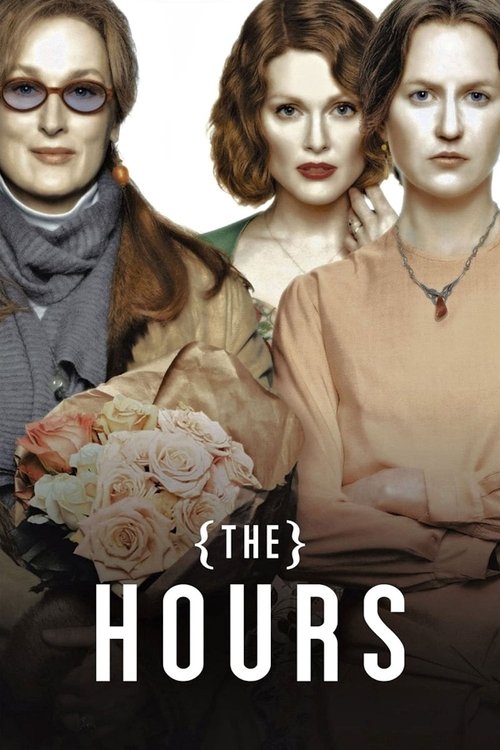
The Hours2002
Three women across three eras, their inner lives cut together the way Resnais cuts between Hiroshima and Nevers — grief and memory refusing to behave and stay in their own timeline.
But The structure is showier and more overtly emotional; cool essayistic distance gives way to open anguish.
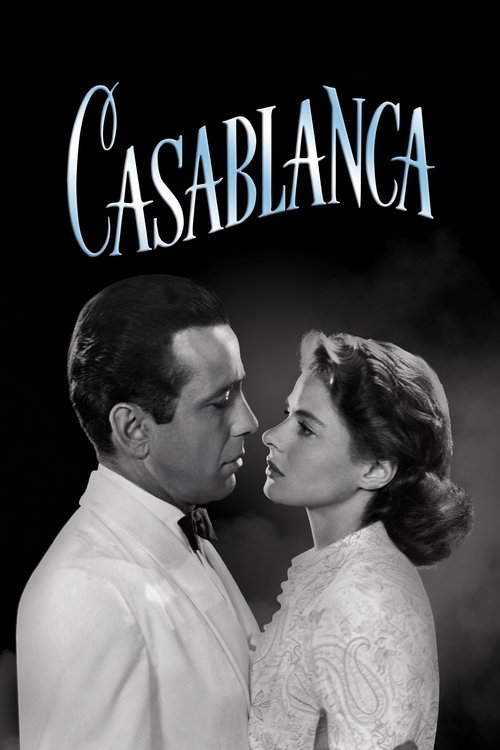
Casablanca1943
The wartime doomed-romance template this film quietly interrogates: lovers, an occupied city, a choice between passion and duty, told with none of the later film's scepticism about memory or myth.
But It's classical Hollywood through and through — comforting, resolved, uninterested in the ambiguity that defines the French film.
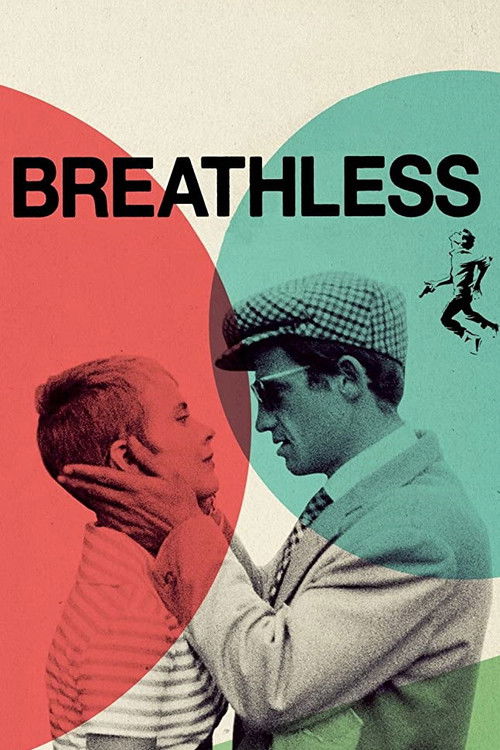
Breathless1960
Godard's jump-cut debut, made almost simultaneously, shows the New Wave's other register — jazzy, restless, in love with cinema and speed rather than memory's slow undertow.
But It's cooler and more flippant about love and death alike; depth here is traded for style.
Night and Fog1956
Made by Resnais four years earlier, it's the nonfiction dry run for everything this film does with memory, atrocity, and the near-impossibility of representing horror in images.
Resnais's own 30-minute documentary walks the concentration camps a decade after liberation, pairing flat narration with unbearable archival footage — the same director's earlier, unflinching attempt at what Hiroshima Mon Amour can only circle around.
But It's short, nonfiction, and genuinely harrowing — no romance, no relief, just atrocity documented plainly.

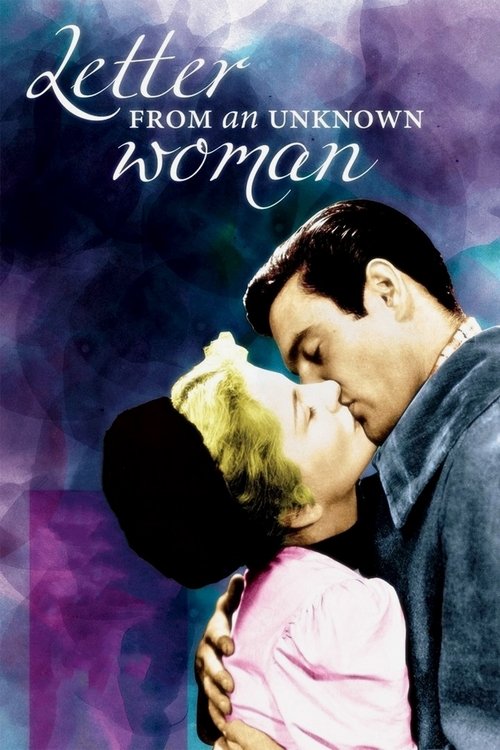
Letter from an Unknown Woman1948
Both structure an entire love affair as retrospective narration, using a remembering voice to blur where the romance ends and the storytelling begins.
A woman narrates her entire doomed love for a man who barely remembers her, the film unfolding as one long confessional voiceover — Ophüls doing, a decade earlier, the same trick of romance recounted after it's already over.
But It's a much more conventional melodrama, glossy studio filmmaking with none of the New Wave's formal daring.
People
Cast
 Emmanuelle RivaElle
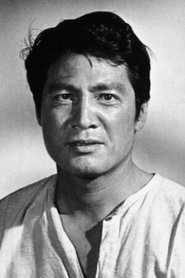 Eiji OkadaLui
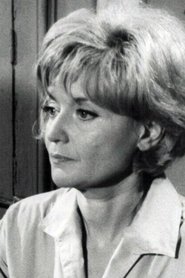 Stella DassasMother
 Pierre BarbaudFather
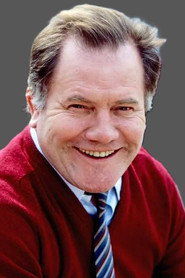 Bernard FressonGerman Lover
Directing
- Alain ResnaisDirector
Writing
- Marguerite DurasScreenplay
Production
- Anatole DaumanProducer
- Samy HalfonProducer
- Sacha KamenkaProduction Manager
- Takeo ShirakawaProduction Manager
Recommended by
Oppenheimer, Paragraph 175, Barefoot Gen, Charlotte Gray, The Silence of the Sea, La Bête Humaine, Dead Again, Apocalypse '45, A Man and a Woman, Gods and Monsters, Zabriskie Point, Suite Française, Four Days In November, Radio Bikini, New York: A Documentary Film, Bobby Deerfield, La Notte, The Odessa File, Berkeley Square, Red Desert, The Taking of Power by Louis XIV, Paisan, Last Tango in Paris, Three Colors: Blue, Blockade, Kamchatka, Port of Shadows, Intimacy, The Last Metro, Lola, Floating Clouds, Sundays and Cybele, Life and Nothing But, The Confessional, Company Limited, The Passionate Friends, A Woman's Face, In the White City, The True Glory, Japanese-English Pictionary, The Lovers, Phaedra, Vivre Sa Vie, All Is True, The Beginning or the End, The Soft Skin, Accident, Carve Her Name with Pride, Thérèse, Muriel, or the Time of Return, Therese, Synonyms, The War Is Over, Payment on Demand, Funeral Parade of Roses, Camille 2000, Patagonia, Play, Summer with Monika, Le Beau Serge, Robinson in Ruins, A Tale of Winter, Phantom Power, Identification of a Woman, Les Bonnes Femmes, The Black Tent, Memories of Underdevelopment, Prisoner of War, The Eternal Return, The Dark Angel, Voyager, Sleep, Jacquot, Sign of the Lion, Abismo de pasión, Lest We Forget, Flying Fortress, A Question of Adultery, Sentimental Education, The Night of the Seagull, Passenger, Is Paris Burning?, Senses of Cinema, London: The Modern Babylon, Les Dames du bois de Boulogne, Tristan and Isolde, Not Reconciled, Madame Butterfly, Sex and Lucía, My Golden Days, Tabu, In The Name Of Scheherazade Or The First Beergarden In Tehran, The Locket, Kings Go Forth, Reconstruction, Hôtel du Nord, Madame Butterfly, The Deep Blue Sea, Madame Bovary, A Woman's Decision, Mississippi Mermaid, Impossible Object, The Woman Next Door, My Lover, My Son, Atlantic, Mr. Arkadin, The Age of Innocence, Entre Nous, Family Viewing