
Film
The Deep Blue Sea
Other titles called The Deep Blue Sea: the 2011 film.
Vivien Leigh gives a masterclass in suppressed longing as a judge's wife who abandons respectability for a doomed affair with a reckless RAF pilot. Terence Davies directs with painterly control, turning postwar London into a landscape of quiet desperation. It's a film about the price of desire, shot with such restraint that every glance feels like a confession. For anyone who believes the best dramas are about what people don't say.
If you liked this
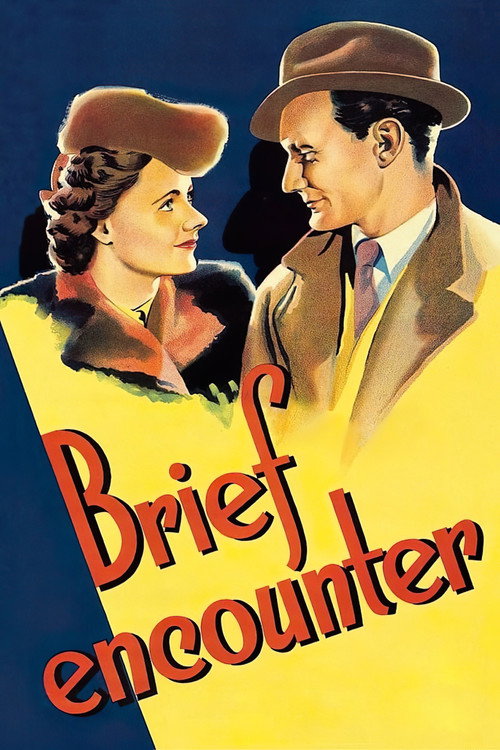
Brief Encounter1945
The obvious ancestor: Celia Johnson's constrained passion meeting a stranger, moral architecture crumbling in real time. Both films understand that the most destructive love affairs happen in the space between what society demands and what the heart wants.
But It's even more restrained than The Deep Blue Sea—if you want passion exploding across the screen, this will feel glacial.
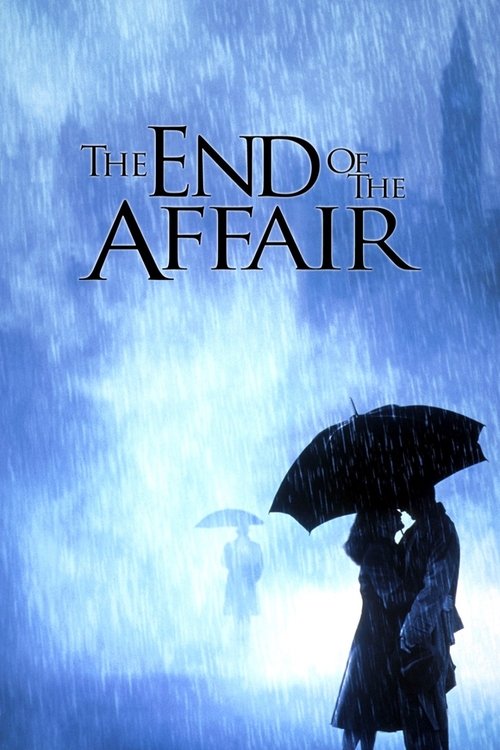
The End of the Affair1999
Another woman torn between duty and illicit love, another film that finds the real drama in the aftermath and the questions that linger. Ralph Fiennes and Julianne Moore capture that same sense of being destroyed by wanting the wrong person.
But It's more explicitly about faith and theology; if you're looking for pure romantic anguish, the religious framework might feel like a distraction.
Singin' in the Rain1952
Also 1950s, also about people trapped by circumstance and their own choices, but a musical—so it gets to explode into song when speech fails. Gene Kelly and Donald O'Connor remind you that constraint and spectacle can coexist beautifully.
But Tonally it's the inverse: joyful where Deep Blue Sea is mournful. If you're looking for that same emotional register, the uplift might feel jarring.

Not sure tonight? Get a pick in a minute, starting from The Deep Blue Sea
The wildcard
Something you would not have found on your own.
The Red Shoes1948
Both are postwar British films about women's constrained choices, but where Davies goes inward and quiet, Powell and Pressburger go outward and operatic. The same question asked in opposite registers.
A woman choosing between love and art, between a man and a calling, torn apart by the impossibility of having both. Powell and Pressburger film it as a tragedy told through dance and colour. Like Deep Blue Sea, it's about the price of desire, but they make it mythic rather than intimate.
But It's a ballet film—literally half the movie is choreographed dance. If you're allergic to dance sequences, this will test you severely. Also very stylised where Deep Blue Sea is naturalistic.

More like this (8)
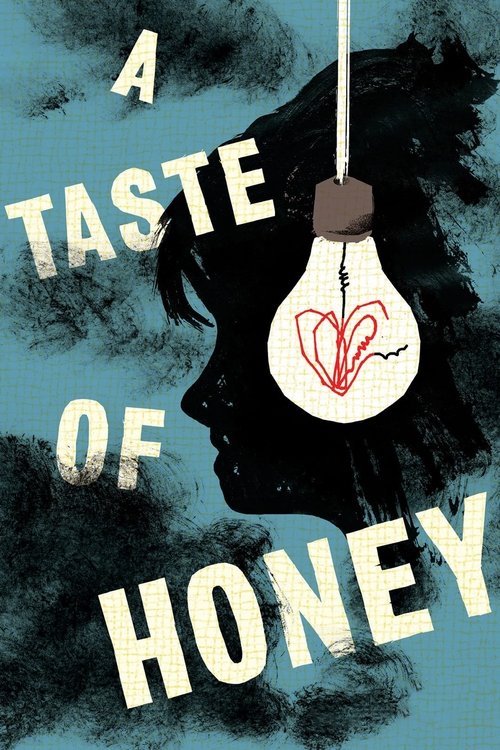
A Taste of Honey1961
A young woman making choices that scandalise her world, with a similarly unflinching look at what desire costs. It's grittier, more working-class, but animated by the same need to understand why people risk everything for connection.
But It's shot in black-and-white on the streets; the visual poetry is different, more documentary-like. You lose some of Davies's painterly precision.
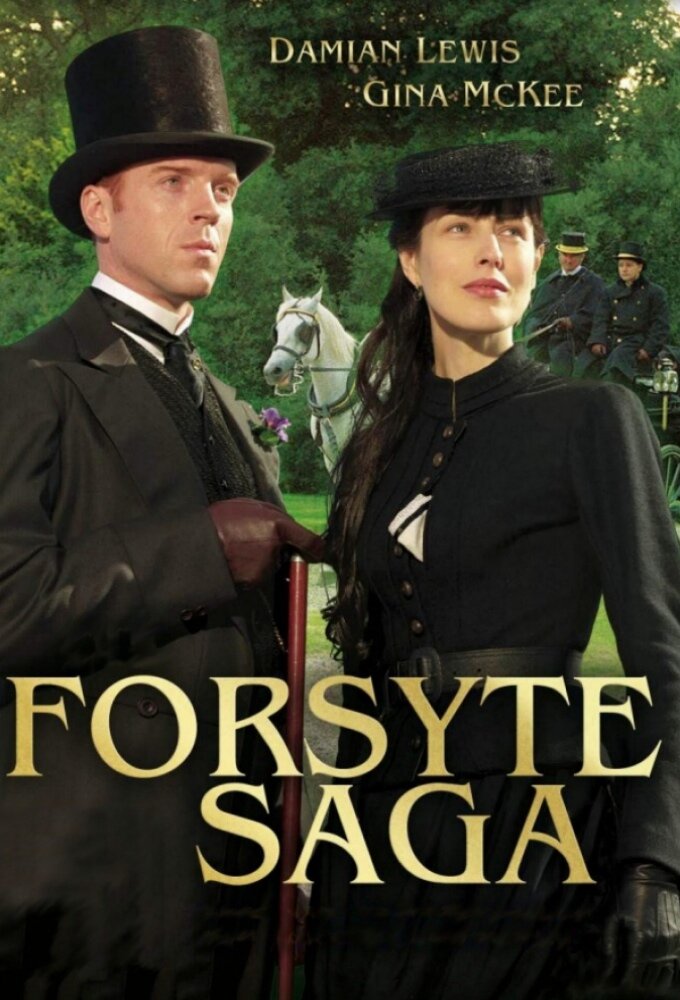
The Forsyte Saga2002
A prestige drama about the collision between duty and desire across a family saga. Trudie Styler's Irene faces the same fundamental conflict: trapped by marriage to a man she doesn't love, drawn to a man she shouldn't have.
But It's six hours long and very much a period soap opera. If you loved Deep Blue Sea's compression and intensity, this sprawl might feel diluting.
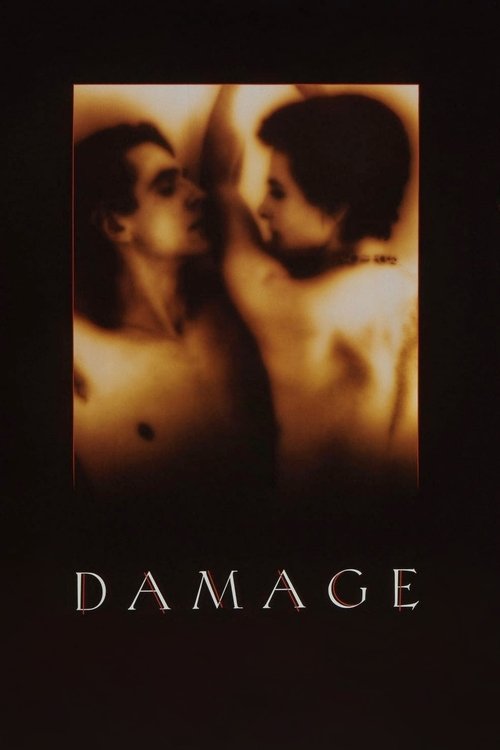
Damage1992
Jeremy Irons as a man whose affair destroys everything around him. It has that same sense of intelligent people making catastrophic choices, and that same refusal to blame or excuse—just to observe the damage spreading.
But It's more sexually explicit and more brutal. The emotional devastation is messier and uglier than the tragic elegance of Deep Blue Sea.
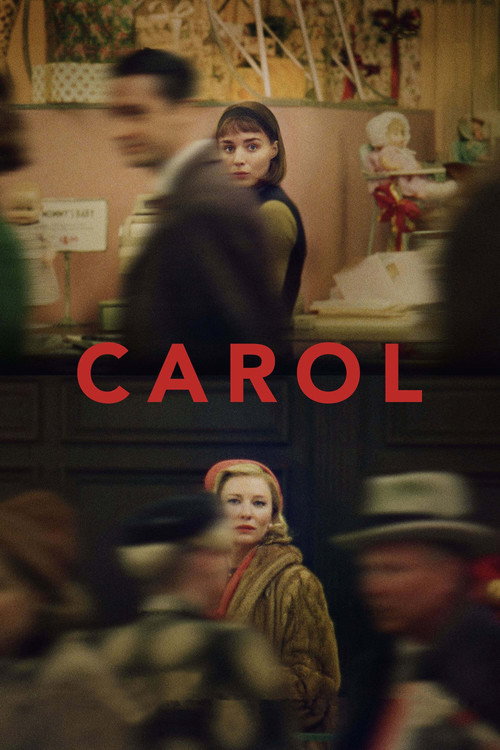
Carol2015
Two women finding each other across the boundaries of 1950s propriety. It's about that same hunger for genuine connection, that same willingness to risk everything. Todd Haynes understands restraint the way Davies does.
But It's about a same-sex relationship; if you're looking for a film centered on heterosexual passion specifically, this isn't it. Also considerably more hopeful.
The Remains of the Day1993
Anthony Hopkins as a man who chose duty over love decades ago, now living with the consequences. Both films understand that the real tragedy isn't the affair—it's what we sacrifice in the name of being respectable.
But It's more internal and philosophical. Where Deep Blue Sea shows passion colliding with society, this one is about a man who never allowed the collision to happen.

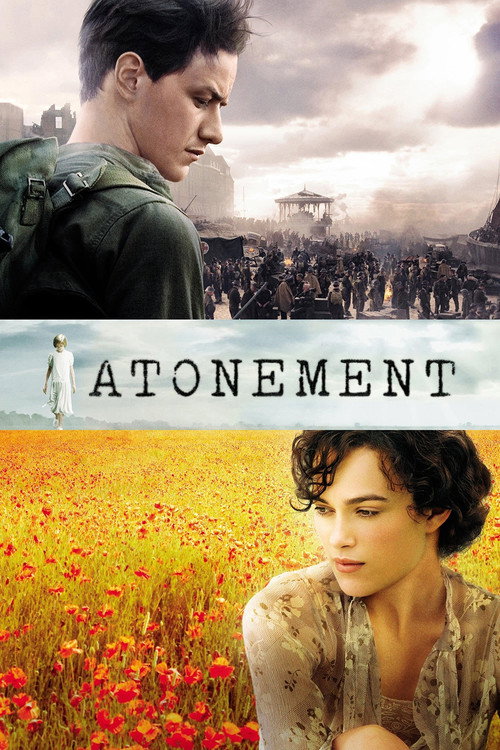
Atonement2007
A young couple destroyed by circumstance and a lie, shot with vivid romantic intensity that makes the betrayal all the more devastating. It shares that sense of desire as something that shatters the ordered world.
But It's far more technically showy, far more concerned with form. The restraint you treasured in Deep Blue Sea has been replaced by directorial flourish.
In the Mood for Love2000
Both films understand that the most erotic moment in cinema isn't physical contact—it's the moment before contact, the held breath. Both are about people who can't have what they want, and both make that deprivation beautiful.
Two neighbours in 1960s Hong Kong discover their spouses are having an affair with each other. Wong Kar-wai shoots restraint as visual ecstasy—longing conveyed through colour, costume, geometry. It's about desire as something that lives in looks and silences.
But It's stylistically hypnotic to the point of abstraction. If you want psychological realism and plot momentum, you will find this glacially paced and sometimes impenetrable.

Hiroshima Mon Amour1959
Both are about people meeting in the wreckage of postwar life and using passion as escape. But where Davies makes the postwar world subtly present through class and propriety, Resnais makes it explicit—atomic death, collective trauma. Same emotional engine, vastly different scope.
A French actress and a Japanese architect meet in postwar Hiroshima and begin an affair. Alain Resnais fragments memory, time, and desire into a fever dream. Like Deep Blue Sea, it's about two people using each other to heal old wounds, but it's experimental cinema about it.
But It's avant-garde and structurally disorienting. The narrative doesn't follow conventional chronology. If you want a clear, emotionally legible story, this will frustrate you profoundly.
People
Cast
 Vivien LeighHester Collyer
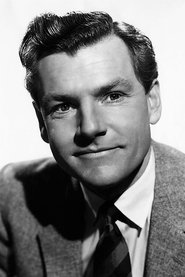 Kenneth MoreFreddie Page
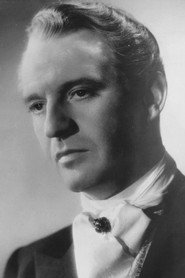 Eric PortmanMiller
 Emlyn WilliamsSir William Collyer
 Moira ListerDawn Maxwell
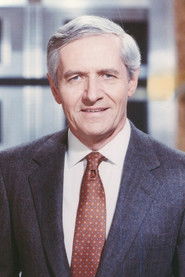 Arthur HillJackie Jackson
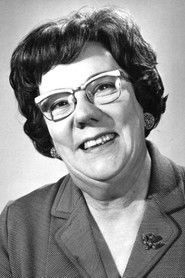 Dandy NicholsMrs. Elton
 Alec McCowenKen Thompson
 Jimmy HanleyDicer Durston
 Heather ThatcherLady Dawson
 Bill ShineGolfer
 Brian OultonDrunk
Directing
- Adrian Pryce-JonesAssistant Director
- Anatole LitvakDirector
Writing
- Terence RattiganScreenplay
- Terence RattiganTheatre Play
Production
- Hugh PercevalAssociate Producer
- Anatole LitvakProducer