
Film
Damage
- Political drama
- Romance
- Very dark
A glacial psychodrama about a married politician who destroys everything for an affair with his son's girlfriend. Jeremy Irons and Juliette Binoche burn quietly in the wreckage of their mutual obsession. It's a film about the terrifying speed of self-sabotage, shot like a wound opening in slow motion. For viewers who find eroticism in restraint and ruin.
Should you watch it?
Watch it if you love adult dramas where restraint does the damage, with polished dinner-table manners hiding appetites that the camera watches without flinching and without forgiving anyone.
Skip it if you need the story to move briskly, since long stretches of composed, silent looking can feel like a slow tightening rather than a plot that unspools.
What it asks of you: Patience with a measured pace and a great many quiet looks; give its cool, formal surfaces nearly two hours and let the unease gather under them.
Not sure? Find tonight's pick in a minute.
If you liked this
Lolita1962
Kubrick's adaptation captures the same nauseating seduction and self-deception—an educated man constructing elaborate justifications for the unjustifiable. Slow-burn moral horror wrapped in formal elegance.
But The subject matter is deeply uncomfortable, and the film's distance from its protagonist can feel cold rather than clarifying.

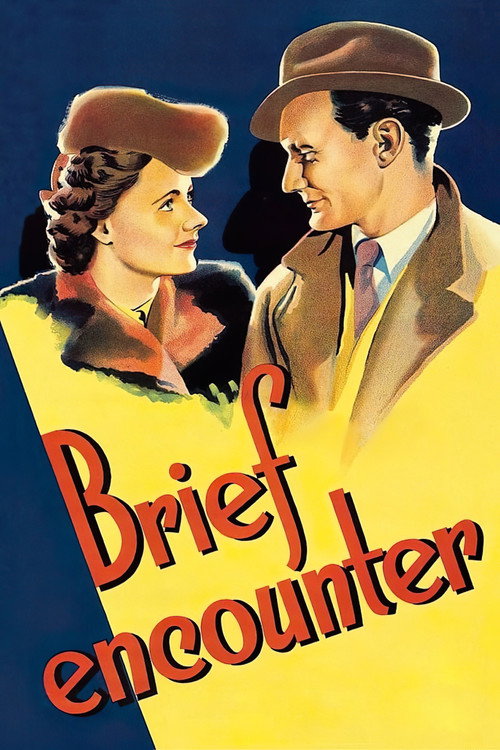
Brief Encounter1945
Lean and Coward explore illicit desire with the same restraint and longing. Two people destroying their lives for glances and stolen moments. Proof that passion doesn't need nudity to be devastating.
But It's set in a train station café and moves at the pace of British propriety. Modern viewers often find it slow, even mannered.
Better Late Than Never2016
Adam Curtis examines how we construct false narratives to justify our desires and actions. The same architecture of self-deception that underpins Damage, but across geopolitics and ideology rather than one affair.
But It's a documentary essay, deliberately disorienting, with Curtis's voice overlaid on found footage. Not conventional storytelling at all.

Not sure tonight? Get a pick in a minute, starting from Damage
The wildcard
Something you would not have found on your own.
The Painted Veil2006
Both trace the precise machinery of how adultery doesn't liberate but imprisons. Both use geography—London, China—as a character that traps its people.
John Curran's adaptation of Maugham is also about a marriage destroyed by infidelity in slow, formal strokes. But where Damage is urban and contemporary, this is colonial, historical, and ultimately redemptive. Same emotional anatomy, different moral conclusion.
But Edward Norton and Naomi Watts playing a couple learning to love each other feels like uplift, and some will find that reconciliation false.

More like this (8)
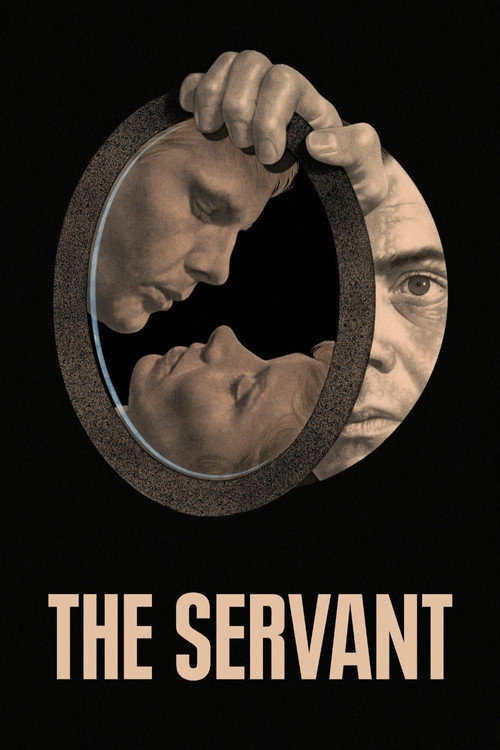
The Servant1963
Pinter and Losey's psychological warfare between employer and employee has Damage's obsessive intensity and the same sense of a power dynamic slowly inverting into something uncontrollable.
But It's more overtly strange and symbolic than Damage, and some will find it oblique where others find it clarifying.
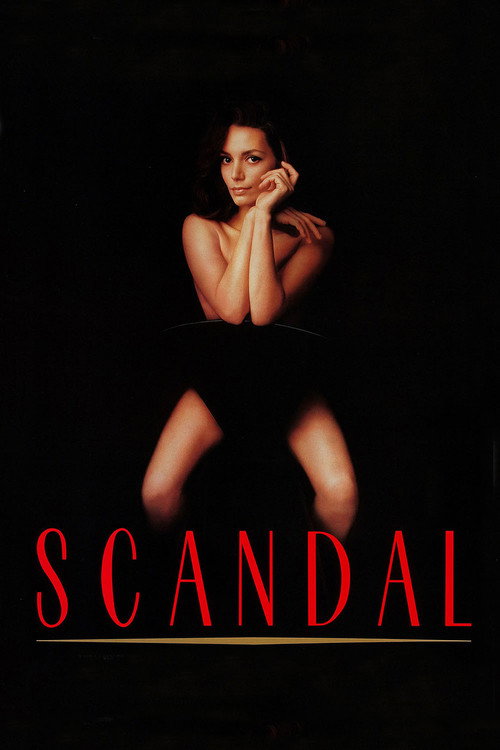
Scandal1989
Michael Caton-Jones traces the Profumo affair with the same interest in how public reputation collapses through private desire. Juliette Binoche's presence in Damage makes this a natural echo.
But It's more plot-driven and less psychologically intimate than Damage, despite covering similar ground.
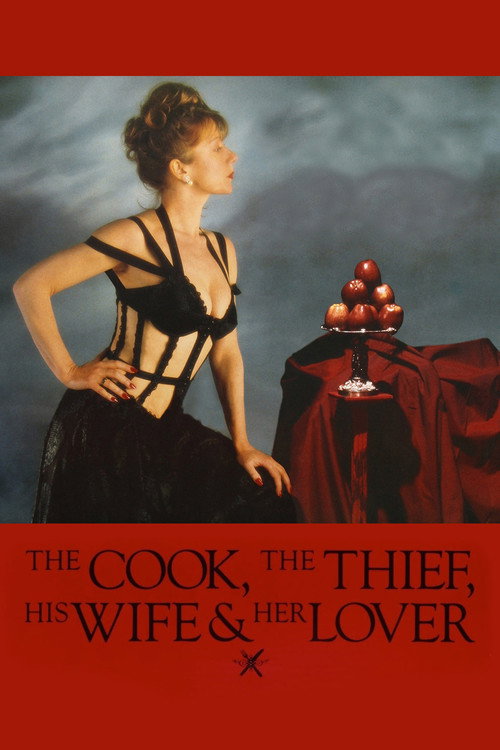
The Cook, the Thief, His Wife & Her Lover1989
Greenaway's baroque visual assault on infidelity and transgression. If Damage is a wound, this is a wound screaming in colour. Both trap their characters in spaces of desperation.
But It's aggressively, deliberately artificial and violent. Greenaway's style is not for everyone, and it can feel like aesthetics overwhelming meaning.
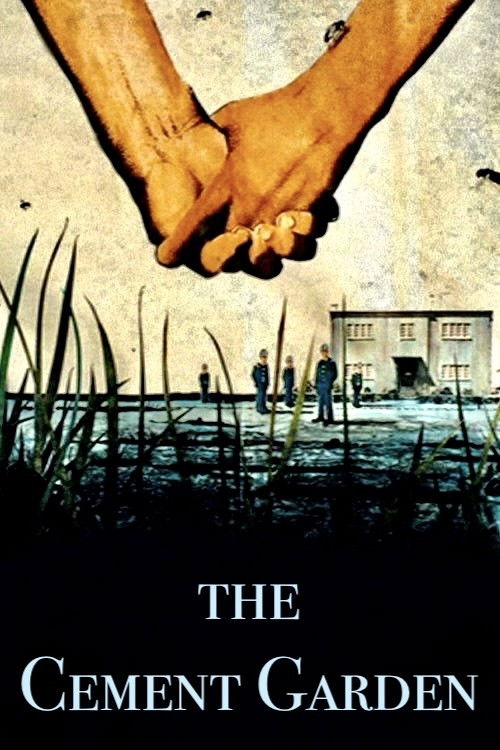
The Cement Garden1993
Andrew Birkin adapts Ian McEwan with the same cool dissection of forbidden desire. A family imploding from internal transgression, shot with Damage's formal composure.
But It involves minors in situations that are disturbing by design. That's the point, but it's not a comfortable watch.
Possession1981
Andrzej Żuławski's operatic nightmare of a marriage collapsing into obsession and jealousy. Raw where Damage is restrained, but identical in anatomy—two people destroying each other through fixation.
But It's a cult film in the truest sense. Excessive, deliberately grotesque, and hostile to viewer comfort. Easier to admire than enjoy.

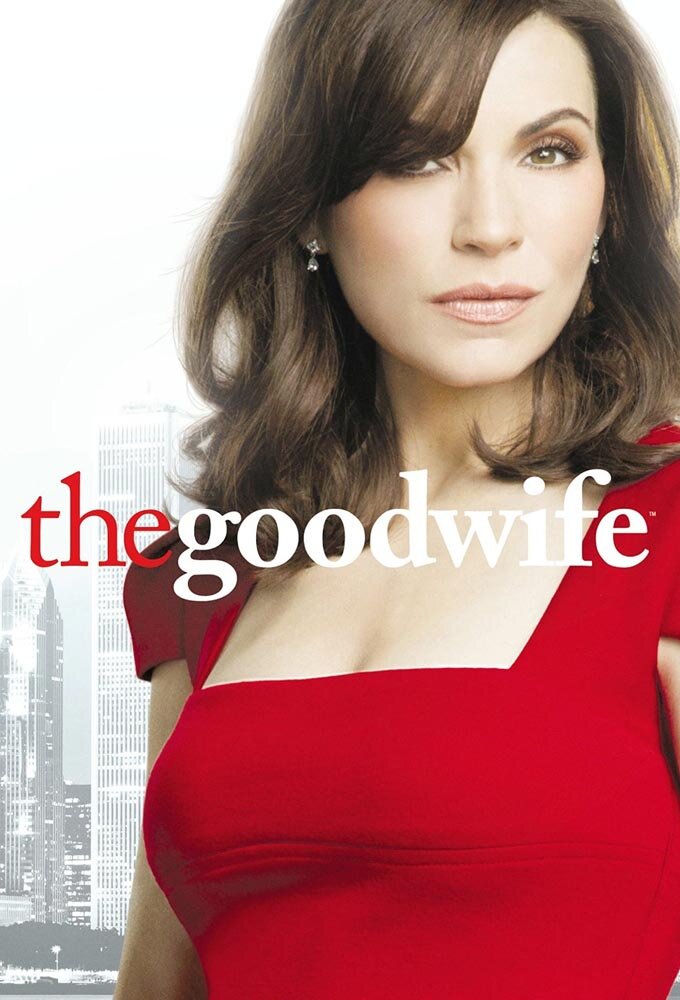
The Good Wife2009
CBS's examination of political marriage and the careful public performance required when scandal looms. A much longer, shapelier exploration of the same world Damage enters—power, reputation, and what happens when it all cracks.
But It's a network drama, which means it's sometimes sentimental where Damage is pitiless. The scope can soften edges.
Mouchette1967
Both are European films about the gap between how we appear and who we are. Both refuse to tell you what to feel. Both end badly.
Bresson's study of a young woman destroyed by forces beyond her control has Damage's indifference to sentiment. But Mouchette is not about passion or choice—it's about powerlessness. It asks what happens when you have no agency at all.
But Bresson's minimalism is extreme even by art-film standards. There is almost no music, almost no explanation. It requires active work from the viewer.

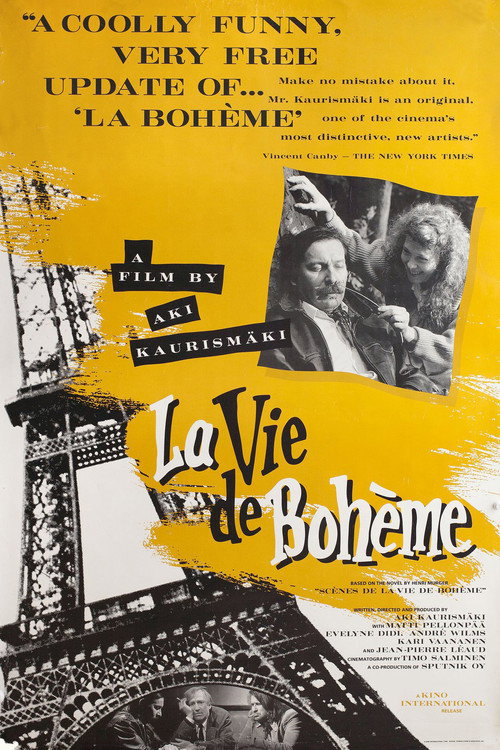
La Vie de Bohème1992
Both are 1992 films about European obsession, but where Damage diagnoses illness, this one proposes modest cure. Both trust viewers to read subtext.
Aki Kaurismäki's deadpan romance about artists in Paris choosing love over survival. Released the same year as Damage but its opposite: tender, funny, about choosing connection over self-destruction. Same historical moment, inverted values.
But It's deliberately artificial and slow, with dialogue that feels scripted and detached. Kaurismäki's style demands patience and reward it with very quiet joy.
People
Cast
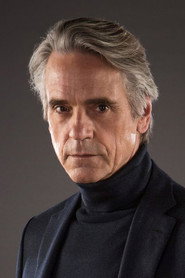 Jeremy IronsDr. Stephen Fleming
 Juliette BinocheAnna Barton
 Miranda RichardsonIngrid Fleming
 Rupert GravesMartyn Fleming
 Peter StormarePeter Wetzler
 Gemma ClarkeSally Fleming
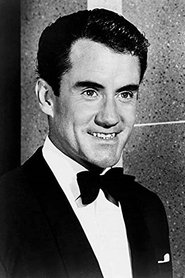 Ian BannenEdward Lloyd
 Julian FellowesDonald Lyndsay, MP
 Leslie CaronElizabeth Prideaux
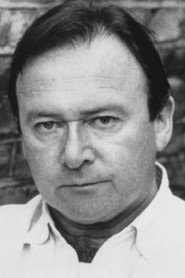 Tony DoylePrime Minister
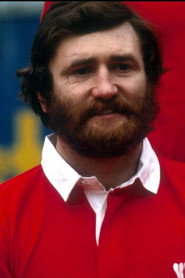 Ray GravellRaymond
- Susan EngelMiss Snow
Directing
- Louis MalleDirector
Writing
- Josephine HartNovel
- David HareScreenplay
Production
- Simon RelphCo-Producer
- Vincent MalleCo-Producer
- Louis MalleProducer
- Janine ModderProduction Coordinator
- Donna GreyProduction Manager
- Jean-Yves AsselinProduction Manager
Recommended by
White Mischief, Nine 1/2 Weeks, Notes on a Scandal, Unfaithful, Indecent Proposal, Agatha and the Truth of Murder, My Night at Maud's, The Unbearable Lightness of Being, Betrayal, Laughter in the Dark, Untamed Heart, Sweet Bird of Youth, A Man in Love, The Comfort of Strangers, The French Lieutenant's Woman, Swann in Love, Elegy, In This Our Life, The End of the Affair, Rambling Rose, All Night Long, An Awfully Big Adventure, Faithless, Lulu, The Best Intentions, The Deep Blue Sea, My Lover, My Son, Dance with a Stranger