
Film
La Vie de Bohème
Aki Kaurismäki's deadpan masterpiece follows three struggling artists in Paris—a painter, a playwright, a noise composer—as they navigate poverty, love, and the quiet dignity of making art nobody wants. Glacially paced, achingly funny, suffused with melancholy. For anyone who's ever chosen the thing they loved over the sensible choice.
Should you watch it?
Watch it if you love loose, shambling comedy about broke friends who talk big and cadge cigarettes, where the charm lives in the bickering and the cold attic rather than in any plot you can summarize.
Skip it if you need a story that moves briskly toward a destination, since this is a leisurely, talky film where long stretches drift by and the rhythm can feel more like wandering than building.
What it asks of you: Settle in for about an hour and forty minutes of unhurried, low-key scenes, with little urgency and a steady stream of conversation that rewards patience more than close plot-tracking.
Not sure? Find tonight's pick in a minute.
If you liked this
Stalker1979
Tarkovsky's meditation on desire and meaning unfolds at the pace of breath itself. A guide leads two men through a mysterious zone toward a room that grants wishes—but the real journey is internal, philosophical, devastating.
But Three hours of mostly quiet walking and conversation. If cinema needs plot momentum to hold you, this will feel like waiting in an airport.

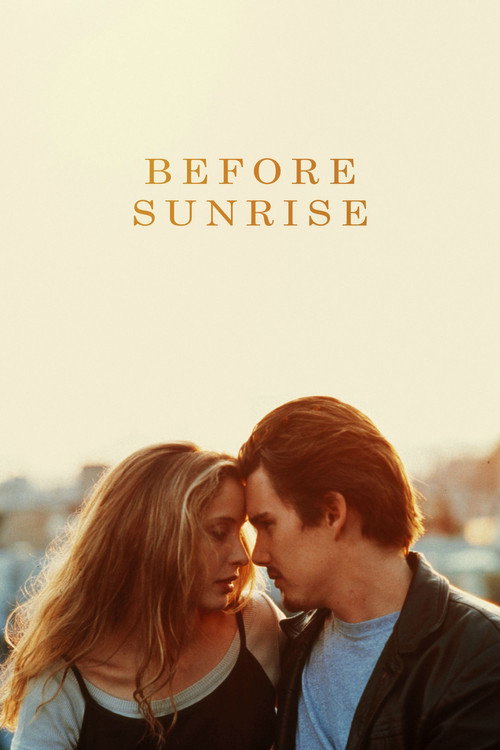
Before Sunrise1995
Two strangers meet on a train to Vienna and spend one night talking. Linklater captures the electricity of genuine connection through dialogue alone—smart, tender, almost unbearably romantic without ever forcing sentiment.
But Nothing happens. They walk and talk for ninety minutes. If you need plot, this is meditation dressed as a film.
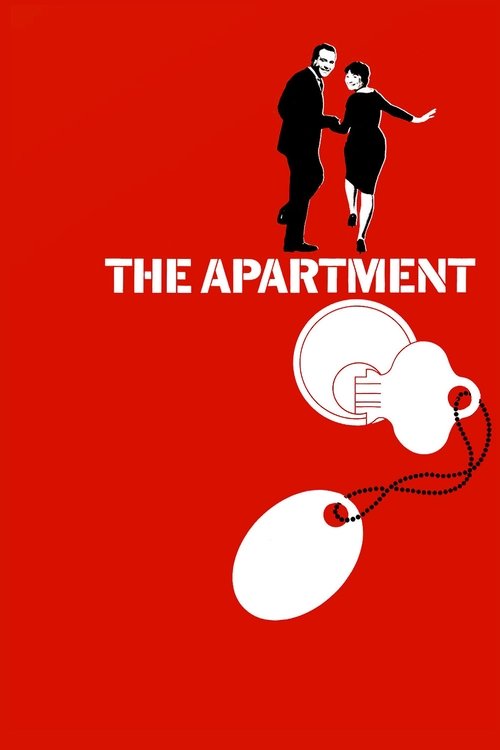
The Apartment1960
A insurance clerk loans his apartment to executives for affairs while pursuing his own love story. Wilder balances comedy and heartbreak perfectly—it's both genuinely funny and genuinely sad, which is rarer than it sounds.
But The gender dynamics haven't aged perfectly, and there's a casual darkness underneath the charm that some find off-putting.
Not sure tonight? Get a pick in a minute, starting from La Vie de Bohème
The wildcard
Something you would not have found on your own.
Tokyo Story1953
Both films find tragedy and comedy in the gap between what people want and what life gives them, told through long takes and the spaces between words.
Ozu's quiet masterpiece captures an elderly couple visiting their son in postwar Tokyo. Nothing violent or sensational occurs—just the small humiliations and joys of family. Kaurismäki studied Ozu obsessively; this is where his visual restraint comes from.
But 1950s Japanese cinema is patient to the point of stasis. No musical score, minimal camera movement, characters often filmed from behind. It requires surrender.

More like this (7)
Synecdoche, New York2008
Charlie Kaufman's bewildering love letter to art, mortality, and self-deception. A director creates a play-within-a-play-within-his-life. Strange, ambitious, constantly surprising—you'll either be mesmerized or frustrated.
But It's actively confusing and doesn't reward understanding it. Also brutally sad about aging, failure, and the cost of creation.

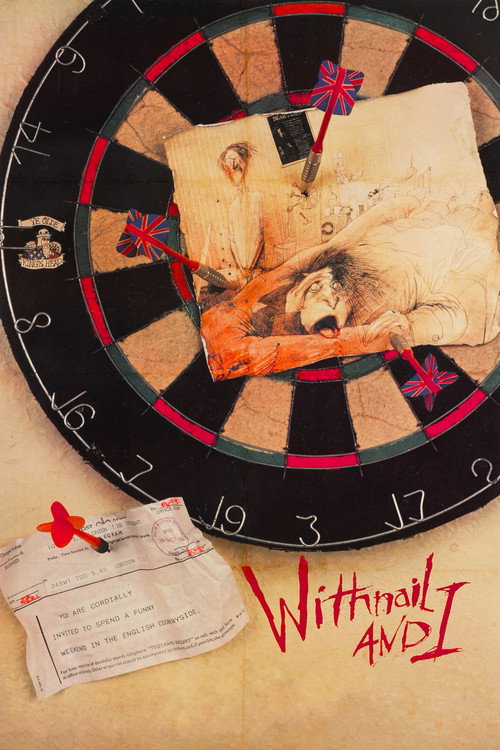
Withnail & I1987
Two unemployed actors stumble through London in their shabby flat, searching for work that never comes. British dark comedy at its driest—quotable, melancholic, perfect if you love characters who are their own worst enemies.
But The humor is very specifically British and very bleak. If you need heart alongside the cynicism, this might just feel mean.
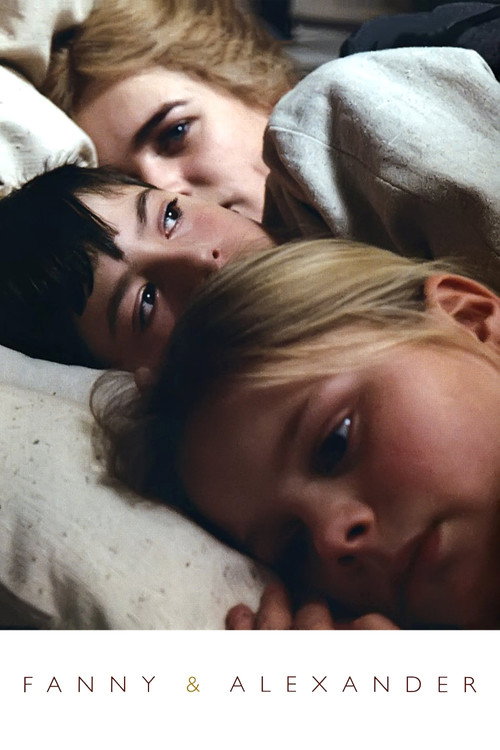
Fanny and Alexander1982
Bergman's luminous memory play follows two siblings through wonder, loss, and resilience. Visually sumptuous and emotionally alive—a film that feels less like watching a story than inhabiting a complete world.
But At three hours and set entirely in turn-of-century Sweden, it moves at its own rhythm. Modern pacing might feel glacial.
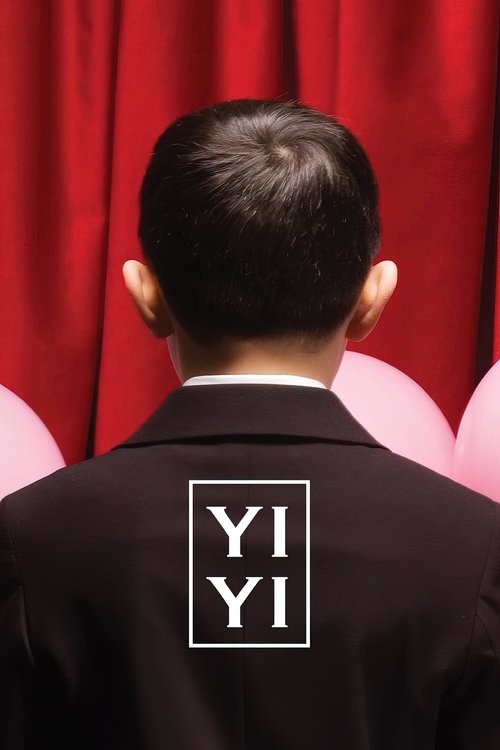
Yi Yi2000
Edward Yang's three-hour family epic captures an extended Taiwanese family across a wedding, a funeral, a hospital stay. Quiet observation of real life—how love looks when you stop asking it to be dramatic.
But A film about nothing special happening to people you don't know. Patience is mandatory; catharsis is not guaranteed.
In the Mood for Love2000
Wong Kar-wai's visual poem about two neighbors who discover their spouses are having an affair. Shot through cigarette smoke and neon, every frame is painterly. Longing has never looked so beautiful or felt so lonely.
But Style completely overwhelms substance. The plot barely moves, and some find the excess of color and music more beautiful than moving.

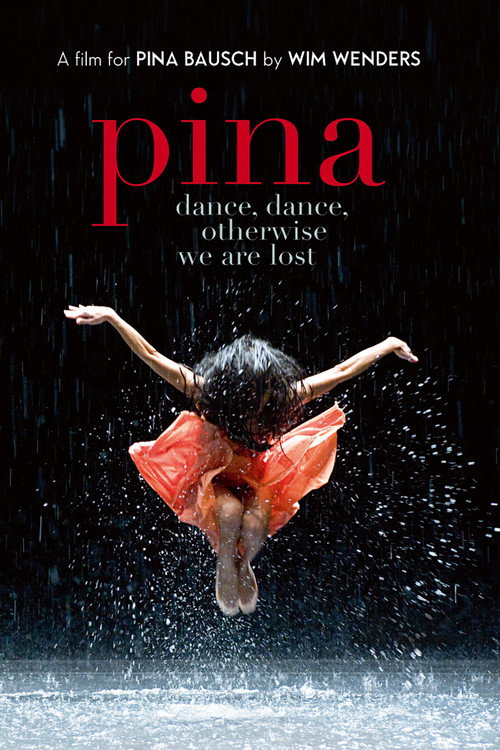
Pina2011
Both are about artists making beauty from almost nothing, filmed with such tenderness that poverty becomes almost noble. The register is completely different—one is wordless movement, one is deadpan dialogue—but the reverence for the work is identical.
Wim Wenders made a 3D documentary about Pina Bausch's dance theater after her death. Pure movement, pure art made from the body. It's a love letter to creation itself—how bodies speak what words cannot.
But It's a dance film, not a narrative. If you don't respond to bodies moving through space, this will seem baffling and self-indulgent.
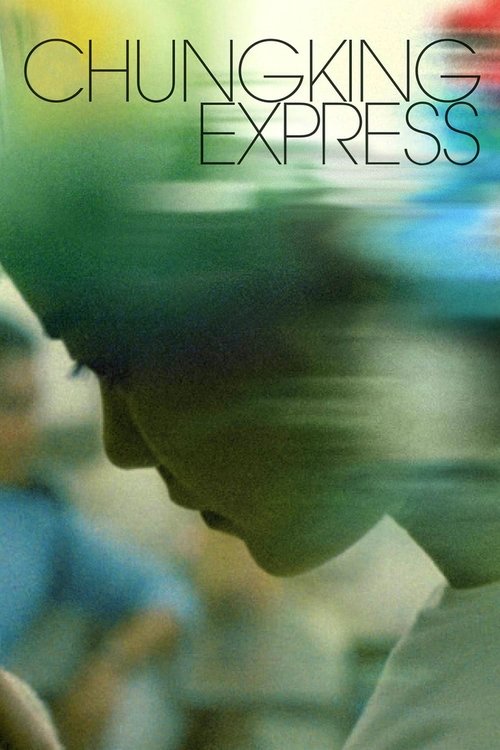
Chungking Express1994
Both films insist that small, failed, ordinary lives contain as much meaning as grand narratives. Also: both have a Finnish actor (Pellonpää here, not there), but more importantly, both treat poverty and yearning as sources of visual poetry rather than pathos.
Wong Kar-wai's neon-soaked Hong Kong romance follows two lovelorn cops and two women across intercut stories. Frenetic where La Vie is still, but equally about connection and loneliness, shot with such visual intoxication you forget what's actually happening.
But The narrative is deliberately fractured and the pacing is dizzying. Also very much a product of its era—the style might feel dated or affected.
People
Cast
 Matti PellonpääRodolfo
 Evelyne DidiMimi
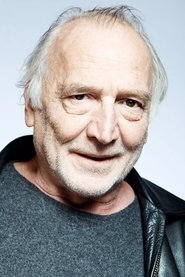 André WilmsMarcel
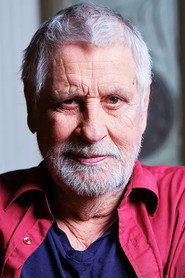 Kari VäänänenSchaunard
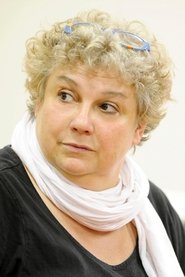 Christine MurilloMusette
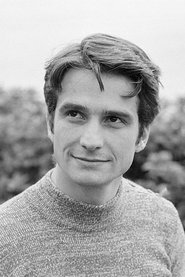 Jean-Pierre LéaudBlancheron
- Carlos SalgadoWaiter
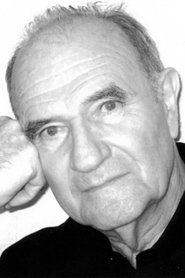 Alexis NitzerHenri Bernard
- Sylvie Van Den ElsenMrs. Bernard
- Gilles CharmantHugo / Rock Group
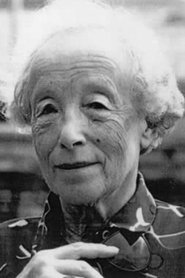 Dominique MarcasShop Owner
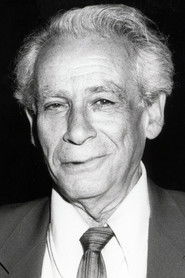 Samuel FullerGassot
Directing
- Aki KaurismäkiDirector
- Pauli PenttiFirst Assistant Director
- Haije AlanojaScript Supervisor
- Gilles CharmantSecond Assistant Director
- Nathalie HerrSecond Assistant Director
Writing
- Henri MurgerNovel
- Aki KaurismäkiScreenplay
Production
- Delphine BonnemasonCasting
- Francis BoespflugExecutive Producer
- Klaus HeydemannExecutive Producer
- Paula OinonenExecutive Producer
- Pierre-Yves ParrinetLocation Manager
- Erkki AstalaPost Production Coordinator
- Jaakko TalaskiviPost Production Coordinator
- Aki KaurismäkiProducer
- Irmeli DebarleProducer's Assistant
- Sinikka UsvamaaProduction Accountant
- Gilles SacutoProduction Manager
- Raili SalmiProduction Manager
- Christine VitelProduction Secretary
- Haije AlanojaProduction Secretary
Recommended by
Trying, Lust for Life, Damage, Camille Claudel, The Wolf at the Door, Isadora