
Film
The Wolf at the Door
A 1986 Danish film capturing Gauguin's poverty-stricken final years in Tahiti, where artistic genius and personal chaos collide. Donald Sutherland embodies the painter's brilliant arrogance as he navigates failed relationships, mounting debt, and the gap between vision and survival. It's a portrait of artistic obsession that refuses sentimentality.
If you liked this
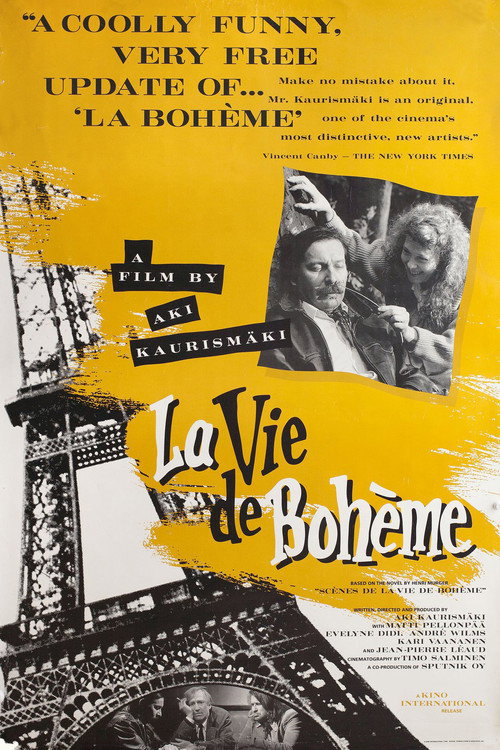
La Vie de Bohème1992
Aki Kaurismäki's deadpan meditation on struggling artists in Paris—bohemia without romance. Three penniless dreamers navigate love, hunger, and the price of making art nobody wants yet. Achingly funny and genuinely moving.
But Kaurismäki's droll style is an acquired taste; if you need narrative momentum or emotional crescendos, the glacial pacing will test you.
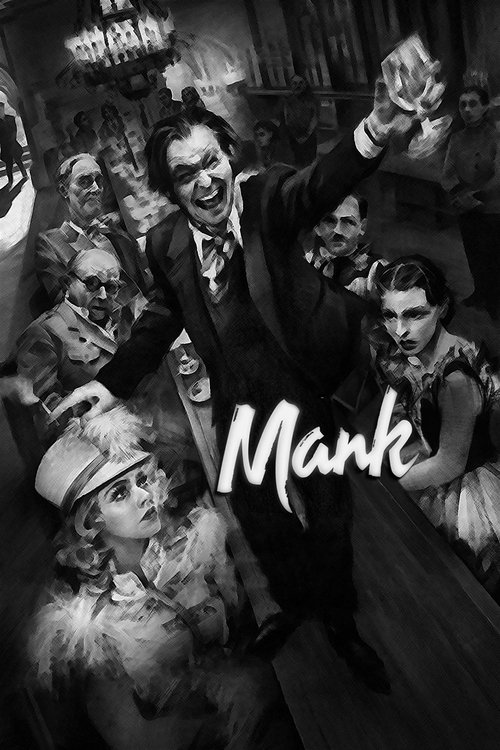
Mank2020
David Fincher's monochrome portrait of a screenwriter's dissolution—booze, ego, genius, and the industry's indifference. Gary Oldman commands every frame as Herman J. Mankiewicz destroys himself brilliantly. Sharp, unsentimental, utterly absorbing.
But Reaches for prestige at points and the screenplay-about-screenplays meta-ness can feel self-congratulatory. Some find Fincher's formalism cold.
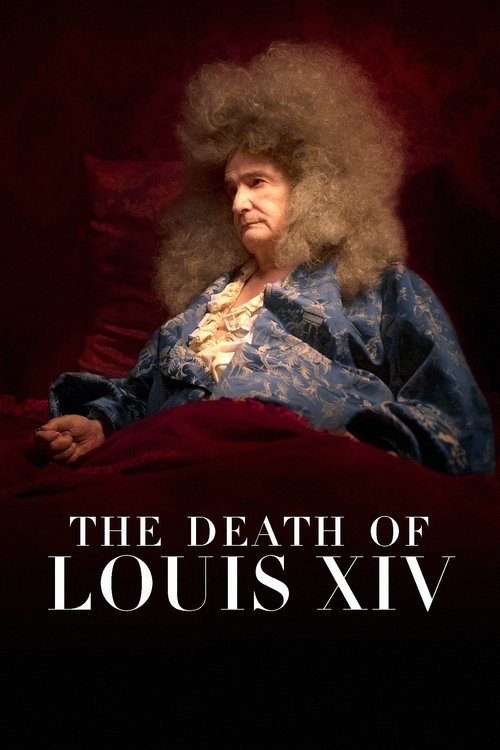
The Death of Louis XIV2016
Albert Serra's hypnotic final hours of the Sun King—baroque, intimate, and disorienting. Watching absolute power reduce to a failing body in a gilded cage is profound and strange. Visually stunning in its refusal to look away.
But Barely a narrative; it's sculpture and atmosphere. If you need plot or conventional drama, this will feel like punishment rather than art.
Not sure tonight? Get a pick in a minute, starting from The Wolf at the Door
The wildcard
Something you would not have found on your own.
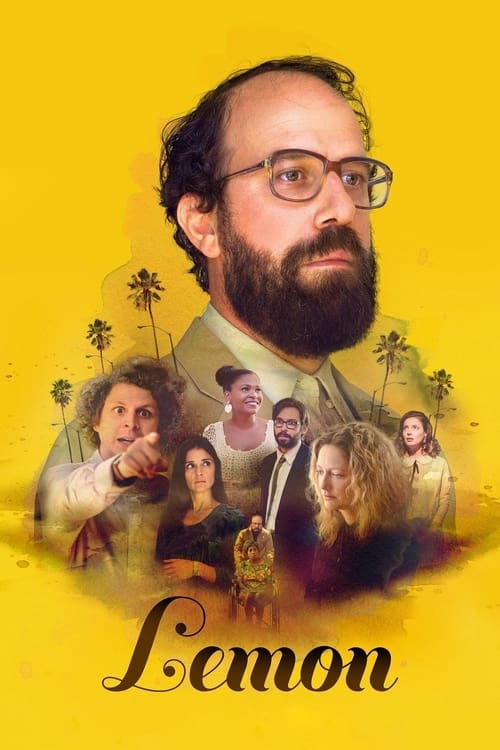
Lemon2017
Both are unsparing portraits of genius without fortune or grace. Where Gauguin destroyed himself through passion, this film shows ego destroying someone with talent but no redemptive vision. The cruelty is comparable.
Evan Koslow's bleak comedy—a failing actor's life disintegrating in real time, shot in experimental aspect ratios and sustained deadpan. It's about mediocrity, ego, and the gap between aspiration and reality. Acutely uncomfortable and genuinely original.
But Resolutely unfunny to most viewers, deliberately ugly, and requires embracing profound unease as entertainment. The non-standard image formats alienate rather than fascinate.
More like this (8)
A Prophet2009
Jacques Audiard's prison odyssey where a young man's genius for survival and manipulation transforms him into a criminal emperor. Tense, intelligent, morally complicated. Mesmerizing filmmaking about ambition in the worst circumstances.
But Prison brutality is graphic and sustained. Over two and a half hours; its pace demands patience, and some found it exhausting.

Synecdoche, New York2008
Charlie Kaufman's dizzy fever dream of a director creating a replica of New York inside a warehouse while his life implodes. It's about art consuming the artist, failure, ambition, and meaning collapsing into itself. Genuinely singular.
But Deliberately confusing and deliberately sad. Many found it pretentious or incomprehensible; it rewards obsessive rewatching more than clarity.

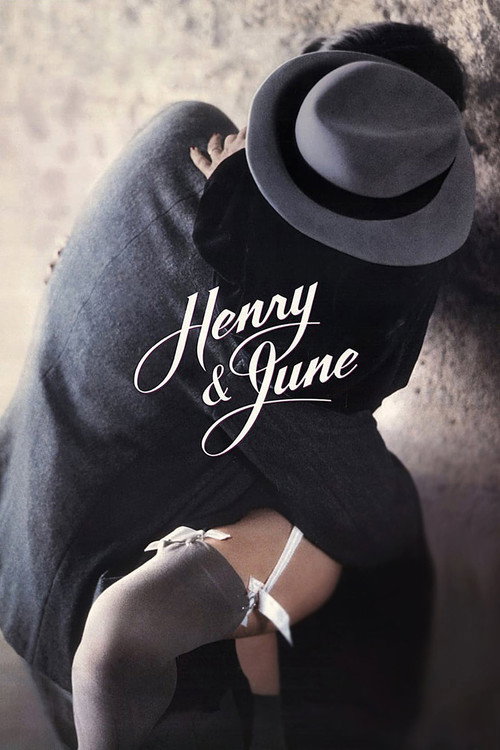
Henry & June1990
Philip Kaufman's sensual, exploratory portrait of a woman discovering herself through literary passion and creative awakening in 1930s Paris. Erotic without exploitation, it captures the intoxication of art and desire.
But The sexual content is unapologetic and extensive; pacing is languid, and some found the protagonist's self-discovery more indulgent than compelling.
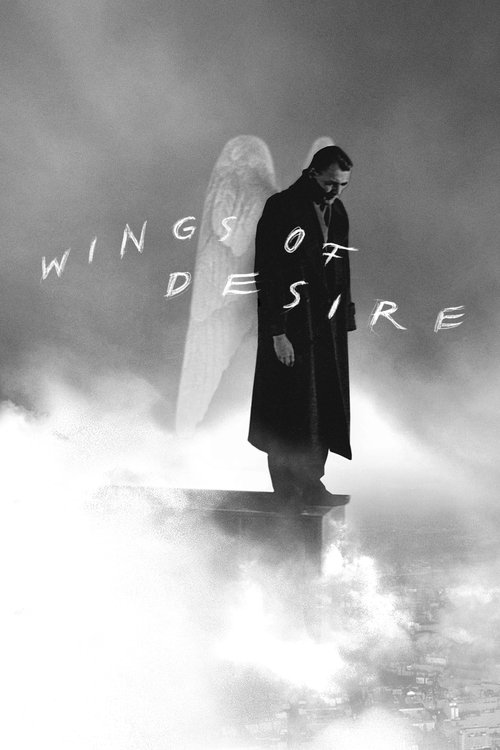
Wings of Desire1987
Wim Wenders' poem about angels observing divided Berlin, longing, and the ache of being human. Visually transcendent; it meditates on art, desire, and what we reach for when survival isn't enough. Hauntingly beautiful.
But Deliberately slow and meditative rather than propulsive. Viewers seeking narrative clarity or dramatic resolution will find it elliptical and frustrating.
The Turin Horse2011
Béla Tarr's bleak, hypnotic final film—the last days of Nietzsche's sanity, or perhaps a fable about civilization's collapse. Monochrome, repetitive, and absolutely transfixing. A masterwork of despair.
But Deliberately punishing cinema; almost no plot, relentless grayness, and an appetite for suffering. Viewing it is an endurance test that defeats most audiences.

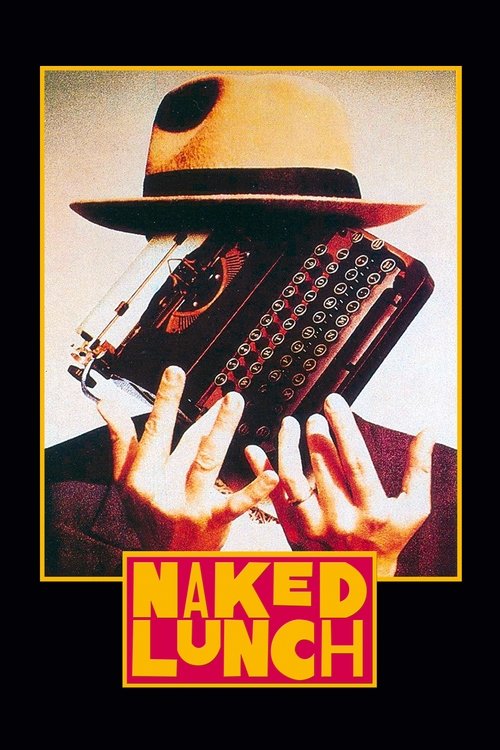
Naked Lunch1991
Cronenberg's surreal adaptation of Burroughs' un-adaptable novel—a fever dream of addiction, transformation, and artistic vision. Grotesque and fascinating, it captures the dissolution of self in creative genius.
But Bewildering, unpleasant, and often disgusting. Narrative coherence is abandoned entirely; most viewers find it impenetrable rather than enriching.
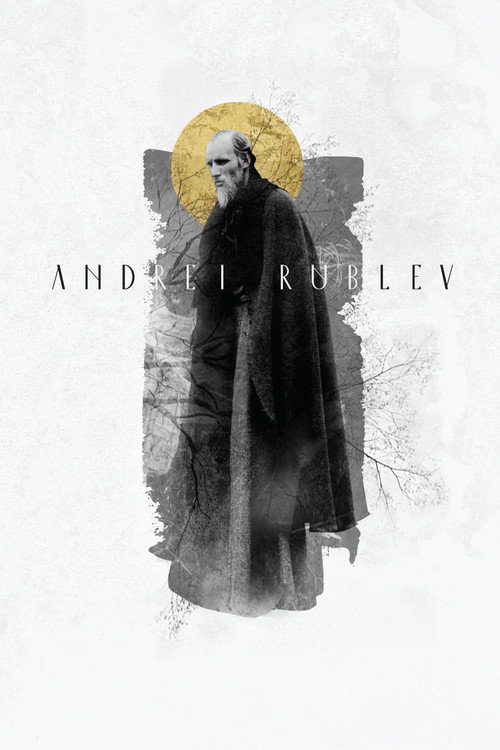
Andrei Rublev1966
Both examine the artist as martyr—what we sacrifice for vision, what vision costs us. Tarkovsky's painter, like Gauguin, must choose between survival and creation. The film's gravity and Gauguin's chaos are opposite poles of the same obsession.
Tarkovsky's epic meditation on a medieval icon-painter's struggle between faith, art, and suffering across years of Russian tumult. Not plot; it's visual and spiritual contemplation. One of cinema's greatest achievements about the artist's burden.
But Nearly three hours of deliberate, glacial pacing. Black and white, minimalist dialogue, and a register of profound sadness. It rewards absolute patience and will alienate anyone seeking accessibility.
Stalker1979
Both trace the gap between yearning and attainment. Gauguin chased paradise in Tahiti; Stalker's pilgrims chase transcendence in a dead zone. Each is about the cost of wanting something more than survival allows, and whether arrival answers anything.
Tarkovsky's hypnotic science-fiction parable about desire, meaning, and the things we pursue knowing they might destroy us. A guide leads two men through a forbidden zone toward a room that grants wishes. Visually profound; emotionally devastating.
But Science fiction aesthetics are 1970s Soviet, not futuristic. Glacially paced contemplative cinema with minimal plot. Demands surrender; resists active viewing.

People
Cast
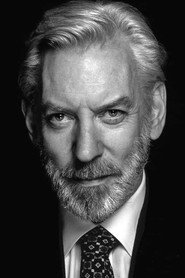 Donald SutherlandPaul Gauguin
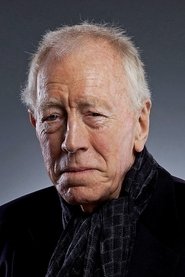 Max von SydowAugust Strindberg
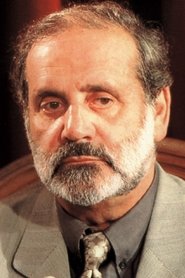 Jean YanneWilliam Molard
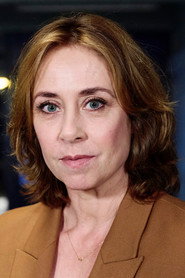 Sofie GråbølJudith Molard
- Valeri GlandutAnnah
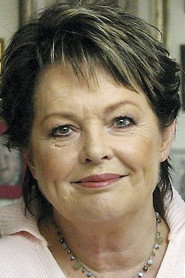 Ghita NørbyIda Molard
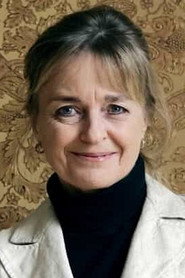 Merete VoldstedlundMette Gad
 Solbjørg HøjfeldtNina Pack
 Fanny BastienJuliette Huet
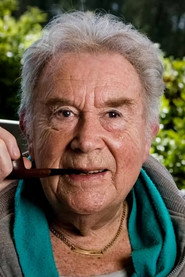
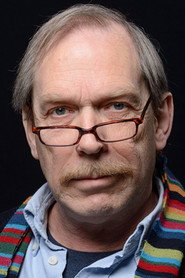
 Morten GrunwaldDurand-Ruel
Directing
- Henning CarlsenDirector
Writing
- Henning CarlsenScenario Writer
- Jean-Claude CarrièreScenario Writer
- Christopher HamptonScreenplay
Production
- Alain MoreauExecutive Producer
- Claes Kastholm HansenExecutive Producer
- Jean-Pierre CottetExecutive Producer
- Leon ZuratasExecutive Producer
- Henning CarlsenProducer