
Film
The Abdication
A stately, introspective drama about Queen Christina of Sweden renouncing her throne to pursue faith and freedom. Liv Ullmann embodies a woman caught between duty and desire, wrestling with identity across sumptuous European landscapes. For viewers who prize character study over spectacle, and who find intellectual conflict more compelling than physical action.
If you liked this
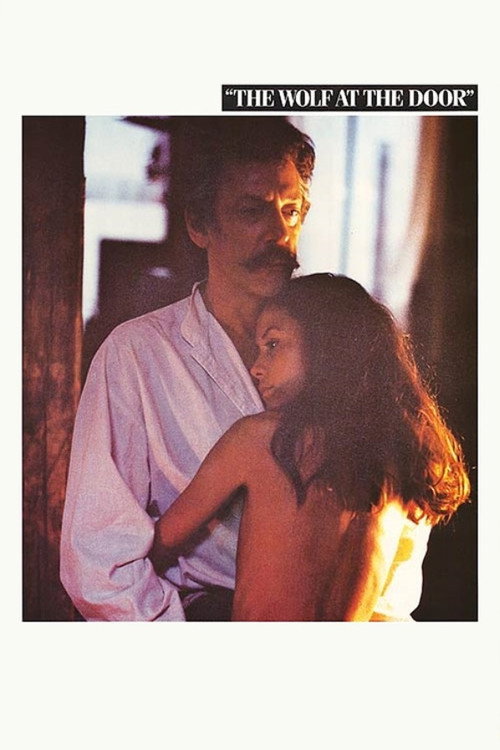
The Wolf at the Door1986
A similarly meditative biopic about an artist (Paul Gauguin) abandoning convention for self-discovery. Features Max von Sydow in a performance of quiet desperation, exploring what it costs to choose authenticity over obligation.
But The pacing is glacial and the film luxuriates in ambiguity; if you want clear moral judgment or dramatic resolution, you'll leave frustrated.
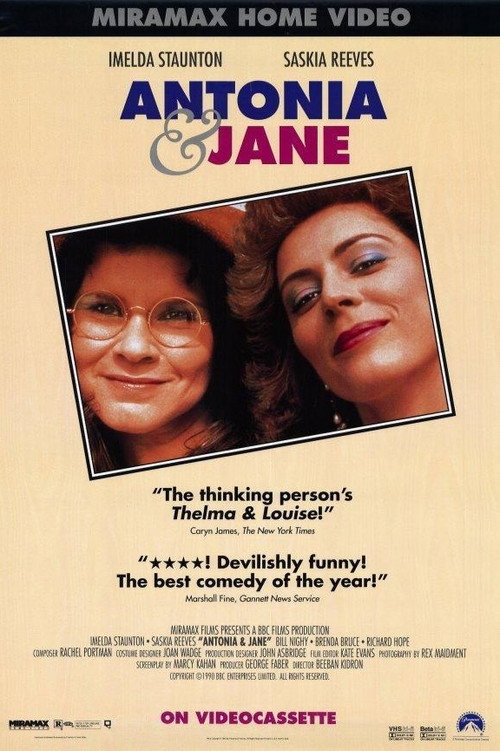
Antonia and Jane1990
Traces a lifelong female friendship across decades with tender irony. Like The Abdication, it probes the tension between personal desire and social expectation, but does so with wry British humour and genuine warmth.
But It's quiet and deliberately small-scale; no grand gestures, and the emotional stakes are domestic rather than historical.
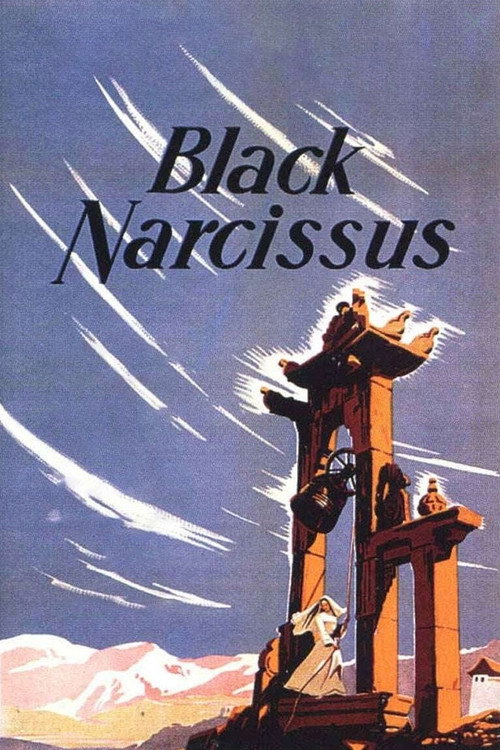
Black Narcissus1947
Powell and Pressburger's visually ravishing study of faith, desire, and institutional life. Deborah Kerr presides over a convent in the Himalayas as repressed longings simmer beneath ritual and prayer—thematically rich and formally breathtaking.
But The film's exoticism and some of its psychology feel dated now. Colour cinematography sometimes overwhelms subtlety of character.
Not sure tonight? Get a pick in a minute, starting from The Abdication
The wildcard
Something you would not have found on your own.
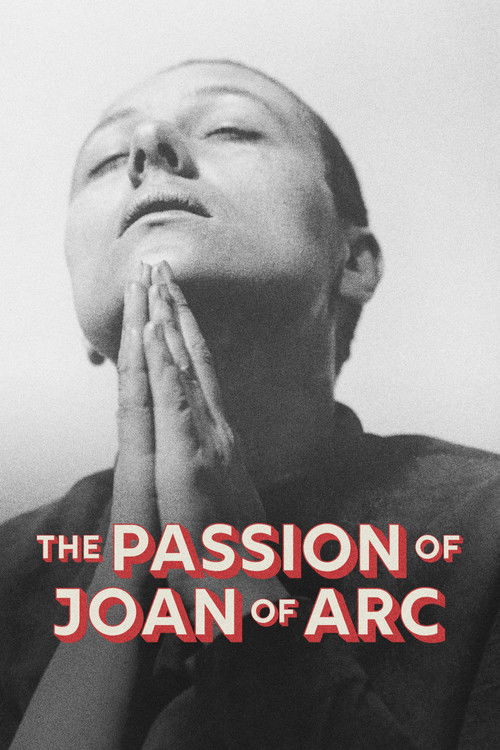
The Passion of Joan of Arc1928
Both films centre on a woman whose faith becomes a force that institutions cannot contain or control. Jeanne is destroyed by the Church; Christina abandons it. Two opposite responses to the same crisis.
Carl Theodor Dreyer's wordless masterpiece. Renée Jeanne Galizia's Jeanne sits in a cell, examined and interrogated by ecclesiastical authority, her faith tested by institutions claiming to serve God. The connection is visceral: both films are about women martyred by the very faith that moves them.
But Silent film, extensive intertitles, extremely slow and often brutal to watch. Jeanne's suffering is relentless and there is no narrative comfort. Not for those seeking escapism.
More like this (8)
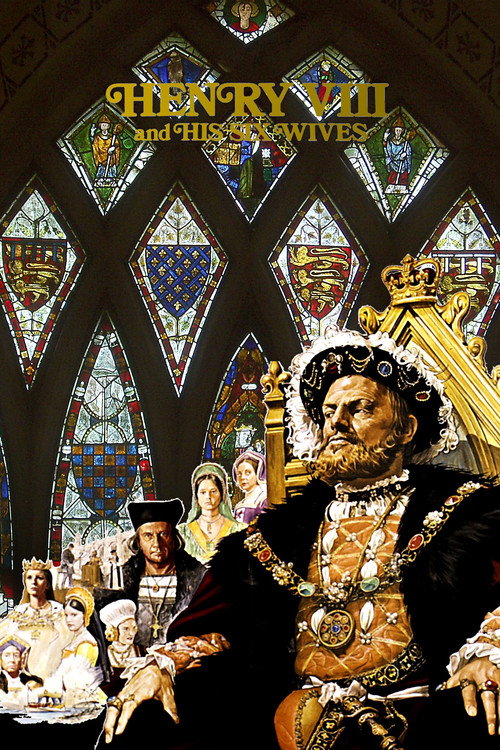
Henry VIII and His Six Wives1972
A lucid chronicle of power and marriage, with Robert Shaw as a Henry wrestling with faith and flesh. Structured around intimate scenes that let you see how ambition and desire corrupt commitment.
But Television-grade production values and a dutiful approach to history—it prioritizes clarity over atmosphere or visual imagination.
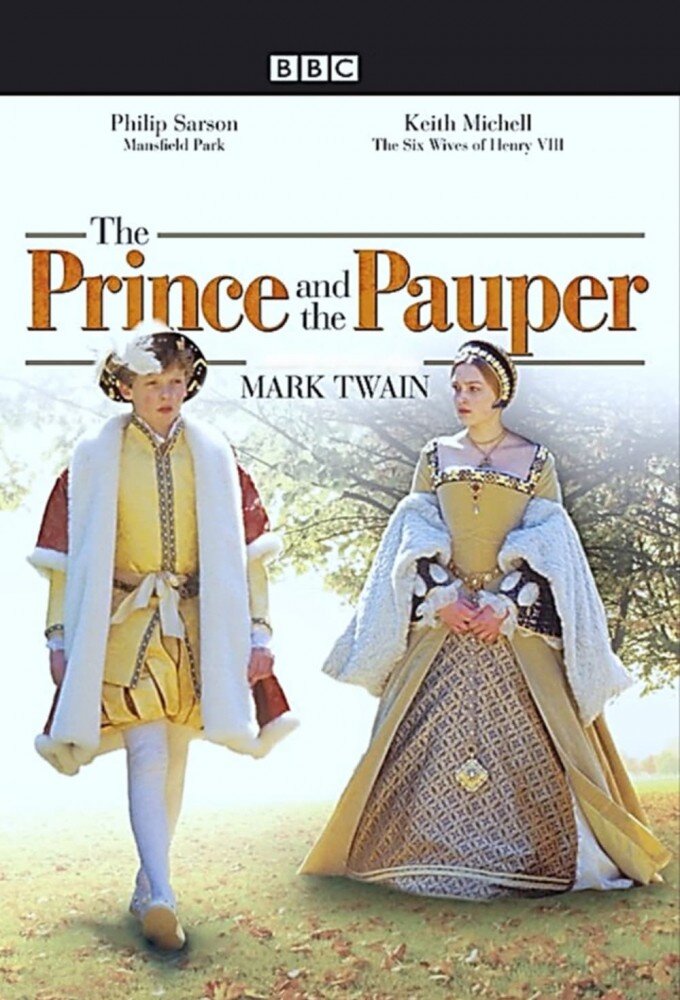
The Prince and the Pauper1996
An adaptation that genuinely explores the friction between inherited duty and personal choice through switched lives. Jude Law and Jean-Claude Van Damme (yes, really) give the material surprising emotional credibility.
But It's a television film with corresponding constraints. Some will balk at Van Damme in a period drama, however well he acquits himself.
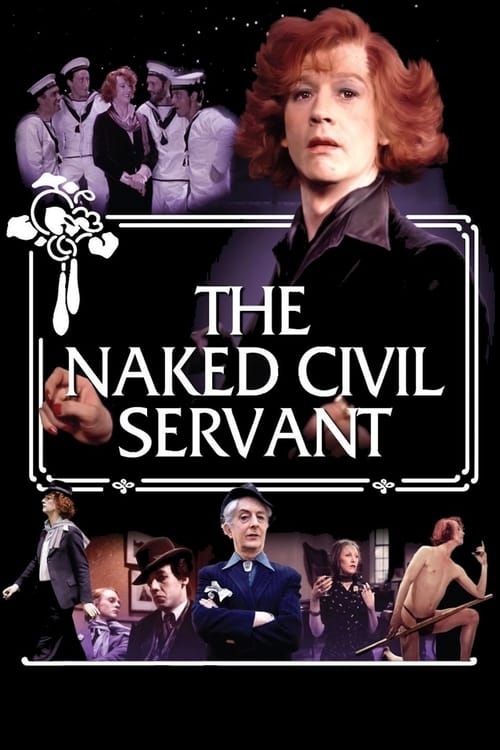
The Naked Civil Servant1975
John Hurt's astonishing debut as Quentin Crisp, a biographical drama about living authentically despite social prohibition. Sparse, compassionate, focused entirely on one man's quiet refusal to conform.
But No plot in the conventional sense—it's a series of scenes showing a life lived deliberately but without triumph. Some will find it undramatic or even slow.
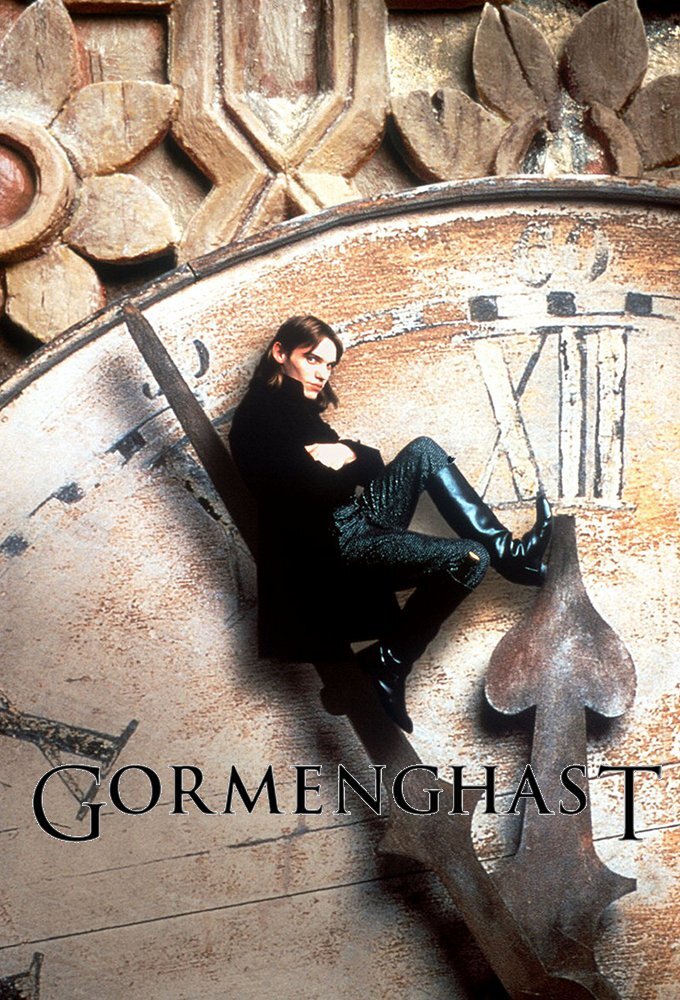
Gormenghast2000
A Gothic miniseries built on ritual, duty, and one character's slow rebellion against suffocating tradition. Jonathan Rhys Meyers as a young man discovering that inherited law and personal conscience can collide catastrophically.
But Visually dense and structurally complex; the narrative doesn't move in straight lines and demands your attention. Based on Mervyn Peake's difficult novels.
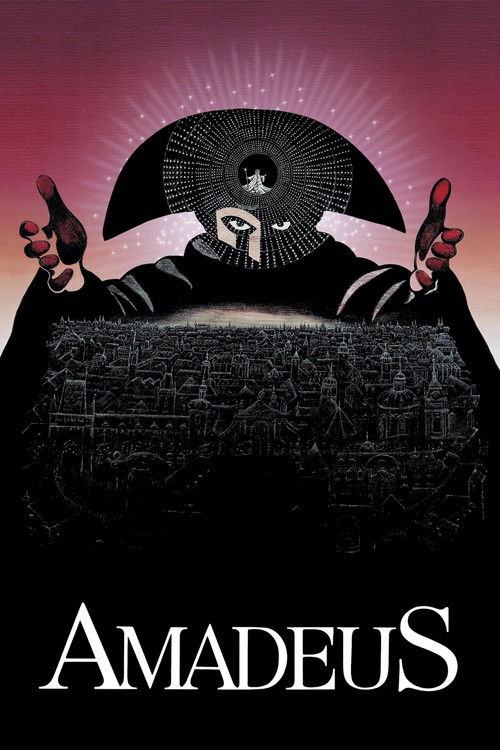
Amadeus1984
A grand examination of talent, faith, and professional jealousy. Like The Abdication, it treats art and spirituality as inseparable, and asks who truly owns a gift—the vessel or the force that flows through them.
But Three-and-a-half hours, and the film does not shy away from its own theatrical grandeur. Some find it exhausting rather than exhilarating.
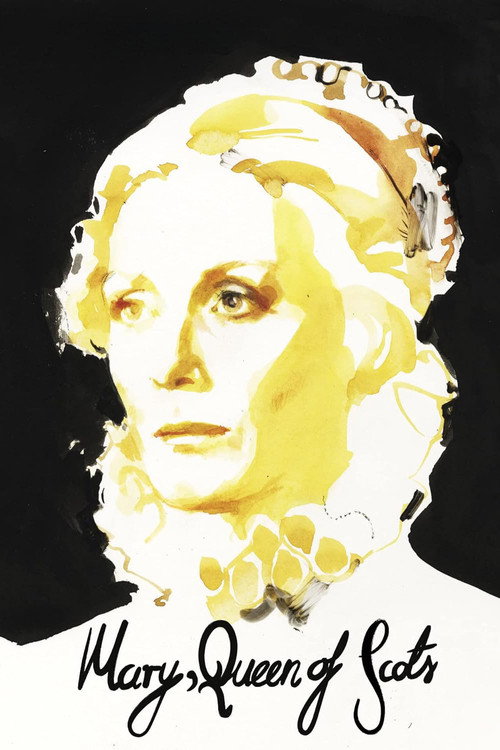
Mary, Queen of Scots1971
Glenda Jackson gives a performance of volcanic intensity as a queen undone by the gap between image and reality. A historical drama that trusts its actors to carry philosophical weight without explanation.
But The film is dialogue-heavy and moves at a measured pace; visual storytelling matters less than what characters articulate about power and mortality.
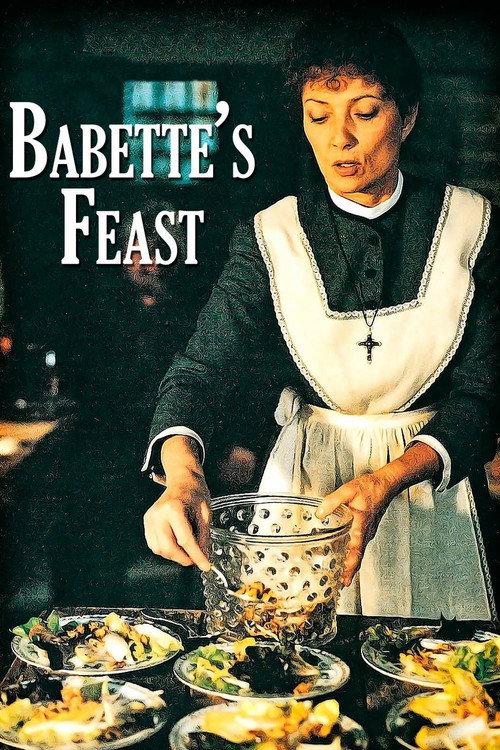
Babette's Feast1987
Both examine how we come to faith, and what it costs. But where The Abdication is about rejection and flight, Babette's Feast is about surrender and grace arriving through unexpected channels. Opposite philosophical conclusions, same emotional and spiritual register.
A Danish chamber piece about a woman who renounces worldly pleasure for a sect of austere believers, until she achieves grace through an act of lavish sacrifice. Isak Dinesen's story becomes cinema of extraordinary restraint and transcendence—faith earned, not imposed.
But It moves with the pace of prayer. The first half is nearly featureless; the final forty minutes are the real film. If you need plot momentum you will find it insufferably slow.
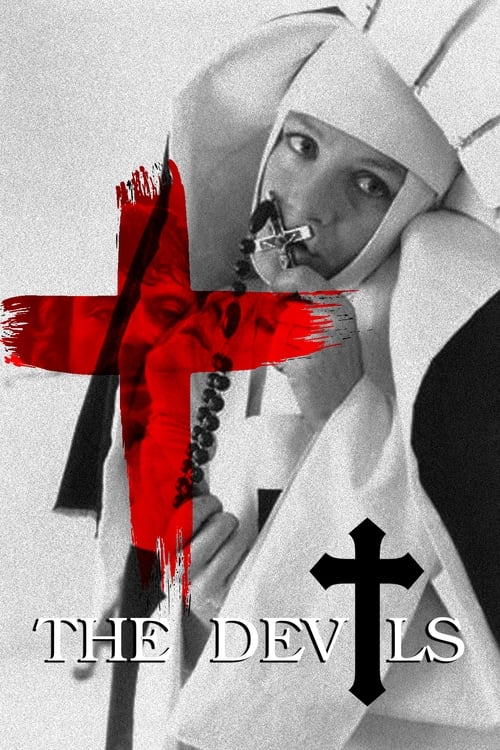
The Devils1971
Both films use the convent, faith and institutional Catholicism as their crucible. But where The Abdication is a drawing-room debate, The Devils is a fever dream of possession and madness. Same historical world; opposite registers—one whispers, one screams.
Ken Russell's hallucinogenic period horror about a convent seized by hysteria, faith weaponized by power, the body and spirit at war. Oliver Reed and Vanessa Redgrave in a maelstrom of genuine disturbance. A kinetic counterpoint to The Abdication's contemplative tone.
But Violently sexual, blasphemous, visually overwhelming and designed to repel. The hysteria is not cathartic—it's exhausting and obscene. Not a film for those seeking quiet spiritual reflection.
People
Cast
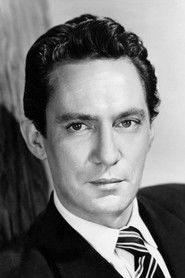 Peter FinchAzzolino
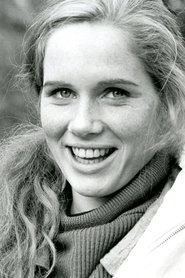 Liv UllmannQueen Kristina
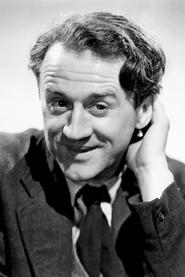 Cyril CusackOxenstierna
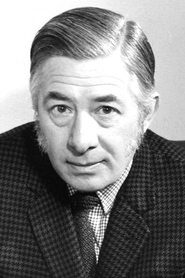 Paul RogersAltieri
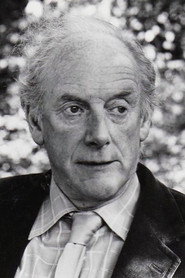 Graham CrowdenBarberini
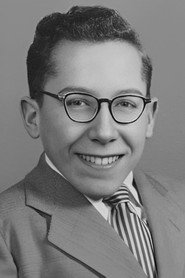 Michael DunnThe Dwarf
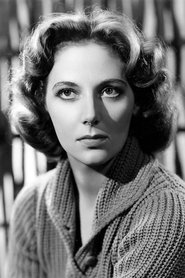 Kathleen ByronQueen Mother
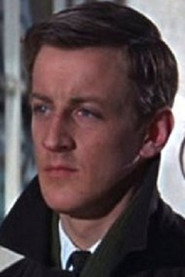 Lewis FianderDominic
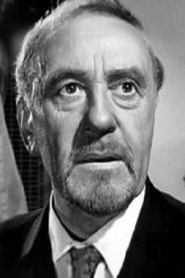 Harold GoldblattPinamonti
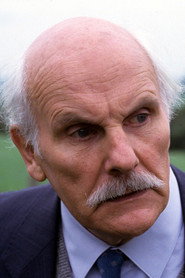 Tony SteedmanCarranza
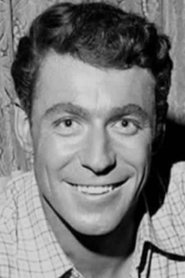 Noel TrevarthenGinetti
- Richard CornishCharles
Directing
- David MunroAssistant Director
- Connie WillisContinuity
- Anthony HarveyDirector
Writing
- Ruth WolffNovel
- Ruth WolffScreenplay
Production
- William HillAssociate Producer
- Maude SpectorCasting
- Al BurgessLocation Manager
- James CressonProducer
- Robert FryerProducer
- Arthur TarryProduction Accountant
- Barbara AllenProduction Assistant
- Laura FattoriProduction Assistant
- Mario PisaniProduction Manager
- Anne FordProduction Secretary
- Danilo SabatiniProduction Supervisor