
Television series
Gormenghast
Gormenghast is a gorgeously strange adaptation of Mervyn Peake's Gothic fantasy novel, set in a vast, labyrinthine castle ruled by ritual and decay. It moves between grotesque comedy and genuine darkness, with a cast of unforgettable grotesques scheming and suffering in equal measure. For viewers who loved the twisted grandeur of *The Addams Family* but wanted something with more literary weight and visual ambition.
If you liked this
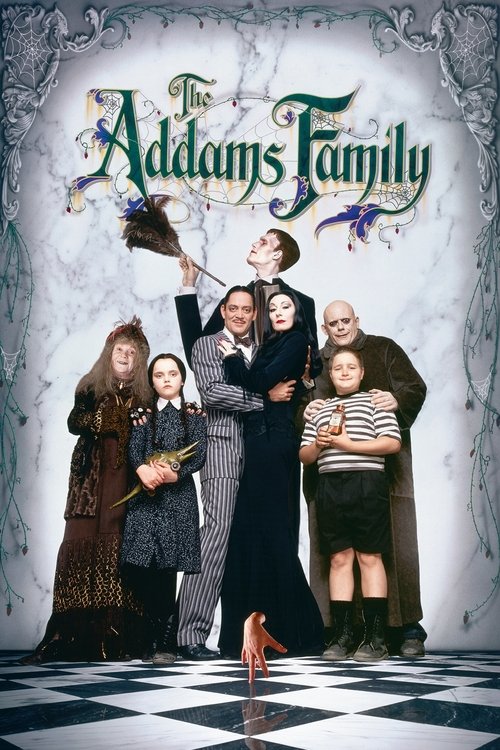
The Addams Family1991
A similarly macabre celebration of aristocratic dysfunction and ornate interiors, where the weird family members are the heroes and the outsiders don't understand them. Lighter in tone, but the DNA is identical.
But It's a mainstream comedy rather than a Gothic drama. If you're seeking Peake's literary darkness, this swings too hard toward whimsy.
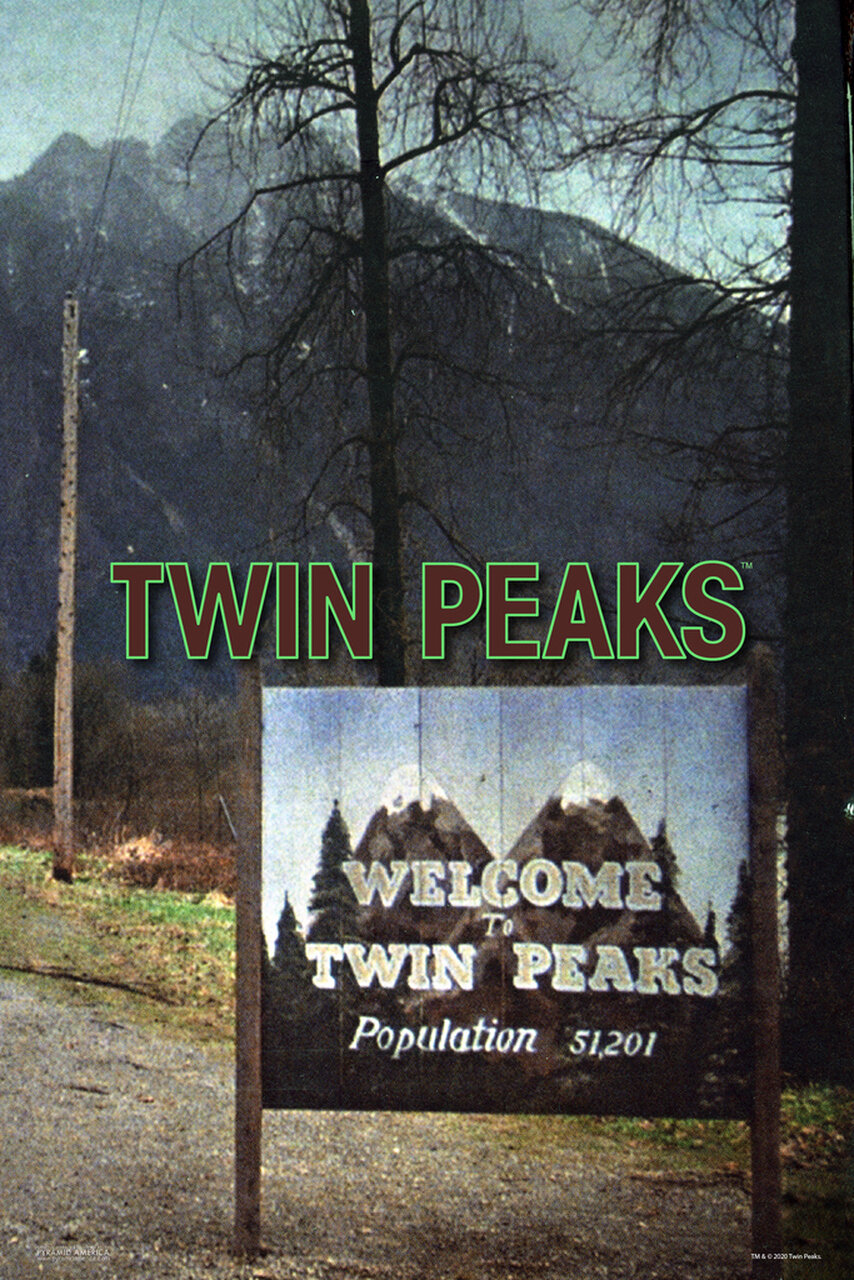
Twin Peaks1990
A towering achievement in visual storytelling about a community bound by ritual and secrets, where the grotesque and the mundane collide. Dense, oddly funny, utterly committed to its own strange world.
But It's far longer, far more demanding, and the tone shifts unpredictably. Some plotlines spiral into incomprehensibility.
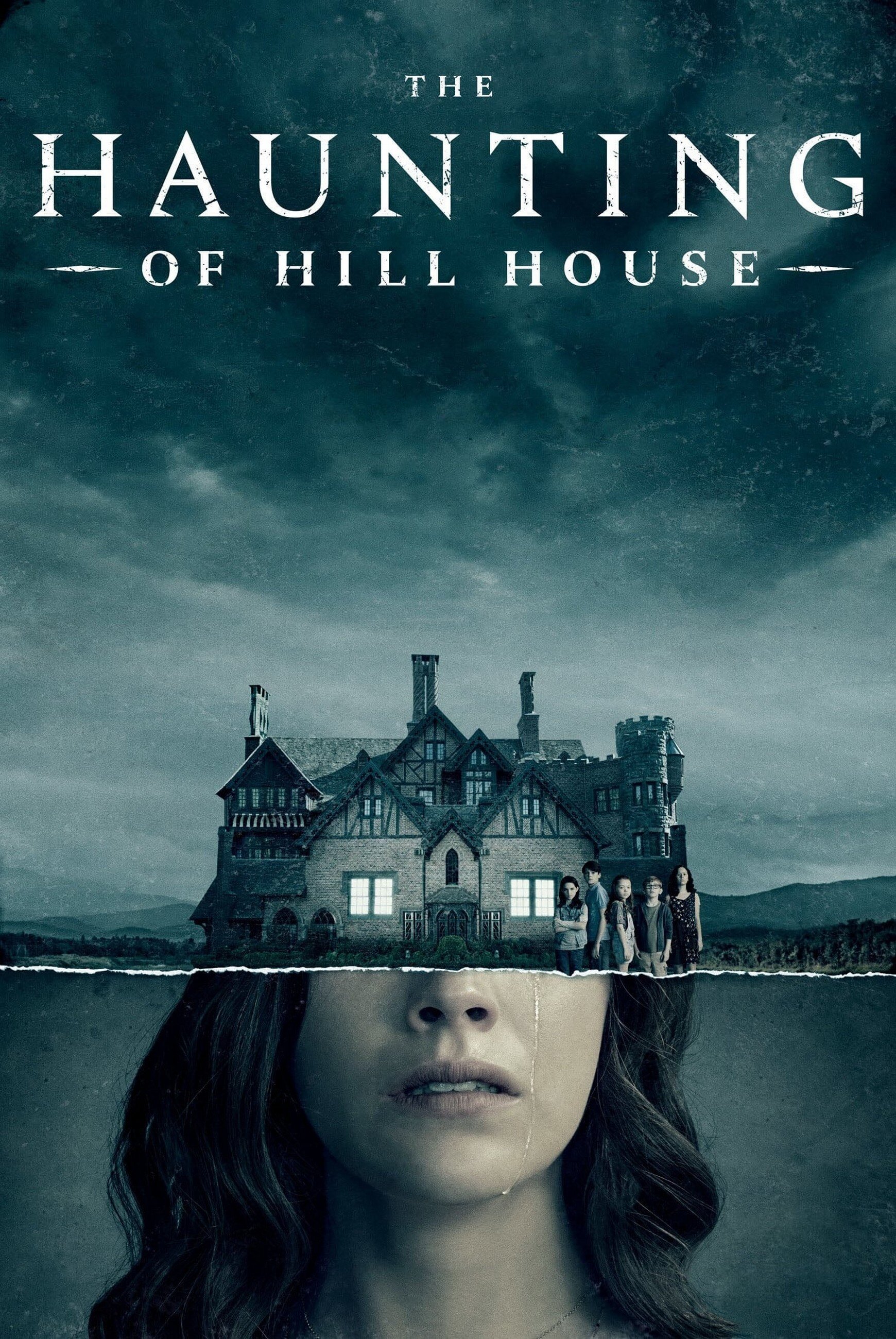
The Haunting of Hill House2018
A dark, atmospheric drama where a decrepit building becomes a character itself, with ensemble casting and genuine unease beneath the supernatural premise. Visually sumptuous and genuinely unsettling.
But It's contemporary and psychological rather than fantastical. The Gothic atmosphere is sadness and trauma, not theatrical grotesquerie.
Not sure tonight? Get a pick in a minute, starting from Gormenghast
The wildcard
Something you would not have found on your own.
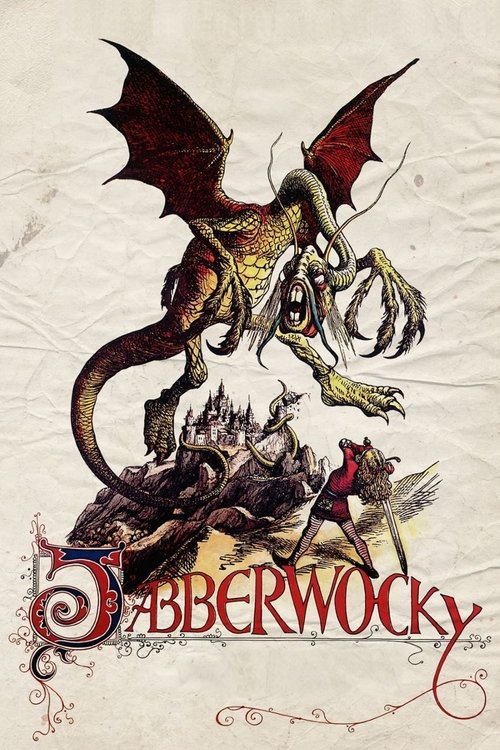
Jabberwocky1977
Both construct immersive impossible worlds where grotesque characters navigate elaborate ritual and decay; where the setting is as important as the story; where visual excess is part of the meaning.
Terry Gilliam's film transforms Peake's sensibility into another register entirely: medieval chaos, grotesque creatures, slapstick and horror intertwined, a fully realized impossible world governed by its own logic. It's what Gormenghast's visual excess might look like in a pure fantasy comedy.
But It's deliberately ugly and deliberately chaotic. The narrative is deliberately incoherent. If you want plot clarity or likable protagonists, this actively resists you.
More like this (8)
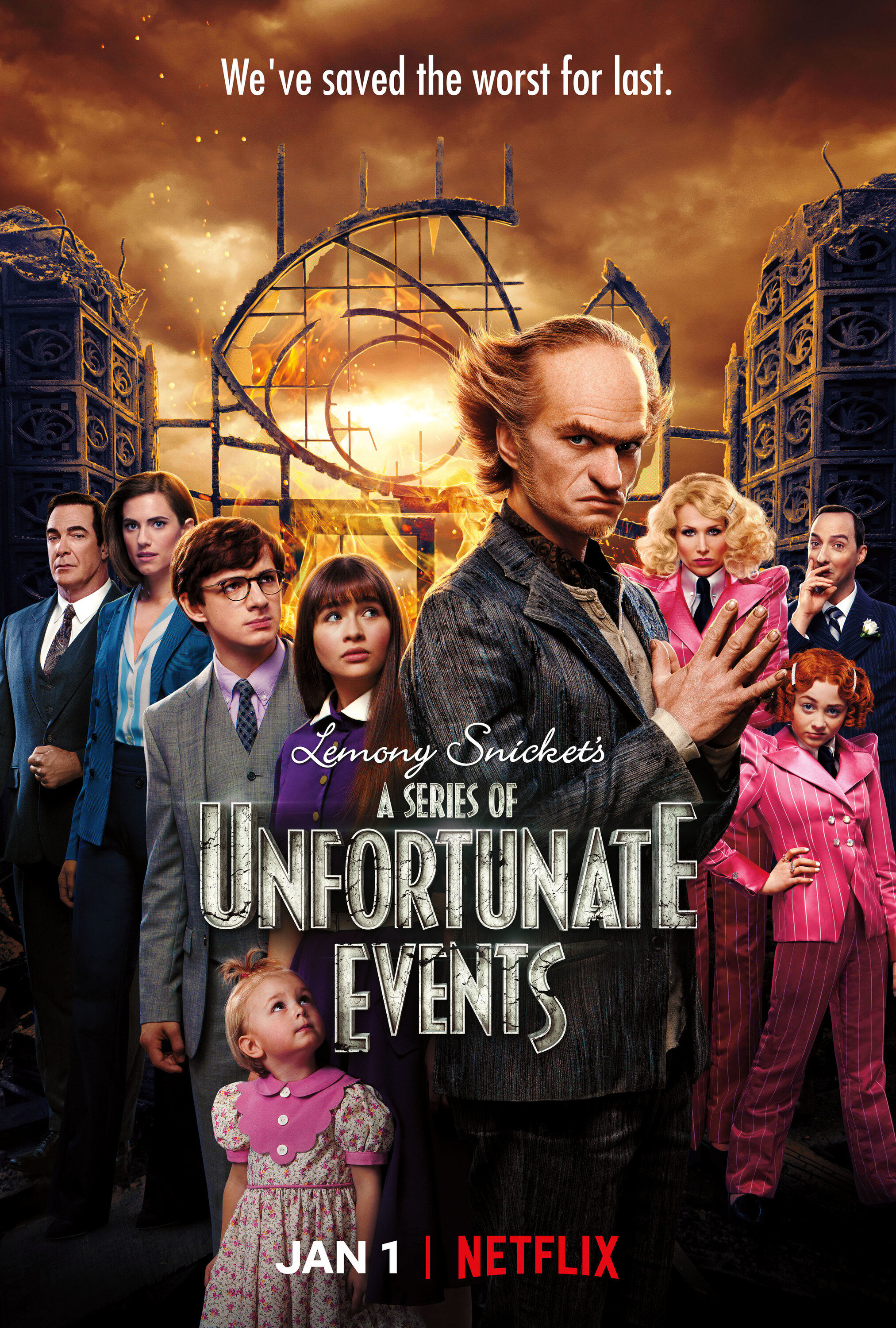
A Series of Unfortunate Events2017
A stylized, deliberately theatrical adaptation that luxuriates in gloom, visual excess, and a cast of bizarre characters. It understands that Gothic stories can be funny *because* they're dark, not despite it.
But The Netflix series is much lighter on plot and heavier on aesthetic indulgence. Some find it precious or self-conscious.
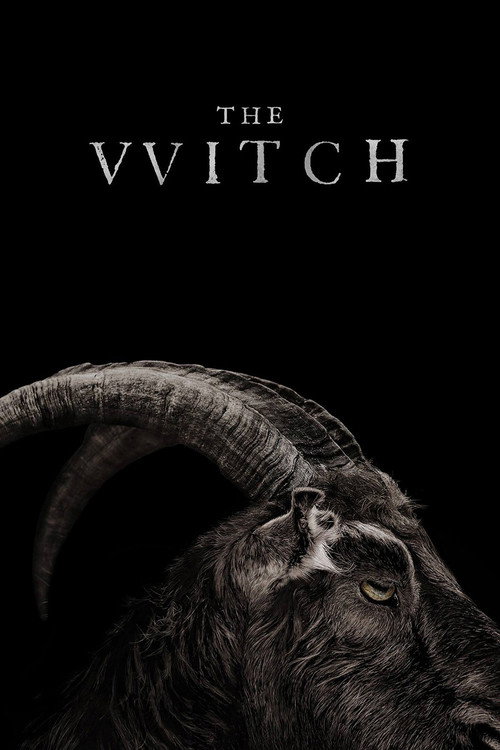
The Witch2016
A slow-burn Gothic horror film that treats its own strangeness with absolute seriousness. Genuinely disturbing, visually ravishing, committed to its period and its dread.
But It's relentlessly bleak with virtually no humor. The pacing is glacial and the ending offers no catharsis.
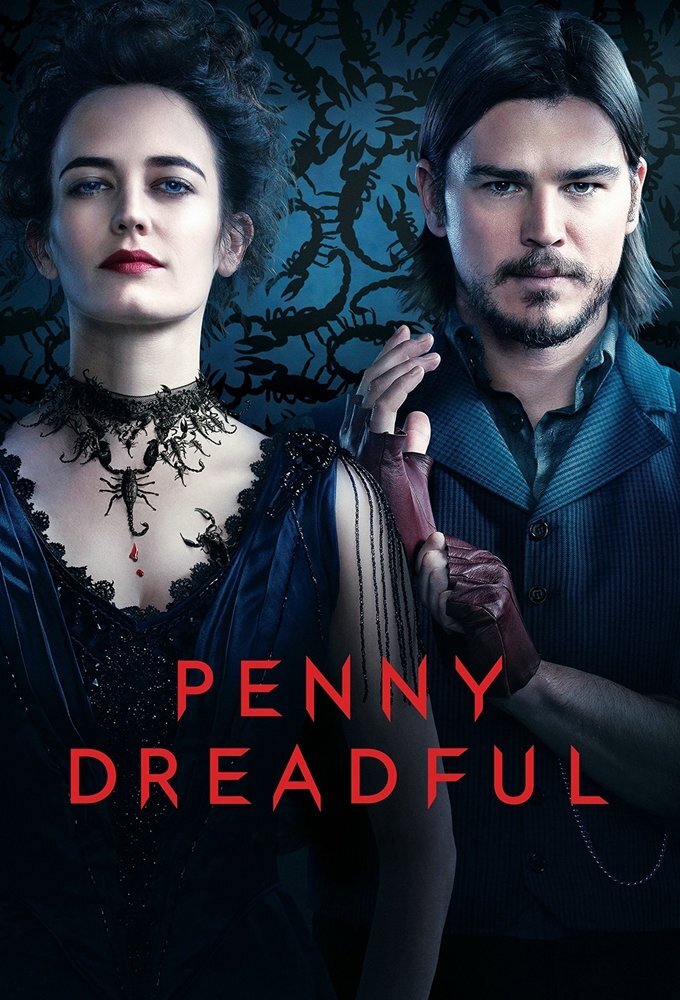
Penny Dreadful2014
A Gothic ensemble piece with theatrical flair, literary ambition, and a genuine commitment to darkness. Features grotesque characters, ornate sets, and the collision of high drama with pulp sensibility.
But The plotting becomes increasingly convoluted. Tonal shifts between camp and tragedy don't always land.
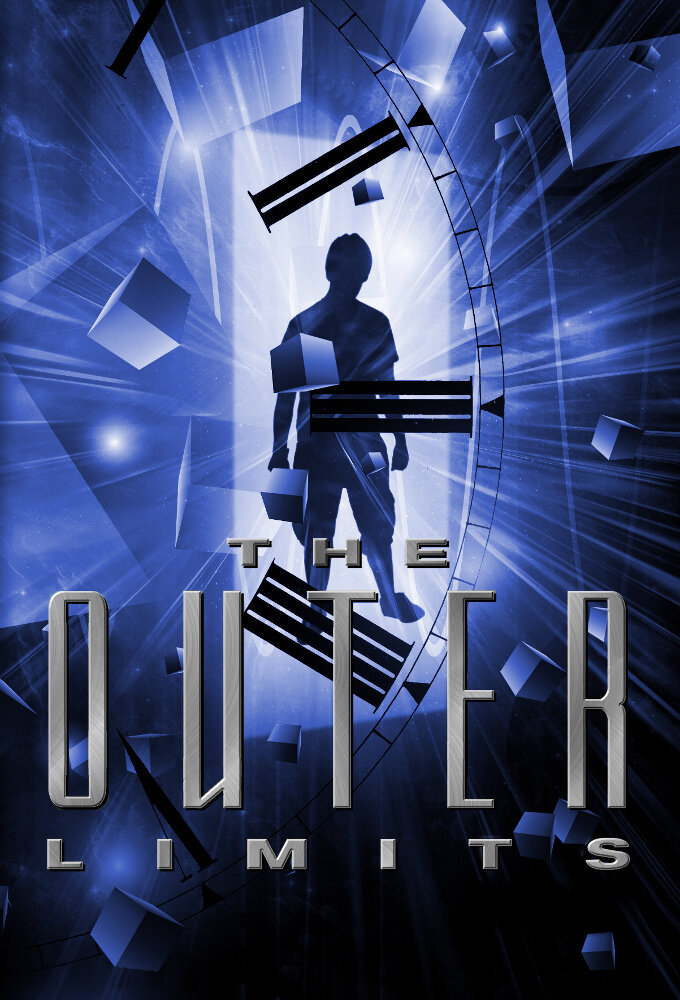
The Outer Limits1995
An anthology series with genuine visual flair and theatrical performances, often exploring the grotesque and the outlandish with straight-faced commitment. Each episode is a complete dark fantasy.
But It's episodic rather than serialized, so there's no character development across a season. Quality varies significantly.
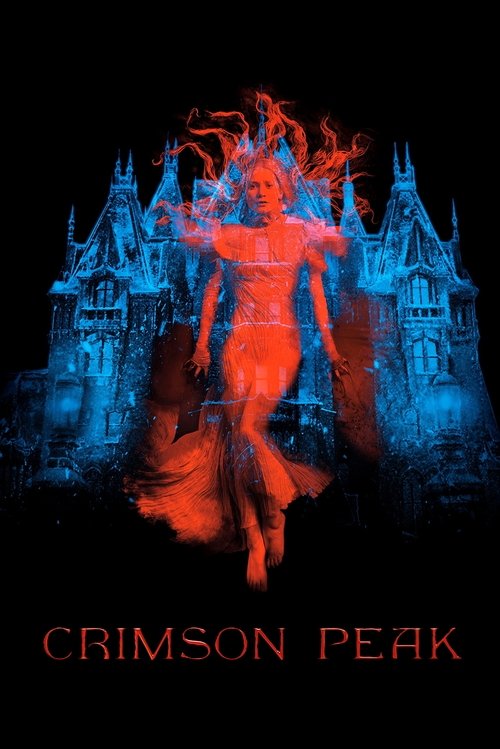
Crimson Peak2015
Guillermo del Toro's love letter to Gothic excess: a decaying mansion, scheming inhabitants, gorgeous production design, and a refusal to apologize for melodrama and visual extravagance.
But It's ultimately a ghost story thriller rather than a true fantasy epic. Some find it overstuffed and derivative of better Gothic tales.
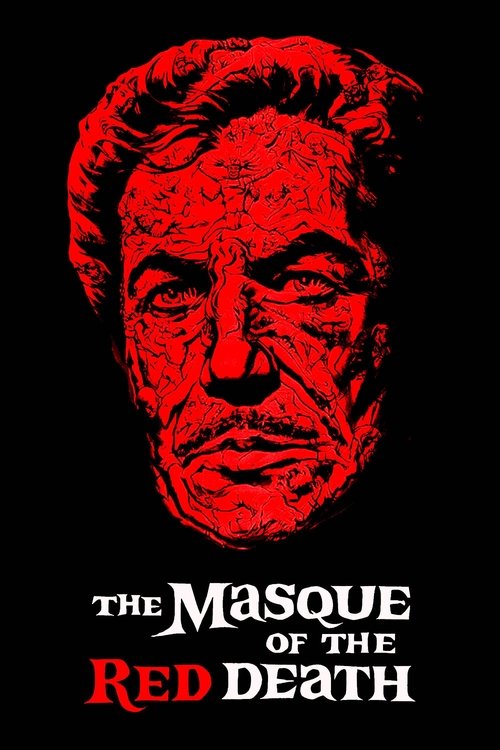
The Masque of the Red Death1964
Roger Corman's adaptation of Poe captures theatrical Gothic excess in vivid color, with bizarre sets, strange performances, and a commitment to atmosphere over logic. A genuine oddity from the 1960s.
But It's very much a product of its era—the pacing is strange, the dialogue often arch, and the special effects are decidedly primitive.
The Cabinet of Dr. Caligari1920
Both understand that a castle (or cabinet) can be a character, that grotesque aesthetics serve an emotional truth, that ritual and madness are often indistinguishable.
German Expressionist cinema at its peak: distorted architecture, nightmarish atmosphere, characters behaving according to Gothic logic rather than naturalistic logic. A two-reeler with more genuine strangeness in it than most modern films twice its length.
But It's silent film from 1920. The pacing is glacial by modern standards, and the acting style is radically unfamiliar. It requires patience and historical generosity.

Under the Skin2014
Both demand you accept a completely artificial world on its own terms; both prioritize atmosphere and visual consistency over plot momentum; both are fundamentally about otherness and observation rather than identification.
Jonathan Glazel's alien infiltration film is stripped of exposition and dialogue, instead using landscape, atmosphere, and visual transformation to tell its story. It's as committed to its own strange logic as Gormenghast, but operates in pure mood and abstraction rather than plot.
But There's almost no conventional narrative. Long stretches feel like watching ambient cinema. Scarlett Johansson barely acts. Many viewers find it inaccessible or pointlessly slow.

People
Cast

Production
- Hilary SalmonExecutive Producer
- Michael WearingExecutive Producer
- Rebecca EatonExecutive Producer
- Al BurgessLine Producer
- Estelle DanielProducer
Recommended by
Hamlet, The Abdication, Mistral's Daughter, The Duchess of Malfi