
Film
The Duchess of Malfi
- Period drama
- Very dark
John Webster's baroque masterpiece of passion and power, where a widow's secret marriage to her steward spirals into obsession, betrayal, and madness. Claustrophobic and violent, steeped in Renaissance intrigue and psychological torment. For anyone who loves Shakespeare but wants something darker, stranger, and more claustrophobic—a play that treats the stage like a pressure chamber.
If you liked this
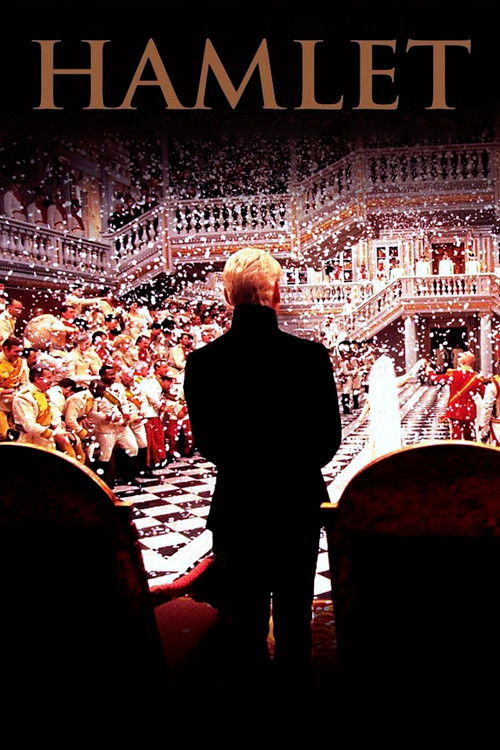
Hamlet1996
A troubled prince navigates court corruption and murder most foul. Shakespeare's greatest exploration of madness, revenge, and the cost of inaction. Every production reveals new layers.
But It's three hours minimum, iambic pentameter moves fast, and the ending leaves no one standing. Requires attention.
Macbeth2015
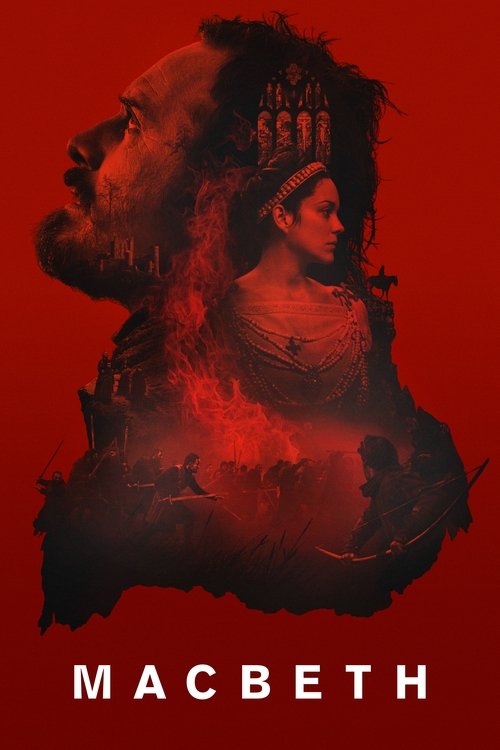
Ambition and blood. A couple seizes power and descends into paranoia and moral collapse. Faster and meaner than Hamlet, with supernatural dread that feels genuinely unsettling.
But Most film versions are 90 minutes and compress the text mercilessly. Some cut so much you miss why anyone cares.
The Devil in the White City
Another Webster play—his debut—with the same baroque violence and sexual transgression. Female ambition, incest, murder, and characters who know they're damned. If you love The Duchess, this is the obvious next step.
But Rarely performed. When it is, productions are uneven. The text is as thorny and difficult as The Duchess but slightly less forgiving.
Not sure tonight? Get a pick in a minute, starting from The Duchess of Malfi
The wildcard
Something you would not have found on your own.
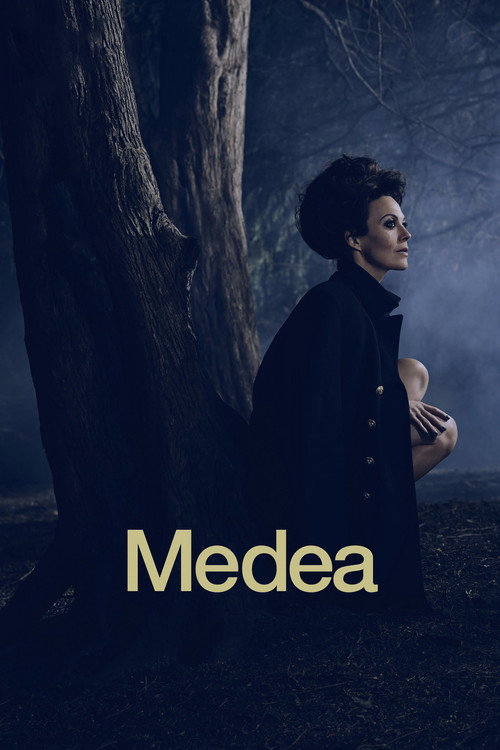
National Theatre Live: Medea2014
Both are plays about women destroyed by men they love—but Medea inverts The Duchess by making the woman the architect of catastrophe, not the victim. Same machinery, opposite hand on the wheel.
Almodóvar's version of Euripides: a woman abandoned by her husband, children in the house, nothing but rage. Tilda Swinton is electric and terrible. Modern, sculptural, devastating.
But It's 10 minutes of pure monologue and a Greek chorus in evening wear. Deliberately theatrical and slow. Not dramatic in the way you expect.
More like this (6)
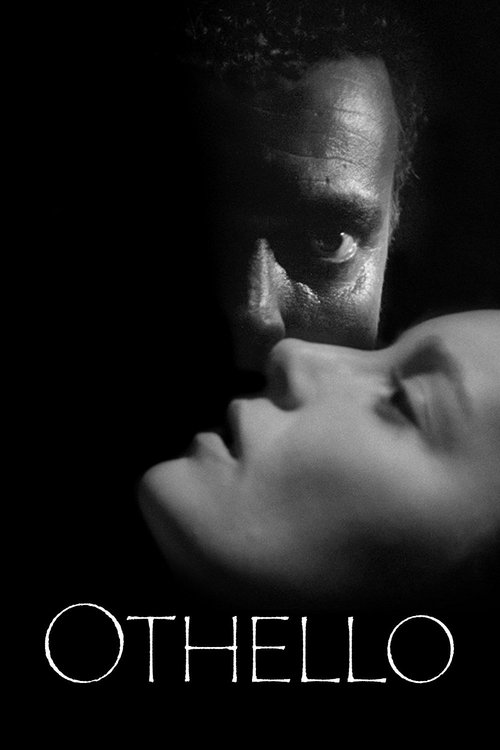
Othello1951
Jealousy as a weapon. A man destroyed not by his own flaws but by manipulation and racism. Intimate, brutal, and morally suffocating in ways that feel modern.
But The racism is central and unsparing. Some productions lean into spectacle and miss the psychological horror that makes it unbearable.
Titus Andronicus1998
Shakespeare's goriest play. Mutilation, cannibalism, and cycles of revenge in ancient Rome. Visceral, operatic, and surprisingly moving beneath the carnage.
But It's *a lot*. The gore can feel gratuitous if the production doesn't understand it as tragedy. Not subtle. Not comfortable.
The Leopard1963
Visconti's masterpiece of a dying aristocracy. A prince watches his world collapse while maintaining grace. Sumptuous, melancholic, and about the violence of history wearing a beautiful face.
But It's slow, formally composed, and the political themes are abstract. Some find it more portrait than drama.

Gormenghast2000
A labyrinthine castle ruled by ritual and decay. Dark, surreal, and utterly committed to its own logic. If you want baroque atmosphere and moral ambiguity without Shakespeare, this delivers.
But The BBC miniseries is strange and low-budget in ways that will lose some viewers. The narrative is deliberately circular and can feel stalled.
Cruel Intentions1999
Both are about seduction as a tool of power and the catastrophic collision between desire and social order. The Duchess suffers for transgression; Cruel Intentions celebrates it—but the machinery is the same, just applied to different targets.
Sex, manipulation, and the destruction of innocence in Manhattan high school. Wickedly fun, gorgeous to watch, and meaner than it looks. Roger Kumble remakes Les Liaisons Dangereuses as a thriller with teeth.
But It's campy and erotic and 90s in ways that can feel dated. Some treat it as a guilty pleasure; some can't take it seriously.
My Cousin Rachel2017
Both trap you in the perspective of someone in love with someone dangerous. Both use class and seduction as weapons. Both leave you unsure who the villain actually is—and whether it matters.
Ambrose meets a glamorous widow and becomes obsessed and paranoid. Du Maurier's novel adapted with real atmospheric dread. You're never sure if she's a seductress or a victim—the uncertainty is the whole game.
But It's intentionally ambiguous in ways some find frustrating. The period detail is gorgeous but can feel like window-dressing over a simple plot.
People
Writing
- Luke GarrettWriter
Production
- David BanksExecutive Producer
- Paula TurnbullExecutive Producer
- Miriam SegalProducer
- Paul BrennanProducer