
Film
The Leopard
A monumental, unhurried epic about the death of a world, seen through the eyes of a Sicilian prince who understands his class is ending and chooses grace over resistance. Visconti shoots aristocracy at its most sumptuous — chandeliers, uniforms, a ballroom sequence that runs nearly an hour — while quietly mourning it all. For patient viewers who want cinema as slow, gorgeous elegy rather than plot.
If you liked this
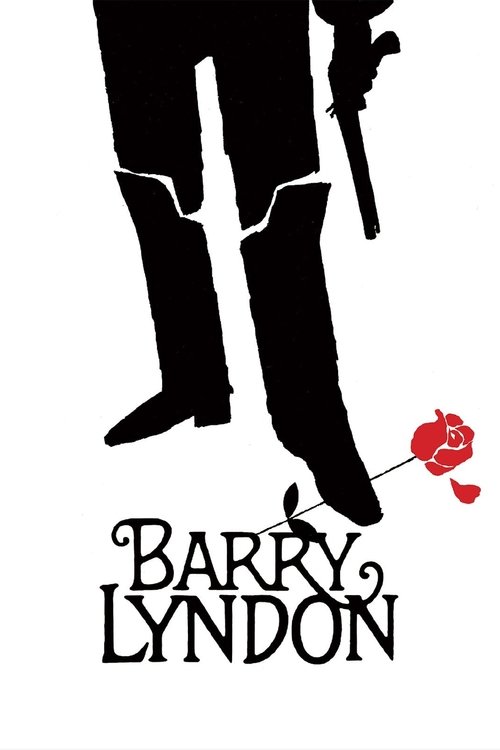
Barry Lyndon1975
Kubrick's own study of a man clawing toward aristocracy, shot with the same candlelit, painterly patience — a companion piece on class as performance and inevitable ruin.
But Its glacial pace and detached narration make Visconti look brisk by comparison; three hours of cool irony rather than warmth.
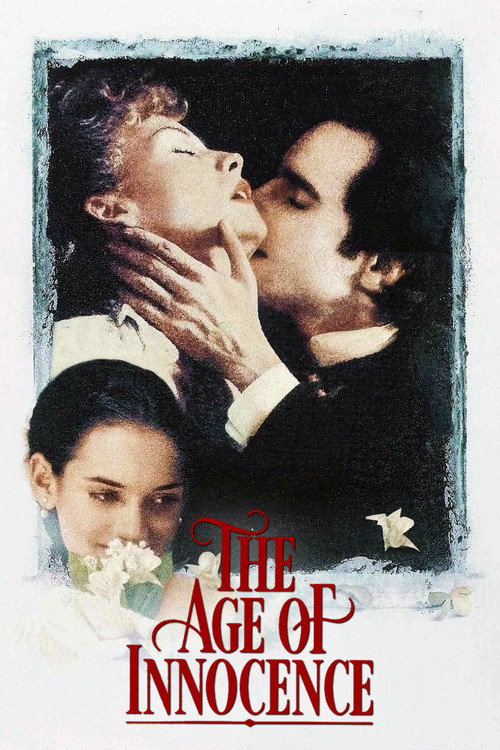
The Age of Innocence1993
Scorsese turns his gangster instincts on drawing rooms, finding the same violence in etiquette that Visconti finds in ballrooms — old money defending itself against a changing world.
But More claustrophobic and interior than sweeping; if you wanted landscapes and armies, this one stays indoors.
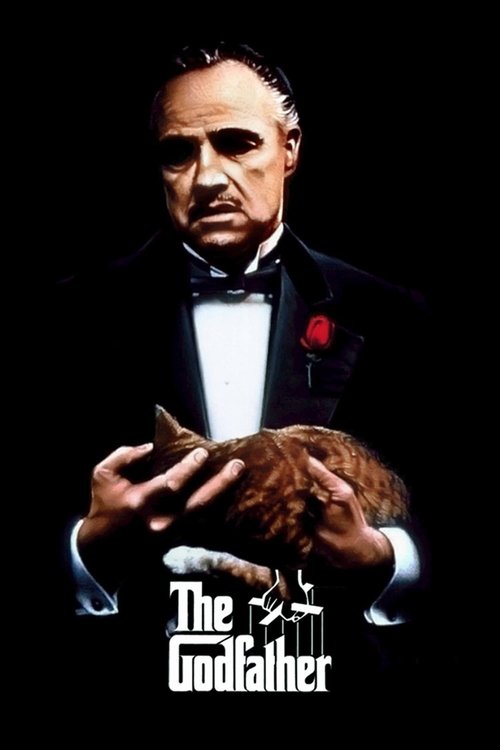
The Godfather1972
A different continent and century, but the same ache — a powerful man watching his son inherit a world he no longer fully controls.
But Far more violent and plot-driven; the elegiac stillness of The Leopard is traded here for momentum and blood.
The wildcard
Something you would not have found on your own.
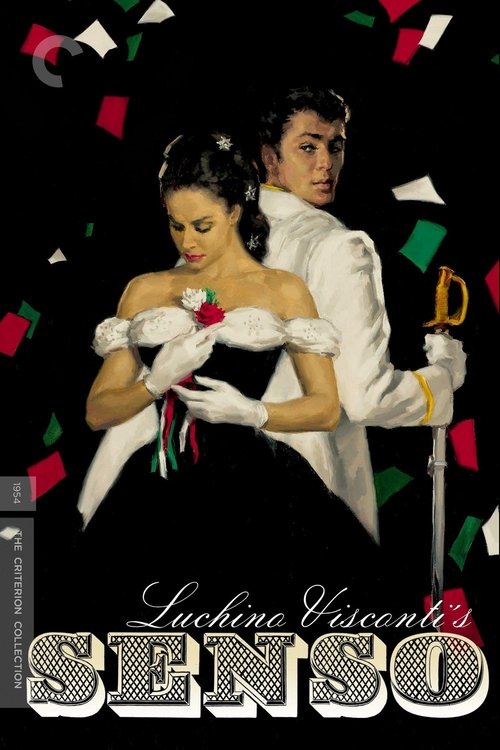
Senso1954
Same director, same historical moment — the Risorgimento — and nearly the same emotional architecture; watch it to see Visconti building the language he'd later master.
Visconti's earlier trial run at the same subject — doomed aristocratic romance set against Italian unification — shot in ravishing Technicolor a decade before he perfected the idea.
But Rougher and more melodramatic, less disciplined; interesting mainly as the sketch for the masterpiece rather than a masterpiece itself.
More like this (8)
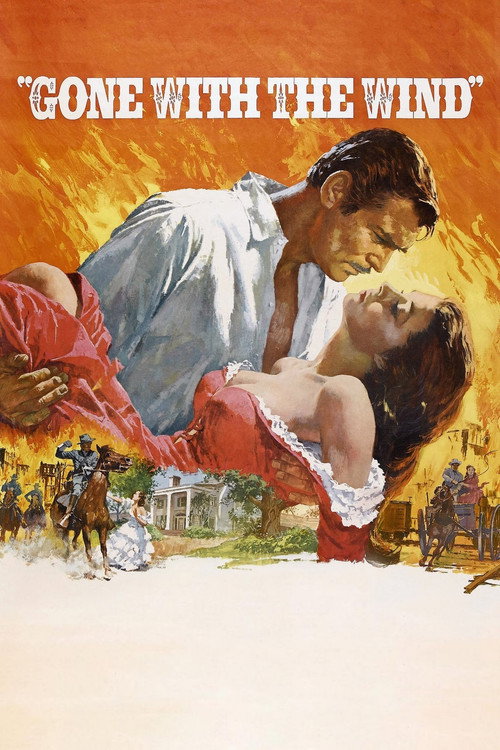
Gone with the Wind1939
The template for the historical epic about a doomed aristocracy — a society burning down around characters too proud or too clever to see it coming.
But Its politics are far more troubling and unexamined than anything in Visconti's Sicily; a product of its era in the worst ways too.
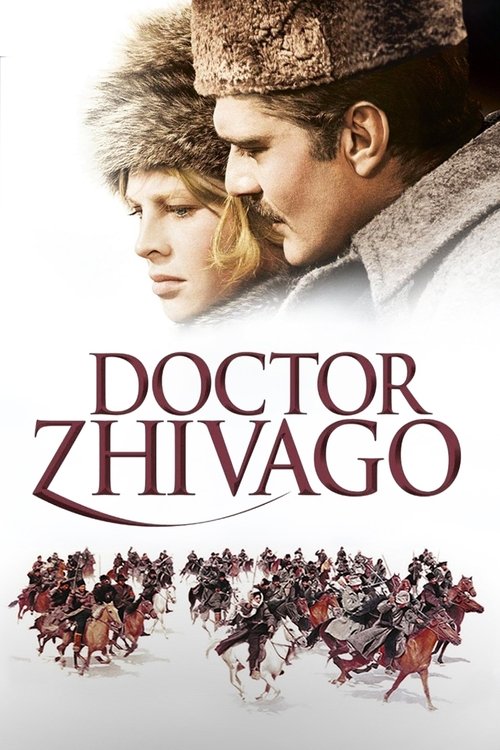
Doctor Zhivago1965
Another sweeping romance staged against a revolution that renders everyone's old certainties useless — the same sense of history steamrolling private lives.
But Lean's romanticism is warmer and more conventional; less irony, more swoon.
Death in Venice1971no page yet
Visconti again, obsessed again with beauty, decay, and the impossibility of holding onto anything — a quieter, sadder companion from the same eye.
But Almost no plot at all, and its central obsession is far more uncomfortable; not for everyone.
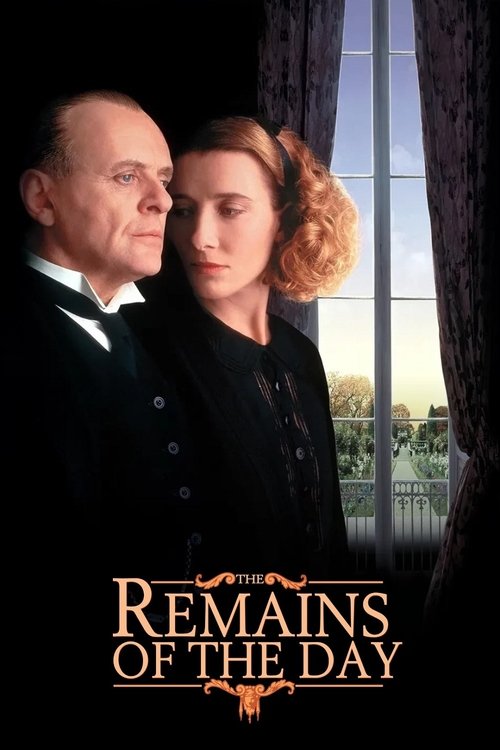
The Remains of the Day1993
A butler's version of the same story — duty and class outlasting their usefulness, dignity as both virtue and cage, as the world changes underneath him.
But Small, English, and restrained where The Leopard is vast and Mediterranean; a chamber piece, not an epic.
19001976no page yet
Bertolucci's own Italian epic of class and history, following peasants and landowners through decades of the same upheavals that haunt Visconti's Sicily.
But Nearly twice as long and far more explicit and politically blunt — a five-hour argument where The Leopard offers an elegy.
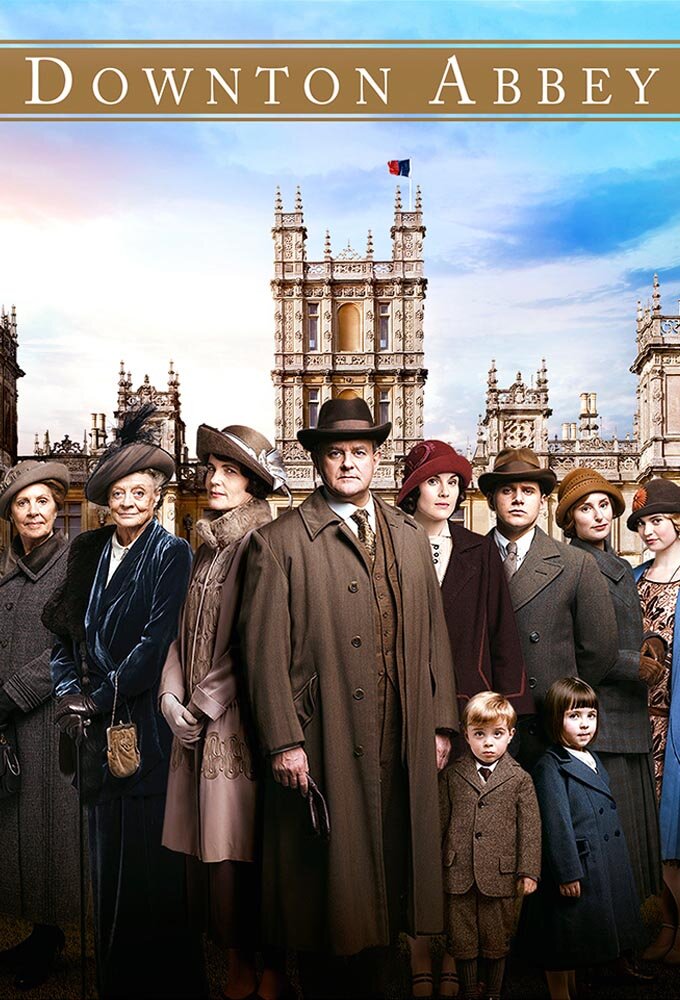
Downton Abbey2010
The gentlest, most accessible cousin — a family clinging to status and tradition as the modern century arrives at their door, played for warmth rather than tragedy.
But Cosy where Visconti is mournful; soap opera pleasures rather than the weight of real historical reckoning.
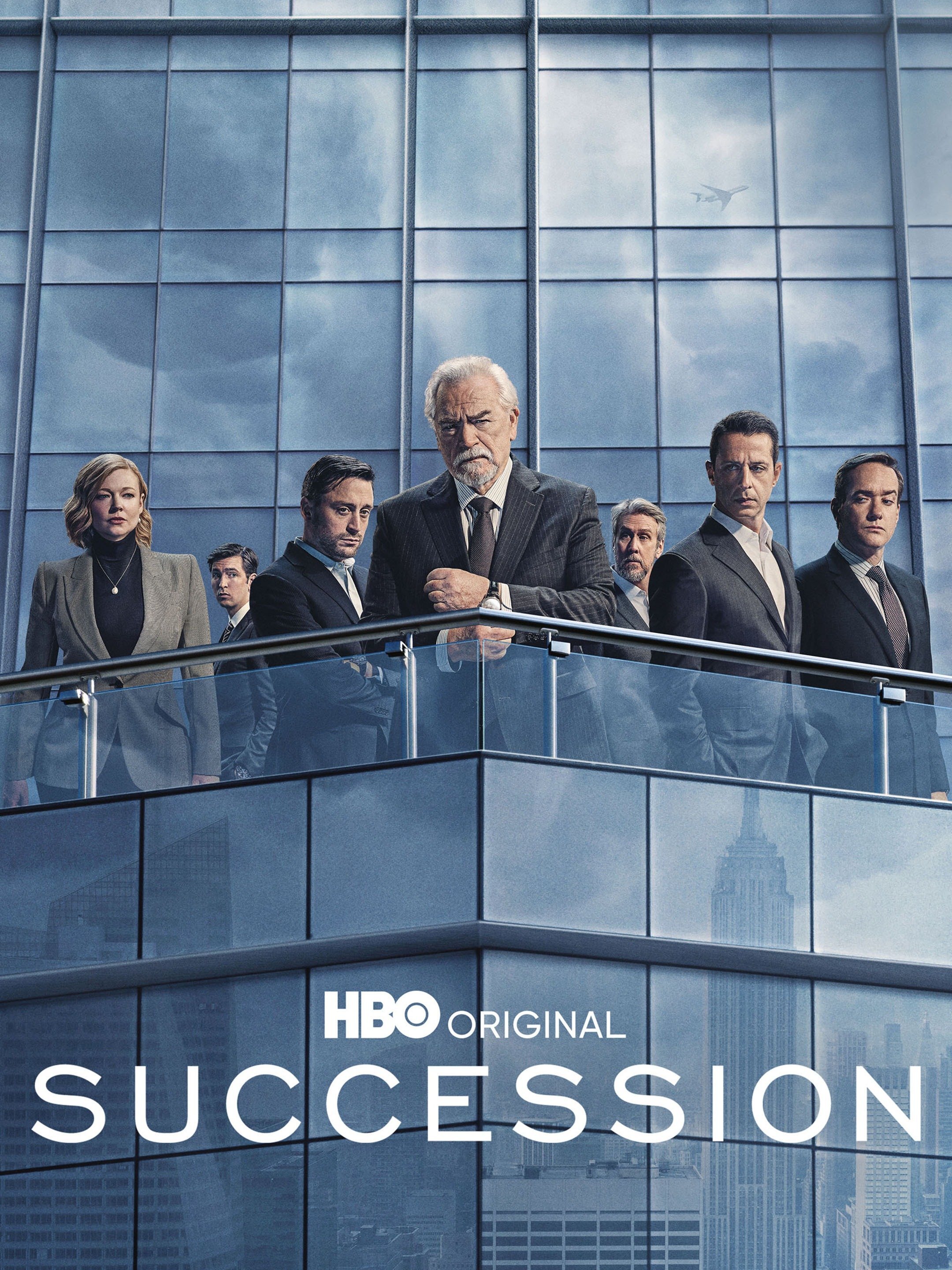
Succession2018
Both are, at heart, about succession — who gets the family's power once the man who built it can no longer hold the world together.
Strip away the corsets and put the Sicilian prince behind a Manhattan boardroom desk — same question, an aging patriarch deciding who, if anyone, deserves to inherit a dying order.
But Vicious, profane, and often very funny where The Leopard is stately and grieving; the tone couldn't be further from elegy.
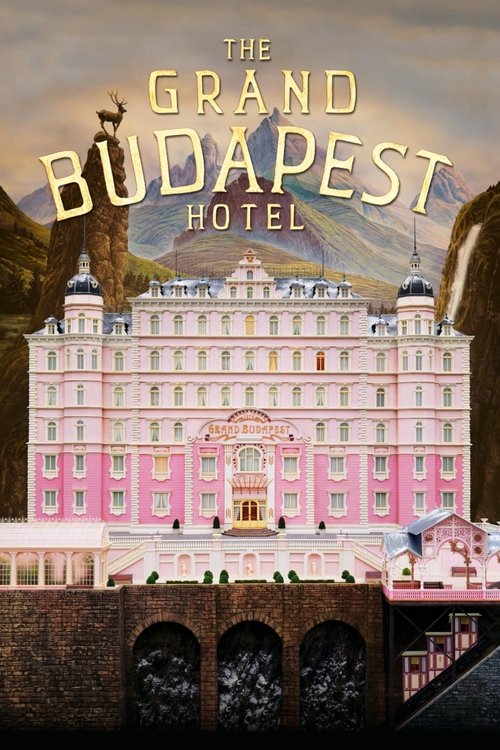
The Grand Budapest Hotel2014
Both mourn the same thing — an old world's manners and beauty erased by history — but Anderson tells it as a fable instead of a funeral.
Wes Anderson's candy-colored farce is secretly the same lament — a vanished European elegance, mourned through a servant who watched it disappear, dressed up as pure whimsy.
But Broadly comic, cartoonish, and rapid where The Leopard is somber and slow; you might miss the grief under all the jokes.
People
Cast
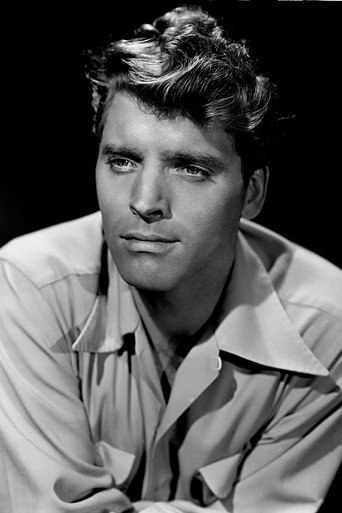 Burt LancasterPrince Fabrizio Corbera of Salina
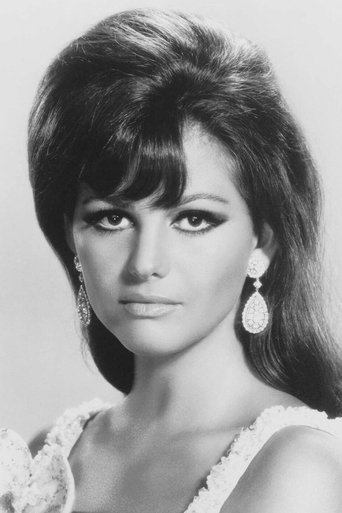 Claudia CardinaleAngelica Sedara / Bastiana
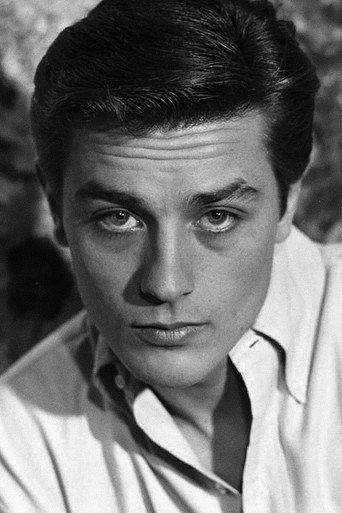 Alain DelonTancredi Falconeri
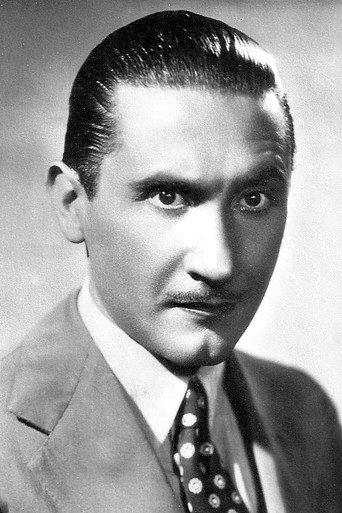 Paolo StoppaDon Calogero Sedara
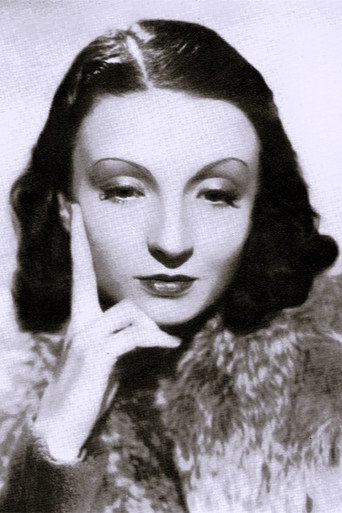 Rina MorelliPrincess Maria Stella Corbera of Salina
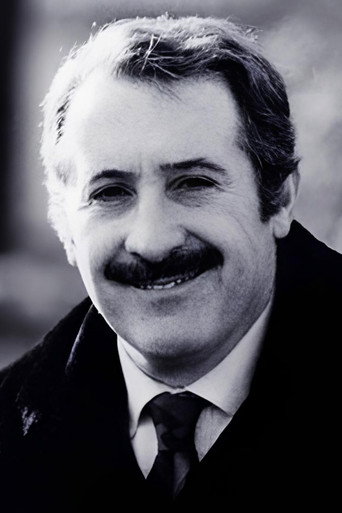 Romolo ValliFather Pirrone
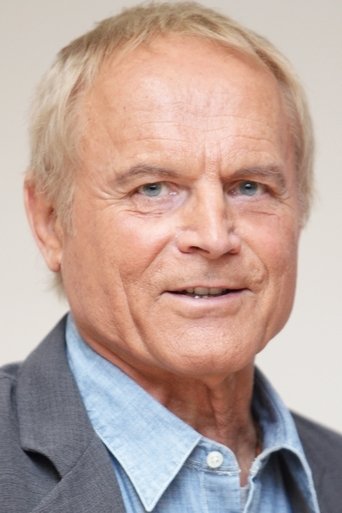 Terence HillCount Cavriaghi
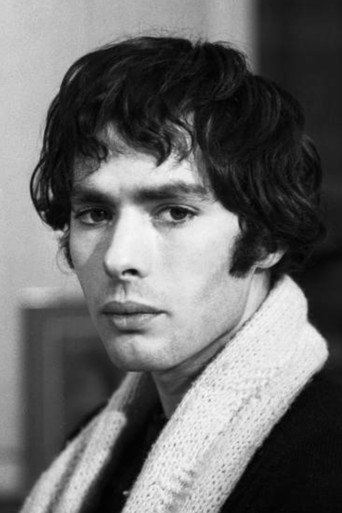 Pierre ClémentiFrancesco Paolo
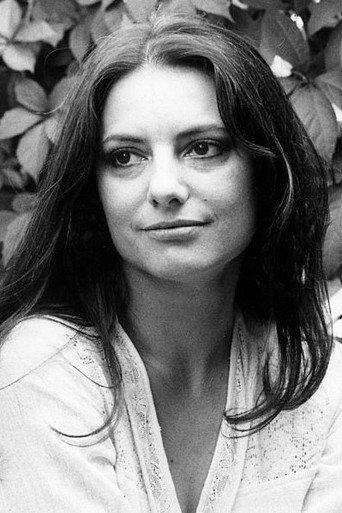 Lucilla MorlacchiConcetta Corbera
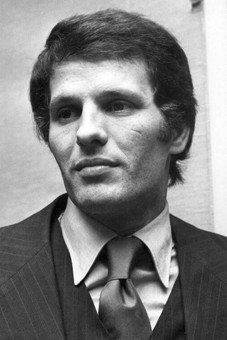 Giuliano GemmaGaribaldi's General
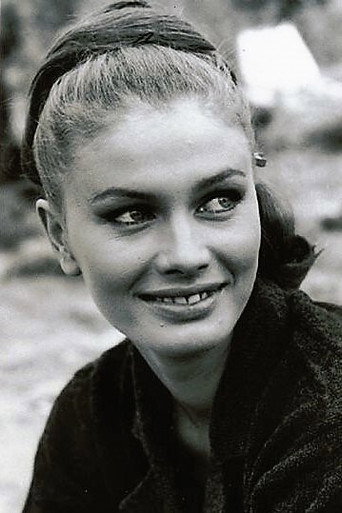 Ida GalliCarolina
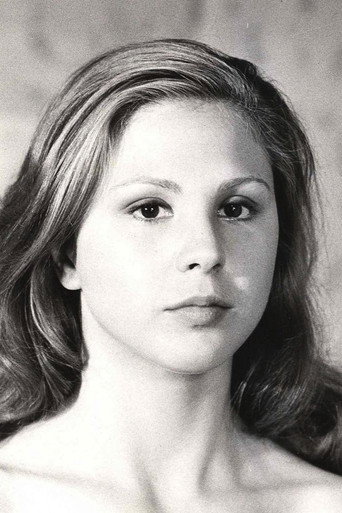 Ottavia PiccoloCaterina
Directing
- Luchino ViscontiDirector
- Albino CoccoFirst Assistant Director
- Rinaldo RicciFirst Assistant Director
- Stephan IscovescuScript Supervisor
- Brad FullerSecond Assistant Director
- Francesco MassaroSecond Assistant Director
Writing
- Giuseppe Tomasi Di LampedusaNovel
- Enrico MedioliScreenplay
- Luchino ViscontiScreenplay
- Massimo FranciosaScreenplay
- Pasquale Festa CampanileScreenplay
- Suso Cecchi d'AmicoScreenplay
Production
- Pietro NotarianniExecutive Producer
- Goffredo LombardoProducer
- Enzo ProvenzaleProduction Manager
- Giorgio AdrianiProduction Manager
- Lamberto PippiaProduction Secretary
- Umberto SambucoProduction Secretary
- Bruno SassaroliUnit Manager
- Gaetano AmataUnit Manager
- Gilberto ScarpelliniUnit Manager
- Riccardo CanevaUnit Manager
- Roberto CoccoUnit Manager
Recommended by
The Godfather, Downton Abbey, Barry Lyndon, Brideshead Revisited, Senso, The Earrings of Madame de...