
Film
Conversation Piece
Luchino Visconti's final film is a chamber piece about encroachment and desire. A solitary American professor's Roman palazzo is invaded by a brash Italian marchesa and her entourage, shattering his carefully preserved solitude. It's languid, sensual, deeply tragic—a meditation on beauty, class, and the impossibility of remaining untouched by the world.
Should you watch it?
Watch it if you enjoy a slow-burn story where a fastidious man's solitude gets gradually overrun, and you savour rich interiors and sharp, sly talk between people who misread each other.
Skip it if you want brisk plotting or a story that keeps moving; long stretches of talk and quiet rooms can feel like waiting for something to happen.
What it asks of you: Two and a bit hours of patience, with scenes that linger on conversation, costume and furniture before anything tips over; attention pays off more than speed.
Not sure? Find tonight's pick in a minute.
If you liked this
The Leopard1963
Visconti's masterpiece about Italian aristocracy collapsing into modernity. If you respond to Conversation Piece's formal elegance and melancholy grandeur, this is essential. The opening ball sequence alone justifies the runtime.
But Three hours and forty minutes of deliberate pacing. Some find the symbolism overwrought, and it demands patience with languor rather than plot momentum.

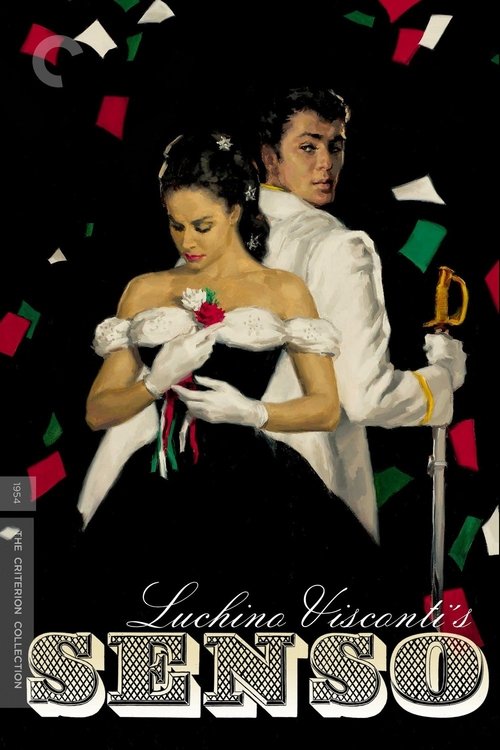
Senso1954
Visconti's earlier Venice-set drama about forbidden desire and class collision. A Countess and an Austrian officer during wartime—rich Technicolor and operatic passion that shares Conversation Piece's obsession with beauty amid moral compromise.
But The middle section drags significantly, and some viewers find the romantic ideology suffocating rather than moving.
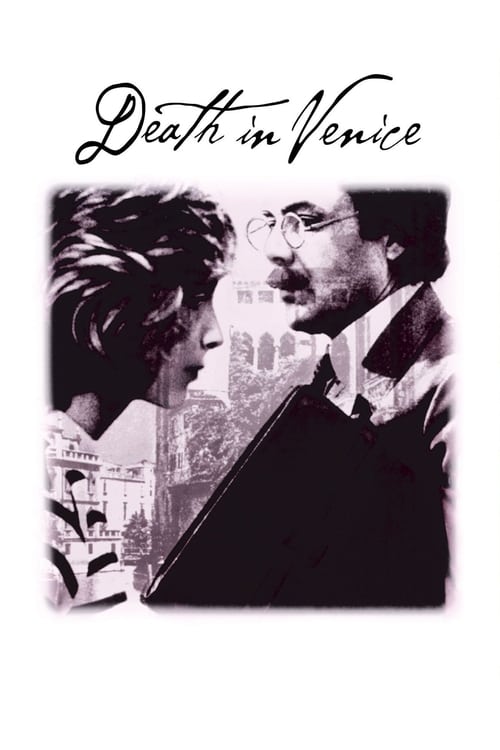
Death in Venice1971
Luchino Visconti again, this time adapting Mann. An ageing artist's fixation on beauty in Venice; same director, same preoccupations with decay and desire, same sumptuous visual language. Made just before Conversation Piece.
But It's glacially slow and deliberately distancing. The protagonist's obsession becomes uncomfortable to watch, which is entirely intentional.
Not sure tonight? Get a pick in a minute, starting from Conversation Piece
The wildcard
Something you would not have found on your own.
Stalker1979
Both films use intrusion into private space as a metaphor for desire's corrosive force. Both protagonists are destroyed by beauty and the other's need.
Andrei Tarkovsky's science fiction meditation on desire and the unknowable. Like Conversation Piece, it's about a man whose solitary, ordered existence is invaded—here by seekers entering a mysterious zone. Both films are glacial, hypnotic, and devastatingly sad about human hunger.
But It's 163 minutes of Russian philosophical contemplation. If you need narrative drive or emotional resolution, Stalker will feel like punishment.

More like this (8)
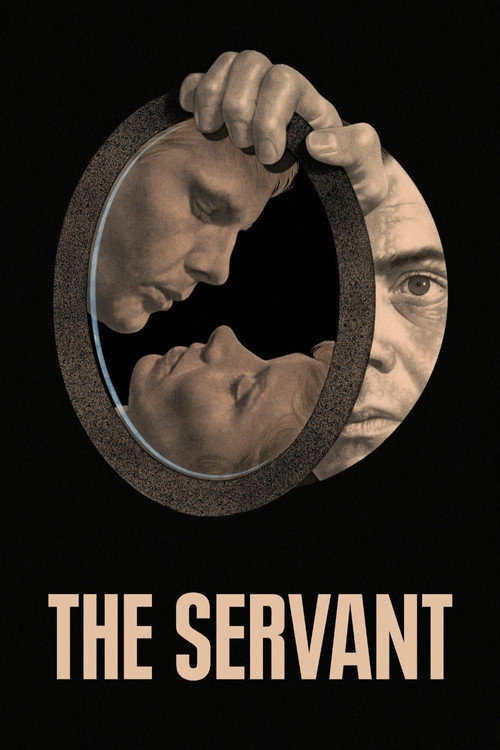
The Servant1963
Joseph Losey's chamber drama about power dynamics in a confined space. A servant subtly dominates his employer in a London townhouse. Like Conversation Piece, it's about class inversion, seduction, and the vulnerability of the seemingly secure.
But It's deliberately claustrophobic and psychologically unsettling. Some find it more clever than moving, and it plays like a game rather than human drama.
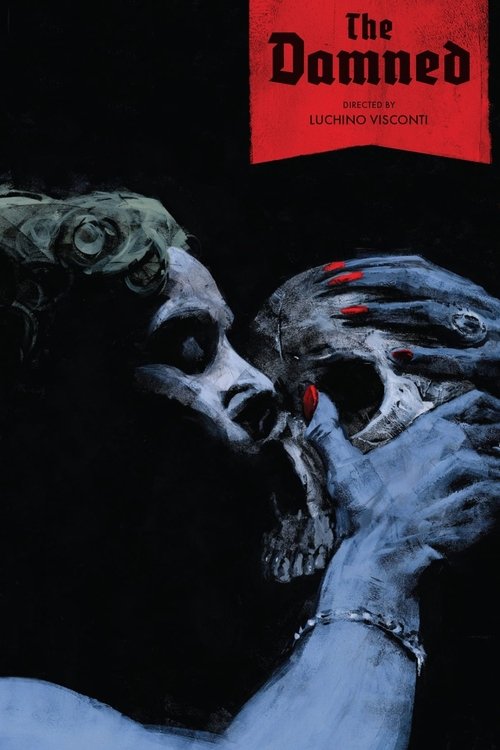
The Damned1969
Visconti's other masterwork: a decadent German family during the Nazi rise. Similar aesthetic—operatic, gorgeous, morally rotten—and same preoccupation with beauty as a symptom of corruption. A more explicitly political cousin.
But It's nearly two hours and forty minutes of unrelenting bleakness. The sexual violence is graphic, and the film offers no catharsis, only inevitability.
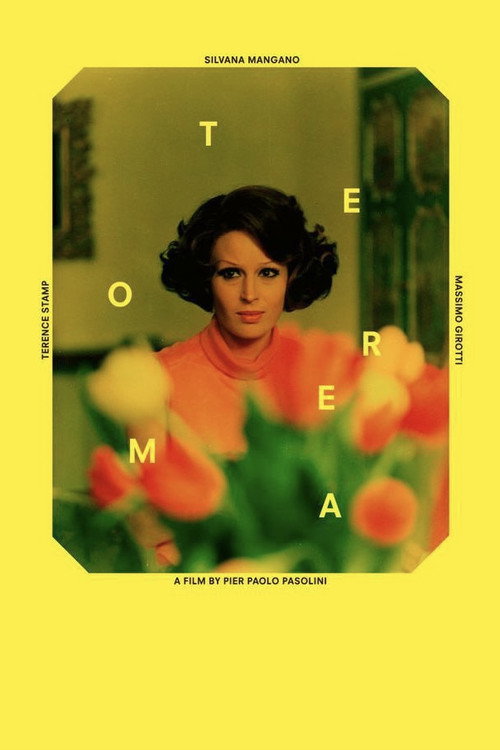
Theorem1968
Pasolini's fever dream: a mysterious visitor upends a wealthy Milanese family. Like Conversation Piece, it's about intrusion into a self-enclosed world and the chaos that follows. Far more surreal and provocative, but the structure is identical.
But It's deliberately enigmatic and abstract. If you want narrative clarity or explanation, you'll be frustrated. The climax is deliberately unsettling.
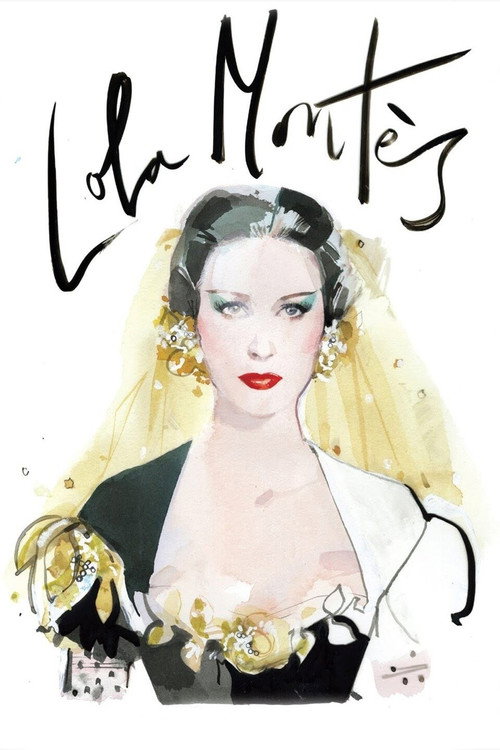
Lola Montès1955
Max Ophüls' final film, in VistaVision: a woman's life in reverse through the eyes of men who possessed her. Visually intoxicating, structurally daring, and deeply sad. The same interest in beauty as power and fragility.
But It's fragmented and non-linear. The emotional distance Ophüls maintains can feel cold, and the framing device is intellectually demanding.
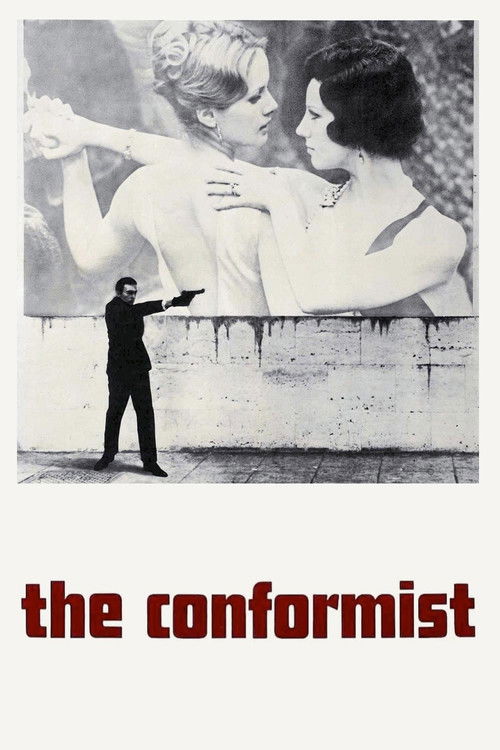
The Conformist1971
Bernardo Bertolucci's masterpiece about a fascist trying to fit in. Stunning visual composition, exploring desire and complicity through a claustrophobic Milan apartment setting. The moral ambiguity rivals Visconti's work.
But It's primarily a political thriller disguised as psychology. If you want human intimacy over ideological complexity, you may feel held at arm's length.
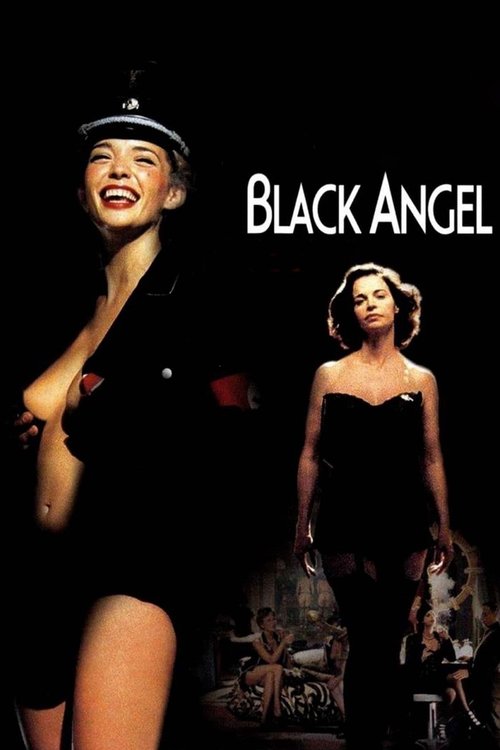
Black Angel2002
Tinto Brass remakes Visconti's Senso in color with explicit sexuality. It's a wildly different energy—earthier, less restrained, more carnally direct. A fascinating companion to Conversation Piece's restrained sensuality.
But It's trashy in a way designed to provoke. If you revere Visconti's original, this will feel like vandalism rather than homage.
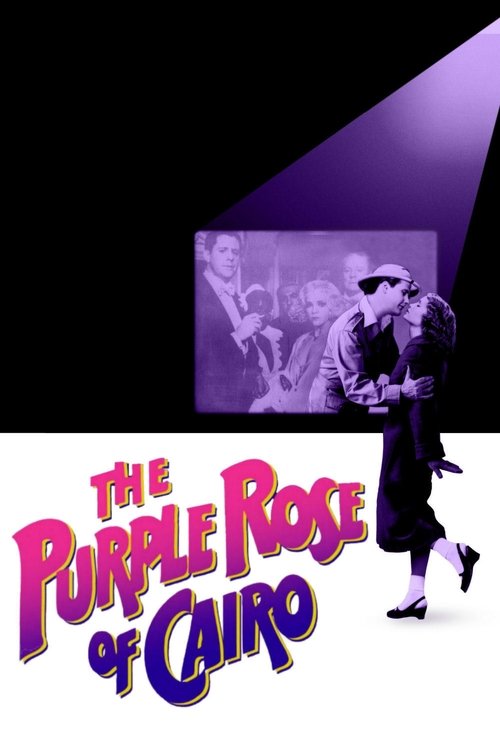
The Purple Rose of Cairo1985
Both explore how contact with beauty or desire ruins the peace of ordinariness. Both suggest that some people are constitutionally unable to remain untouched.
Woody Allen's most poignant film: a Depression-era widow loves a movie character who steps off-screen. It's about class, longing, and the impossibility of living with beauty once you've seen it. Like Visconti, Allen treats desire as inevitable tragedy.
But It's sentimental in a way many find maudlin. Allen's voice is intrusive, and the film's resolution feels resigned rather than cathartic.
Contempt1963
Both use the aestheticization of wealth and European spaces to examine how desire and beauty destroy intimacy. Both were late career reckoning with the artist's complicity in beauty.
Godard's film about a marriage collapsing during the making of a film. Shot in Cinemascope in Rome with operatic color, it shares Visconti's visual lushness but applies it to emotional and artistic disintegration. A different filmmaker, same obsession with surfaces as expressions of inner rot.
But It's willfully fragmented and intellectually combative. Godard seems to regard his characters with contempt, making it difficult to care about their suffering.

People
Cast
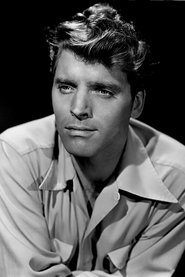 Burt LancasterProfessor
 Silvana ManganoMarquess Bianca Brumonti
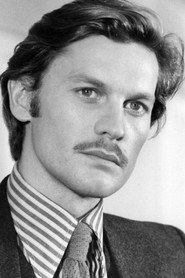 Helmut BergerKonrad Huebel
 Claudia MarsaniLietta Brumonti
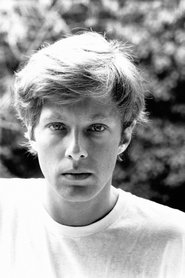 Stefano PatriziStefano
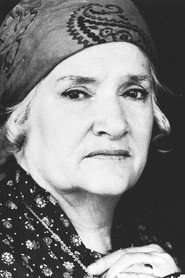 Elvira CorteseErminia
 Philippe HersentDoorman
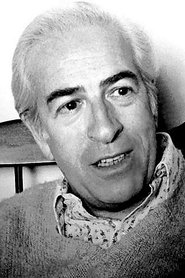 Guy TréjanArt Dealer
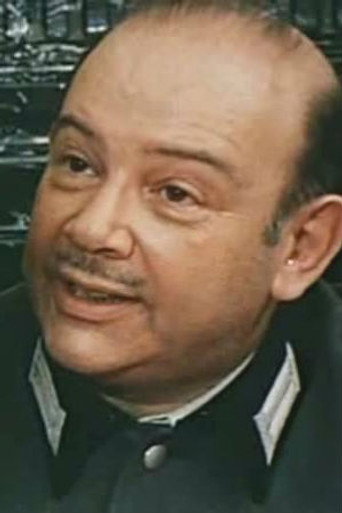 Jean-Pierre ZolaBlanchard
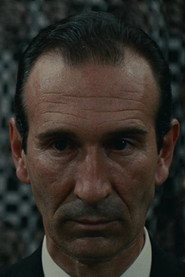 Umberto RahoPolice Inspector Bernai
 Enzo FiermontePolice Inspector
 Romolo ValliMichelli
Directing
- Luchino ViscontiDirector
- Albino CoccoFirst Assistant Director
- Renata FranceschiScript Supervisor
- Alessio GirottiSecond Assistant Director
- Giorgio TrevesSecond Assistant Director
- Louise VincentSecond Assistant Director
Writing
- Enrico MedioliScreenplay
- Luchino ViscontiScreenplay
- Suso Cecchi d'AmicoScreenplay
- Enrico MedioliStory
Production
- Enzo LucariniAdministration
- Remo StampiggioniAdministration
- Giovanni BertolucciProducer
- Lucio TrentiniProduction Manager
- Federico StaraceProduction Secretary
- Federico TocciUnit Manager