
Film
Senso
Visconti's lush, opera-drenched tragedy follows an Italian countess who trades country and conscience for a reckless affair with an Austrian officer during the fight for independence. Shot in ravishing Technicolor and paced like a slow collapse, it's less about plot than about watching desire curdle into self-destruction. For anyone who wants their romance operatic, morally damning and gorgeously dressed.
If you liked this
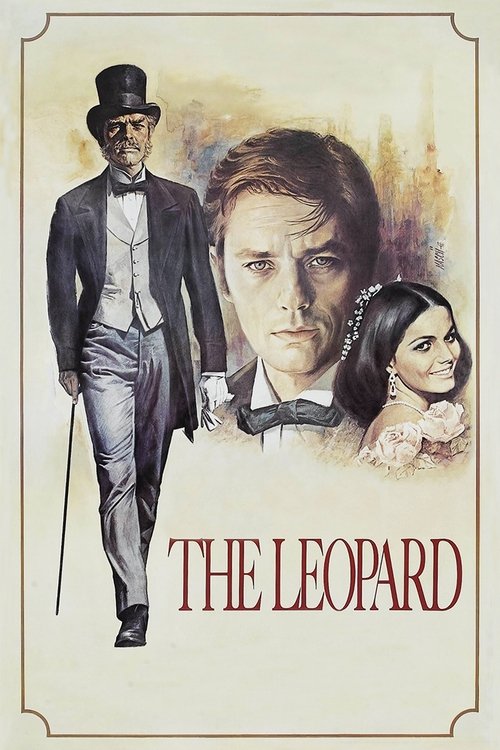
The Leopard1963
Visconti again, same crumbling aristocracy and historical upheaval, but wiser and more elegiac — Burt Lancaster watches his world end with weary grace instead of Livia's reckless heat.
But Three hours of stately ballroom philosophy; if Senso's fever felt slow, this one is even more contemplative and less overtly romantic.
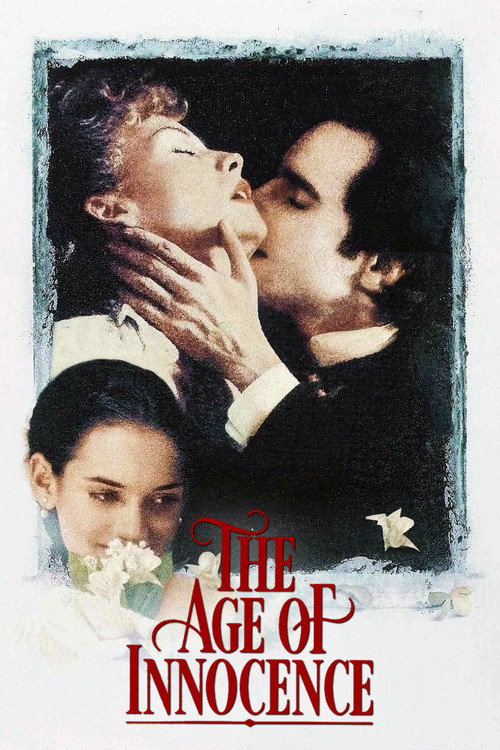
The Age of Innocence1993
Scorsese turns his gangster instincts on drawing rooms, finding the same violence in a raised eyebrow that Visconti finds in a slammed door — repressed desire filmed like a crime of passion.
But The stakes are social embarrassment rather than treason and death, so anyone wanting Senso's operatic extremity may find it too polite.
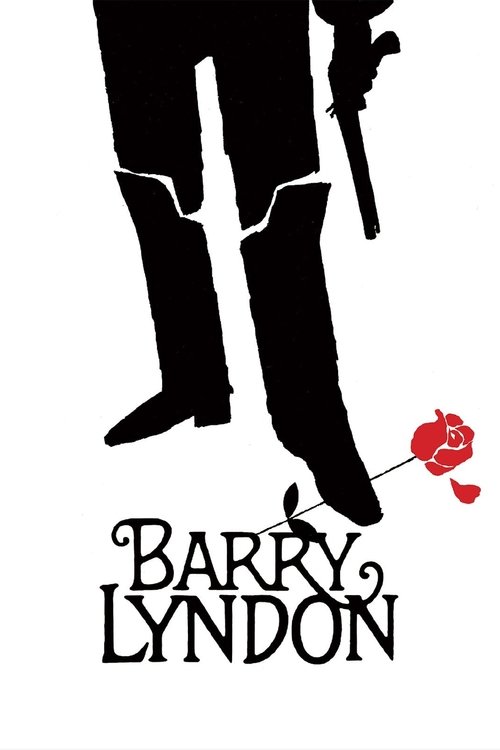
Barry Lyndon1975
Kubrick's candlelit tragedy of ambition and ruin shares Senso's belief that beautiful surfaces rot from within, following a man whose charm curdles into catastrophe amid war and privilege.
But Kubrick's chill detachment is the opposite of Visconti's heat; if you want to feel the romance rather than observe it, this may frustrate.
The wildcard
Something you would not have found on your own.
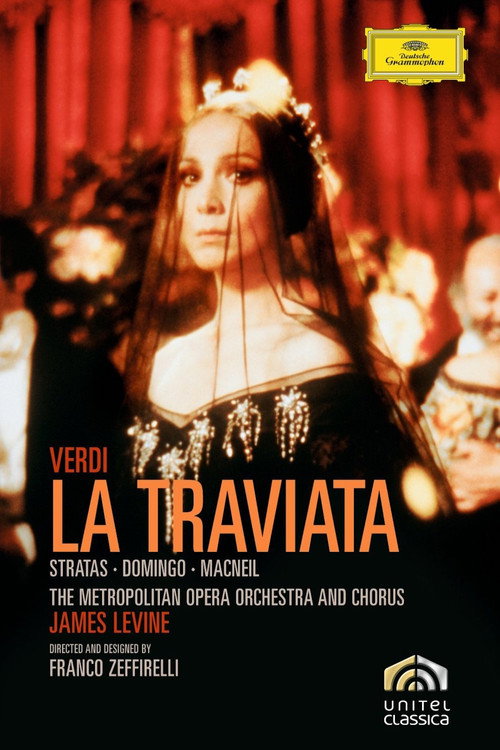
La traviata1982
Senso opens inside an actual performance of Verdi's Il Trovatore, and its whole visual grammar is opera smuggled into cinema; La Traviata is Verdi's sister tragedy of a woman destroyed by doomed love, sung by the tradition Visconti was translating.
This is the source Visconti was quoting: Verdi's tragic soprano dying for a man who won't save her, filmed by Zeffirelli with the same swooning excess Senso translates into widescreen cinema.
But It's sung-through opera on film, not drama with dialogue; if you don't already like opera, the form itself may be the barrier, not the story.
More like this (8)
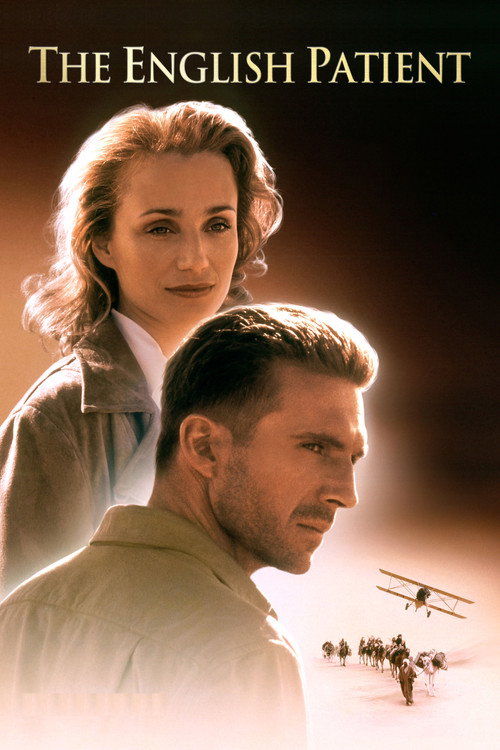
The English Patient1996
Another wartime affair that destroys everything around it, convinced that passion and betrayal are inseparable, wrapped in desert vistas as ravishing as Visconti's Venice.
But It's structured as a flashback mystery rather than a linear collapse, and its love story is gentler, less punishing, than Livia's.
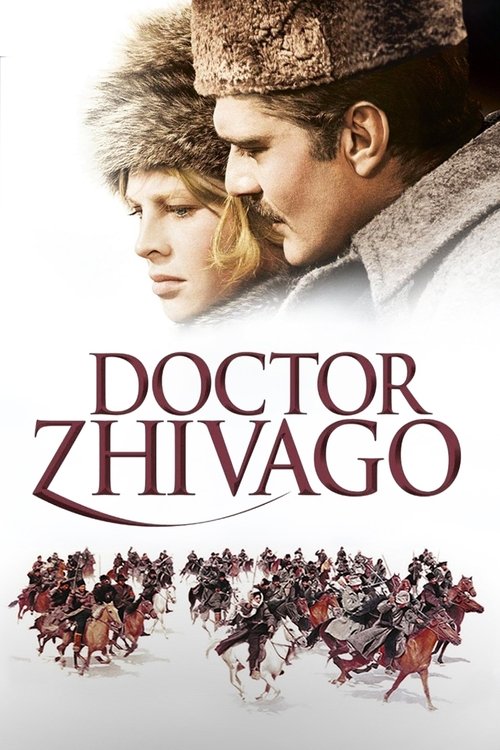
Doctor Zhivago1965
Sweeping romance set against revolution, with the same sense that private desire and national catastrophe are hopelessly entangled — a doomed affair as history's collateral damage.
But It's warmer and more sentimental where Senso is cold-eyed and damning, less interested in punishing its lovers for their weakness.
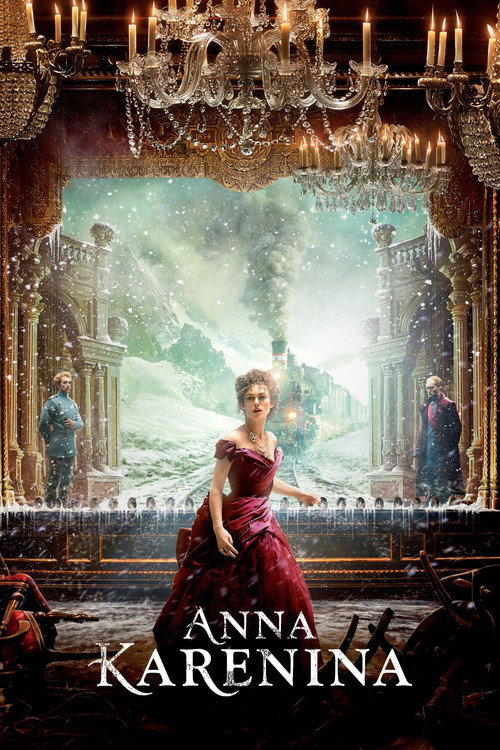
Anna Karenina2012
Joe Wright's theatrical, hothouse staging turns Tolstoy's woman who wrecks her life for an unworthy man into something as visually audacious and emotionally reckless as Visconti's melodrama.
But The stylised theatre-set conceit is divisive; some find it distancing rather than immersive.
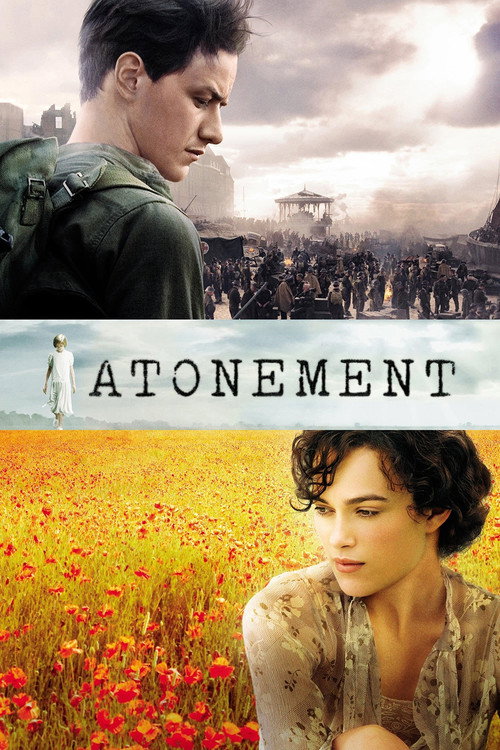
Atonement2007
A wartime love story shadowed by betrayal and guilt, filmed with the same lush, doom-laden beauty, asking what one reckless act costs everyone for a lifetime.
But The betrayal here is more accidental and youthful than Livia's calculated treachery, and the twist ending is a very different kind of gut-punch.
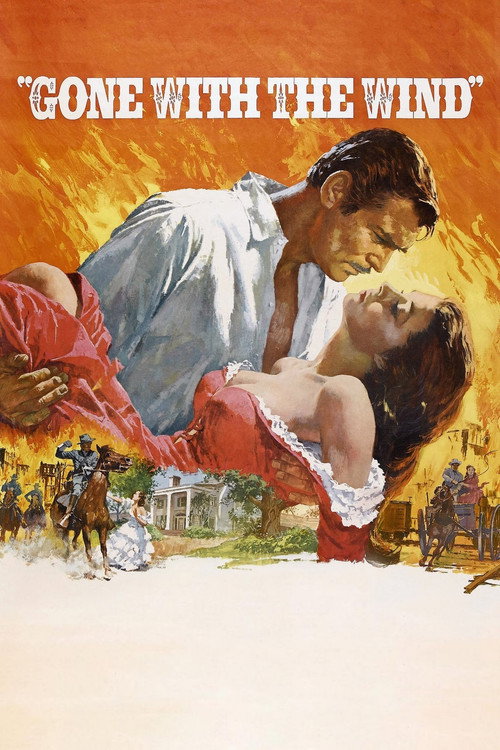
Gone with the Wind1939
The granddaddy of doomed-romance-against-a-crumbling-world epics — a headstrong woman, a war she refuses to take seriously, and a love that survives everything except itself.
But Its politics are badly dated and its scale is pure Hollywood spectacle rather than Visconti's chamber intensity.
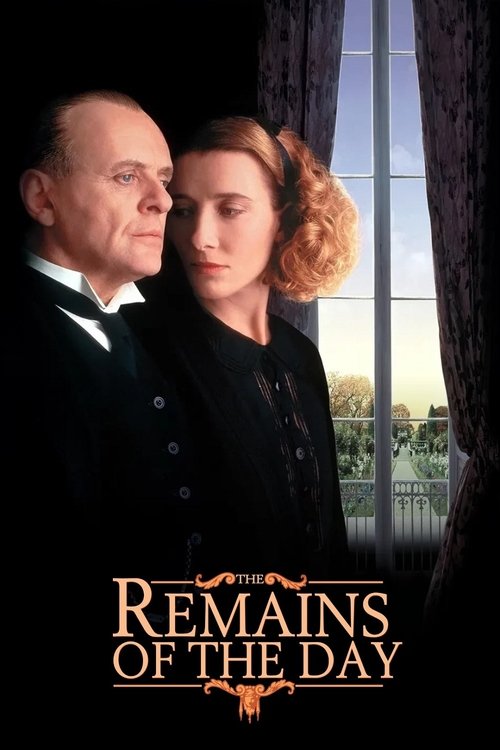
The Remains of the Day1993
A quieter mirror image — someone destroyed not by giving in to desire but by refusing it, set against the same backdrop of political catastrophe and personal cowardice.
But There's no consummated affair, no fever; if you came to Senso for the heat, this restrained tragedy may feel like its opposite.
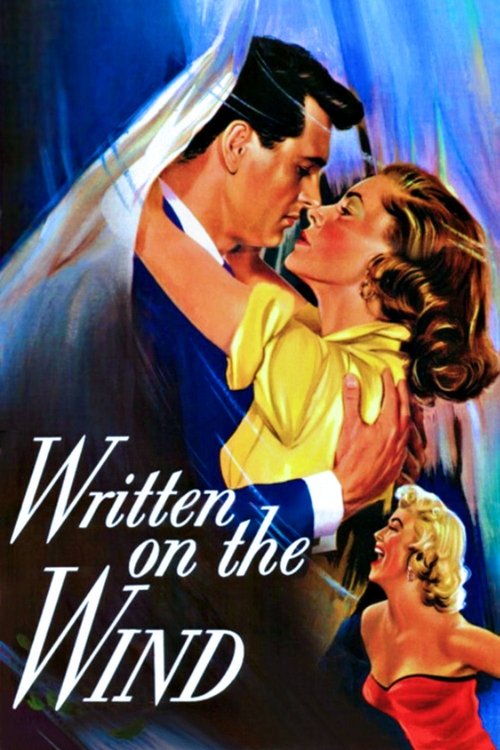
Written on the Wind1956
Both directors use hyper-saturated colour and swooning music as moral commentary — Sirk just does it inside pulp Hollywood melodrama rather than arthouse tragedy, proving the same operatic machinery works in cheap perfume as well as silk.
Same Technicolor lushness and belief that desire corrupts everything it touches, but pitched as glorious American trash — oil money and jealousy instead of empire and treason, played with total conviction.
But It trades Visconti's tragic seriousness for high camp; if you want to be moved rather than deliciously appalled, the tonal shift may whiplash you.
Devdas2002no page yet
Same story shape as Senso — obsession chosen knowingly over reason, ending in ruin for everyone involved — rebuilt in Hindi cinema's grammar of song, colour and grand gesture, showing the melodrama Visconti worked in is a global language, not just a European one.
A Bollywood epic that takes Senso's exact engine — someone choosing self-destructive love over duty, family and sense — and plays it as three-hour musical spectacle, gorgeous and unrepentantly excessive.
But The musical numbers and melodramatic register are a world away from European arthouse restraint; the tonal shift will be too much for some, too little subtlety for others.
People
Cast
 Farley GrangerIl Tenente Franz Mahler
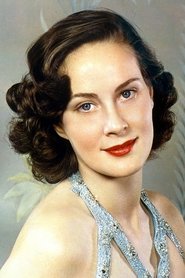 Alida ValliLa Contessa Livia Serpieri
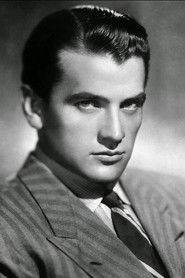 Massimo GirottiIl Marchese Roberto Ussoni
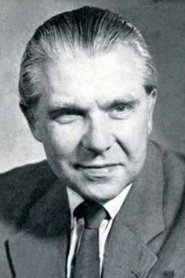 Heinz MoogIl Conte Serpieri
 Rina MorelliLaura, la Governante
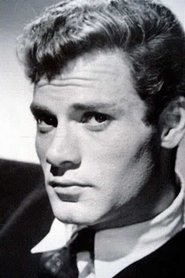 Christian MarquandUn Ufficiale Boemo
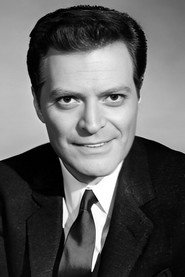 Sergio FantoniLuca
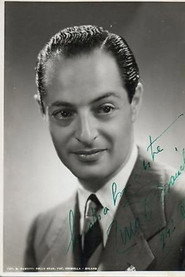 Tino BianchiIl Capitano Meucci
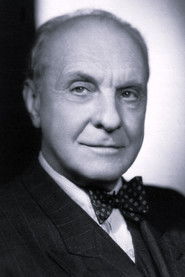 Ernst NadhernyIl Comandante della Piazza di Verona
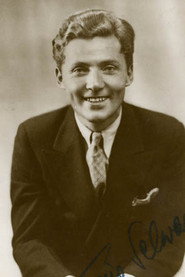 Tonio SelwartIl Colonello Kleist
- Marcella MarianiClara, la Prostituta
 Franco ArcalliUn Soldato (uncredited)
Directing
- Francesco RosiAssistant Director
- Franco ZeffirelliAssistant Director
- Luchino ViscontiDirector
- Mary AlcaideScript Supervisor
- Aldo TrionfoSecond Assistant Director
- Giancarlo ZagniSecond Assistant Director
- Jean-Pierre MockySecond Assistant Director
Writing
- Carlo AlianelloCo-Writer
- Giorgio BassaniCo-Writer
- Giorgio ProsperiCo-Writer
- Paul BowlesDialogue
- Tennessee WilliamsDialogue
- Camillo BoitoNovel
- Luchino ViscontiScreenplay
- Suso Cecchi d'AmicoScreenplay
- Luchino ViscontiStory
- Suso Cecchi d'AmicoStory
Production
- Domenico Forges DavanzatiProducer
- Renato GualinoProducer
- Riccardo GualinoProducer
- Gina GuglielmottiProduction Assistant
- Claudio Forges DavanzatiProduction Manager
- Roberto PalaggiProduction Secretary
- Gabriele SilvestriProduction Supervisor
- Marcello GianniniProduction Supervisor