
Film
Obsession
Other titles called Obsession: the 1976 film, the 2026 film.
A 1943 Italian noir about a drifter and an inn-keeper's wife who spiral into obsessive passion and murder. Shot in the wreckage of wartime Italy, it's fever-dream sensuality mixed with moral collapse—less plot than the texture of desire eating people alive. Essential viewing for anyone who thinks noir began in America.
Should you watch it?
Watch it if you like crime stories where the dread comes from two people's magnetic pull and the sweaty ordinariness of everyday life, shot with a documentary eye for roads, weather and bodies.
Skip it if you need brisk plotting or tidy moral lines; at over two hours, its long idle stretches can feel like a test of patience.
What it asks of you: Two hours and twenty minutes of patience, with long quiet scenes that build tension through glances and gestures rather than quick cuts or big speeches.
Not sure? Find tonight's pick in a minute.
If you liked this
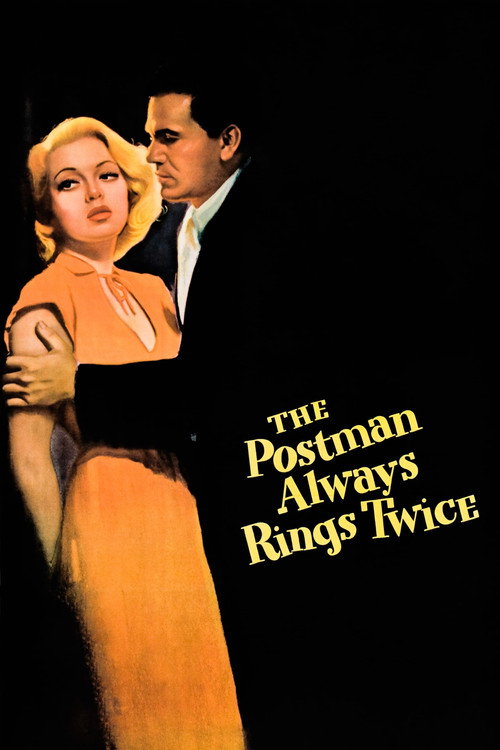
The Postman Always Rings Twice1946
American noir with the same fatal triangle: drifter, femme fatale, murder plot. Lana Turner in white, grease-stained sensuality, the same doomed inevitability. Tay Garnett captures that quality of desire as a force of nature.
But It's slicker and more contained than Obsession—less raw, more tightly wound. Hollywood had rules Italian cinema didn't, and it shows.
The Third Man1949
Carol Reed's Vienna is as corrupted and beautiful as Visconti's Italy. Orson Welles' moral ambiguity, zither score, black-market intrigue, romance twisted by war and self-interest. Same architecture of betrayal.
But Longer and more espionage-focused. Some find the zither score precious; others find it haunting. It's dense in a different way.

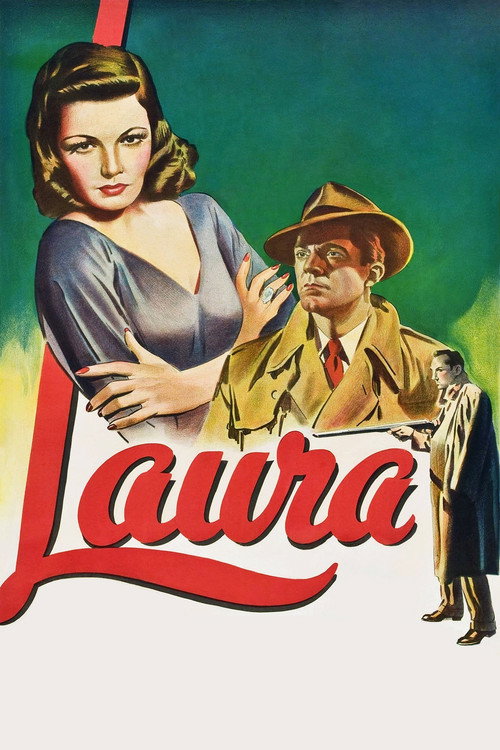
Laura1944
Otto Preminger's portrait of obsession through a painting: a detective falls for a dead woman he's never met. Like Obsession, it's about desire that corrupts and consumes, but inverted—the woman absent rather than present.
But It's a murder mystery first, romance second. If you want passion over plot, this one reverses the priority.
Not sure tonight? Get a pick in a minute, starting from Obsession
The wildcard
Something you would not have found on your own.
Bicycle Thieves1948
Both are products of Italian neorealism shot in the collapse of 1943-45 fascism. Where Obsession finds beauty in moral rot, Bicycle Thieves finds dignity in poverty. Same camera, opposite souls.
De Sica's neorealist masterpiece uses the same rubble-strewn, hungry Italy as Obsession, but inverts its moral universe: not passion and crime, but desperation and a father's love. Gino the drifter becomes Antonio the working man, the obsession becomes survival itself.
But It's achingly sad in a way that makes despair feel noble. No catharsis, no transgression, just the weight of circumstance. Some want their noir darker; this one is just dark.

More like this (6)
In a Lonely Place1950
Ray's Hollywood noir about a volatile screenwriter accused of murder. Bogart and Gloria Grahame's relationship corrodes from the inside out. Same toxic pull, same sense that love and destruction are the same current.
But Darker and more psychologically claustrophobic. Bogart's charm turns menacing, which some find uncomfortable rather than compelling.

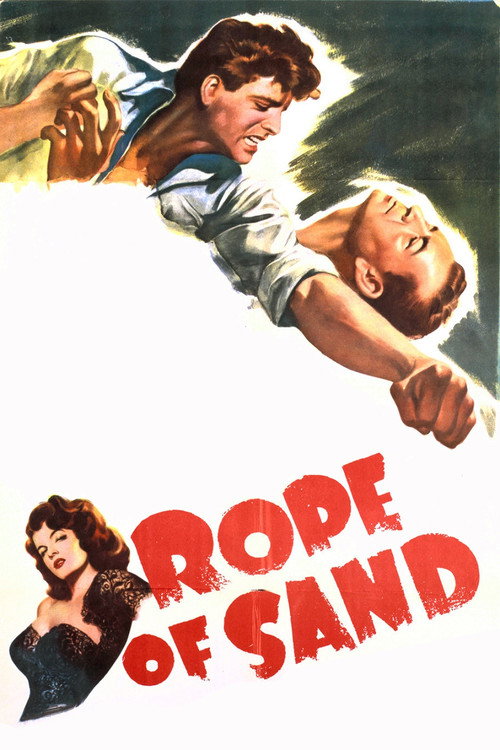
Rope of Sand1949
Burt Lancaster, Paul Henreid, and a woman caught between them in post-war Africa. Treasure, betrayal, the colonial backdrop of moral dissolution. High-voltage sensuality with real moral rot underneath.
But Less poetic than Obsession and more adventure-driven. The pacing is brisk, which some prefer but which can feel less fatalistic.
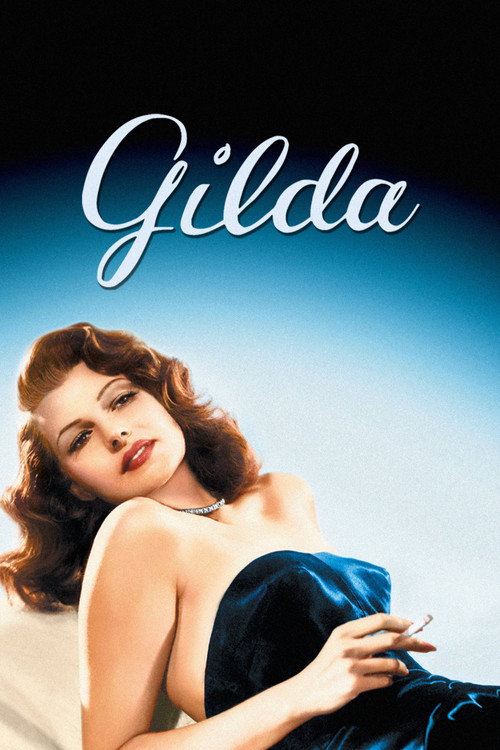
Gilda1946
Rita Hayworth's performance is pure erotic magnetism in a Buenos Aires casino. Obsession with a woman as pure surface and contradiction. Vidor understands how desire can annihilate judgment.
But It's more about spectacle and star-power than character depth. The plot bends around Hayworth's presence rather than the other way around.
The Killers1946
Siodmak's masterpiece: Ava Gardner as the woman worth dying for, Burt Lancaster as the mark. Opens with a murder and spirals backward into the obsession that caused it. Fatalism as texture rather than plot.
But Two hours of flashback structure can feel repetitive. If you want forward momentum, this one works against you.

The Asphalt Jungle1950
Huston's heist procedural with a subplot of a aging cop's obsessive desire. The crime isn't just about money—it's about the need to possess and control. Ensemble piece with real moral nuance.
But The obsession plot is secondary. If you want a tight two-character study of passion, this diffuses the energy across a whole criminal milieu.

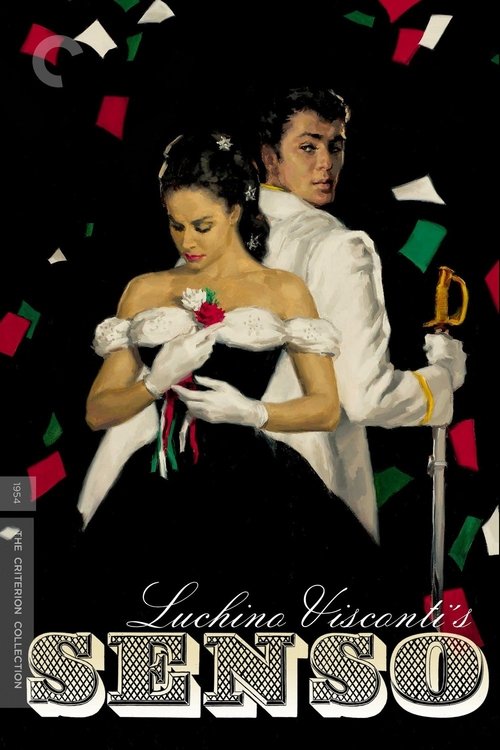
Senso1954
Visconti again, but in a different register: where Obsession is raw and immediate, Senso is elaborate and tragic, both using cinema itself as an instrument of passion. The same director finding the same obsession theme in history and spectacle rather than crime.
Visconti's Technicolor melodrama about an aristocrat's affair with an Austrian officer during the 1866 war. Obsession transmuted into historical tragedy and sexual humiliation. Alida Valli's face tells the story of desire eating its own heart. Visual excess as moral statement.
But It's baroque and operatic—three hours of accumulated emotion rather than propulsive plot. The Technicolor is garish to modern eyes. If you prefer restraint, this will feel like drowning in velvet.
People
Cast
 Clara CalamaiGiovanna Bragana
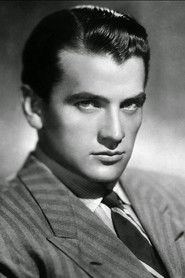 Massimo GirottiGino Costa
 Dhia CristianiAnita
- Elio MarcuzzoThe Spaniard
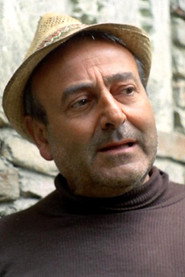 Vittorio DusePolice Officer
- Michele RiccardiniDon Remigio
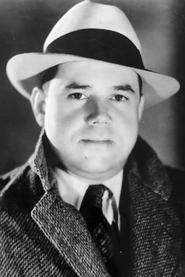 Juan de LandaGiuseppe Bragana
- Michele SakaraIl Bambino (uncredited)
Directing
- Antonio PietrangeliAssistant Director
- Giuseppe De SantisAssistant Director
- Luchino ViscontiDirector
- Giovanna ValeriScript Supervisor
Writing
- Gianni PucciniDialogue
- Giuseppe De SantisDialogue
- Luchino ViscontiDialogue
- Mario AlicataDialogue
- James M. CainNovel
- Alberto MoraviaScreenplay
- Antonio PietrangeliScreenplay
- Gianni PucciniScreenplay
- Giuseppe De SantisScreenplay
- Luchino ViscontiScreenplay
- Mario AlicataScreenplay
Production
- Libero SolaroliExecutive Producer
- Libero SolaroliProducer
- Camillo PaganiProduction Coordinator
Recommended by
The Postman Always Rings Twice, La Bête Humaine, The Inheritance, The Little Minister