
Film
The Little Minister
A proper Scottish minister falls for a spirited Gypsy woman in his parish, igniting scandal in their small village. This 1934 Hepburn vehicle is a romantic drama with genuine heat—she plays Babbie as mercurial and alive, a genuine counterforce to respectability. It's for people who like old Hollywood stars doing real emotional work, and period settings that feel lived-in rather than quaint.
If you liked this
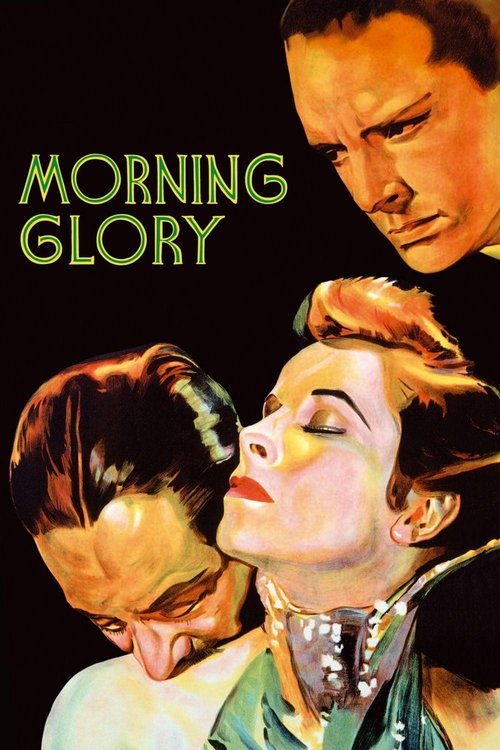
Morning Glory1933
Hepburn won her first Oscar for this scrappy, exuberant performance as a young actress determined to make it on Broadway. It has her same quicksilver energy and unguarded charm, with the added pleasure of watching her hold her own against seasoned stage actors.
But It's a backstage comedy from the early 1930s, so the pacing is theatrical and the romantic plot feels obligatory even by period standards.
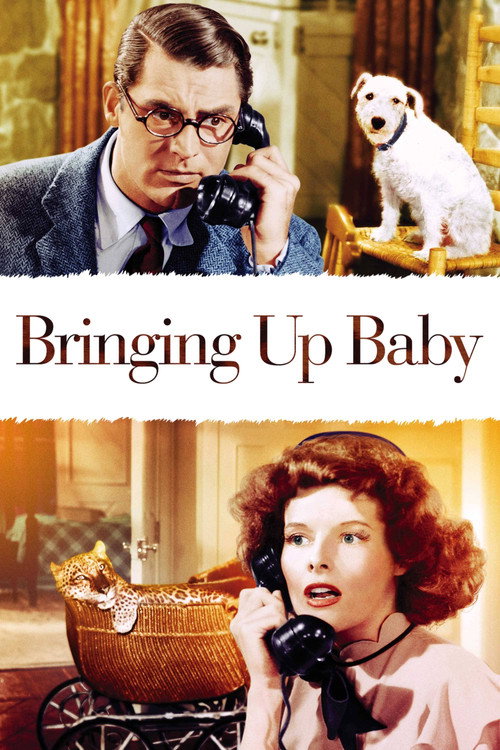
Bringing Up Baby1938
Hepburn at peak comedic confidence, sparring with Cary Grant in a screwball masterpiece. Babbie's passionate defiance finds its mirror in Susan's gleeful chaos—both women refuse to be tamed by the men around them.
But It's pure farce, and very fast. If you want the emotional undercurrent of The Little Minister, you won't find it here.
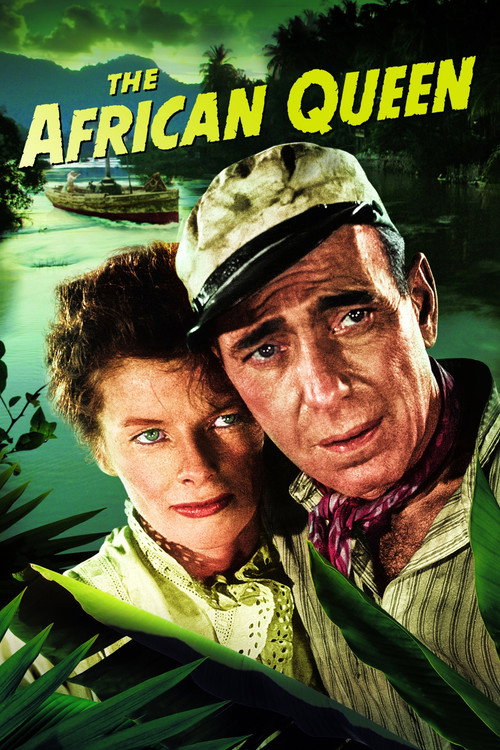
The African Queen1952
Hepburn and Humphrey Bogart navigate a river and their mutual exasperation, with genuine affection blooming underneath. It has the same structure—propriety colliding with raw feeling—but with a hardened woman and higher stakes.
But It's adventure-heavy and the dialogue occasionally sounds like it's explaining itself. Some find Bogart's performance mannered by modern standards.
Not sure tonight? Get a pick in a minute, starting from The Little Minister
The wildcard
Something you would not have found on your own.
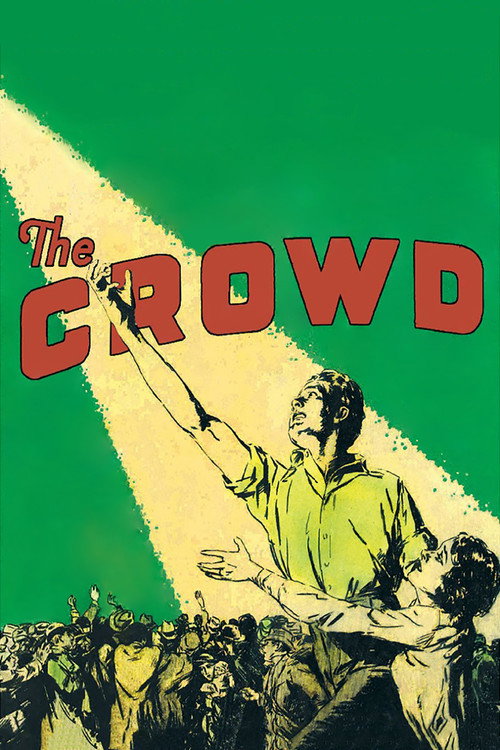
The Crowd1928
Both films are about individuals tested by the weight of community judgment and their own need to belong to something larger than desire.
A silent film about ordinary people in New York trying to matter. King Vidor's film has the same moral precision as The Little Minister—the exact point where personal desire collides with community and social expectation—but plays it as urban tragedy.
But It's silent and the pacing reflects that. It's also relentlessly pessimistic in ways the Hepburn film is not—expect no rescue, romantic or otherwise.
More like this (8)
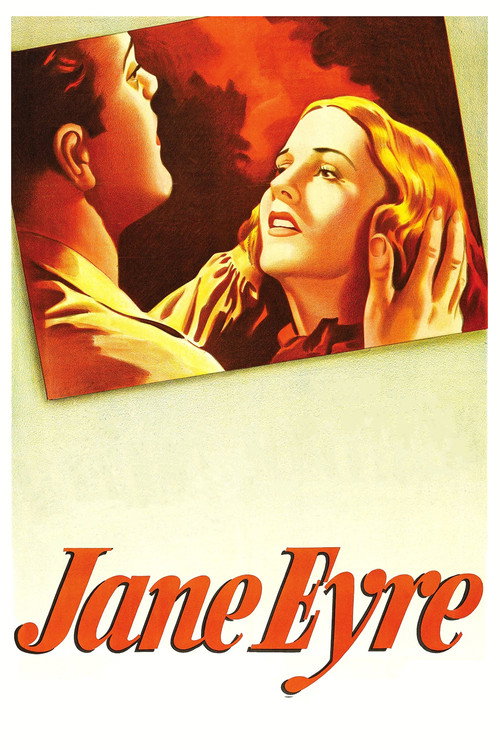
Jane Eyre1943
Orson Welles and Joan Fontaine in a Gothic love story where passion and principle genuinely collide. The emotional temperature is much higher than The Little Minister, and the stakes feel real—morally, physically, spiritually.
But It's bleak and intense rather than charming. If you're looking for lightness or romance as escape, this will feel heavy.
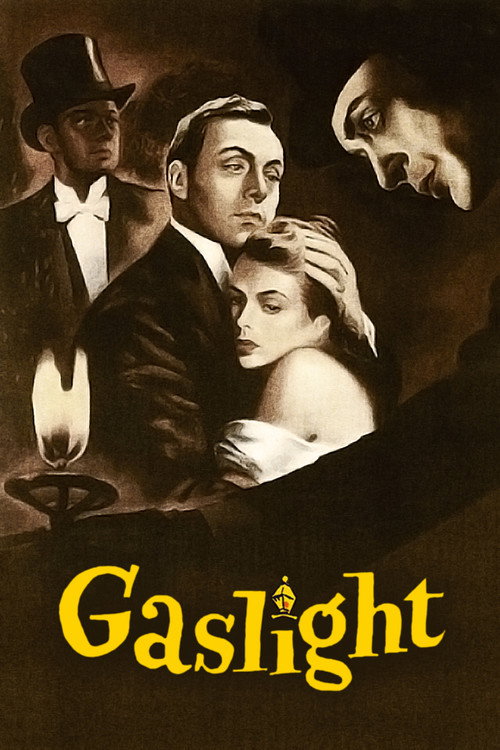
Gaslight1944
Ingrid Bergman and Charles Boyer in a psychological thriller about a woman pushed toward doubt by the man she trusts. Bergman's performance has Hepburn's intelligence, but deployed against genuine fear and manipulation.
But It's fundamentally a chamber piece about abuse. Calling it a romance does it a disservice—it's much darker than that.
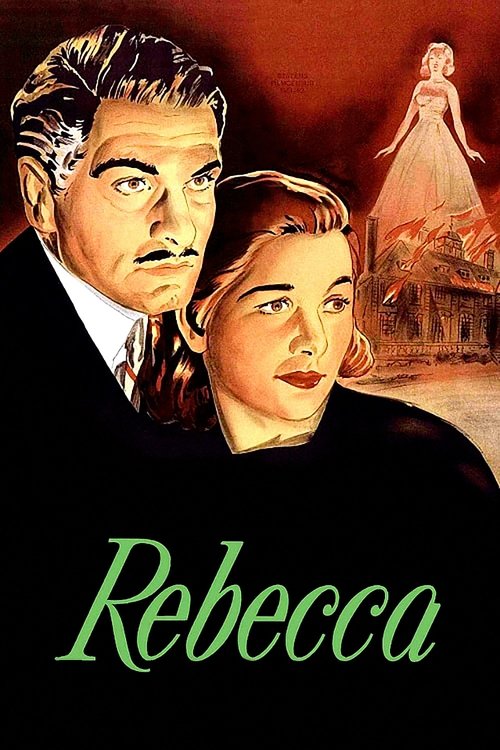
Rebecca1940
Hitchcock's masterpiece about a woman entering a marriage haunted by the past. Joan Fontaine's nervous intensity and Laurence Olivier's brooding presence create a love story genuinely complicated by doubt and class.
But It's slow-burn Gothic, not swift drama. The first hour is largely setup, and some find the ending anticlimactic.
The Philadelphia Story1940
Hepburn herself, radiant and sharp, alongside Cary Grant and James Stewart. It's the film where she proved she could carry a major studio picture with style, humor, and emotional honesty all at once.
But It's lighter than The Little Minister and entirely urbane. The Scottish village morality play has become a Pennsylvania drawing room—completely different texture.

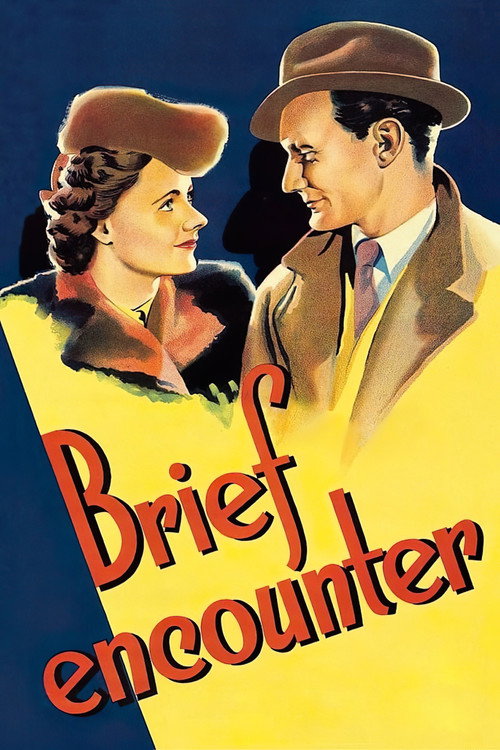
Brief Encounter1945
A woman and a stranger find themselves falling in love across brief meetings in a train station café. Coward's script is precise about the ache of wanting something you cannot have, and the film trusts you to feel it.
But It's restrained and melancholic. There's no consummation, no grand gesture—just the terrible clarity of impossible feeling.
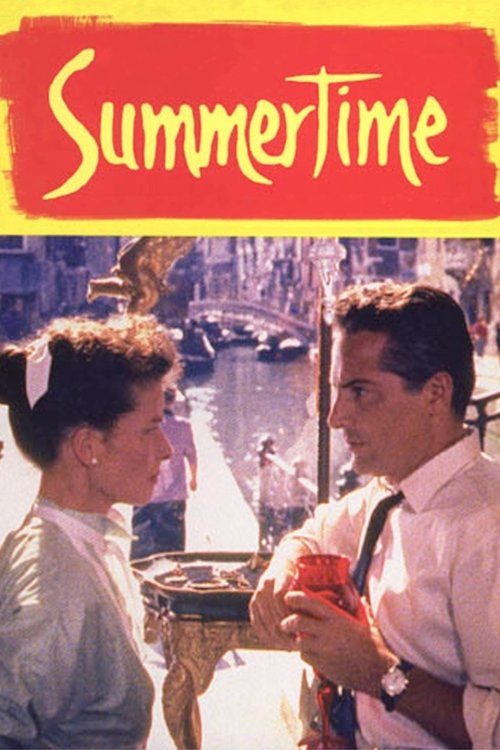
Summertime1955
Hepburn in Venice, falling for a man she knows will disappoint her. Lean's film is achingly beautiful, and Hepburn plays a woman caught between hope and hard sense with genuine vulnerability.
But It's a middle-aged woman's romantic dilemma, not a passionate scandal. Some find it precious, and the romantic fantasy of Venice can feel slightly hollow.
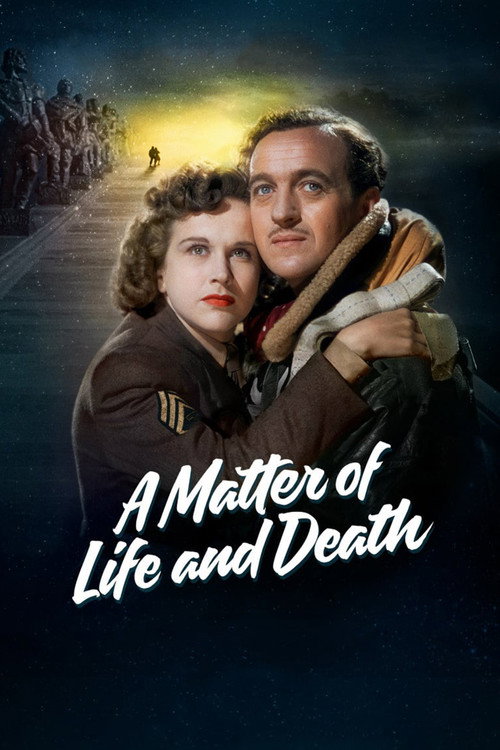
A Matter of Life and Death1946
Where The Little Minister shows passion constrained by propriety, this film shows passion as metaphysical necessity—love so urgent it requires the intervention of the divine.
Powell and Pressburger's romantic fantasy where a man falls in love with a woman he's never met and has to argue with the afterlife to keep her. It's visually astonishing, urgent, and genuinely believed in the transcendent power of love.
But It's a fantasy. The logic is dream-logic. Some find its sentimentality cloying, and the courtroom-in-heaven premise does not work for everyone.
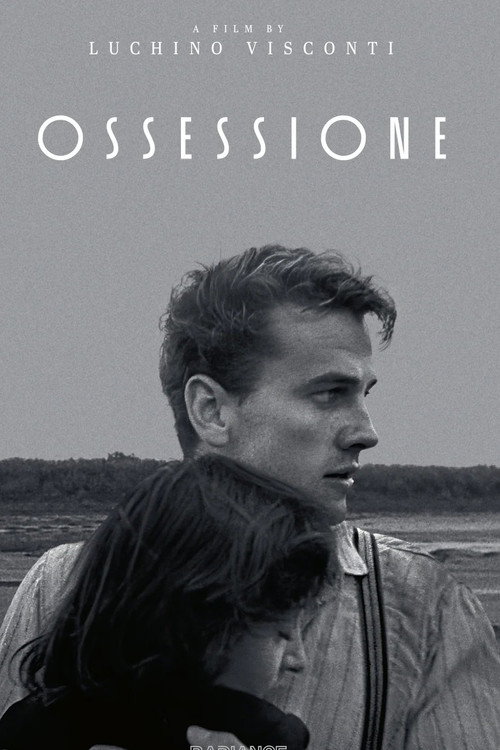
Obsession1943
Both stories turn on a transgressive love that violates community norms. This film shows what The Little Minister only hints at—the real cost of choosing passion over propriety.
Visconti's Italian neorealist masterpiece about two people who fall into love and crime across a single summer. Grim, sensual, and morally unsparing—it shows the dark version of what happens when passion overrides social order.
But It's in Italian without English subtitles widely available. It's also violent, bleak, and the film's treatment of its female character is troubling by any standard.
People
Cast
 Katharine HepburnBarbara 'Babbie'
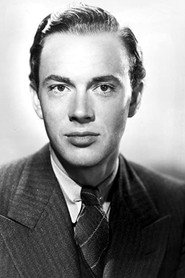 John BealRévérend Gavin Dishart
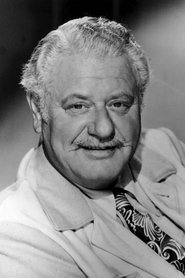 Alan HaleRob Daw
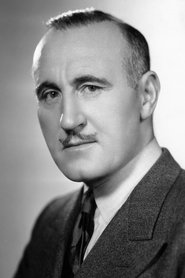 Donald CrispDocteur McQueen
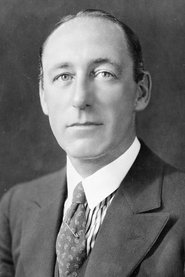 Lumsden HareTammas Whammond
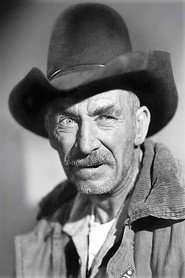 Andy ClydeWearyworld The Policeman
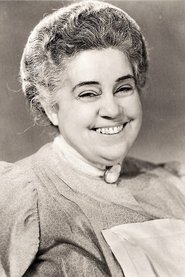 Beryl MercerMargaret
- Billy WatsonMicah
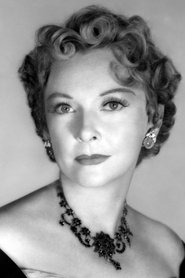 Dorothy StickneyJean
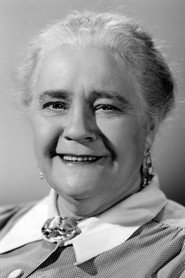 Mary GordonNanny
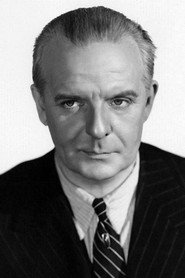 Frank ConroyLord Rintoul
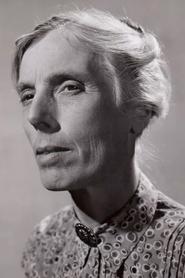 Eily MalyonEvalina
Directing
- Carl DreherAssistant Director
- Edward KillyAssistant Director
- Tommy ThompsonAssistant Director
- Richard WallaceDirector
Writing
- J.M. BarrieNovel
- Jane MurfinScreenplay
- Sarah Y. MasonScreenplay
- Victor HeermanScreenplay
- J.M. BarrieTheatre Play
Production
- Pandro S. BermanProducer
- C.J. WhiteProduction Manager