
Film
Jane Eyre
This 1943 adaptation trades the novel's slow interiority for pure studio gothic: fog machines, towering sets, and Orson Welles glowering through firelight as Rochester while Joan Fontaine holds the whole picture together with quiet, watchful stillness. It's brisk and moody rather than faithful — a beautifully shot mood piece about repression and dread more than a sweeping romance. Best for viewers who want atmosphere over accuracy.
If you liked this
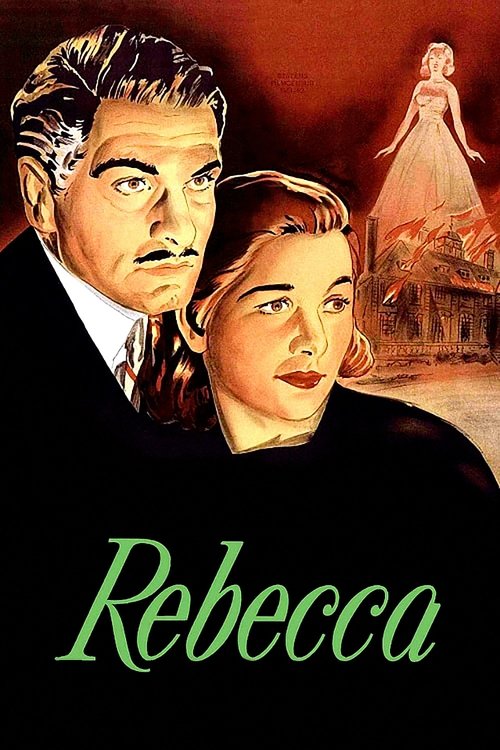
Rebecca1940
Hitchcock's own gothic bride story, with Fontaine again playing a shy woman swallowed by a great house and a man's unspoken past — same DNA, sharper suspense, an eerie housekeeper instead of a locked attic.
But Slower burn than a thriller, and the mystery leans on dread more than romance if you wanted the love story front and centre.
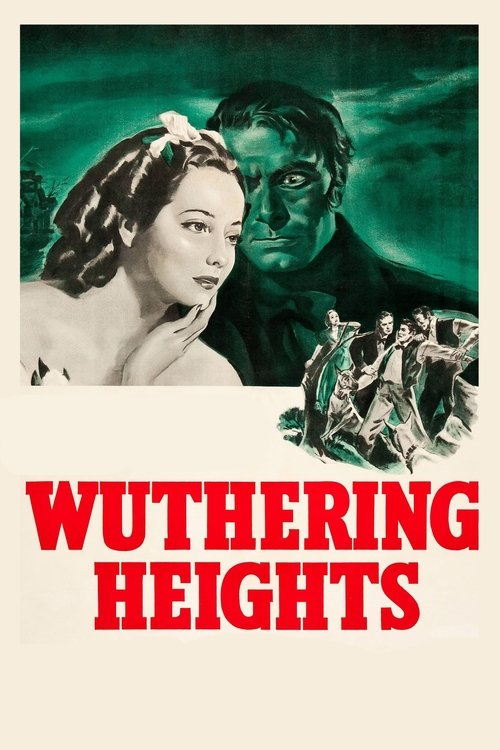
Wuthering Heights1939
Olivier at his most magnetically cruel, moors instead of manor, the same Brontë-sister DNA of doomed passion and class wounds that never heal.
But It only covers half the novel and softens the ending's cruelty into something more Hollywood than the book allows.
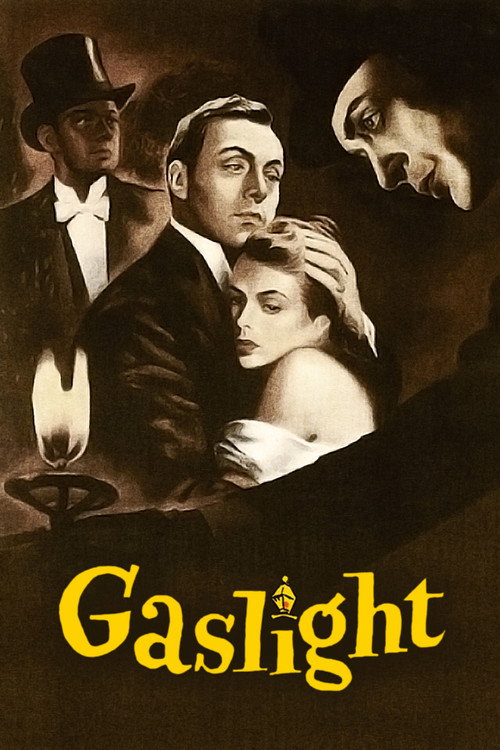
Gaslight1944
Swap the governess for a wife and the mystery for manipulation — a woman slowly convinced she's losing her mind, told with the same shadowy, candlelit dread.
But Colder and more claustrophobic than a romance; there's no warmth to root for, only mounting unease.
The wildcard
Something you would not have found on your own.
I Walked with a Zombie1943no page yet
Producer Val Lewton openly built the plot on Jane Eyre's structure — same mad-wife secret, same brooding master, same outsider narrator — just relocated to a voodoo-inflected Caribbean, horror instead of romance.
A cheap, brilliant RKO horror picture that quietly lifts Jane Eyre's entire skeleton — brooding plantation owner, a wife locked away and not quite herself, a newcomer drawn into the household's buried grief — and transplants it to Haiti with genuinely unsettling atmosphere.
But It's a B-movie in every sense: 69 minutes, low budget, blunt in its handling of race and colonial setting by today's standards.
More like this (8)
The Heiress1949no page yet
Olivia de Havilland plays a plain, overlooked woman finding unexpected steel against a domineering father and a suitor who may not love her — the same quiet transformation from meek to unbreakable.
But Bleaker in its final verdict on love and trust; don't expect the reconciliation the original gives you.
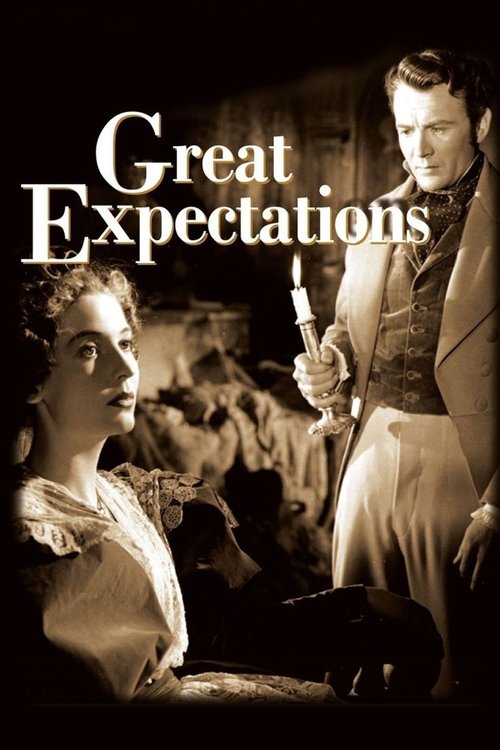
Great Expectations1946
David Lean's black-and-white Dickens has the same fog, candlelight and looming old house full of secrets, plus a heroine's-eye view of a world stacked against her.
But It's a coming-of-age story more than a romance, and the pace is more picaresque than singularly focused.
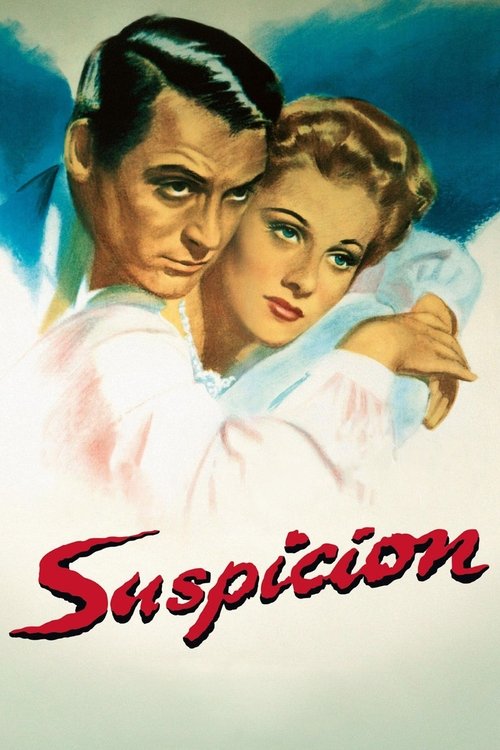
Suspicion1941
Fontaine again, this time wondering if the charming husband she married intends to kill her — the same nervous, is-he-or-isn't-he tension dressed as a thriller.
But The ending was famously softened from the source novel, so the darkness you're braced for doesn't fully land.
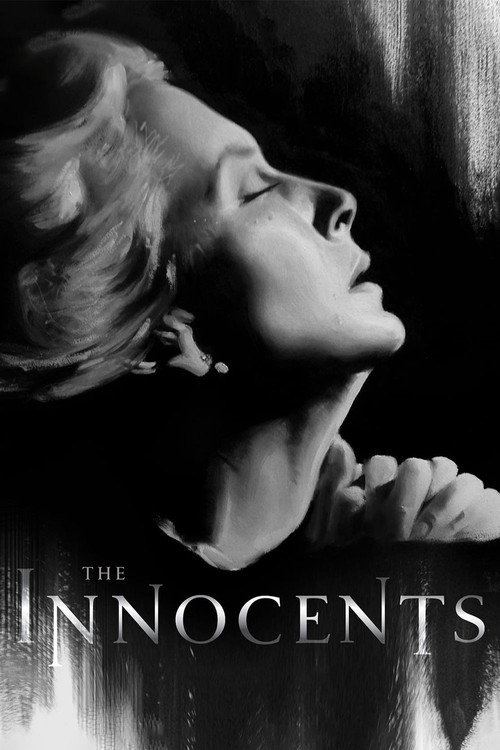
The Innocents1961
A governess, a great house, children who might be haunted — this swaps the love story for straight-up dread but keeps the isolation of a woman alone with someone else's secrets.
But It's a horror film first; if you came for romance, you'll find only atmosphere and creeping fear instead.
My Cousin Rachel1952no page yet
A brooding, possibly dangerous object of obsession, an old house thick with rumour, and a slow unravelling of whether love or deception sits at the centre.
But The central relationship is even more ambiguous and unresolved, without the classic story's ultimate warmth.
Pride and Prejudice1940no page yet
Same literary pedigree, same era of black-and-white British romance, though here the wit outweighs the shadows and the household is drawing rooms rather than a burning secret.
But Far lighter and more comic — none of the gothic atmosphere or moral darkness you'd be craving.
To Walk Invisible2016no page yet
It shows the exact household, grief and constraint that produced Jane Eyre — the same hunger for escape and self-respect that drives the character, lived by the woman who invented her.
A television drama about the Brontë sisters themselves, writing Jane Eyre and Wuthering Heights in the same freezing parsonage while poverty and a ruinous brother close in around them — the real story behind the fiction.
But It's about the writing of the novel, not a dramatisation of it, so if you want more Rochester and Thornfield, this won't give it to you.
Flowers in the Attic1987no page yet
Both hinge on someone's existence being hidden away in a house's upper rooms for a family's convenience — one tells it as tragedy, the other as gothic pulp.
If the story's 'locked away and lied about' thread appealed to you, here it is turned all the way up — melodrama, a forbidding house, and a family secret so extreme it tips gleefully into camp.
But It trades restraint and moral seriousness for lurid, soap-opera excess; it's trashy where the original is careful and controlled.
People
Cast
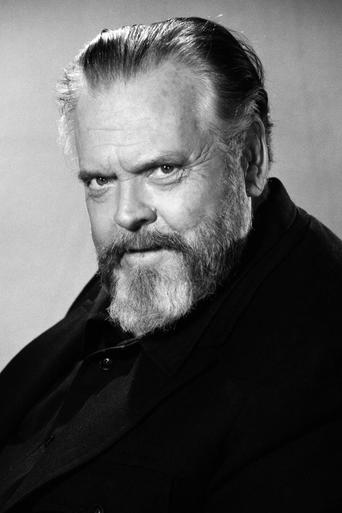 Orson WellesEdward Rochester
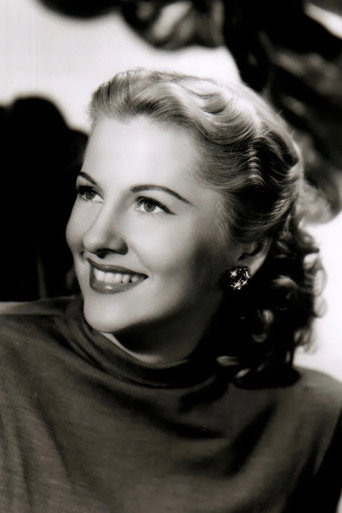 Joan FontaineJane Eyre
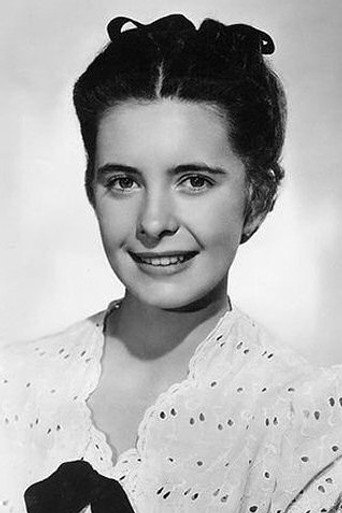 Margaret O'BrienAdele Varens
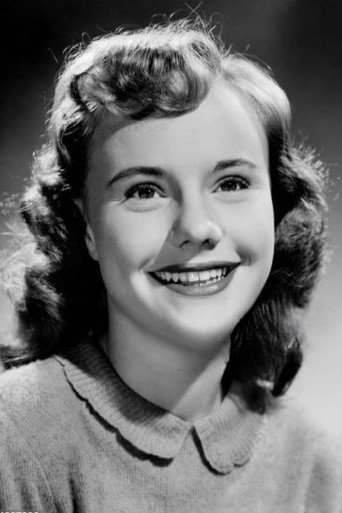 Peggy Ann GarnerJane Eyre (younger)
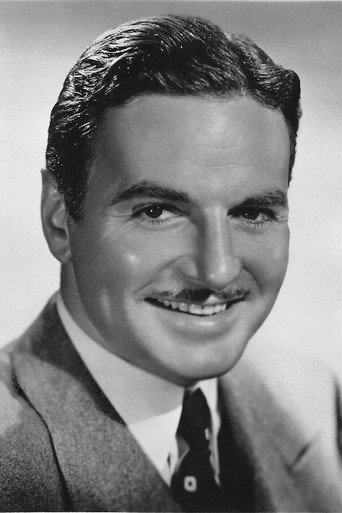 John SuttonDr. Rivers
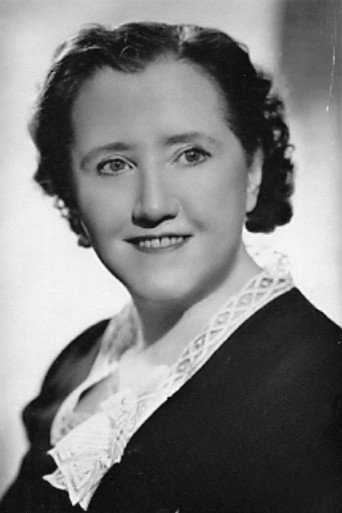 Sara AllgoodBessie
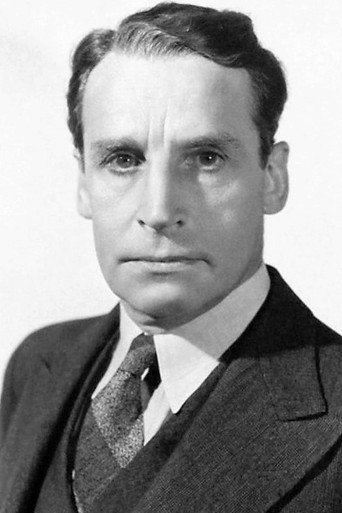 Henry DaniellHenry Brocklehurst
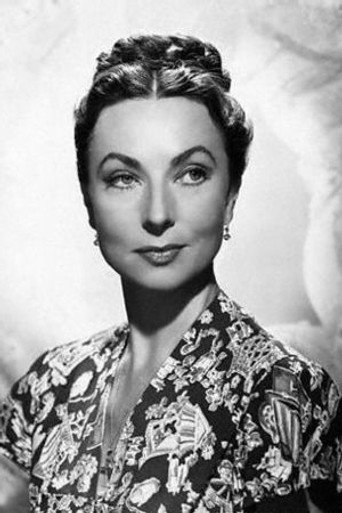 Agnes MooreheadMrs. Reed
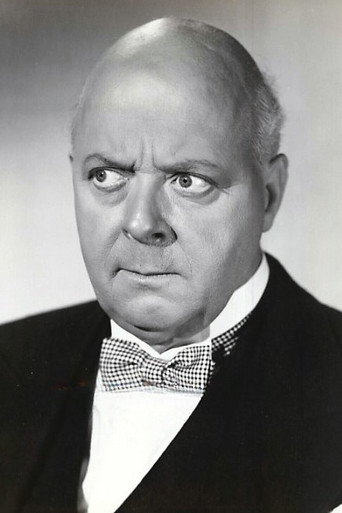 Aubrey MatherColonel Dent
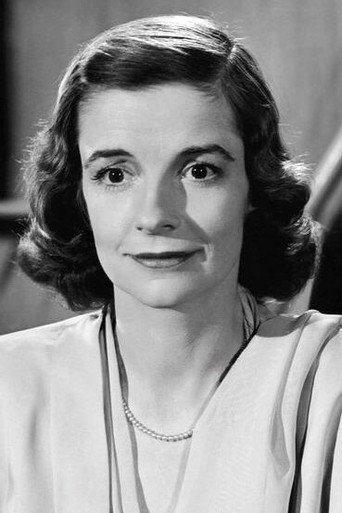 Edith BarrettMrs. Fairfax
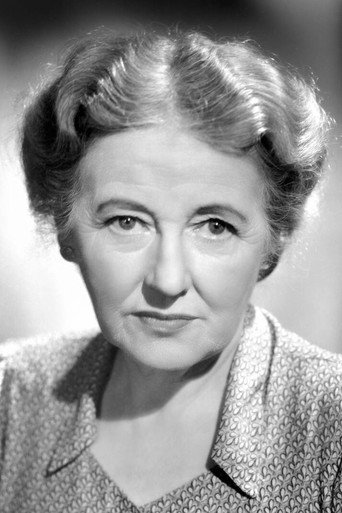 Barbara EverestLady Ingram
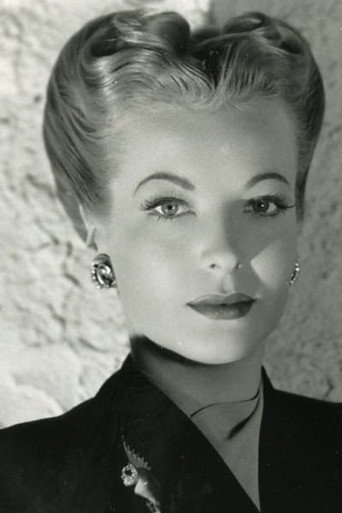 Hillary BrookeBlanche Ingram
Directing
- Robert StevensonDirector
Writing
- Charlotte BrontëNovel
- Aldous HuxleyScreenplay
- John HousemanScreenplay
- Robert StevensonScreenplay
Production
- Orson WellesAssociate Producer
- Kenneth MacgowanProducer
- William GoetzProducer