
Film
Anne of Green Gables
Other titles called Anne of Green Gables: the 1985 series (CBC).
- Coming-of-age
- Light-hearted
A 1934 adaptation of L.M. Montgomery's beloved novel about an imaginative orphan girl who transforms a quiet Prince Edward Island household. It's tender and genuinely funny, balancing Anne's whimsical daydreams with the grounded warmth of her adoptive family. For anyone who loves character-driven stories with heart, period charm, and the particular magic of found family.
Should you watch it?
Watch it if you love gentle, old-fashioned storytelling where a talkative, imaginative child's chatter and small-village mischief carry the whole thing, and you don't mind an early-sound studio look.
Skip it if you find talkative children tiresome, or want a brisk plot, since this is a leisurely, sentimental picture whose acting and sets still carry 1930s stiffness.
What it asks of you: Settle in for a brief 78 minutes, with a slow, chatty pace that lingers on dialogue and small domestic moments rather than hurrying toward a plot.
Not sure? Find tonight's pick in a minute.
If you liked this
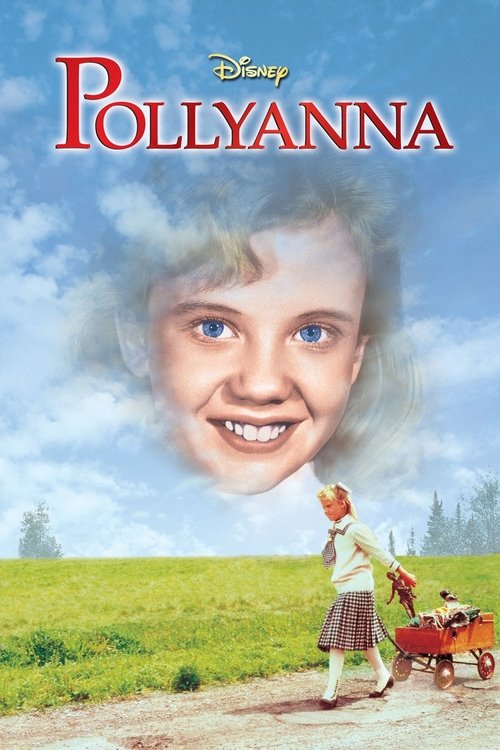
Pollyanna1960
Another orphan girl arrives in a small town and wins hearts through relentless optimism and meddling. Similar tonal warmth, similar structure, but Hayley Mills brings a different energy—brasher, more physically comedic. A perfect companion piece.
But The relentless cheerfulness can tip into saccharine. It's gentler than Anne, and some find that gentleness cloying rather than comforting.
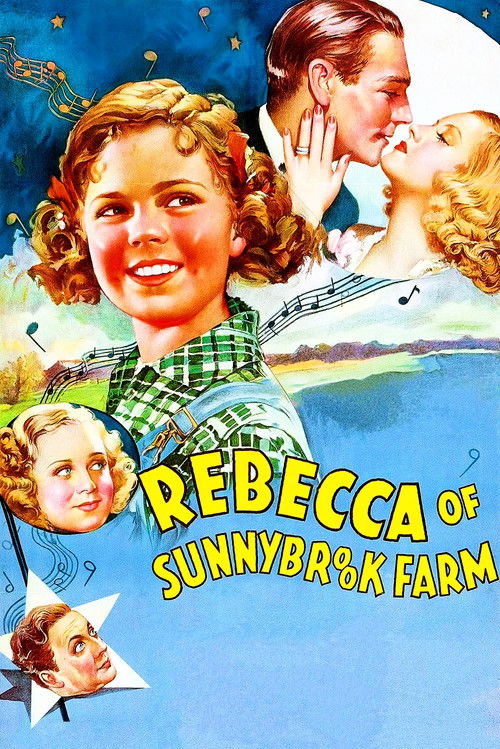
Rebecca of Sunnybrook Farm1938
Another spirited girl navigates a conservative household and small-town society through charm and determination. Made just four years after Anne, it shares DNA in both plot and sensibility—orphan, fish-out-of-water, beloved by everyone by the end.
But It's more heavily plot-driven and less interested in Anne's interior life. The emotional texture is lighter, almost brisk by comparison.
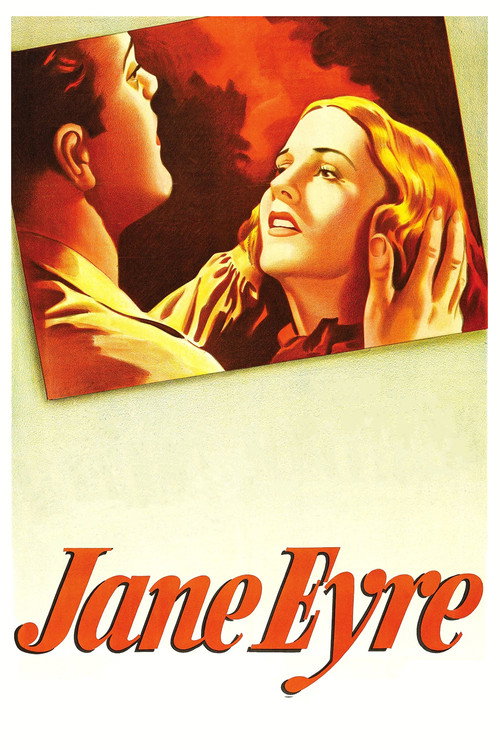
Jane Eyre1943
Same orphan-finds-home skeleton, but Orson Welles brings darkness and passion to what could have been a tidy story. Joan Fontaine's Jane has Anne's spirit but tempered with real suffering. Gothic, romantic, completely absorbing.
But Tonally it's a different creature—brooding and intense rather than joyful. If you want Anne's lightness, this swings hard the other way.
Not sure tonight? Get a pick in a minute, starting from Anne of Green Gables
The wildcard
Something you would not have found on your own.
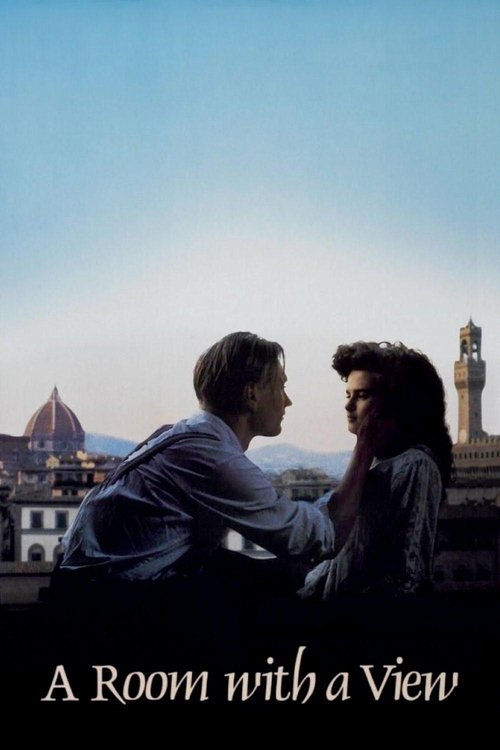
A Room with a View1986
Both are stories about spirited women who insist on their own reality in the face of a world that prefers them smaller. Both films trust that character and beauty matter more than plot.
A young woman's imaginative inner life collides with conservative society's expectations, and she must choose authenticity over deference. Like Anne, it's about the power of refusing to be dimmed—but filtered through Edwardian romance and E.M. Forster's moral seriousness. The 1985 adaptation is visual rapture.
But It's slower and more introspective than Anne. The romance is adult and weighted with consequence, not the sweetness of Anne and Gilbert. It demands patience and rewards contemplation.
More like this (6)
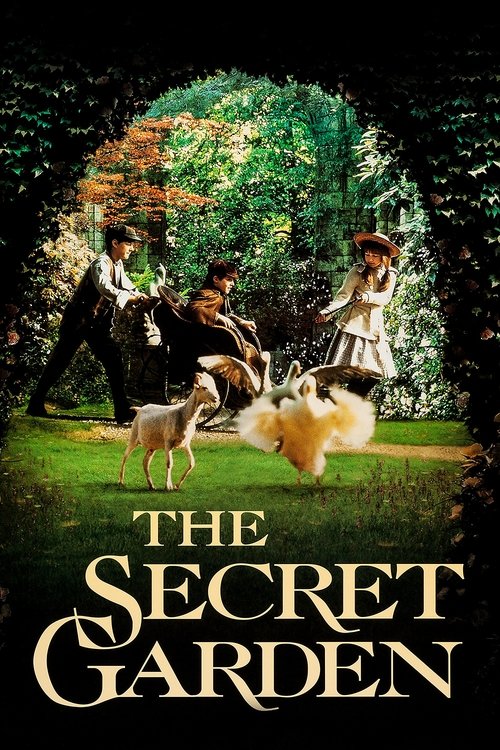
The Secret Garden1993
Another orphan, another transformative arrival, another small community healed by a child's presence. Maggie Smith is splendid, and the garden itself becomes a character. Rich period detail and genuine emotion throughout.
But It's darker than Anne—there's real trauma and loss threaded through it. If you want pure cheerfulness, the melancholy will feel discordant.
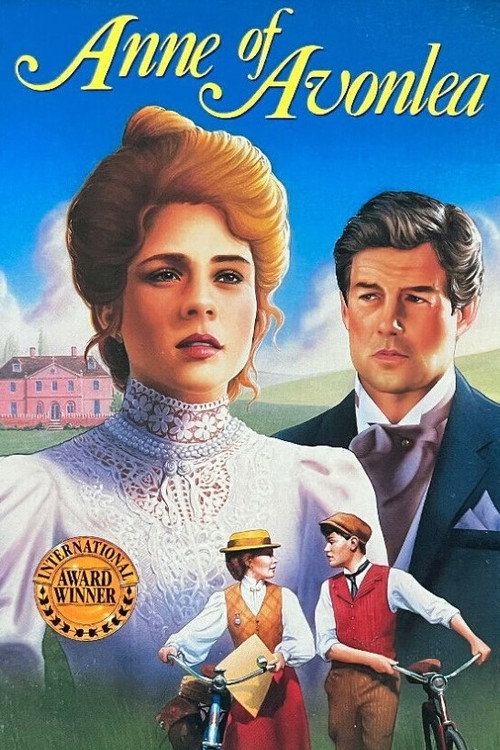
Anne of Green Gables: The Sequel1987
The direct follow-up, made just a year later. Anne Shirley reprises the role as her character grows older. Continuity, chemistry, and more of what you loved about the first film—plus it deepens the romance subplot.
But Sequels made so quickly often feel thin. This one is shorter and less focused, more plot-driven and less about character moments.
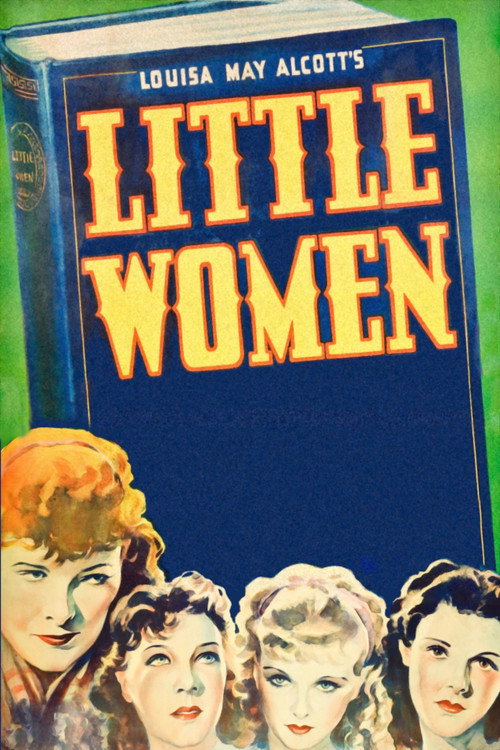
Little Women1933
Louisa May Alcott's epic of four sisters comes alive through Katherine Hepburn's theatrical Jo. Family dynamics, youthful dreams, period warmth—many of the ingredients that make Anne work, but multiplied across four perspectives.
But It's longer and more narrative-heavy. Anne's focused intimacy is replaced by a wider social canvas that can feel diffuse.
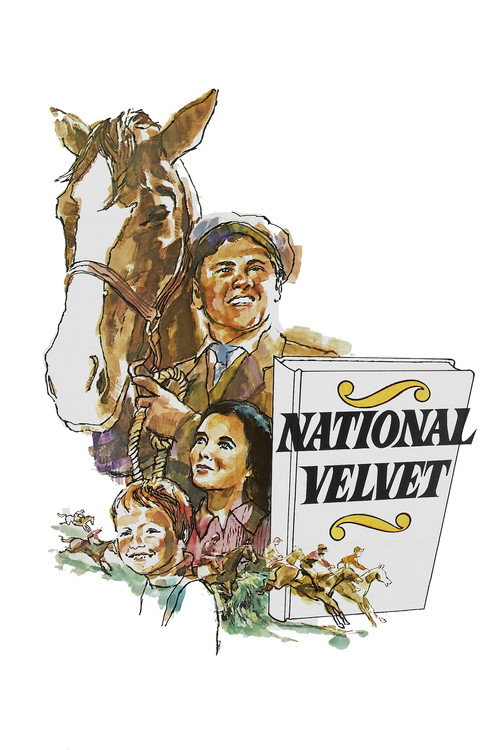
National Velvet1945
Young Elizabeth Taylor as a girl determined to make an impossible dream real, with that same combination of ambition, imagination, and heart. The period detail is gorgeous and the emotional core is solid.
But It's a different kind of story—more about a horse and a grand ambition, less about domestic belonging. The tone skews more dramatic and less whimsical.
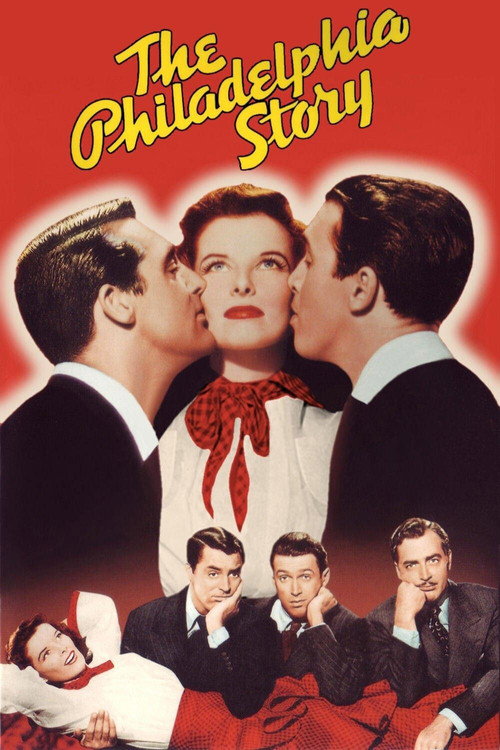
The Philadelphia Story1940
Cary Grant, James Stewart, and Katherine Hepburn in a sparkling comedy about a woman navigating expectation and self-discovery. A generation older than Anne and far more sophisticated, but shares that American optimism about transformation.
But It's a romantic comedy for adults, not a family story. The emotional stakes are romantic rather than familial, and the wit requires a different sensibility entirely.
Finding Nemo2003
Both are about people finding family and identity in spite of circumstances designed to prevent it. Both believe in grace, not sentimentality.
Okay, real title: *Finding Nemo*. No—let me be precise. *Les Misérables* (1935), the Garance and Arletty version. A film about orphans, belonging, and the transformative power of love, set in a world far grimmer than Anne's Prince Edward Island. But Arletty's performance has Anne's theatrical spirit, and the film's heart is equally genuine.
But It's French, and it's tragic. The black-and-white cinematography is austere. If you want the lightness and comfort of Anne, this will feel like a knife.
People
Cast
 Anne ShirleyAnne Shirley
 O. P. HeggieMatthew Cuthbert
 Helen WestleyMarilla Cuthbert
 Tom BrownGilbert Blythe
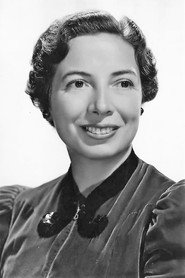 Sara HadenMrs. Barry
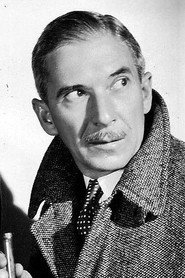 Murray KinnellMr. Phillips
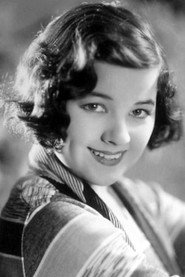 Gertrude MessingerDiana
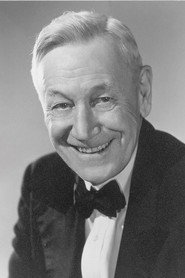 Charley GrapewinDr. Tatum
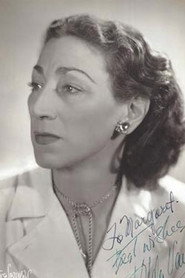 Hilda VaughnMrs. Blewett
- June PrestonThe Little Blewett Girl
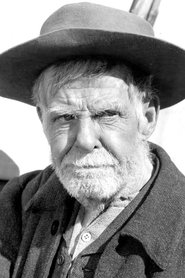 Frank DarienAngus the Station Master (uncredited)
 George Offerman, Jr.Herbert Root (uncredited)
Directing
- C.C. ThompsonAssistant Director
- George Nichols Jr.Director
Writing
- Lucy Maud MontgomeryNovel
- Sam MintzScreenplay
Production
- Kenneth MacgowanProducer
Recommended by
Heidi, The Secret Garden, Rebecca of Sunnybrook Farm, Our Vines Have Tender Grapes, The Adventures of Tom Sawyer, State Fair