
Film
Heidi
Other titles called Heidi: the 1968 film, the 2015 film.
Shirley Temple's 1937 charmer follows an orphaned girl whose infectious warmth transforms her isolated, bitter grandfather and those around her. It's a straightforward story of love conquering cynicism, played with genuine feeling rather than saccharine excess. A genuinely moving family film that works for children and adults who remember what simple goodness felt like.
Should you watch it?
Watch it if you want a warm, old-fashioned tale of a gruff man softened by a bright child, told with sentimental mountain scenery and a slow, unhurried kindness.
Skip it if you need brisk plotting or modern pacing, since this 1937 studio piece moves at a gentle, sentimental clip and leans hard on its star's cuteness.
What it asks of you: Settle in for about an hour and a half at a gentle pace, with long quiet stretches of scenery and sentiment, and little in the way of sharp edges.
Not sure? Find tonight's pick in a minute.
If you liked this
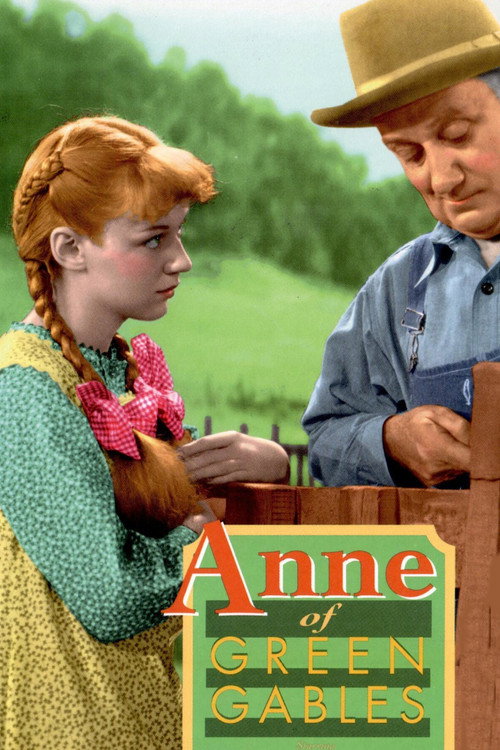
Anne of Green Gables1934
Another orphan girl who charms everyone through optimism and verbal exuberance, but with more psychological depth. The emotional stakes feel earned, and the film doesn't shy from loneliness and rejection before the redemption arrives.
But The Canadian setting and slower pacing won't appeal to anyone wanting modern storytelling or action. It's gentle to a fault.
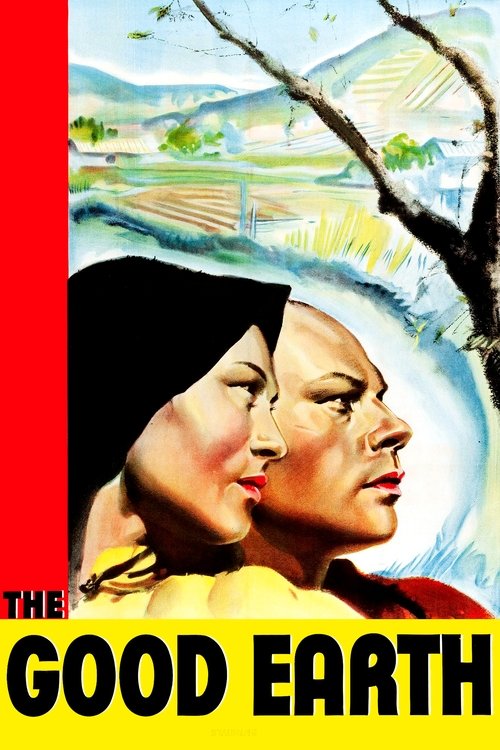
The Good Earth1937
Made the same year as Heidi, it shares the faith that love and decency will ultimately triumph over hardship. Paul Muni and Luise Rainer give performances of genuine weight that anchor the sentimentality in real suffering.
But It's set in rural China and runs over two hours. The racial dynamics of 1930s Hollywood cinema are uncomfortable by modern standards.
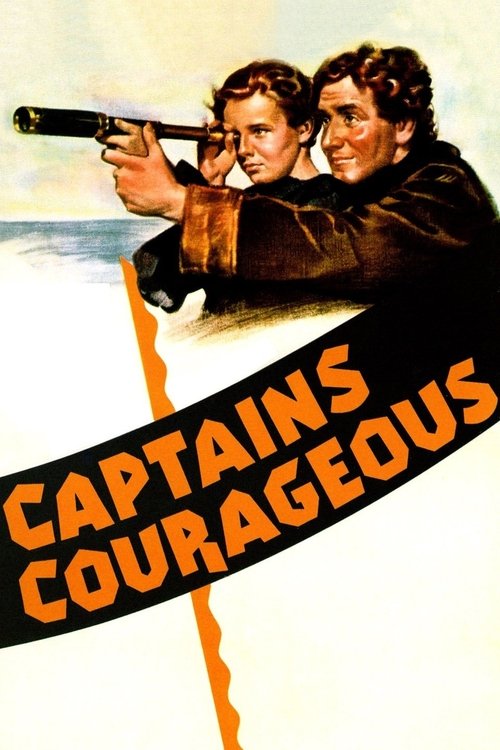
Captains Courageous1937
Spencer Tracy as a gruff older man softened by a privileged child—the same DNA as Heidi, but the boy is arrogant and has to earn his transformation. The Atlantic fishing sequences give it texture beyond sentiment.
But Less focused on character than plot. The film can feel scattered between multiple narrative threads, and Tracy's accent is occasionally hard to follow.
Not sure tonight? Get a pick in a minute, starting from Heidi
The wildcard
Something you would not have found on your own.
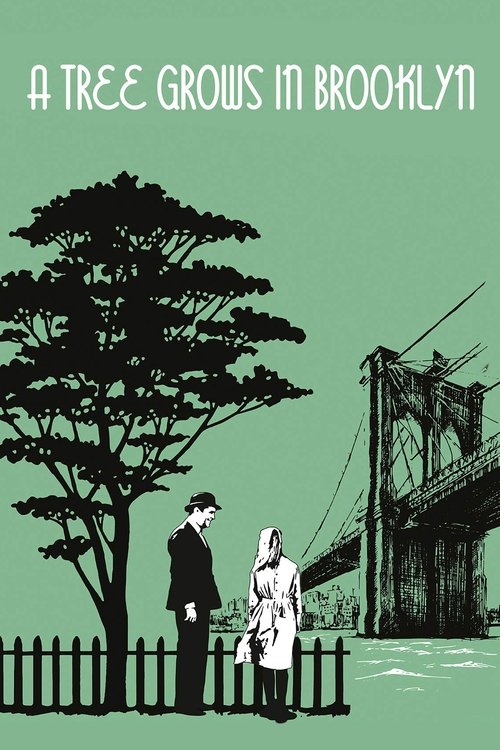
A Tree Grows in Brooklyn1945
Both center a young girl whose innate decency moves those around her, but Kazan's film asks what happens when kindness alone isn't enough. It's what grows in the shadow of Heidi's optimism.
Elia Kazan's masterpiece tracks a poor Brooklyn girl across childhood and adolescence with heartbreaking intelligence. It has Heidi's belief in human goodness but refuses sentimentality—love doesn't fix poverty or suffering, though it makes them bearable.
But It's darker and sadder than Heidi, shot in gray tones. The urban setting and adult complications mean there's no cozy alpine redemption.
More like this (8)
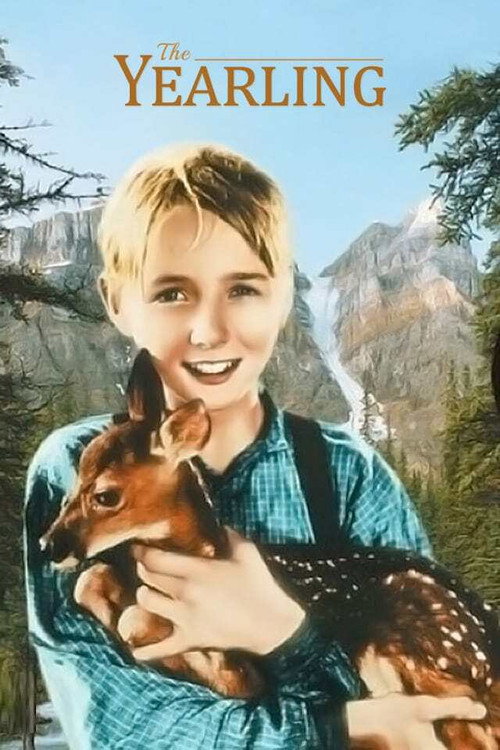
The Yearling1946
A rural American family drama about loss and growing up that carries genuine weight. It earns its emotion through specificity—how people actually speak, work, and survive—rather than relying on a child star's charisma.
But It's melancholic and builds toward heartbreak rather than easy resolution. Not the feel-good film Heidi is, despite sharing similar themes.
National Velvet1945
Elizabeth Taylor as a determined girl who transforms her life through love and conviction, with an ensemble of older characters who believe in her. It has Heidi's warmth but with more ambition and a genuinely thrilling center.
But The horse racing plot can feel thin if you're not drawn into the competition. At nearly two hours, it takes its time with setup.

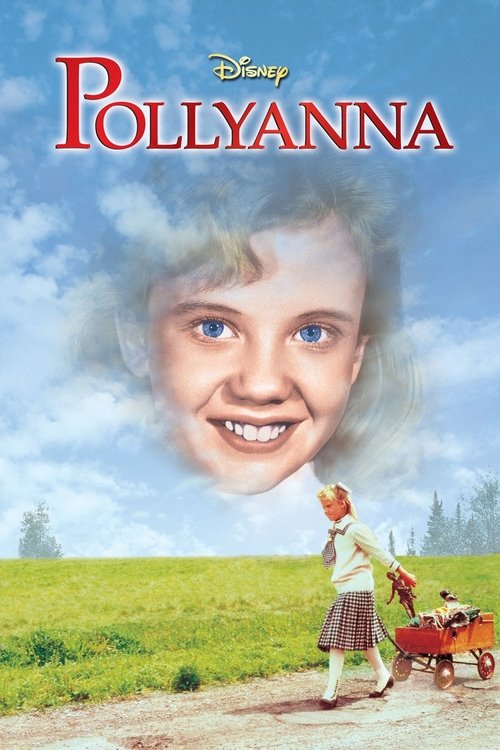
Pollyanna1960
Disney's adaptation of another orphan-girl-transforms-bitter-adults story, with better cinematography and Hayley Mills at her most winning. It commits fully to the premise without winking.
But The relentless optimism may feel exhausting rather than touching. Some find the film saccharine in ways that undermine its own sincerity.
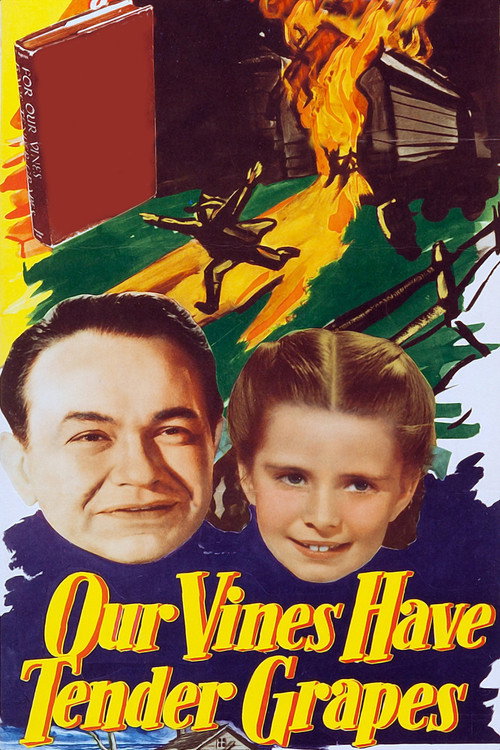
Our Vines Have Tender Grapes1945
A small rural community in Wisconsin told through multiple family perspectives, with Edward G. Robinson as a stern farmer undone by his daughter's innocence. Intimate and beautifully shot, less famous than it should be.
But There's almost no plot in the conventional sense—it's a series of moments. If you want narrative momentum, you'll find it slack.
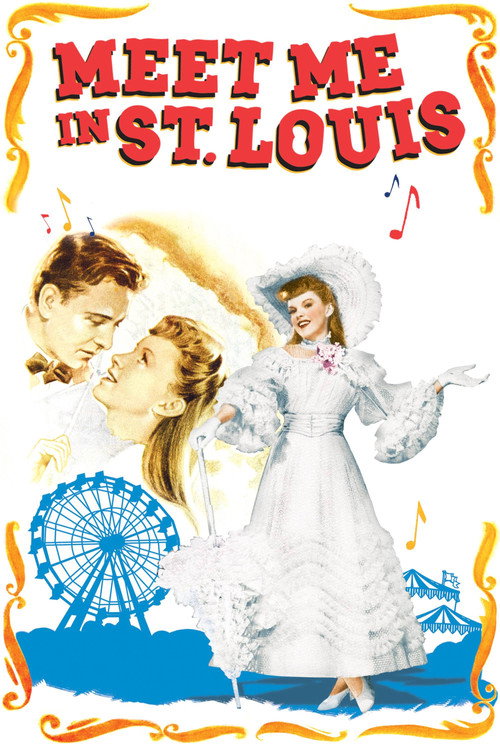
Meet Me in St. Louis1944
Judy Garland in a loose, character-driven family story set in 1903. It captures the warmth and intimacy Heidi achieves, but with sophisticated filmmaking and a darker undercurrent about change and loss.
But It's a musical, and not all the songs land. The pacing stops for production numbers that some will find indulgent.
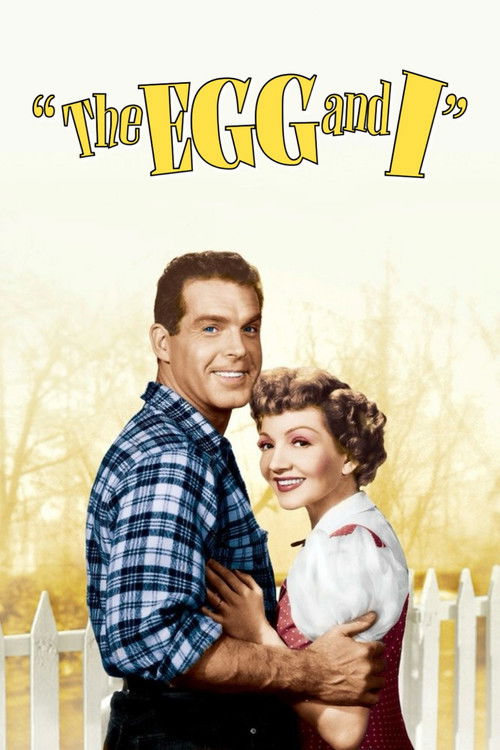
The Egg and I1947
Claudette Colbert and Fred MacMurray navigate marriage and farming in the Pacific Northwest with humor and heart. It's lighter than Heidi but shares the belief that love can bridge almost any distance.
But The comedy is dated and sometimes works harder than it should. The film's view of marriage and domesticity will feel retrograde to many viewers.
Pather Panchali1955
Like Heidi, it trusts that the presence of a pure-hearted child and elder can be spiritually transformative. But Ray finds that transformation in acceptance and impermanence rather than happiness—a philosophical opposite that makes both films necessary.
Satyajit Ray's Indian masterpiece about a family in rural Bengal features a grandmother and child whose quiet presence sustains everyone through poverty and loss. The photography is luminous, the performances are miraculous, and the feeling is devastatingly real.
But It's a 1955 Bengali film with subtitles, shot in black and white with minimal plot. It moves at the pace of actual life, not Hollywood narrative. Patience is required.

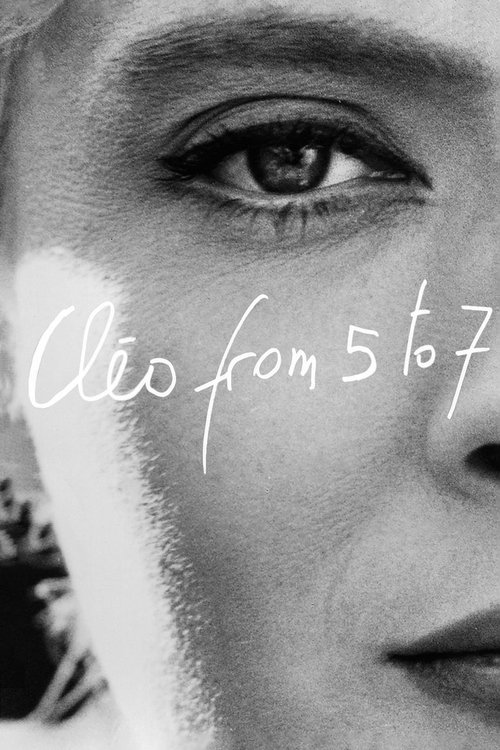
Cléo from 5 to 71962
Both films understand that the actual substance of a human life is the moment-to-moment presence you bring to others. Heidi is innocent belief; this is adult awareness. Same engine, sixty years and an ocean apart.
Agnès Varda's French New Wave film follows a young woman over 90 minutes in Paris, with minimal plot and extraordinary emotional intimacy. It's about presence, connection, and being seen—the same thing Heidi achieves but in a completely modern, philosophical register.
But It's deliberately slow and internal, mostly dialogue and observation. Nothing happens in any conventional sense. If you want character study over story, fine. Otherwise, feel restless.
People
Cast
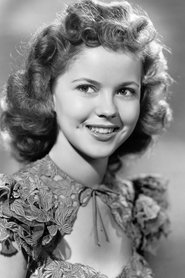 Shirley TempleHeïdi
 Jean HersholtAdolph Kramer
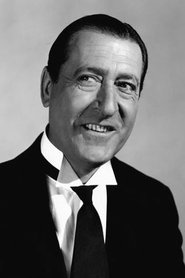 Arthur TreacherAndrews
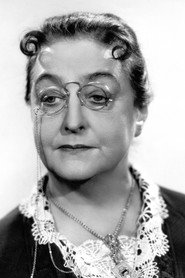 Helen WestleyBlind Anna
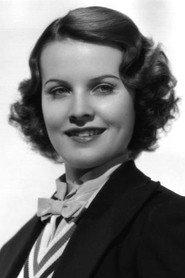 Pauline MooreElsa
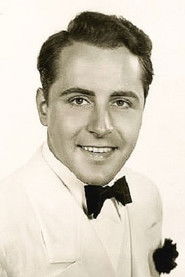 Thomas BeckPastor Schultz
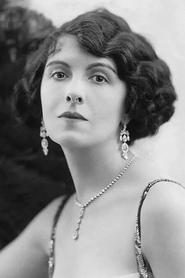 Mary NashFraulein Rottenmeier
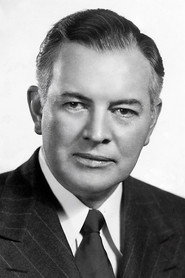 Sidney BlackmerSesemann
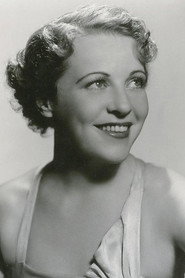 Mady ChristiansDete
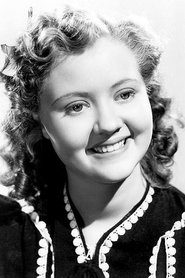 Marcia Mae JonesKlara Sesemann
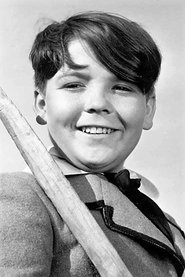 Delmar WatsonPeter
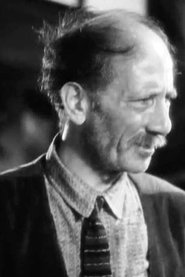 Egon BrecherInn Keeper
Directing
- Allan DwanDirector
Writing
- Johanna SpyriNovel
- Julien JosephsonScreenplay
- Walter FerrisScreenplay
- Walter FerrisWriter
Production
- Darryl F. ZanuckProducer
Recommended by
Pollyanna, Wee Willie Winkie, Curly Top, The Secret Garden, Rebecca of Sunnybrook Farm, Captain January, The Little Princess, The Little Colonel, Little Lord Fauntleroy, Little Lord Fauntleroy, Pollyanna, Third Man on the Mountain