
Film
Captain January
- Family drama
- Light-hearted
A 1936 vehicle for Shirley Temple that trades in sentiment and spectacle—she's a foundling raised by a lighthouse keeper, and the film hangs on whether she'll be torn away to boarding school. It's all sparkly dance numbers, twee comedy, and the kind of earnest melodrama that made Temple a superstar. Pure Golden Age charm, if you're in the mood.
Should you watch it?
Watch it if you enjoy old-fashioned sentimental comedies built around a warm, slightly mischievous child who wins over every grown-up in the room, with a gentle seaside setting to match.
Skip it if you want anything sharp or modern; this is a sweet, sugary 1930s family picture with broad humour and a plot that rarely surprises, so it can feel saccharine.
What it asks of you: It runs a brisk seventy-seven minutes, takes its time with its sentiment, and asks you to meet it halfway on old-style theatrical acting and gentle, episodic charm.
Not sure? Find tonight's pick in a minute.
If you liked this
Curly Top1935
Another Shirley Temple showcase, slightly earlier, with similar orphan-girl-wins-hearts plotting, better musical numbers, and a lighter touch on the sentiment. If you love this one, this is the natural next step.
But The plot is nearly identical—orphan, wealthy family, will-they-won't-they adoption. The charm wears thin if you're not already sold on Temple's particular appeal.

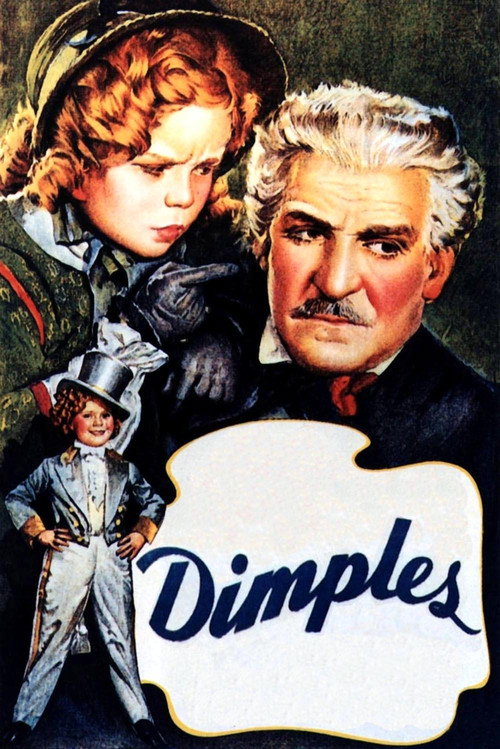
Dimples1936
Temple again, same year, same studio, same formula—but this one's got Frank Morgan and a vaudeville setting that gives it more colour and comic momentum. The backstage energy lifts what could be saccharine material.
But It's still essentially the same film. If you found Captain January manipulative, this won't persuade you otherwise.
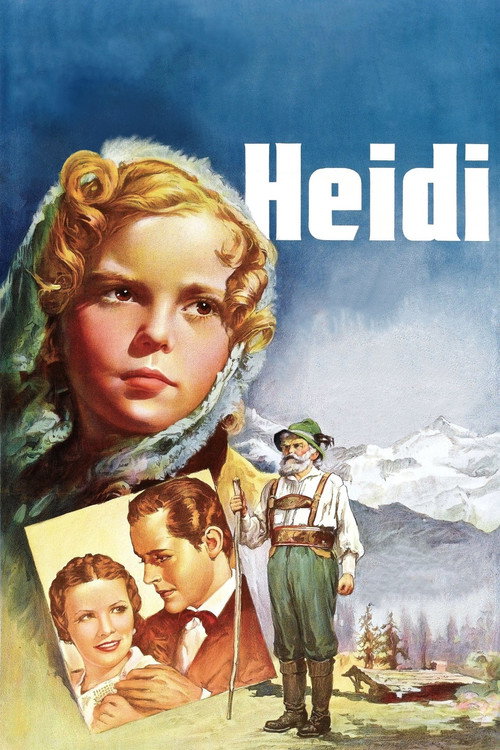
Heidi1937
Shirley Temple in the Alps, separated from her beloved grandfather by cruel relatives. More of the same emotional buttons, but the Alpine location and stronger supporting cast (Jean Hersholt, Mady Christians) give it genuine warmth alongside the manipulation.
But The tone is relentlessly sentimental, and the resolution comes exactly when and how you expect it. Not a film for cynics about child actors.
Not sure tonight? Get a pick in a minute, starting from Captain January
The wildcard
Something you would not have found on your own.
The Red Shoes1948
Same skeleton of plot (young performer, impossible choice, a man she loves on one side), but inverted emotional register—this one means it.
Powell and Pressburger's masterpiece about a young dancer torn between love and art—the same emotional architecture as Captain January (devotion to a surrogate father, the pull of the wider world, costume and spectacle), but transformed into something austere and mythic. Both are about girls dancing their way through impossible choices.
But This is a serious film for adults, in Technicolor, that ends in tragedy. If you're expecting Temple-style resolution and sentiment, the ending will devastate you rather than comfort you.

More like this (7)
Pennies from Heaven1936
A different child star vehicle from the same era—Penny Singleton, less famous than Temple but equally charismatic, also rescued by a good man (Edward G. Robinson), also dancing and singing her way into your heart. Same DNA, different flavour.
But Edward G. Robinson is wonderful, but this is still 1930s sentimentality applied to a child. The formula can feel suffocating if you're not in the right headspace.

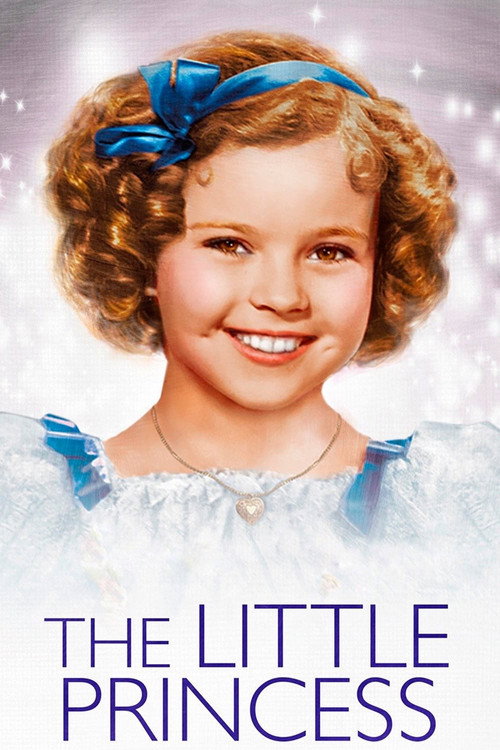
The Little Princess1939
Shirley Temple's follow-up to her peak years, in colour, playing a girl left in boarding school while her father fights in India. The technical polish is higher and the emotional stakes feel marginally realer, even if the plot is just as engineered.
But By 1939 the Temple formula was showing its age. The film senses it too, which sometimes creates an awkward tonal wobble between cynicism and sincerity.
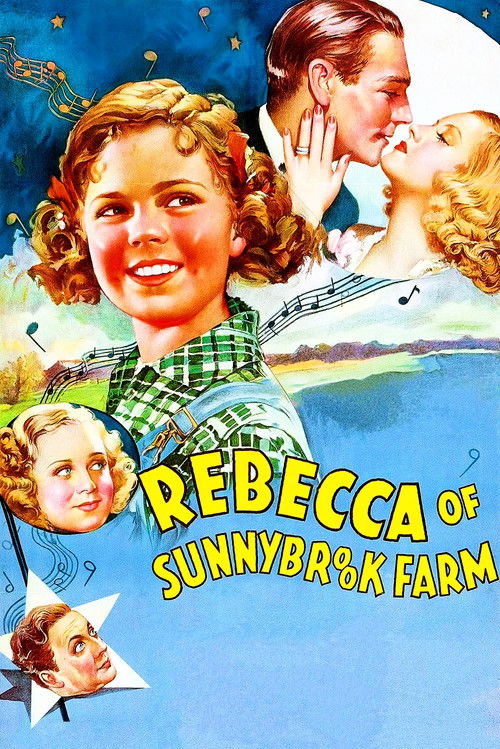
Rebecca of Sunnybrook Farm1938
Temple with Randolph Scott, playing an orphan in the care of an uncle in rural Connecticut. It's gentler than some of the others, with better comic support and a slightly less frantic pace. The radio subplot gives it an unexpectedly contemporary hook.
But The orphan-finds-home plot is so worn by this point that it takes real charm to carry it. The film has that charm, but you need to meet it halfway.
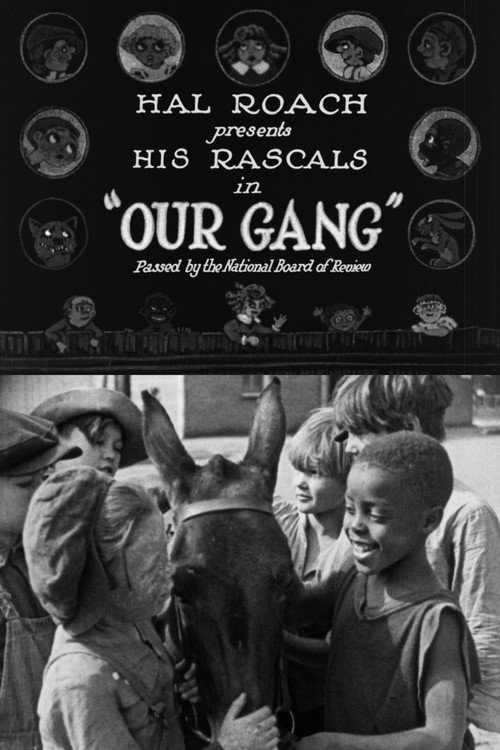
Our Gang1922
The ur-text of sentimental children's entertainment from the same era: short films of kids being kids, with no plot except mischief and heartfelt moments. Historically fascinating and genuinely funny if you can adjust to the pacing.
But They're shorts, not features, and the 1920s sensibility—particularly around race—will make you uncomfortable. Viewing required some historical charity.
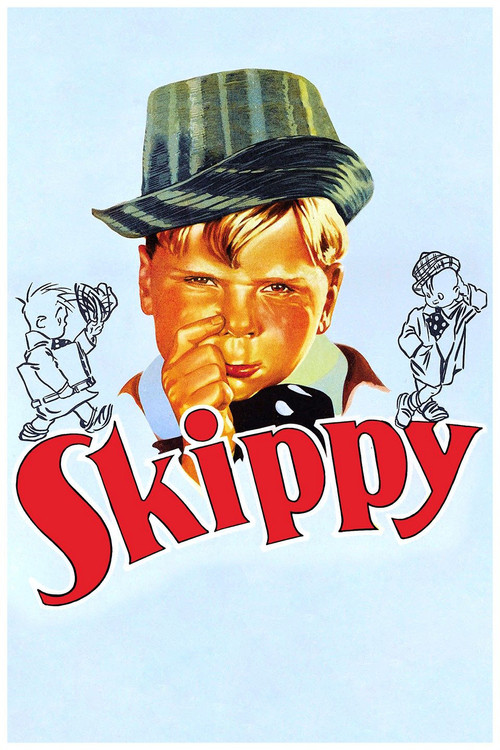
Skippy1931
Jackie Cooper as a boy caught between his idealistic father and a strict police commissioner. It's a boy's version of Temple's formula, with more actual emotional weight and better comic timing. Jackie Cooper was a genuinely fine actor.
But It's early sound film, which means the pace is glacial and the dialogue recordings are sometimes hard to parse. The sentiment is laid on even thicker than in Temple vehicles.
A Little Chaos2015
A story about a woman loved by a good man who would give her everything, and whether she can accept it without losing herself. Captain January asks this through a child's lens; this asks it as an adult.
A gardener (Kate Winslet) at Versailles under Louis XIV, poor, talented, caught between duty and desire. It trades the lighthouse for landscape design and relocates the sentiment to adult stakes, but the emotional core is identical—can merit and goodness overcome circumstance? The Sturm und Drang is gentler than you'd expect, almost cosy.
But It's small and unfashionable, a period romance that doesn't feel like a prestige picture. Some will find it slight; others will find it exactly right.

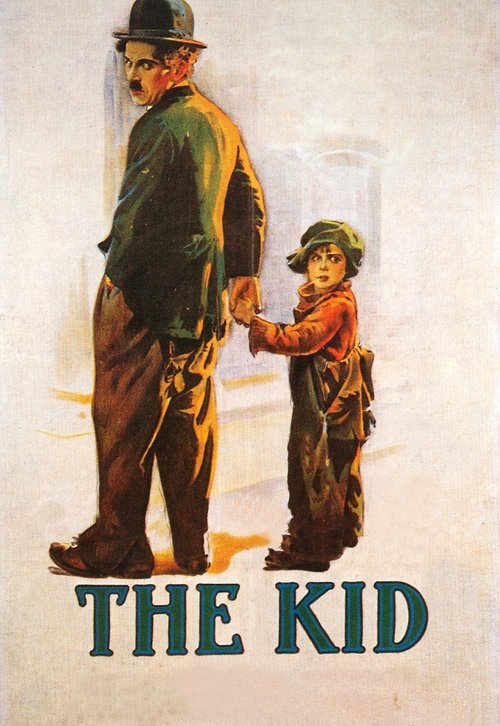
The Kid1921
The same story (foundling, guardian, the state wants to separate them) told without dialogue, without dancing, without studio gloss. Pure emotion and comedy instead.
Chaplin as the Tramp finding a baby on the street and raising him in poverty—the emotional bedrock of Captain January (surrogate family, devotion tested by the law), but played as silent comedy with real pathos underneath. It moves faster than Temple's film and hits harder because it trusts you to feel without being told.
But It's silent, it's 1921, and the sentiment is genuine rather than engineered—which can feel jarring if you're used to the theatrical machinery of 1930s sound film. Also genuinely sad in ways Captain January avoids.
People
Cast
 Shirley TempleStar
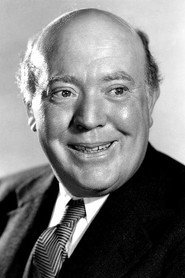 Guy KibbeeCaptain January
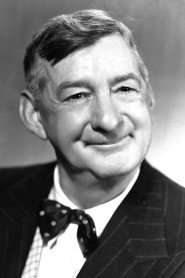 Slim SummervilleCaptain Nazro
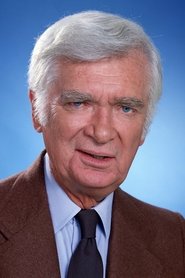 Buddy EbsenPaul Roberts
 Sara HadenAgatha Morgan
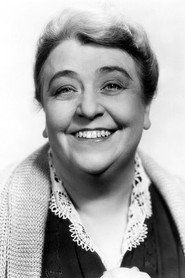 Jane DarwellEliza Croft
 June LangMary Marshall
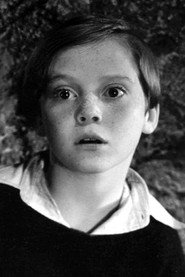 Jerry TuckerCyril Morgan
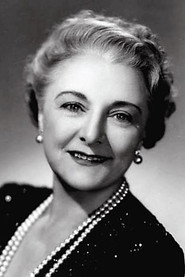 Nella WalkerMrs. Mason
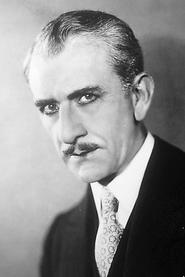 George IrvingJohn Mason
 Jim FarleyDeputy Sheriff
 Si JenksOld Sailor
Directing
- David ButlerDirector
Writing
- Gladys LehmanScreenplay
- Harry TugendScreenplay
- Sam HellmanScreenplay
- Laura E. RichardsStory
Recommended by
Young Tom Edison, Wee Willie Winkie, Rebecca of Sunnybrook Farm, The Littlest Rebel, Poor Little Rich Girl, The Little Colonel, Just Around the Corner