
Film
Our Gang
- Slapstick
- Light-hearted
Our Gang is a 1922 silent comedy short where a resourceful group of neighborhood kids schemes to help a widow's struggling store compete with a dishonest newcomer. It's charming and anarchically funny, with genuine physical comedy and warmth beneath the mischief. Perfect for anyone curious about early cinema's vernacular humor or how to build character and stakes in twenty minutes.
If you liked this
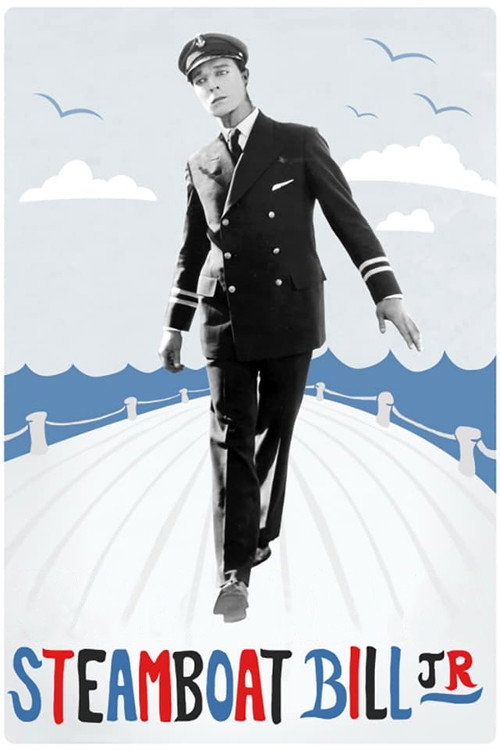
Steamboat Bill, Jr.1928
Buster Keaton's masterpiece of silent physical comedy, where a timid riverboat captain's son proves himself through escalating disaster. The charm and ingenuity rival anything in contemporary cinema.
But Silent films require patience with their pacing and acceptance of their visual grammar. The emotional beats land differently than modern comedy.
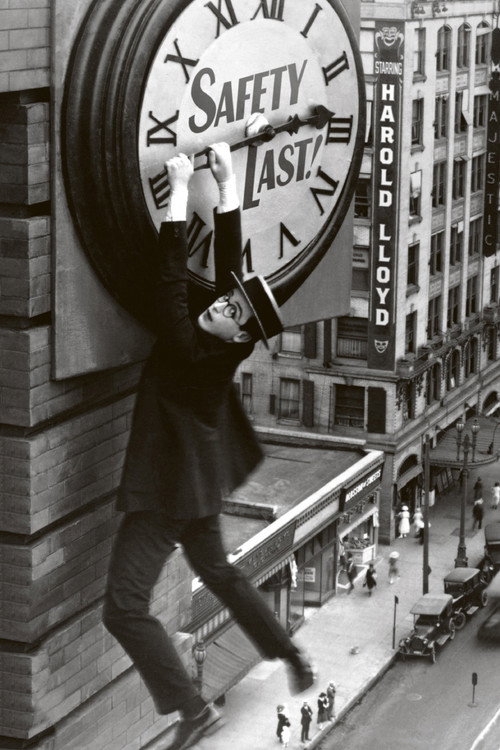
Safety Last!1923
Harold Lloyd hanging from an actual clock on a skyscraper remains genuinely thrilling and hilarious. It's urgency and humor without a single word, proving comedy is pure structure.
But The humor is often broad and the romance subplot feels thin by modern standards. The stunt spectacle can overshadow character.
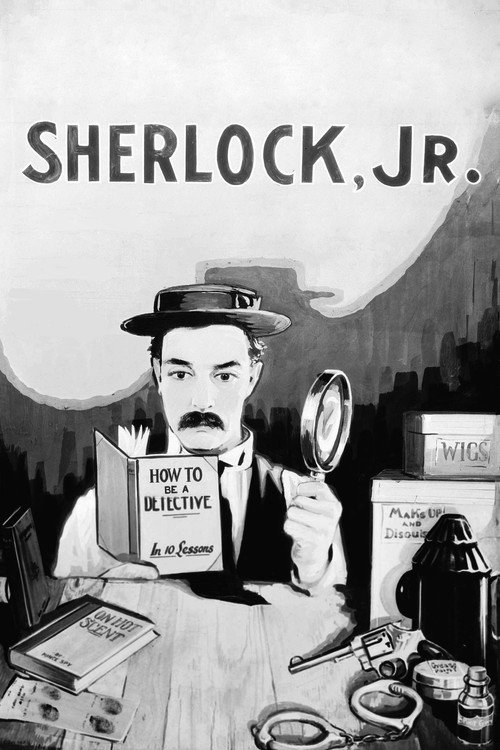
Sherlock Jr.1924
Buster Keaton plays a projectionist who falls into the film he's showing. It's surreal, inventive, and moves at a clip that puts modern editing to shame. A technical marvel that's also genuinely funny.
But The plot is slight and sometimes nonsensical. If you need narrative coherence, the dream logic may frustrate rather than delight.
Not sure tonight? Get a pick in a minute, starting from Our Gang
The wildcard
Something you would not have found on your own.
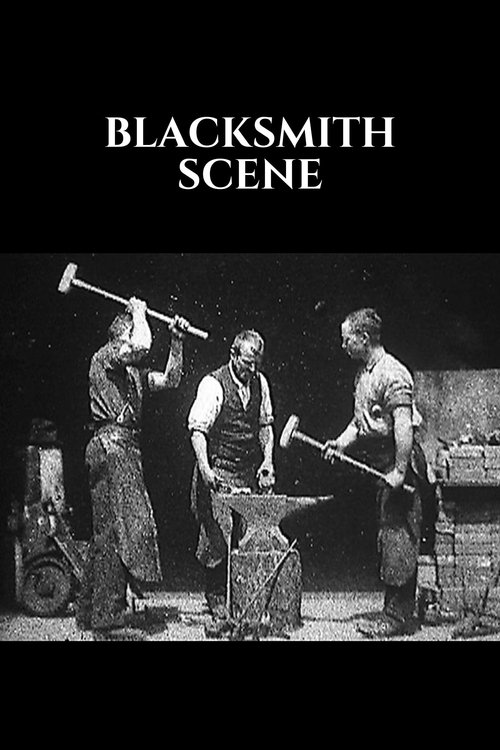
Blacksmith Scene1893
Both understand that comedy lives in physical behavior and the collision of will with obstacle, before plot or dialogue arrives. Two films three decades apart showing the same fundamental truth.
Edison's Kinetoscope short from cinema's infancy—two men in a blacksmith's shop improvise physical comedy with props and genuine danger. It's the genetic code of what Our Gang does with story: pure physicality, wordless invention, real stakes.
But It's 40 seconds long and shot on a stationary camera. Expecting narrative or character development will leave you cold. It's an artifact, not entertainment as we know it.
More like this (8)
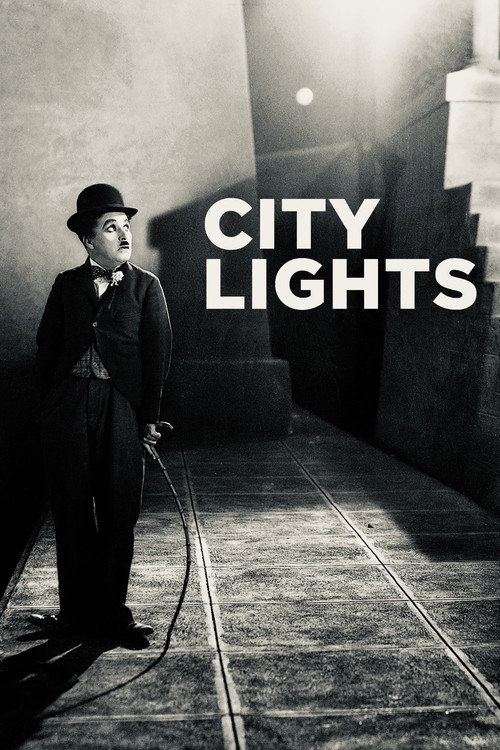
City Lights1931
Chaplin's Tramp is poor and lovesick in Depression-era silence. It's funny, tender, and unexpectedly moving. The final image haunts you. A total emotional and comic success.
But It's deeply sentimental and relies on your patience with Chaplin's pathos. The pacing is deliberate in ways modern audiences often find slow.
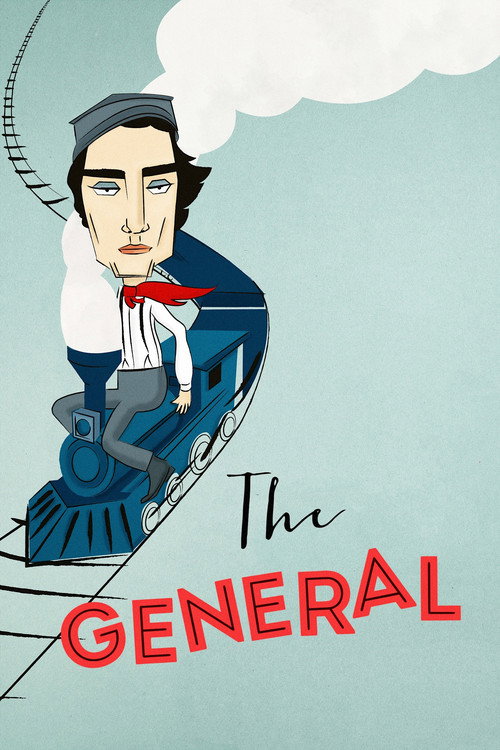
The General1926
Buster Keaton hijacks a train during the Civil War with zero dialogue and maximum chaos. The scale, the stunts, the stone-faced deadpan—it's one of cinema's pure achievements.
But The comedy is often dry and architectural rather than laugh-out-loud funny. The historical setting may feel remote to some viewers.
Nosferatu1922
The same year as Our Gang, this German Expressionist vampire film created modern horror's visual vocabulary. Eerie, hypnotic, and shockingly effective without dialogue or effects.
But The pacing is glacial and the story predictable if you know any vampire fiction. The atmosphere is slow-burn rather than visceral.

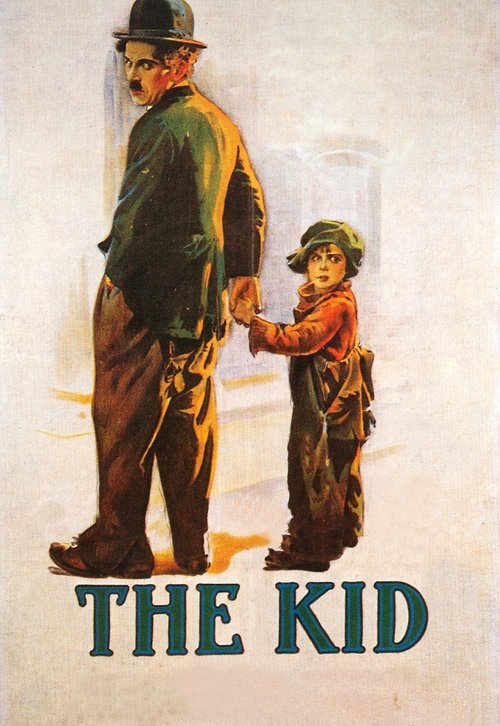
The Kid1921
Chaplin's Tramp finds an orphan and they become partners in petty crime and genuine tenderness. It's funny, heartbreaking, and proves comedy and pathos are the same muscle.
But Chaplin's sentimentality will feel cloying if you're skeptical of his persona. Some scenes drag, and the orphanage plot turns melodramatic.
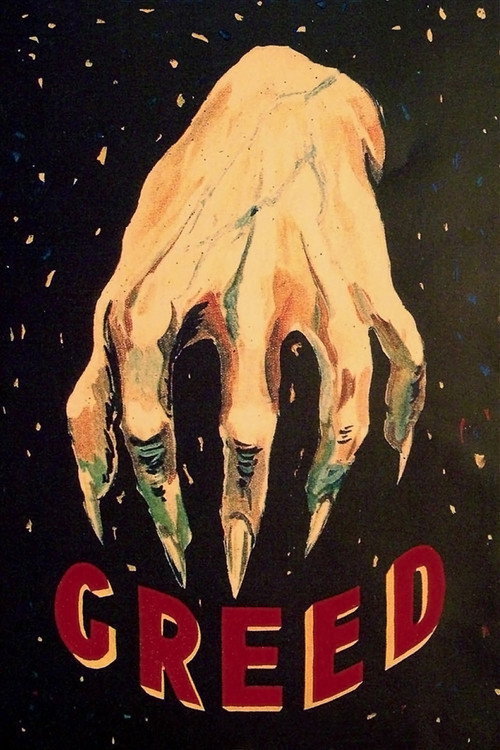
Greed1924
Erich von Stroheim's epic silent drama about how money poisons love and marriage. It's visually stunning, morally complex, and feels urgent despite its silent format.
But It's a heavy, unsentimental look at human degradation. The film is extremely long and the ending is bleak. Not a night out; a reckoning.
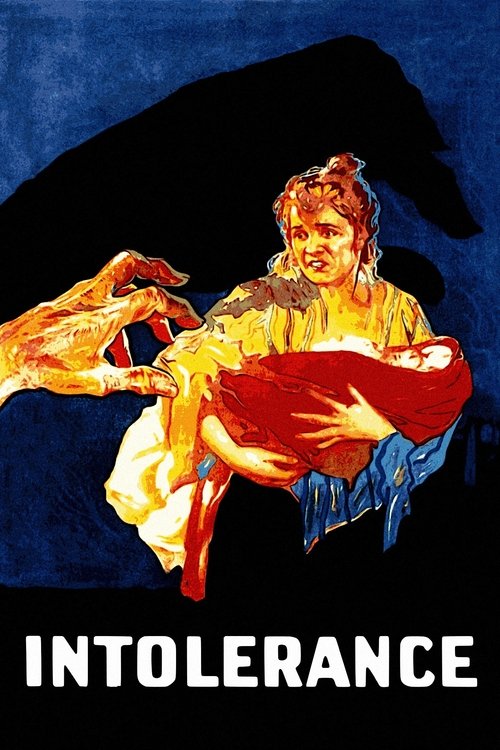
Intolerance: Love's Struggle Throughout the Ages1916
D.W. Griffith's monumental attempt to connect four stories across history and show how intolerance repeats. Visually audacious and narratively ambitious. See how cinema first tried to think big.
But The scope can feel bloated and the parallel cutting exhausting. The film is long, dense, and requires active attention. Some performances feel overwrought by modern standards.
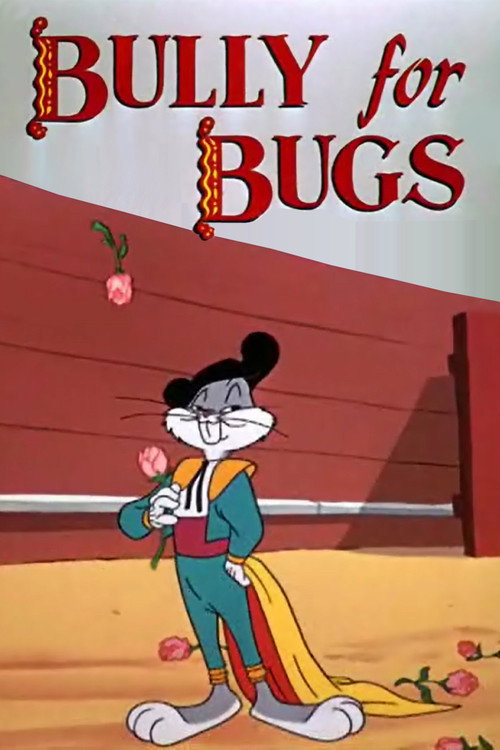
Bully for Bugs1953
Both make comedy from resourceful underdogs using their wits and the environment against authority or unfair advantage. Both trust the audience to laugh at pure kinetic chaos without moral framework.
Tex Avery's masterpiece of cartoon slapstick: Bugs Bunny demolishes a bullfighter in Spain. The pacing, the takes, the anarchic destruction—it's what Our Gang's spirit becomes in animation: pure exuberance.
But It's seven minutes of escalating violence and property destruction played for laughs. If you find slapstick tedious or cruelty unfunny, there's nothing here for you.
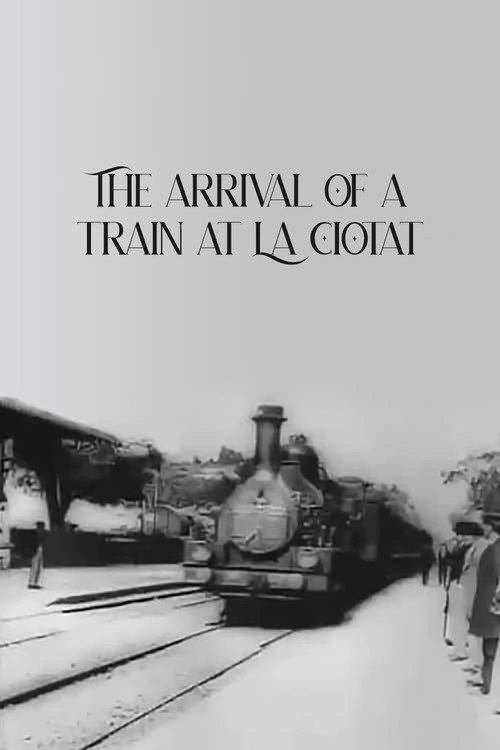
The Arrival of a Train at La Ciotat1896
Our Gang is the moment silent cinema learned to *make stories* from ordinary life and ordinary people. L'Arrivée shows cinema's innocent eye before narrative took over. Together they bracket the medium's birth.
The Lumière brothers filmed a train arriving at a station. That's it. But watch how the crowd moves, how the camera observes real life unfolding—it's the birth of cinema documenting the everyday. A perfect counterpoint to Our Gang's narrative scheming.
But There is no story, no performance, no joke. It's 50 seconds of a train. If you need plot or character, this is an endurance test masquerading as cinema history.
People
Cast
 Anna Mae BilsonMary Jane
 Jackie CondonJackie
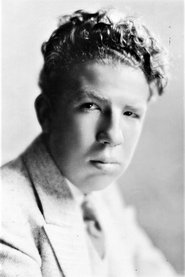 Mickey DanielsMickey
- John HattonRich Boy
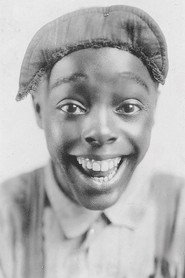 Sunshine Sammy MorrisonSunshine Sammy
Recommended by
Captain January, Penrod, The Abbott and Costello Show, Peck's Bad Boy