
Film
Steamboat Bill, Jr.
One of Buster Keaton's boldest late-silent comedies, built around a soft college boy trying to earn his gruff riverboat-captain father's respect — and one of cinema's most astonishing practical-effects sequences, a cyclone that flattens an entire town around him. It's fast, sweet, occasionally aching with sincerity, and never stops moving. Perfect for anyone who wants proof that stunts don't need CGI to leave you speechless.
If you liked this
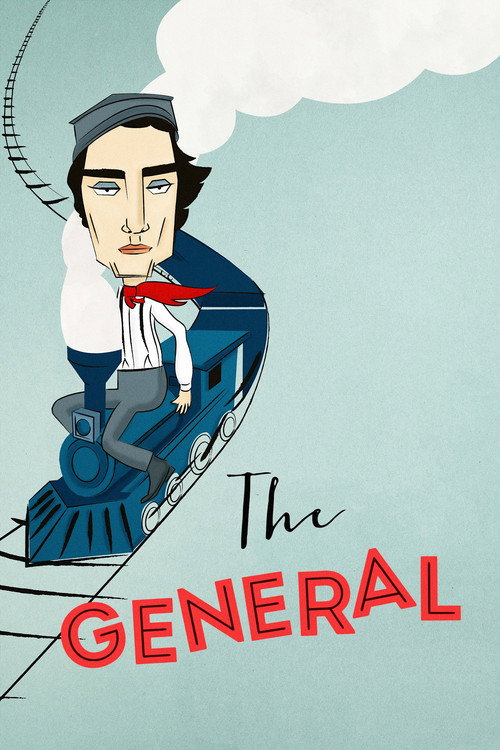
The General1926
Keaton's masterpiece, an actual train chase through Civil War-era countryside where every gag is a genuine, uninsured stunt. If you loved the cyclone in Steamboat Bill, this is his most sustained display of nerve and precision.
But Slower build than Steamboat Bill's finale, and its Confederate-soldier hero framing has aged in ways some viewers find uncomfortable.
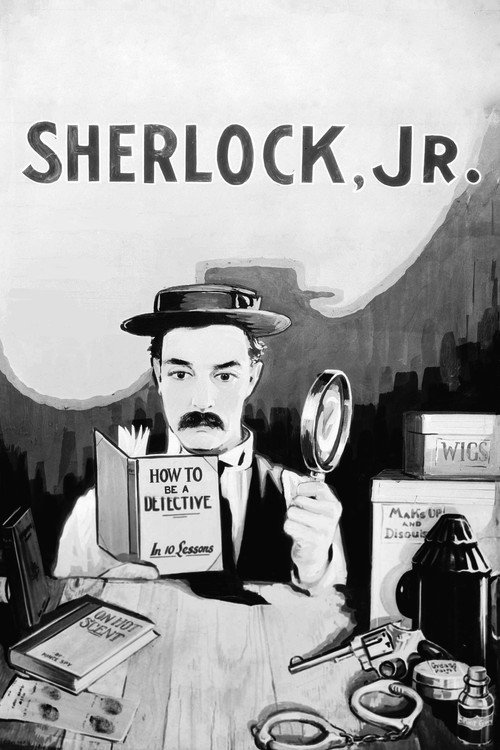
Sherlock Jr.1924
Keaton at his most surreal — a projectionist literally climbs into the film he's watching. Dreamier and stranger than Steamboat Bill, with stunt work just as death-defying, all packed into a lean 45 minutes.
But Thin story, more a string of astonishing set-pieces than a real plot; some viewers want more narrative meat to chew on.
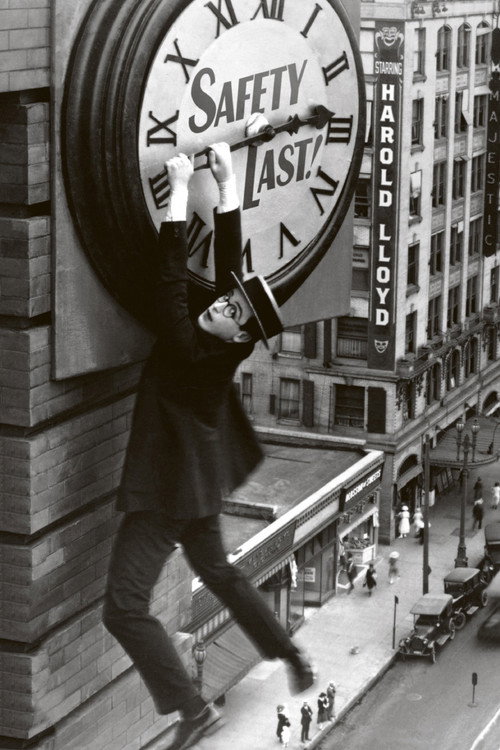
Safety Last!1923
Harold Lloyd dangling from a clock face is the other iconic image of silent-era derring-do. Same appetite for real physical risk and the same era, wrapped around a different comic persona.
But Lloyd's charm is gentler and less anarchic than Keaton's; the pacing outside the famous climb sags noticeably.
The wildcard
Something you would not have found on your own.
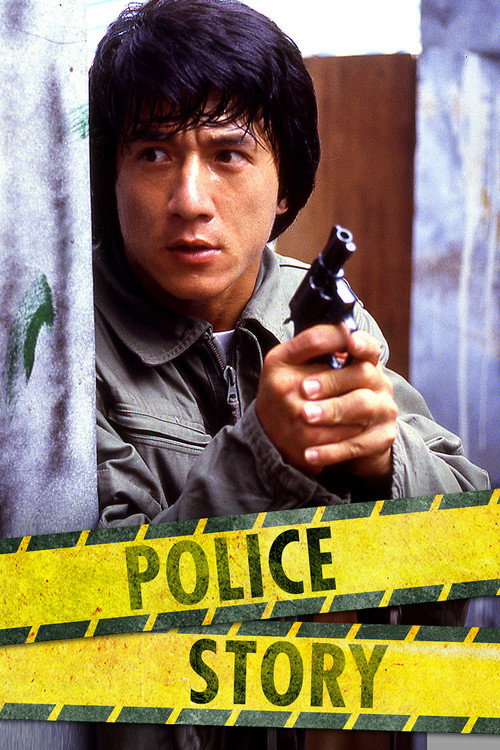
Police Story1985
Chan has openly named Keaton as his model: real stunts, real danger, comedy and peril in the same unbroken shot, exactly like the cyclone sequence here — just moved into 1980s Hong Kong action cinema.
Jackie Chan built his entire career studying Keaton's stunt comedy, and this is the film where it clicks into place — a man sliding down a pole through exploding glass, laughing through real pain.
But It's an action film first, with a plot about corrupt cops and drug lords; the slapstick DNA is wrapped in a far more violent package.
More like this (8)
The Kid Brother1927no page yet
Nearly the same premise — a slight, mocked son trying to prove himself to an imposing father — told through Lloyd's sunnier, more romantic lens. Ideal if the father-son thread was the real hook.
But No set-piece as famous as the clock or the cyclone; a cosier, lower-stakes film overall than Steamboat Bill.
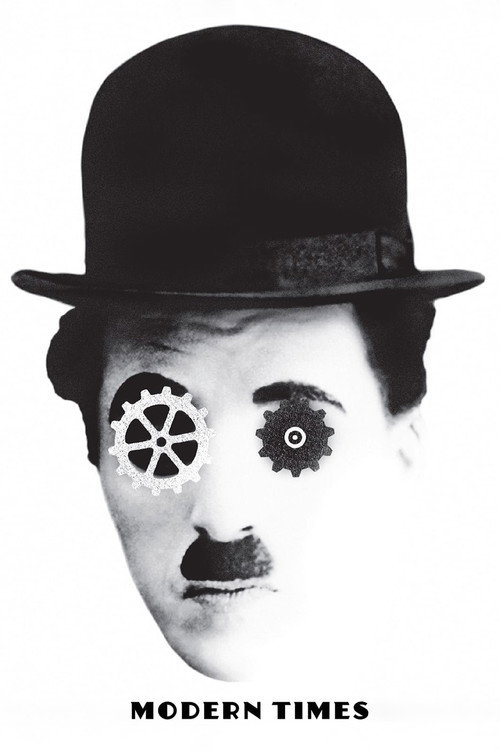
Modern Times1936
Chaplin's factory-line satire has the same clockwork-precise gag construction and the same tenderness underneath the slapstick, arriving a decade later with a sharper political edge.
But More episodic, and its social commentary lands heavier-handed than Keaton's lighter, gentler comic touch.
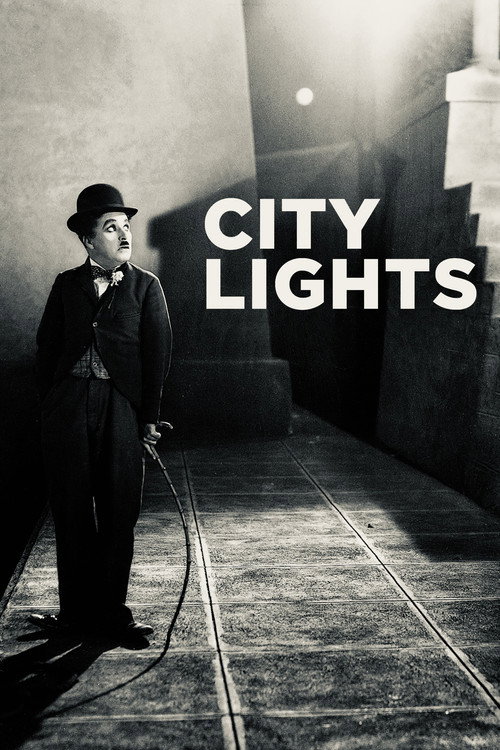
City Lights1931
If it was the romance in Steamboat Bill that got you, this is Chaplin's most heartfelt love story, laced with effortless-looking physical comedy and a genuinely moving final scene.
But More sentimental than Keaton ever allows himself; the pacing is gentler, less built around outright stunt spectacle.
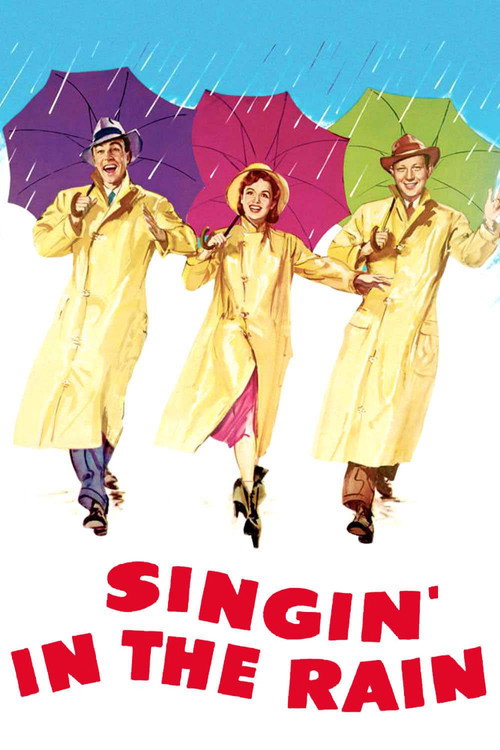
Singin' in the Rain1952
Full colour, full sound, and full of the same joyful commitment to physical performance — Gene Kelly and Donald O'Connor throwing themselves around sets the way Keaton once threw himself off boats.
But A musical through and through; if you came purely for silent-era daring, the songs might feel like a detour.
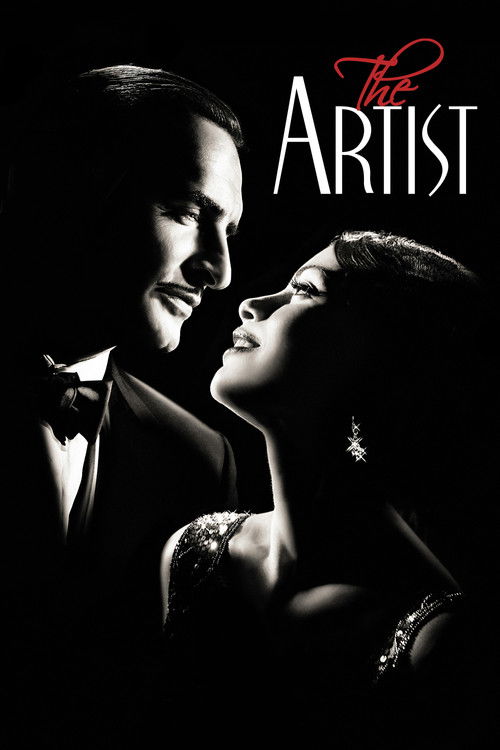
The Artist2011
A modern, Oscar-winning film shot silent and black-and-white, made explicitly as a love letter to this era — a good way to see how far Keaton's tricks still reach.
But Knowing pastiche rather than the real thing; some find it too polished, missing the genuine risk of the originals.
What's Up, Doc?1972no page yet
Peter Bogdanovich's screwball chase comedy is a direct, joyous homage to silent-era slapstick, right down to a city-wide pursuit that borrows its rhythm from films like this one.
But Firmly a talkie with rapid-fire dialogue comedy layered over the gags; a different engine, driven by wit rather than pure visual peril.
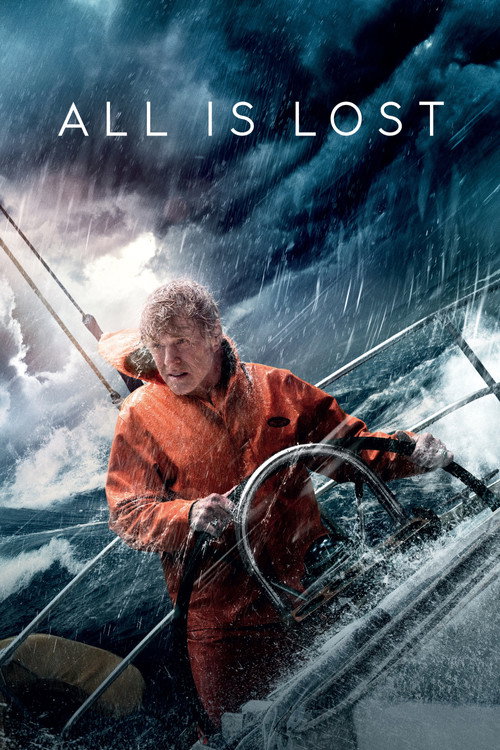
All Is Lost2013
Same structural engine — man versus elemental disaster, told almost entirely through physical action rather than words — played dead straight instead of for laughs.
Strip Steamboat Bill's cyclone of every joke and this is what's left — one man, almost no dialogue, entirely at the mercy of a storm that could kill him. Redford alone is riveting.
But There is no comic relief anywhere; if you need the laughs that make the danger bearable, this will feel bleak and punishing.
The Great Buster: A Celebration2018no page yet
Shifts medium entirely, from silent comedy to documentary, to show exactly how much of what looks like a joke in Keaton's films was genuine, uninsured physical risk.
Once you learn Keaton broke his neck during a stunt and didn't notice for years, every gag in Steamboat Bill lands differently. This is the best available account of the man behind the deadpan.
But A talking-heads clip-and-interview documentary, not a story in itself; more rewarding as a companion piece than as standalone entertainment.
People
Cast
 Buster KeatonSteamboat Bill Jr.
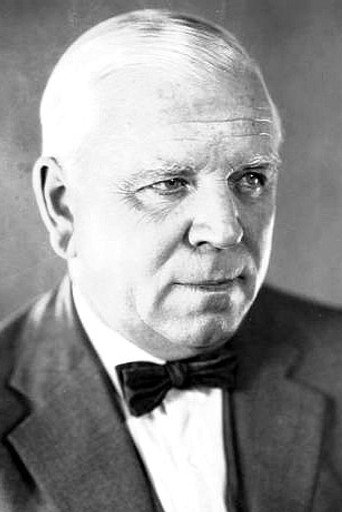 Tom McGuireJohn King
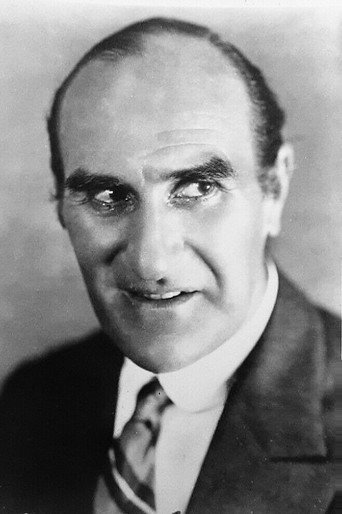 Ernest TorrenceSteamboat Bill Sr.
- Tom LewisTom Carter
 Marion ByronKitty King
- James T. MackMinister (uncredited)
- Ford WestBarber (uncredited)
Directing
- Sandy RothAssistant Director
- Buster KeatonDirector
- Charles ReisnerDirector
- Louise KeatonScript Supervisor
Writing
- Carl HarbaughScenario Writer
- Buster KeatonScreenplay
- Carl HarbaughStory
Production
- Joseph M. SchenckExecutive Producer
- Harry BrandProduction Supervisor
Recommended by
Safety Last!, The General, Sherlock Jr., The Gold Rush, Police Story, Drunken Master, Police Story 3: Super Cop