
Film
Million Dollar Legs
- Comedy
- Light-hearted
A tiny bankrupt nation sends its athletes to the 1932 Los Angeles Olympics in a last-ditch money grab. W.C. Fields presides over anarchic slapstick, bent-logic sight gags, and nonsense that moves at breakneck speed. It's pure vaudeville cinema—madcap, weird, utterly unconcerned with plot logic. For anyone who loves comedy before it learned to be subtle.
If you liked this
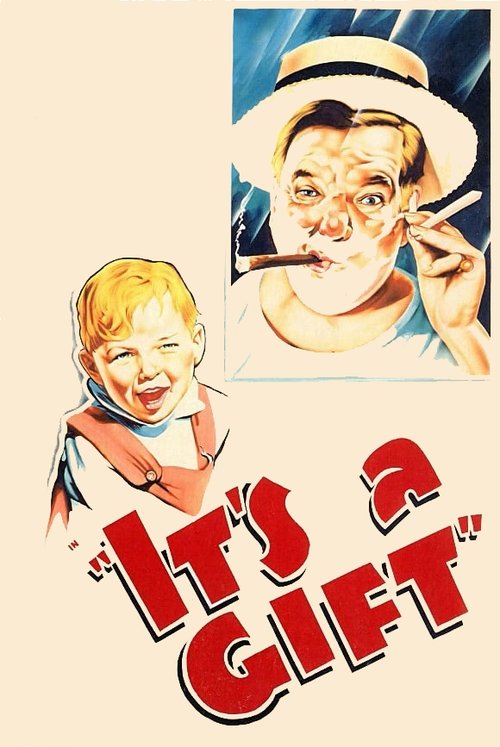
It's a Gift1934
W.C. Fields at his peak, weaponizing irritation and booze into high art. A suburban family holiday becomes an assault course of petty grievances and magnificent misanthropy. Fields makes cruelty look hilarious.
But No plot to speak of. If you need a story to hang onto, this is just Fields being difficult for sixty-eight minutes. His character work won't land if you're not already fond of him.
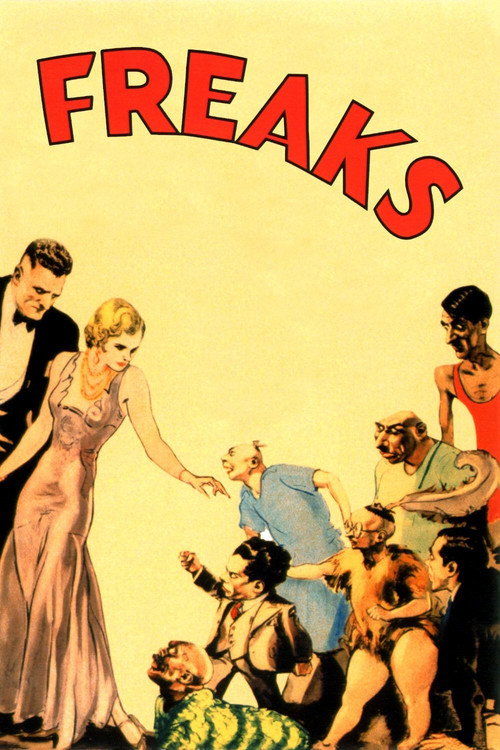
Freaks1932
Made the same year, equally transgressive. Todd Browning's carnival grotesquerie pushes every boundary—no sentimentality, no apology, pure weirdness. A genuine oddity that doesn't condescend to its subjects.
But The real-life disability and deformity on screen will challenge you. Some find it exploitative. It's also genuinely unsettling in ways comedies aren't supposed to be.
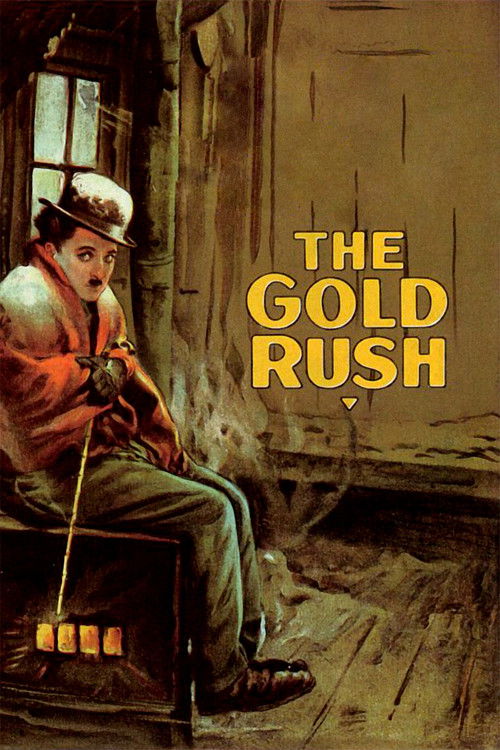
The Gold Rush1925
Chaplin's gold-rush opus shows silent comedy at maximum ambition: crushing pathos braided with slapstick, all propelled by a tramp's dignity. Sets the template for everything that came after, done better than anyone else managed.
But The pacing is glacial by modern standards, and the sentiment—especially late-film—may feel maudlin. Some scenes linger when you want movement.
Not sure tonight? Get a pick in a minute, starting from Million Dollar Legs
The wildcard
Something you would not have found on your own.
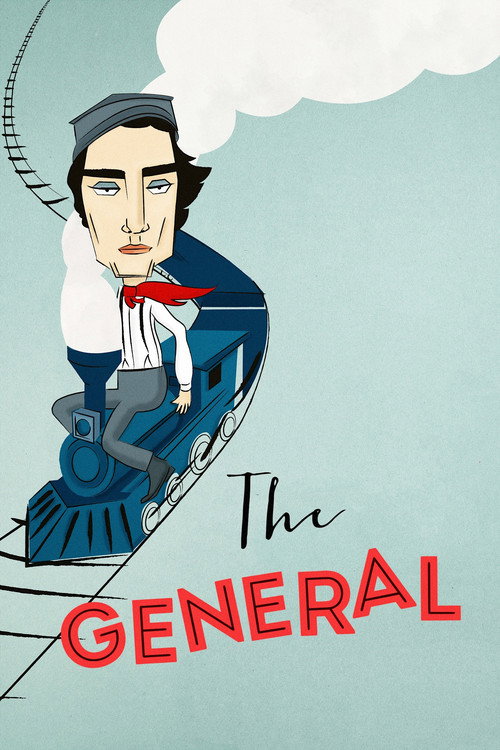
The General1926
Million Dollar Legs traffics in the same brand of anarchic ensemble comedy, but where Keaton builds emotional weight into visual perfection, Fields uses chaos and misanthropy as the whole point. Both collapse linear narrative into gag sequences. Both trust pure silliness as a legitimate philosophy.
Keaton steals a train. That's the entire plot. What follows is a ninety-minute argument with physics, logic, and mass—sight gags as engineering problems solved with his body. It's funny and intellectually beautiful at once. Might be the greatest American comedy ever made.
But The Civil War setting carries some Lost Cause mythology that's uncomfortable. Also, it's nearly a century old and makes no concessions to speed. Your patience gets tested.
More like this (8)
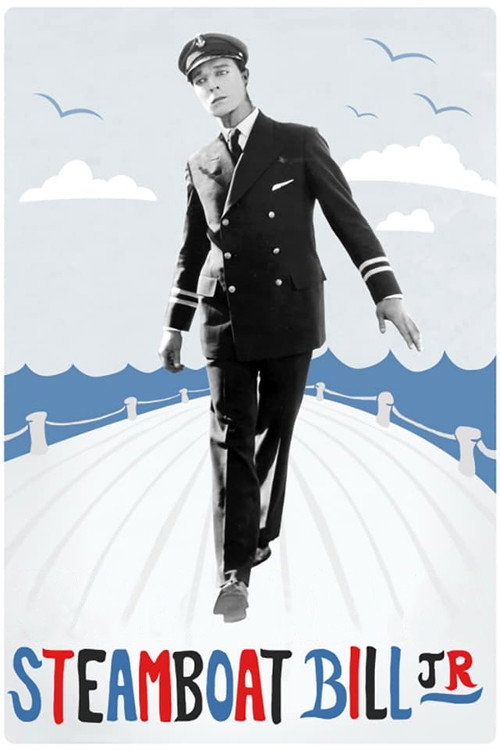
Steamboat Bill, Jr.1928
Keaton's love letter to physical comedy. A steamboat disaster becomes an excuse for impossible sight gags and genuine stunt work that makes you hold your breath. Economy of image—every frame does work.
But The emotional core is thin. If you watch for story, you'll find very little. The racism in some background gags is also hard to ignore, even in historical context.
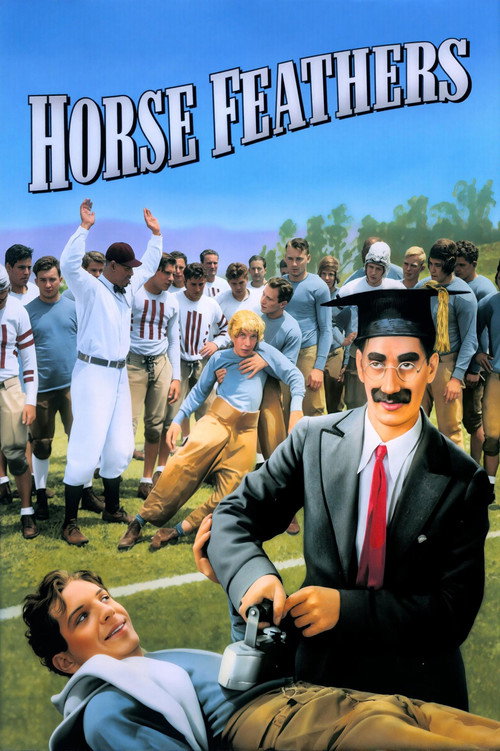
Horse Feathers1932
Marx Brothers at maximum chaos. A college football romp that abandons plot every thirty seconds to detour into vaudeville bits, wordplay, and anarchic set pieces. Pure, unfiltered nonsense energy.
But The humor is built on rapid-fire insult comedy and dated references. If you're not already attuned to their rhythm, it plays as chaotic noise rather than comedy.
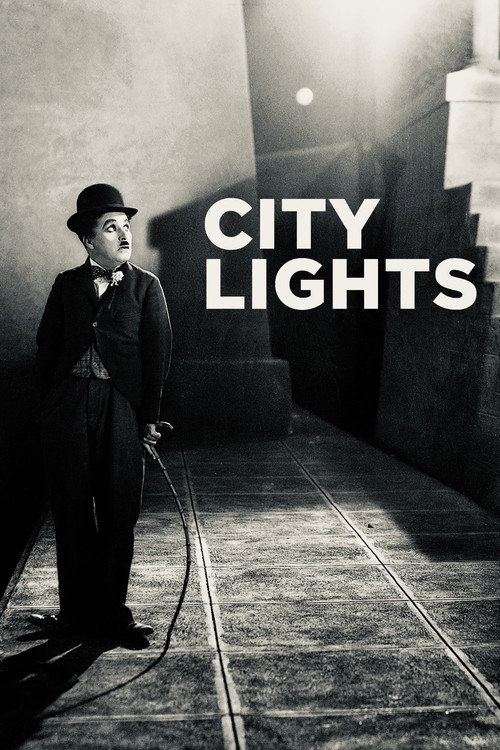
City Lights1931
Chaplin's tramp falls in love with a blind flower-seller. The tonal control is astonishing—romance, pathos, and slapstick coexist without canceling each other out. The final scene is devastating.
But The sentimentality may feel heavy-handed if you're watching for laughs. It's sincere in a way that requires openness to melodrama.
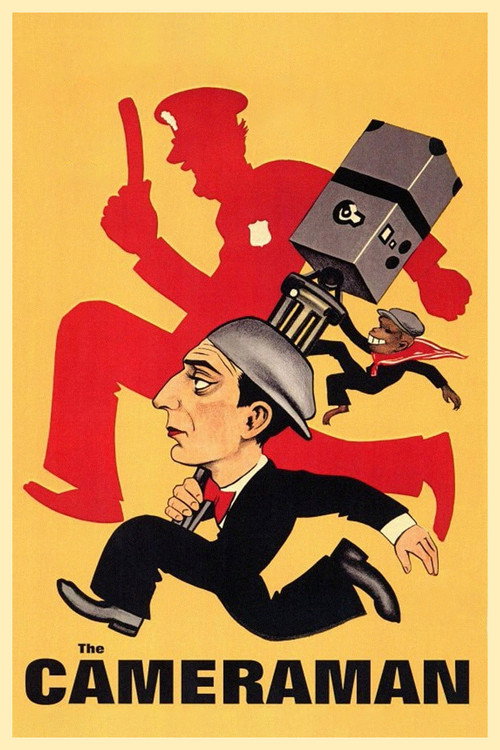
The Cameraman1928
Keaton as an aspiring cameraman chasing a news story. The set pieces are ingenious, the character work is tender, and the final sequence is balletic. A quieter masterpiece than his bigger films.
But Very little dialogue, and the emotional beats are subtle. If you prefer broad comedy, the restraint may feel slow. Some gags rely on period-specific knowledge.
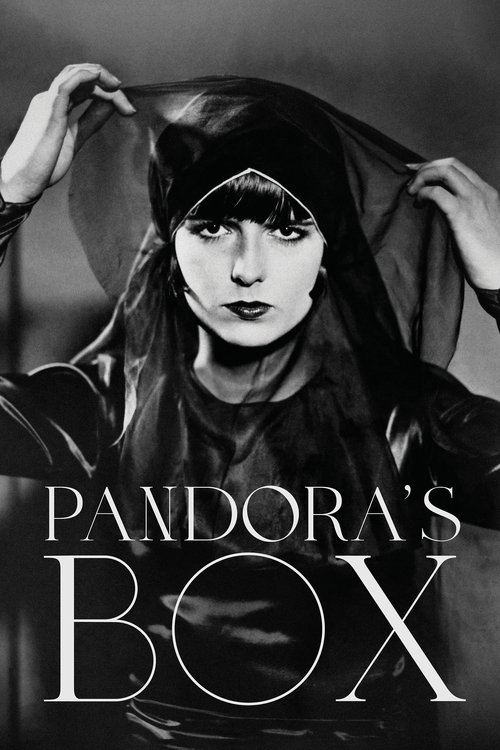
Pandora's Box1929
Pabst's German Expressionist masterpiece about Lulu, the woman who destroys everyone who desires her. Louise Brooks is hypnotic. The visual language is stunning—shadows, geometry, faces. A whole mode of cinema in one film.
But It's a tragedy dressed in decadent glamour, not a comedy. The sexual violence and despair accumulate heavily. Very much of its era—the pacing won't feel modern to most viewers.
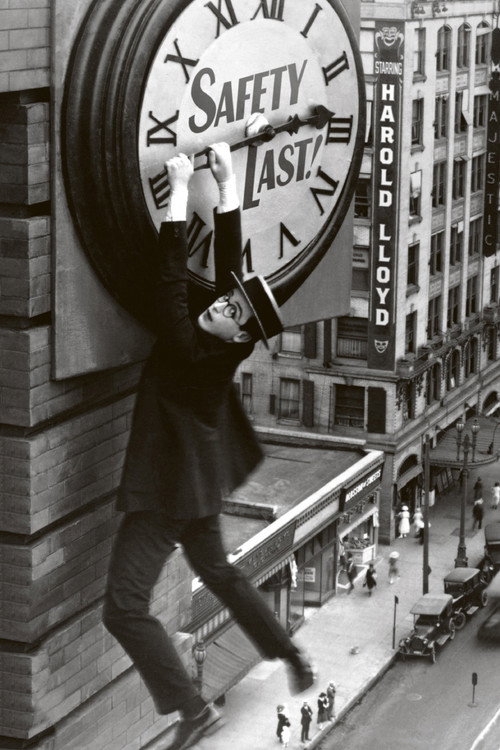
Safety Last!1923
Harold Lloyd scaling a skyscraper in real time, with genuine vertigo behind the gags. The stunts are actually dangerous. You will watch with your hand over your mouth. Comedy as daredeviltry.
But The emotional plot is slight and sentimental. Long stretches between the stunt sequences feel like filler if you're only here for the spectacle.
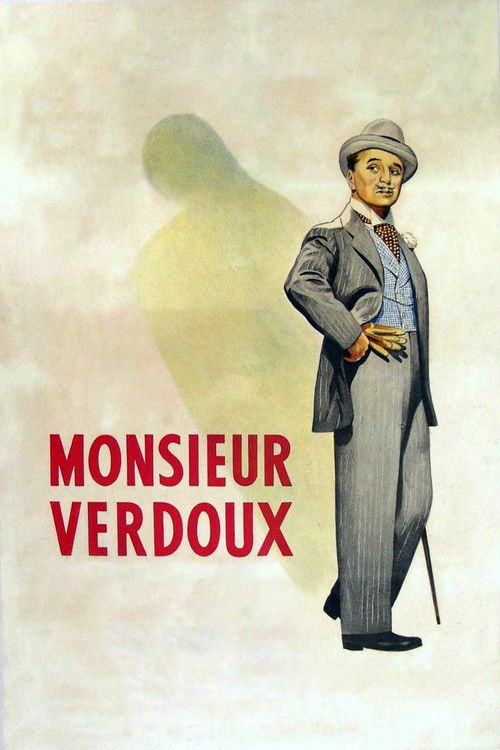
Monsieur Verdoux1947
Both Fields and Chaplin weaponized themselves as instruments of social dysfunction. Where Fields played the drunk curmudgeon, Chaplin here plays the gentleman sociopath. Both found comedy in the gap between performance and reality, between what society says you should want and what people actually do.
Chaplin plays a serial killer who murders women for money. It's dark, it's bleak, and it's a comedy—the kind where you laugh then feel terrible about laughing. A mirror held up to capitalism and human nature. No other film quite does this.
But It's a 1947 film about a charming murderer, shot in a style that's deeply unsexy. It's methodical, cold, and has virtually no action. The moral framework may feel didactic. Chaplin's monologues are long.
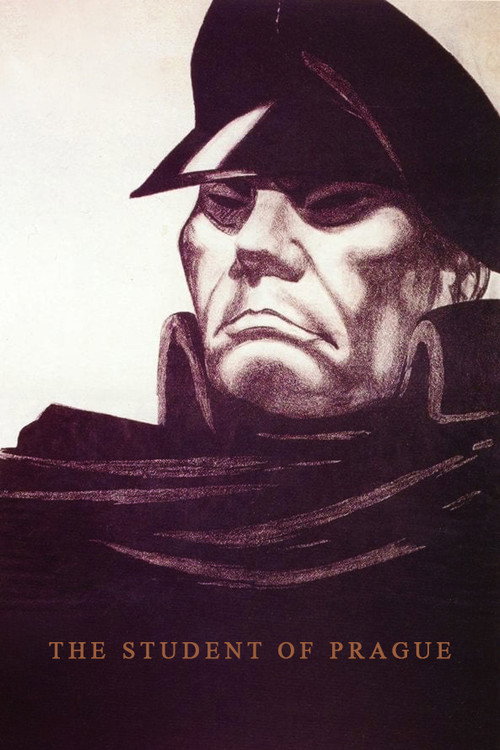
The Student of Prague1913
Both Million Dollar Legs and this film live in anarchic logic spaces where narrative coherence is secondary to pure visual and conceptual strangeness. Both trust that audiences can follow impossible premise chains if the images are clear enough. Both are products of a moment when cinema was still discovering what it could do, before naturalism took over.
A Weimar Expressionist mirror-world fantasy about a student who sells his reflection to the devil. Sounds like horror, watches like metaphysical thriller-comedy. The visual invention is stark and strange. A genuinely unsettling fairy tale in celluloid.
But It's a 1913 German film, which means you're watching silent, intertitled, at a Victorian pace. The restoration quality varies depending on which print you find. The plot logic is dream-logic, not story-logic.
People
Cast
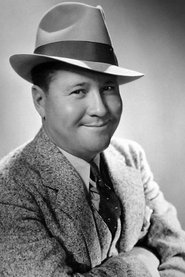 Jack OakieMigg Tweeny
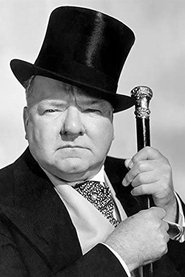 W.C. FieldsThe President
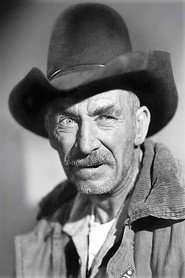 Andy ClydeThe Major-Domo
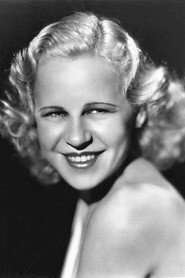 Lyda RobertiMata Machree
 Susan FlemingAngela
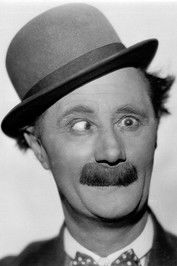 Ben TurpinMysterious Man
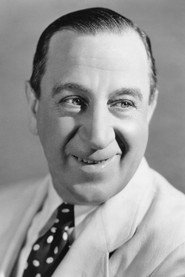 Hugh HerbertSecretary of the Treasury
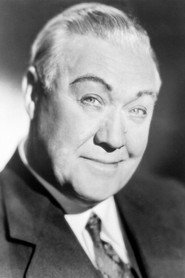 George BarbierMr. Baldwin
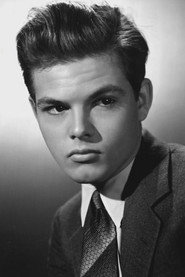 Dickie MooreWillie (Angela's Brother)
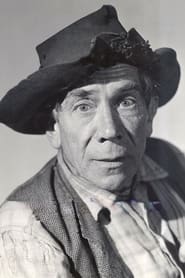 Ernie AdamsKlopstokian Athlete (uncredited)
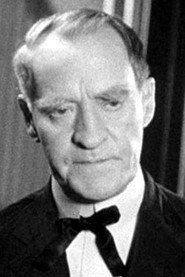 Samuel AdamsSecretary of State (uncredited)
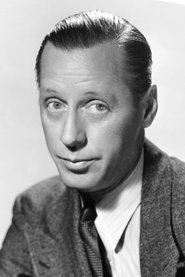 Irving BaconSecretary of War (uncredited)
Directing
- Edward MontagneAssistant Director
- Russell MathewsAssistant Director
- Edward F. ClineDirector
Writing
- Henry MyersScreenplay
- Nicholas T. BarrowsScreenplay
- Joseph L. MankiewiczStory
- Ben HechtWriter
Production
- B.P. SchulbergExecutive Producer
- Herman J. MankiewiczProducer