
Film
The Cameraman
Buster Keaton plays an unsuccessful photographer who becomes a newsreel cameraman to win over a secretary he loves. It's a love letter to silent comedy and physical invention, where every scene is built around what the body can do. Funny, poignant, and endlessly inventive—essential viewing for anyone who wants to understand how movies learned to be entertaining.
Should you watch it?
Watch it if you love physical comedy built on precise stunts and a deadpan hero who keeps trying despite the odds, the silent-era kind where gags carry the whole romance.
Skip it if you need dialogue and modern pacing to feel anchored, since it is silent with intertitles and its comic set-pieces stretch patience for anyone expecting constant talk.
What it asks of you: Seventy-four brisk minutes of silent storytelling, so you read title cards and track faces and stunts closely; drift for a moment and the thread slips.
Not sure? Find tonight's pick in a minute.
If you liked this
Singin' in the Rain1952
A later film that inherits The Cameraman's belief that a body in space, moving through a well-designed scene, is all the storytelling you need. Pure joy built from physical grace and perfect timing.
But For modern viewers, the romance subplot can feel thin and the sentimentality occasionally saccharine compared to Keaton's tougher touch.

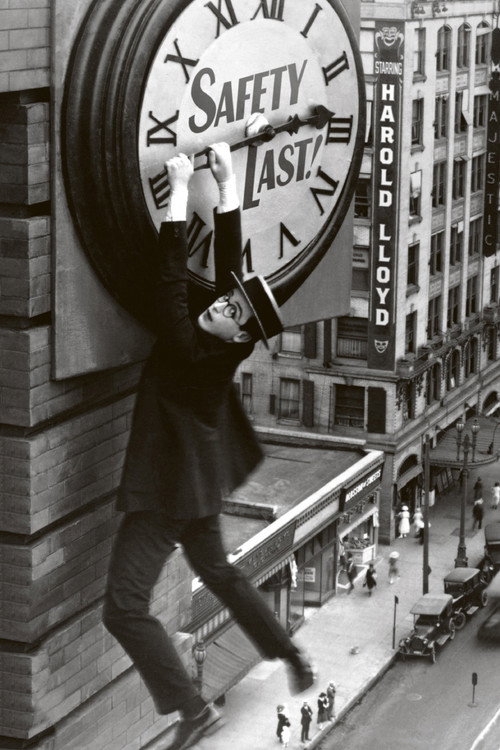
Safety Last!1923
Harold Lloyd climbing a building remains astonishing—a parallel invention of comedy through impossible physical risk. If you loved Keaton's ingenuity, Lloyd's stunt-based approach is the conversation partner you didn't know you needed.
But Lloyd's comedy is louder and less emotionally textured than Keaton's. The romance feels more perfunctory and the humor sometimes relies on easy targets.
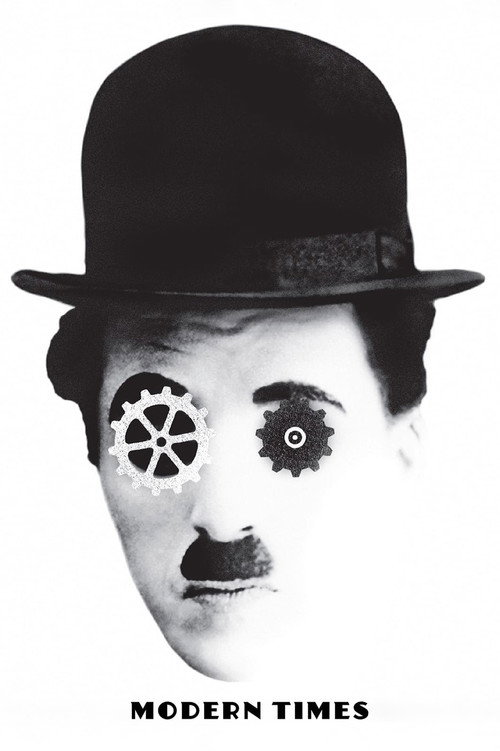
Modern Times1936
Chaplin in his final silent film, wrestling with machinery and modernity much as Keaton does here. A masterpiece of silent comedy that deepens rather than abandons the form's possibilities.
But Chaplin's sentimentality can overwhelm the comedy for some viewers. The ending is deliberate tear-jerking that not everyone finds earned.
Not sure tonight? Get a pick in a minute, starting from The Cameraman
The wildcard
Something you would not have found on your own.
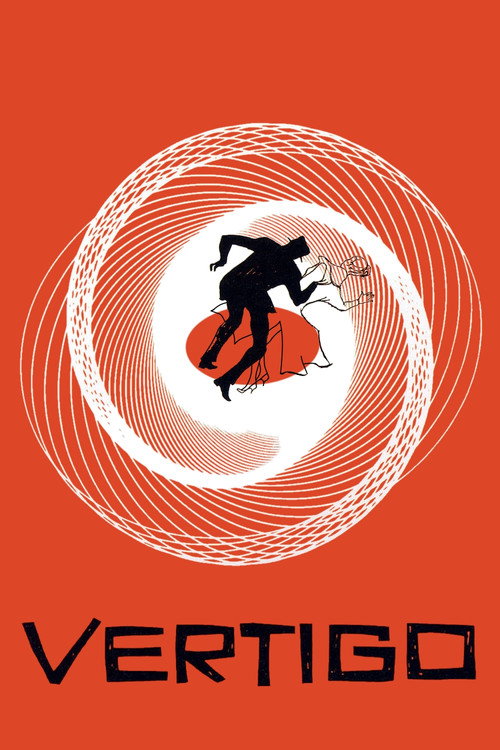
Vertigo1958
Both center on a man using the camera to construct reality and win love; one is buoyant comedy, the other a moral abyss. Same shape, opposite temperature.
Hitchcock builds obsession and visual storytelling around a camera—not newsreel but cinema itself. Both films are about a man trying to win someone through image-making, but Hitchcock darkens it into something vertiginous and sick. The connection is structural and tonal: what happens when the camera becomes not innocent fun but an instrument of control?
But It's three times as long, psychologically complex, and deliberately unsettling. If you want lightweight romance, this is a betrayal—it makes you complicit in its protagonist's sickness.
More like this (8)
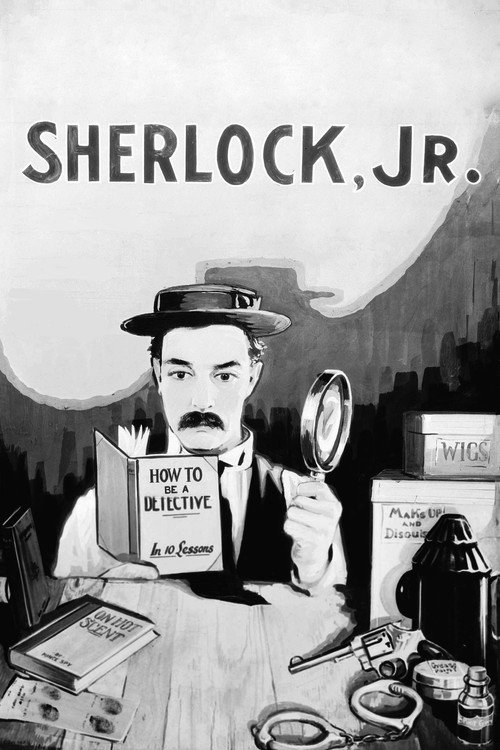
Sherlock Jr.1924
Keaton's own masterpiece of visual storytelling and impossible stunt work, where he dreams himself into a movie and the camera becomes his playground. If The Cameraman delights you, this will devastate you.
But The plot is deliberately thin—it's a vehicle for gags rather than a story with stakes. Pure form can feel plotless if that's what you came for.
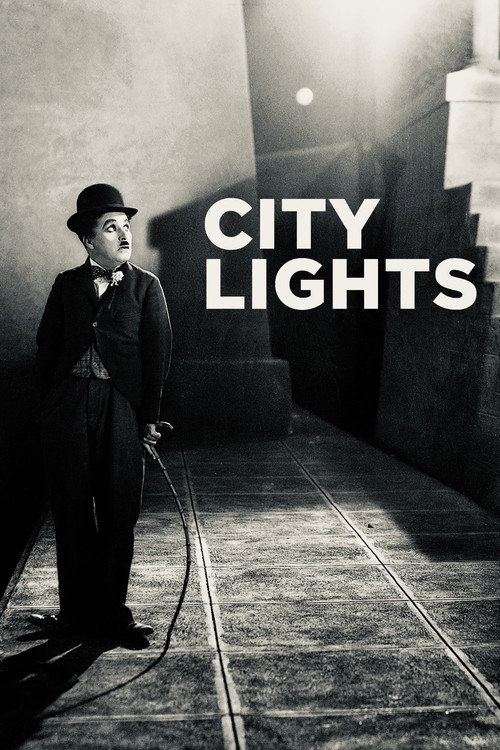
City Lights1931
Chaplin's other great silent—a film about longing and connection told through gesture and pantomime. Proves that 1920s comedians could break your heart while making you laugh.
But The tonal whiplash between slapstick and genuine pathos bothers some viewers. The flower-girl plot works emotionally but not narratively.
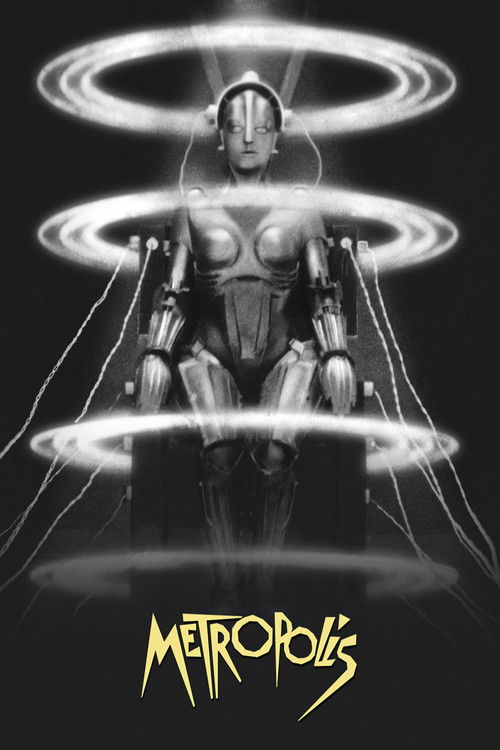
Metropolis1927
A sci-fi epic from the same era, built on similar faith in visual storytelling and the camera's ability to create wonder. Different genre, same artistry—see how far silent cinema could reach.
But It's massive and sometimes sluggish; the political messaging feels heavy-handed. Restoration questions linger about what the 'true' version actually is.
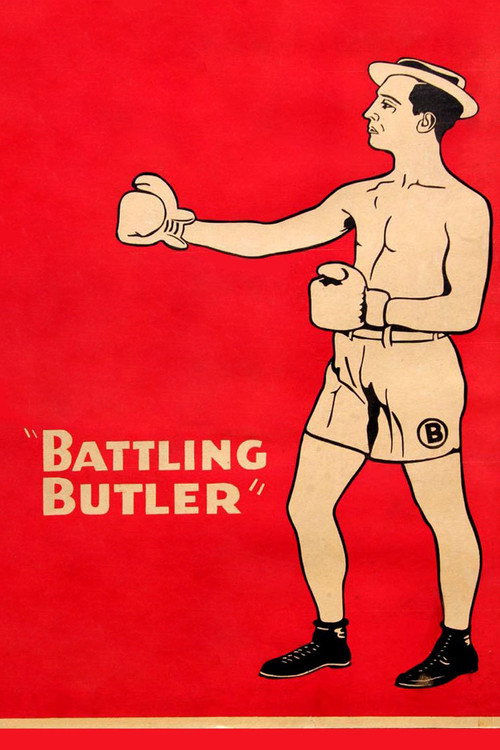
Battling Butler1926
Another Keaton masterpiece where he plays out of his depth in the boxing world. His deadpan face against physical chaos is comedy at its most elegant.
But The subplot involving mistaken identity and marital misunderstanding feels strained. Some gags repeat Keaton's earlier work rather than breaking new ground.
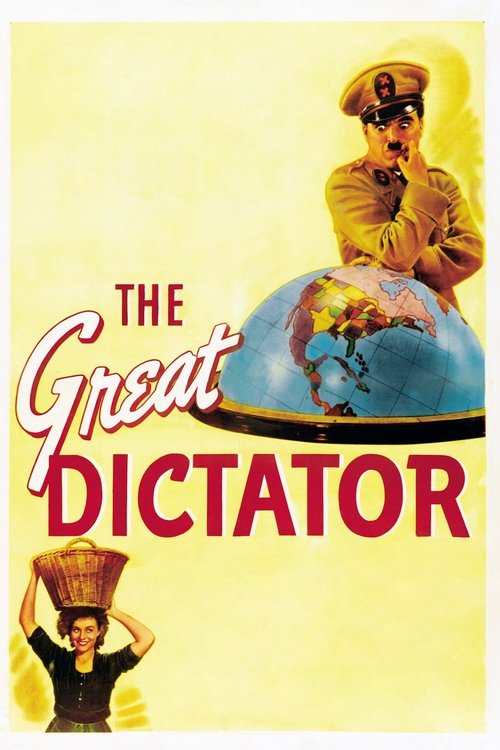
The Great Dictator1940
Chaplin's final silent-style performance, doubling as both dictator and Jewish barber. A film about power and powerlessness that uses comedy as a weapon, built on everything learned from The Cameraman's era.
But The ending speech, while necessary, halts the comedy entirely. Some viewers find the tonal shift from comedy to tract too abrupt.
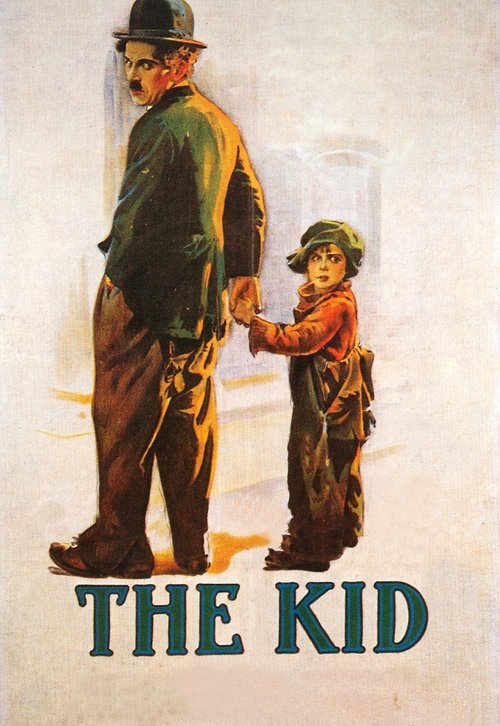
The Kid1921
Chaplin's feature debut pairs him with a child actor in a story of urban poverty and tenderness. Comedic but emotionally genuine in ways that influenced everyone who came after, including Keaton.
But Sentimental by design, and the sentimentality has aged into something harder to read. A few gags land softer than intended now.
Kes1970
Both trust the camera to capture the beauty of a body in space; both say that watching someone move through the world honestly is enough.
A British realist film about a boy finding dignity through a hawk rather than romance. Shot with documentary plainness and built on the same faith that physical truth—a body, an animal, a landscape—tells stories better than words. Keaton would recognize the philosophy, even across genres and continents.
But It's austere and set in grinding poverty. There's no romance here, no comedy, just the brightness of one boy's escape. If you wanted warmth, this offers only the warmth of sunlight on a bird.

Mulholland Drive2001
Both understand that the camera is a tool for making people into images, but where Keaton finds innocence in that, Lynch finds horror. Same technology, inverted morality.
Lynch's LA nightmare reverses The Cameraman's premise: here the camera is how people disappear into false selves, not how they become real. It's about image-making and obsession filtered through postmodern dread. Visually sumptuous where Keaton is spare, but built on the same secret: the camera creates identity.
But It's deliberately fractured and obscure. The second half unmakes the first. If you want clarity or comfort, you won't find it—the film doesn't want you to.

People
Cast
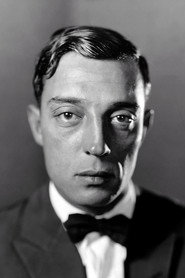 Buster KeatonBuster
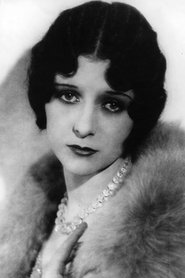 Marceline DaySally
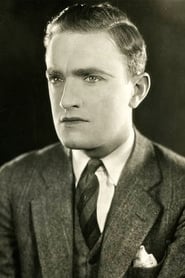 Harold GoodwinStagg
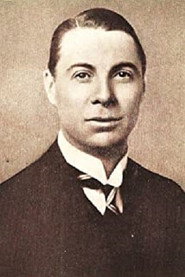 Sidney BraceyEditor
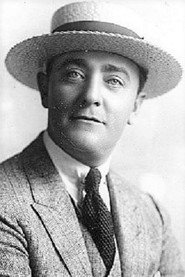
- Ray CookeOffice Worker (uncredited)
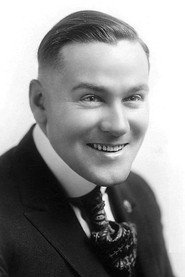 Vernon DentMan in Tight Bathing Suit (uncredited)
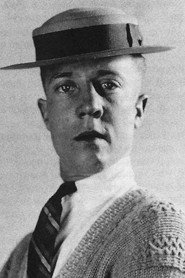 Harry KeatonExtra in Swimming Pool (uncredited)
- Louise KeatonExtra in Swimming Pool (uncredited)
 Bert MoorhouseRandall (uncredited)
 Edward BrophyMan in Bathhouse Stall with Buster (uncredited)
 Richard AlexanderThe Big Sea Lion (uncredited)
Directing
- Edward SedgwickDirector
Writing
- Richard SchayerScreenstory
- Clyde BruckmanStory
- Lew LiptonStory
Production
- Buster KeatonProducer
- Edward SedgwickProducer
Recommended by
Sherlock Jr., Man with a Movie Camera, The Great Buster: A Celebration, Chess Fever, The Scarecrow, Vaudeville, Sons of the Desert, It Ain't Hay, The Last Laugh, Speedy, Game of Death, The Smallest Show on Earth, Rough Seas, Million Dollar Legs, The Golden Age of Comedy, Pack Up Your Troubles, Yes we can, What Price Glory, The Goat, The Balloonatic