
Film
City Lights
City Lights is Chaplin at his most exquisitely balanced — pure slapstick and unguarded heartbreak in the same scene, often the same shot. Made after sound had already taken over Hollywood, it's a defiant, nearly silent love story between a tramp and a blind flower seller. It's funny, sweet, occasionally devastating, and ends with one of cinema's most quietly perfect final shots.
If you liked this
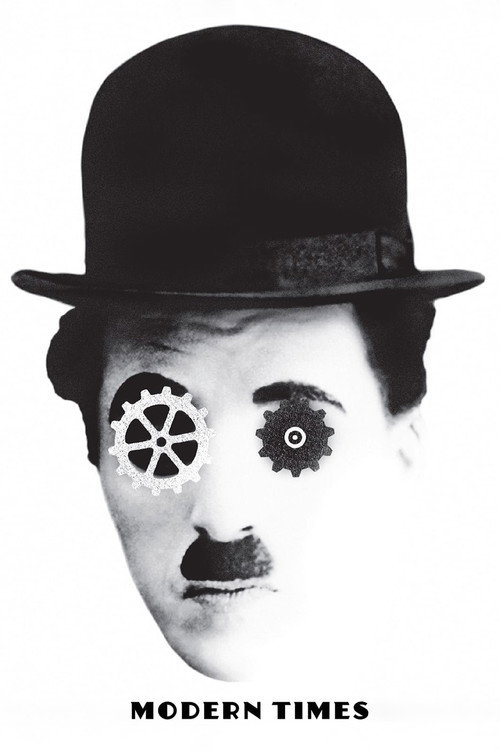
Modern Times1936
Chaplin's tramp returns for one more outing, this time squaring off against factories and the Depression instead of just poverty and pride. The gags are sharper, the satire bolder, and the ending nearly as tender.
But It's more overtly political and a touch more cynical — if you loved the pure romance of City Lights, this one's angrier.
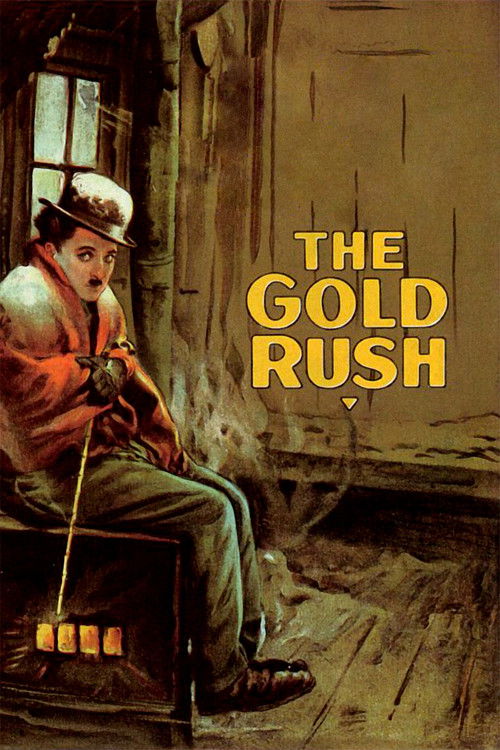
The Gold Rush1925
The film that made the tramp an icon before he ever met the blind girl — the boot-eating scene alone justifies the trip, and the mix of slapstick and loneliness is unmistakably the same soul.
But The pacing is looser and the sentiment less refined; it's earlier Chaplin, rougher round the edges.
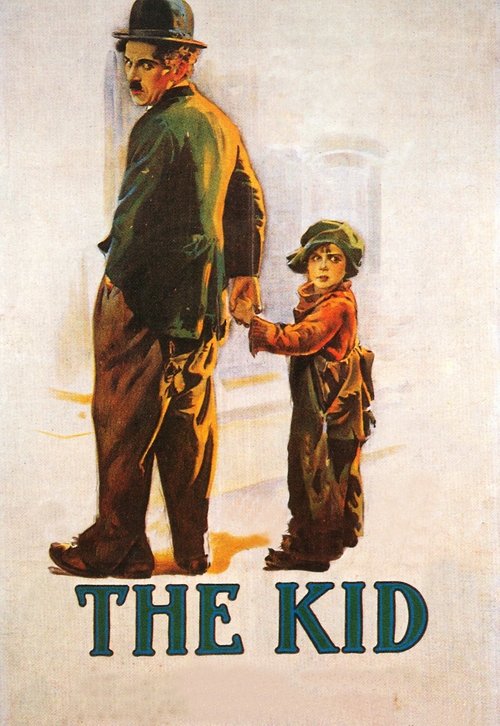
The Kid1921
Chaplin's first great marriage of comedy and heartbreak, with a young Jackie Coogan matching him beat for beat. If City Lights moved you, this is where that emotional trick was born.
But Shorter and simpler, with less polish — a sketch for the masterpiece rather than the masterpiece itself.
The wildcard
Something you would not have found on your own.
Broken Blossoms or The Yellow Man and the Girl1919no page yet
Same silent-era grammar of gesture and restraint, the same fragile tenderness toward someone the world has discarded — but Griffith refuses Chaplin's mercy and lets the tragedy land in full.
Griffith's silent melodrama about a fragile, doomed tenderness between a lonely girl and an outsider who loves her from a distance — proof that City Lights' delicacy had ancestors, and that the same era could go much darker.
But There's no comedy to soften the blow here, and the ending is genuinely devastating rather than bittersweet.
More like this (8)
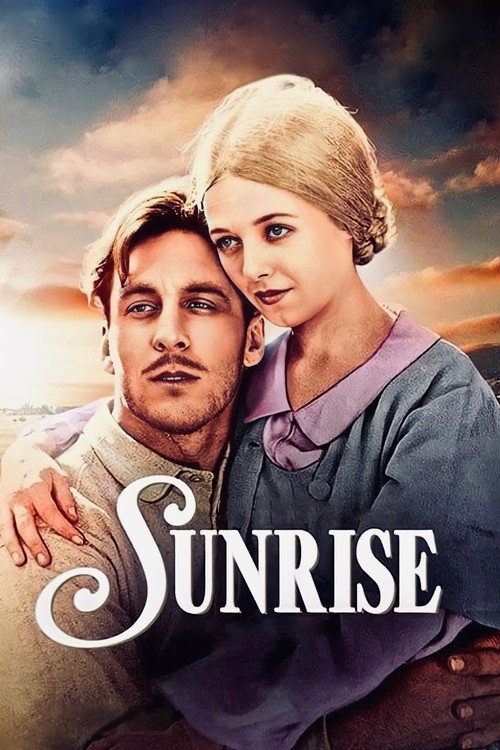
Sunrise: A Song of Two Humans1927
A silent romance from the same era, but German expressionist rather than tramp-comic — visually ravishing, emotionally overwhelming, and just as convinced that love can save a person from ruin.
But No comic relief here; it's gorgeous but earnest, and the melodrama runs thicker than Chaplin ever allowed himself.
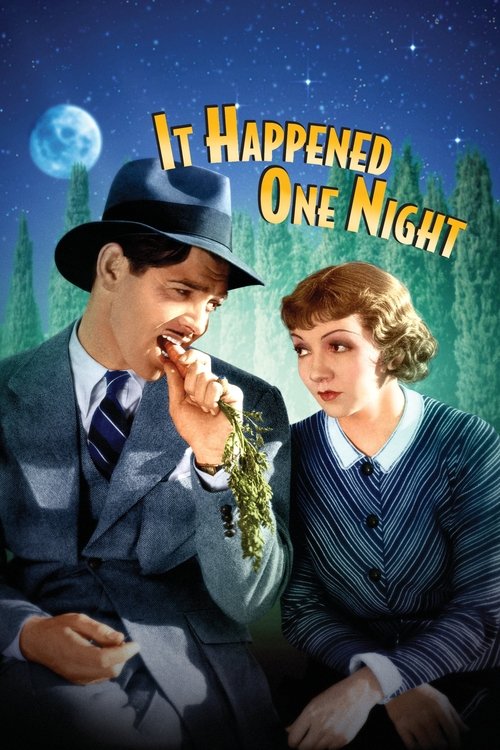
It Happened One Night1934
The screwball answer to City Lights' class-crossed romance — witty, fast, and endlessly charming, with two stars who make poverty and wealth colliding look like the best joke in the world.
But Talkie wit replaces silent pathos entirely; if it was the wordless tenderness you loved, this trades it for banter.
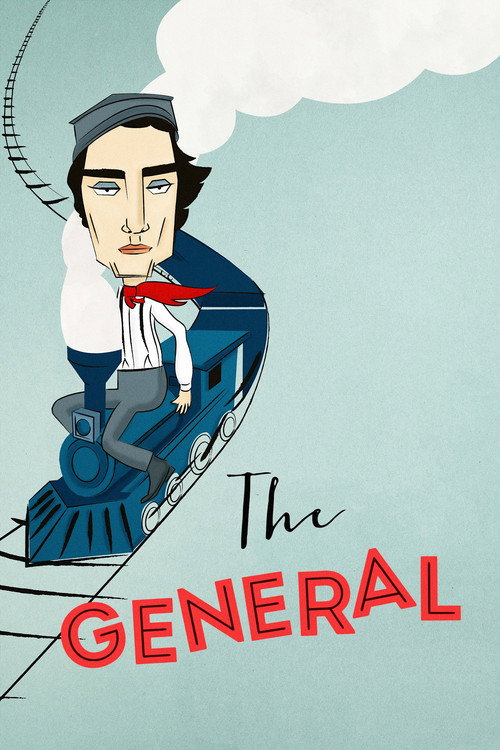
The General1926
Buster Keaton's masterpiece, and the clearest rival to Chaplin's genius — the stunts are insane, the deadpan is perfect, and the emotional stakes sneak up on you same as they do here.
But Keaton's coolness is the opposite of Chaplin's warmth — if it was the tramp's tenderness that got you, this is a colder pleasure.
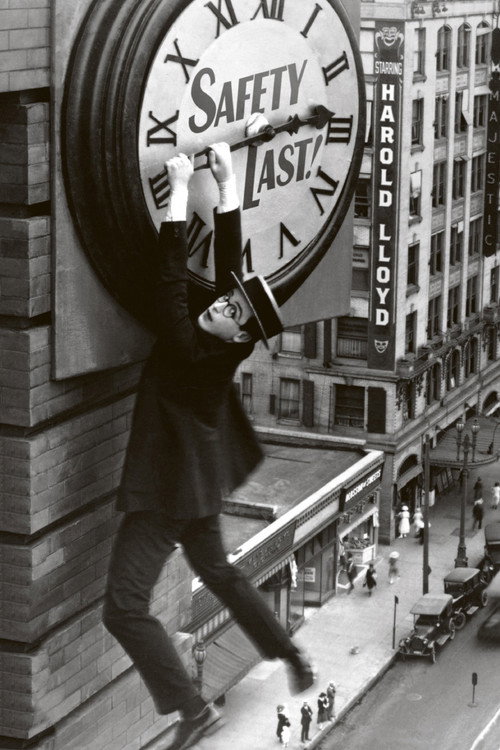
Safety Last!1923
Harold Lloyd's clock-tower dangle is the most famous image in silent comedy, and the film around it has the same blend of pluck, romance and death-defying stunt work that made this era irresistible.
But It's pure comic spectacle without City Lights' ache — expect thrills and laughs, not a lump in the throat.
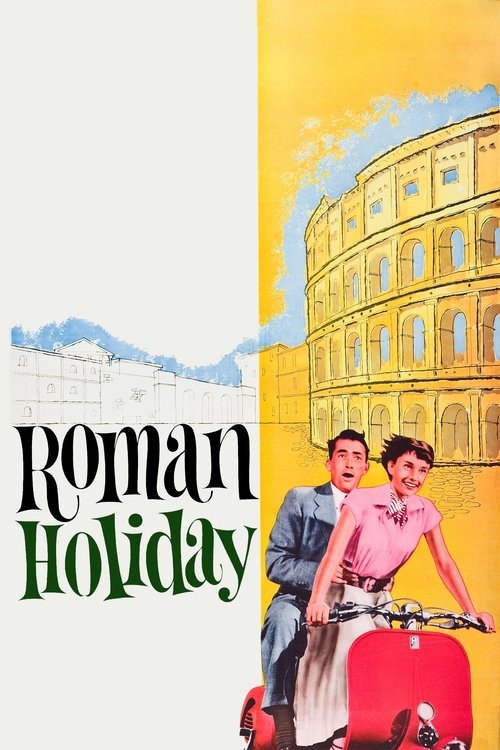
Roman Holiday1953
A different kind of class-crossed romance — a princess and a reporter instead of a millionaire and a tramp — with the same bittersweet awareness that love and circumstance don't always align.
But It's a talkie rom-com through and through, glossy and Hollywood-polished where City Lights is scrappy and handmade.
Cinema Paradiso1988
A love letter to the movies themselves, drenched in the same unembarrassed sentimentality Chaplin trafficked in — if his ending wrecked you, this one will too.
But It's a different story entirely, more about nostalgia for cinema than romance — the connection is emotional, not narrative.

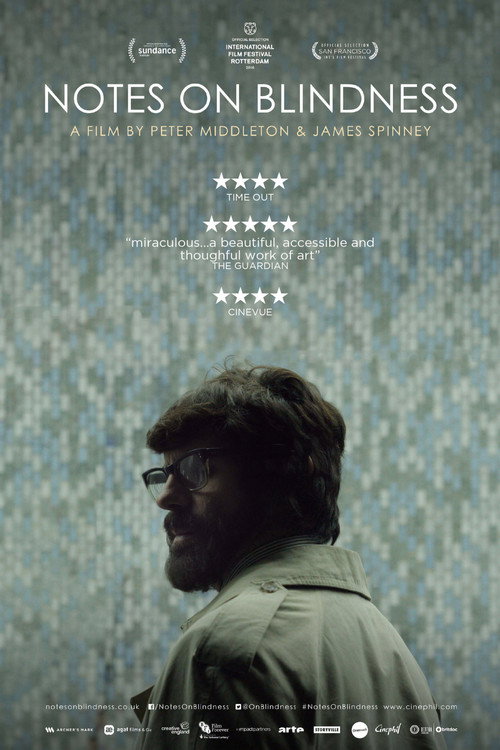
Notes on Blindness2016
City Lights turns blindness into a plot device and a symbol of innocence; this film insists on what it's actually like, grounding the same subject in lived, unsentimental fact.
A documentary built from the real audio diaries of a man going blind, reconstructed with actors and sound design into something closer to poetry than reportage — it takes the thing City Lights romanticises and makes you actually feel it.
But It's slow and meditative, formally strange, with nothing like a conventional narrative and no comic relief anywhere in sight.
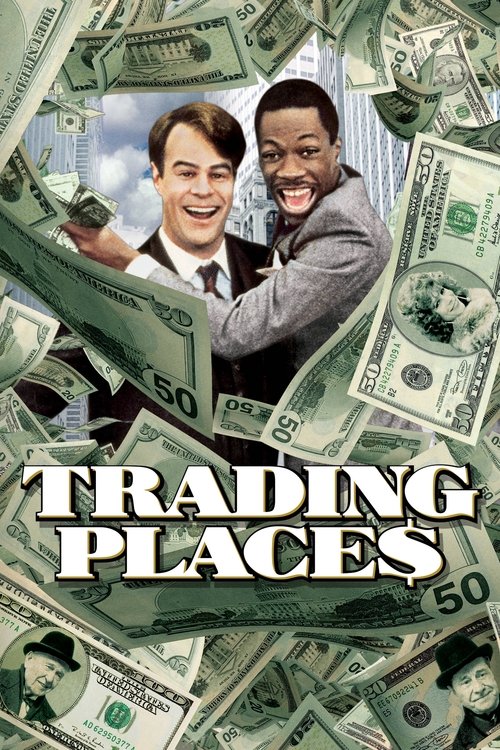
Trading Places1983
Both hinge on a rich man's whim reshaping a poor man's life through a friendship that only exists because of money — City Lights plays it as tragicomic devotion, this plays it as farce and revenge.
A loud, filthy-funny '80s comedy about a rich man and a poor man swapping fortunes on a whim — the millionaire-and-tramp dynamic from City Lights played for maximum chaos instead of pathos.
But It's broad, crude, and utterly unsentimental — if City Lights' tenderness is what you want more of, this won't give it to you.
People
Cast
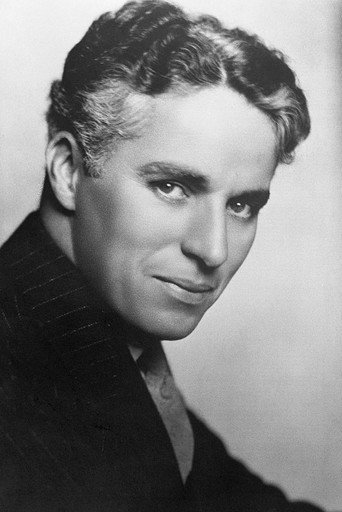 Charlie ChaplinA Tramp
 Virginia CherrillA Blind Girl
- Florence LeeHer Grandmother
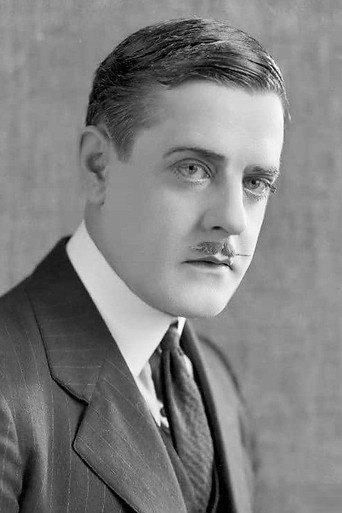 Harry MyersAn Eccentric Millionaire
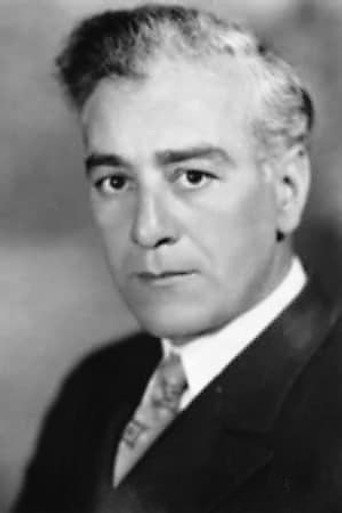 Al Ernest GarciaHis Butler
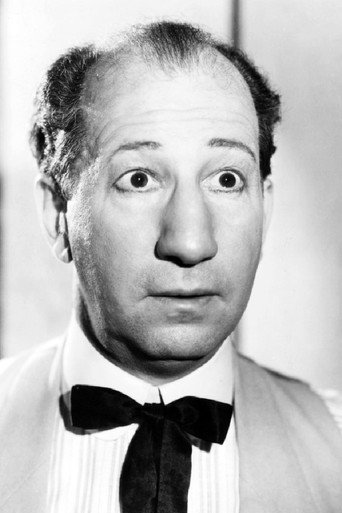 Hank MannA Prizefighter
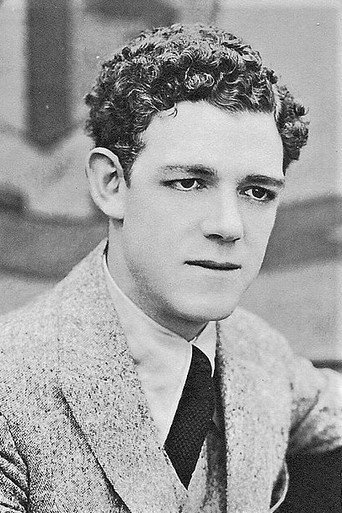 Albert AustinStreet Sweeper / Burglar (uncredited)
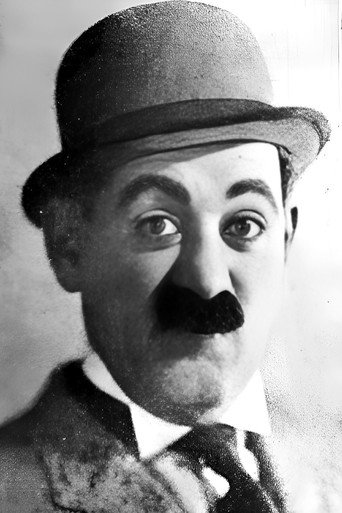 Eddie BakerBoxing Fight Referee (uncredited)
 Henry BergmanMayor / Blind Girl's Downstairs Neighbor (uncredited)
 Buster BrodieBald Party Guest (uncredited)
 Jeanne CarpenterDiner in Restaurant (uncredited)
 Tom DempseyBoxer (uncredited)
Directing
- Albert AustinAssistant Director
- Harry CrockerAssistant Director
- Henry BergmanAssistant Director
- Charlie ChaplinDirector
- Della SteeleScript Supervisor
Writing
- Charlie ChaplinScreenplay
- Harry CarrScreenplay
- Harry CrockerScreenplay
Production
- Al Ernest GarciaCasting
- Charlie ChaplinProducer
- Alfred ReevesProduction Manager
- Carlyle RobinsonPublicist
Recommended by
Safety Last!, The Great Dictator, Children of Paradise, The General, Sherlock Jr., Modern Times, The Kid, Steamboat Bill, Jr., The Gold Rush, Mr. Bean, The Red Skelton Show, Fallen Leaves, First Cow