
Film
Broken Blossoms or The Yellow Man and the Girl
D.W. Griffith's 1919 masterpiece finds poetry in the squalor of London's poorest streets. Lillian Gish's abused waif and Richard Barthelmess's gentle immigrant form a delicate, doomed bond that transcends class and xenophobia. Silent cinema at its most visually eloquent and emotionally raw. A meditation on violence, compassion, and how cruelty warps the soul.
Should you watch it?
Watch it if you are drawn to slow, painterly silent cinema where a look or a gesture carries a whole scene, and you can sit with a mood of tenderness shadowed by cruelty.
Skip it if you need dialogue, quick cutting or a modern pace to stay engaged, since the story unfolds in gestures, intertitles and long stretches of stillness.
What it asks of you: Under ninety minutes of patient, silent storytelling, with a heavy sense of bleakness and a fair amount of melodramatic staging that needs you to meet it on its terms.
Not sure? Find tonight's pick in a minute.
If you liked this
Sunrise: A Song of Two Humans1927
Murnau's 1927 masterpiece matches Griffith's visual poetry with an even more elaborate (and experimental) visual language. A couple on the edge of destruction, saved by grace. Absolutely unmissable if you respond to Broken Blossoms' emotional depth.
But At nearly two hours and wordless, it demands patience. The restoration is beautiful but some sequences move very slowly by modern rhythms.

Intolerance: Love's Struggle Throughout the Ages1916
Griffith's monumental four-story epic from before Broken Blossoms, with even more ambitious technique and emotional scope. If you loved his direction here, this is his grandest statement—a fever dream of human cruelty across the ages.
But It's nearly four hours. The narrative jumps between periods in ways that can feel chaotic. The racism is baked into some of the storytelling choices, unavoidably.

The Phantom Carriage1921
Swedish director Sjöström creates an equally tender tragedy about redemption and second chances, with ghostly visual effects that haunt as deeply as Gish's performance haunts Broken Blossoms. Melancholy and profound.
But The pacing is deliberate in a way that tests modern viewers. The melodrama operates on 1920s emotional logic, which can feel distant.

Not sure tonight? Get a pick in a minute, starting from Broken Blossoms or The Yellow Man and the Girl
The wildcard
Something you would not have found on your own.
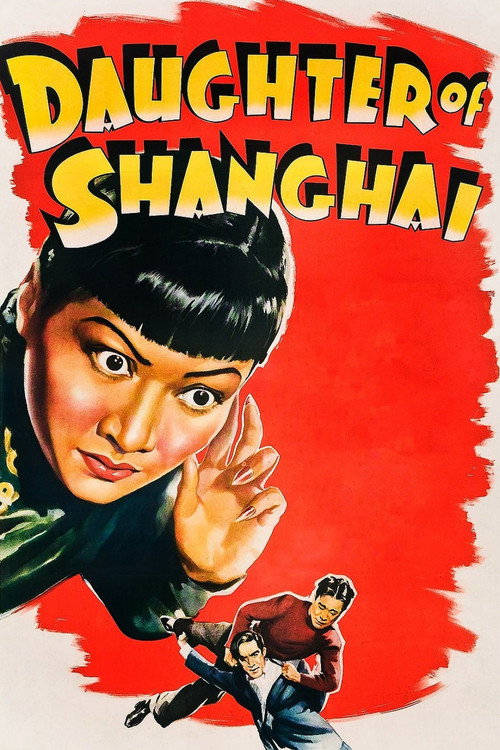
Daughter of Shanghai1937
Both use the relationship between Chinese and white characters to explore dignity and desire in a racist society, but Daughter of Shanghai flips the script: Wong's character is in control, intelligent, and armed. It's what reclaiming that story looks like.
Anna May Wong—playing opposite stereotypes of Chinese people in early cinema—becomes an action hero and romantic lead on her own terms. A direct political rebuke to the power dynamics and racial framing of Broken Blossoms, made from inside the system that enforced them. Thrilling, brisk, and historically electric.
But It's a B-movie studio product with pace over depth. If you came to Broken Blossoms for lyrical visual poetry, this is a very different aesthetic—functional and efficient rather than painterly.
More like this (8)
Nosferatu1922
Murnau again, this time channeling urban dread into gothic form. Like Broken Blossoms, it finds beauty and terror in shadows and absence. A completely different genre that shares the same visual obsession with light and darkness.
But It's a vampire film, so if you're coming to it for the human intimacy of Broken Blossoms, the supernatural register may feel like a detour.

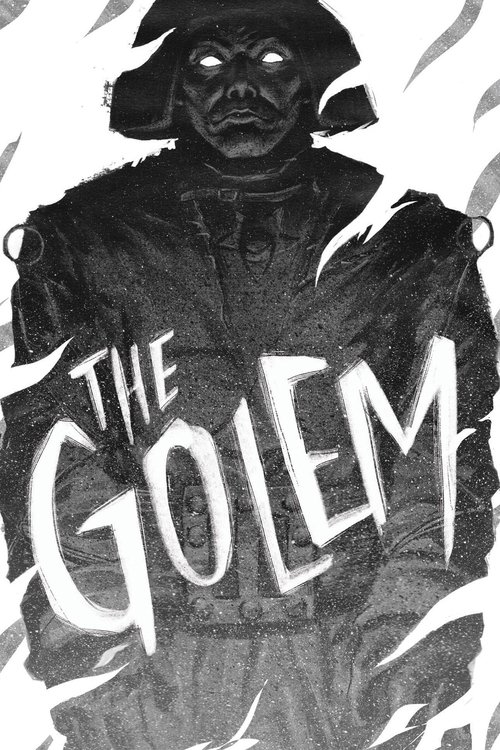
The Golem: How He Came into the World1920
Wegener's Prague-set fable about protection, violence, and the city as its own character. Silent expressionism with the same moral weight as Broken Blossoms, though in a far stranger key. Visually stunning and unsettling.
But It's harder to follow than Broken Blossoms—the plot is more opaque and relies on knowledge of the Jewish folklore it adapts.
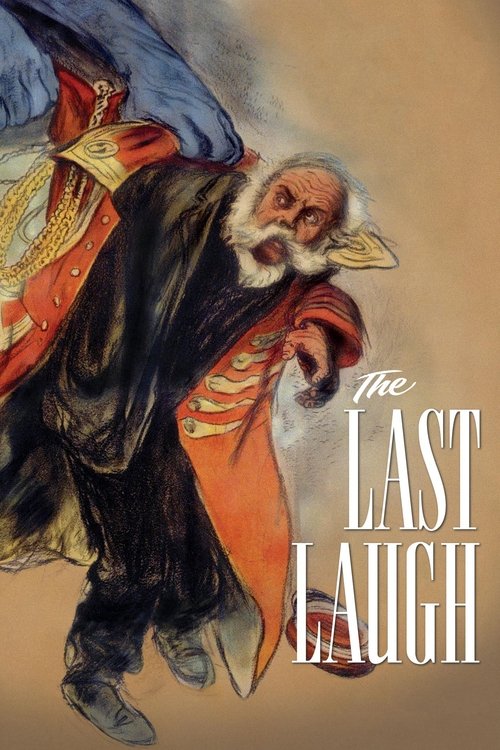
The Last Laugh1924
Murnau's portrait of human dignity destroyed by bureaucratic indifference. Subtitles appear only twice. The camera work is revolutionary and the loneliness it captures rivals anything in Broken Blossoms.
But The emotional register is bleaker—there's less tenderness, more Weimar despair. The final scene divides viewers sharply.
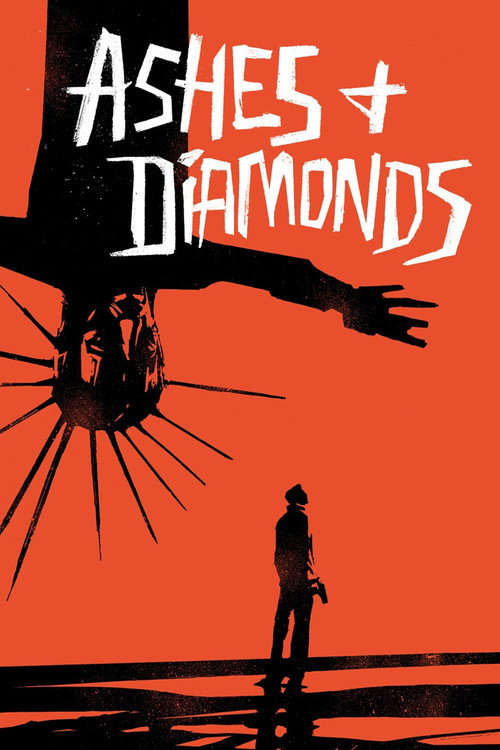
Ashes and Diamonds1958
Andrzej Wajda's post-war Polish noir about a young assassin and his complicated humanity. Shot in gorgeous black-and-white, it has Broken Blossoms' interest in how violence corrupts the soul, but in a harder, more political key.
But It's in Polish and the historical context (the Warsaw Uprising) is essential to feeling it fully. The film moves more briskly than you might expect.
Singin' in the Rain1952
A pure tonic if silent cinema has left you wrung out. Utterly charming, technically brilliant in a completely different way, and genuinely moving beneath the joy. A reminder that not all great filmmaking is tragic.
But The tonal whiplash from Broken Blossoms might make this feel shallow at first. You may need to let it be what it is.

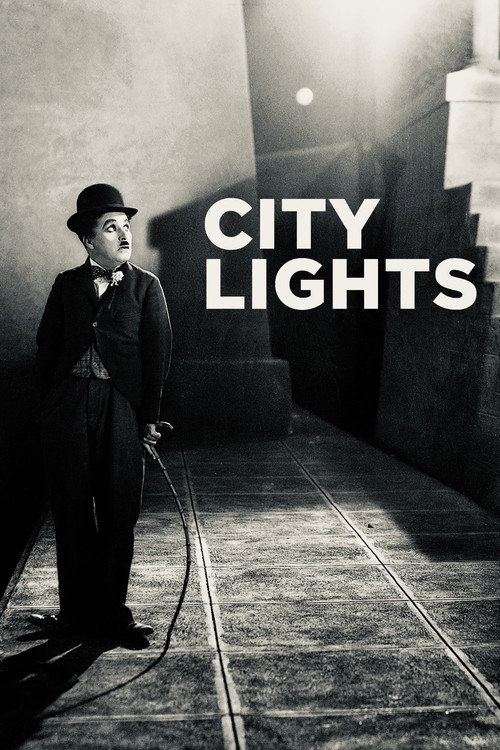
City Lights1931
Chaplin's tramp and a blind flower girl form a bond just as fragile and redemptive as anything in Broken Blossoms. One of cinema's great love stories, funny and heartbreaking in the same breath.
But It's sentimental in a way that can read as manipulative if you're resistant. Some viewers find Chaplin's pathos cloying rather than earned.
Sans Soleil1983
Both films understand that cinema's deepest power is visual and emotional rather than narrative. Both move you by what they show you, not by what happens. Both are about how the camera finds poetry in the overlooked and suffering.
Chris Marker's essay-film collage of travel, memory, and political fury. It has nothing to do with Broken Blossoms' plot, but it shares the same faith in cinema's power to make you *feel* ideas rather than follow them. Hypnotic, strange, and deliberately fragmented.
But There is no conventional narrative. It's a voice-over over images that don't illustrate the words. If you need plot or linear logic, this will frustrate you.

Tokyo Story1953
Both films argue that restraint and silence say more than drama can. Both are about accepting loss and finding grace in quiet moments. Both move the viewer through visual composition rather than plot momentum. But where Broken Blossoms is expressionist and anguished, Tokyo Story is minimalist and at peace.
Ozu's gentle portrait of an elderly couple visiting their son and grandchildren in post-war Tokyo. Like Broken Blossoms, it finds profound melancholy in small domestic moments and unspoken feeling. But where Griffith's film is gothic and fevered, Ozu is still, clear, and accepting.
But Almost nothing happens. People sit and talk. It's filmed with static cameras in long shots. If you want emotional catharsis through action or intensity, you won't find it here.

People
Cast
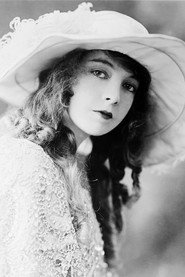 Lillian GishLucy Burrows
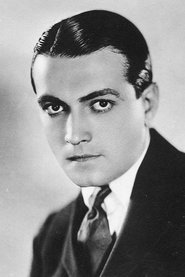 Richard BarthelmessCheng Huan
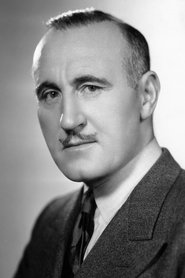 Donald CrispBattling Burrows
- Arthur HowardBurrows' Manager
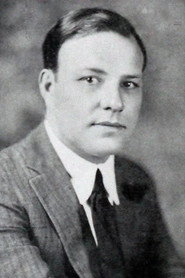 Edward Peil Sr.Evil Eye
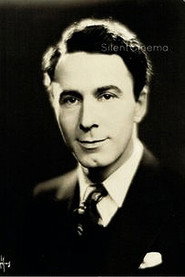 George BerangerThe Spying One
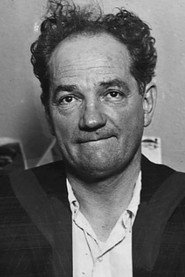 Norman SelbyA Prizefighter
- Ernest ButterworthSecondary Role (uncredited)
- Frederic HamenSecondary Role (uncredited)
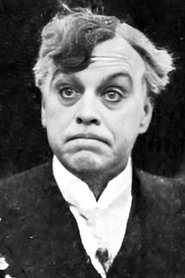 Wilbur HigbyLondon Policeman (uncredited)
- Man-Ching KwanBuddhist Monk (uncredited)
- Bobbie MackRingside Employee (uncredited)
Directing
- D.W. GriffithDirector
Writing
- Thomas BurkeShort Story
- D.W. GriffithWriter
Production
- D.W. GriffithProducer
Recommended by
City Lights, Letter from an Unknown Woman, His Regeneration, The Scarlet Letter, Way Down East, Intolerance: Love's Struggle Throughout the Ages, Pride of the Marines, The Birth of a Nation, He Who Gets Slapped, The Squaw Man, The Wonderful Story, The Good Earth, True Heart Susie, La Bohème, The Enemy, Sparrows, A Woman of Paris: A Drama of Fate, The Godless Girl, Magnificent Obsession, Rigoletto, Atlantis, Four Daughters, Anna Christie, The Mothering Heart, The Mountain Eagle, The Wishing Ring: An Idyll of Old England, Madame X, Tabu: A Story of the South Seas, Humoresque, The Sting of the Lash, La Roue, Peck's Bad Boy, Sorrell and Son, Madame Butterfly, The Mayor of Casterbridge, The Arab, The Woman on Trial, A Man's Mate, The Lonedale Operator, Spawn of the North, The Tower of Lies