
Film
Four Daughters
A 1938 family drama about a widowed musician and his four musical daughters whose contented household is disrupted by the arrival of a cynical composer. It's domestic and intimate, grounded in character rather than spectacle, with music woven naturally through the story. For anyone drawn to ensemble casts, pre-war Hollywood, or stories where personality matters more than plot mechanics.
If you liked this
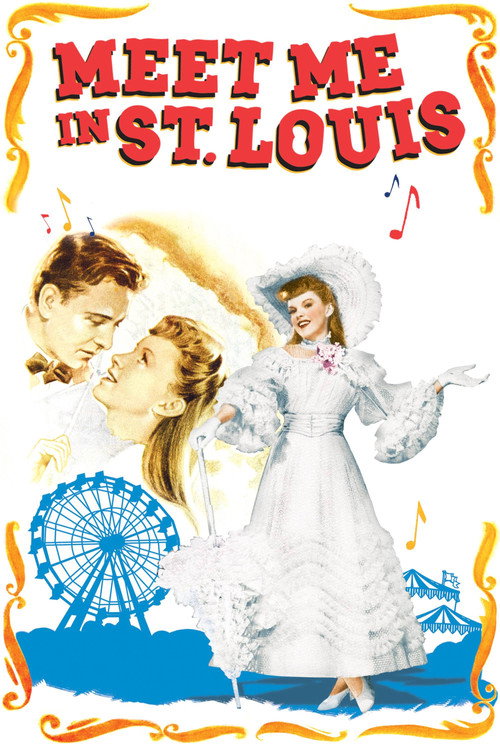
Meet Me in St. Louis1944
A similarly warm ensemble piece about a musical family facing change. Judy Garland leads a luminous cast through a story that finds both comedy and genuine melancholy in domestic life and growing up.
But It's a musical in the full production sense—big numbers, Technicolor spectacle. If you prefer *Four Daughters'* quieter approach to music, the scale might feel overwhelming.
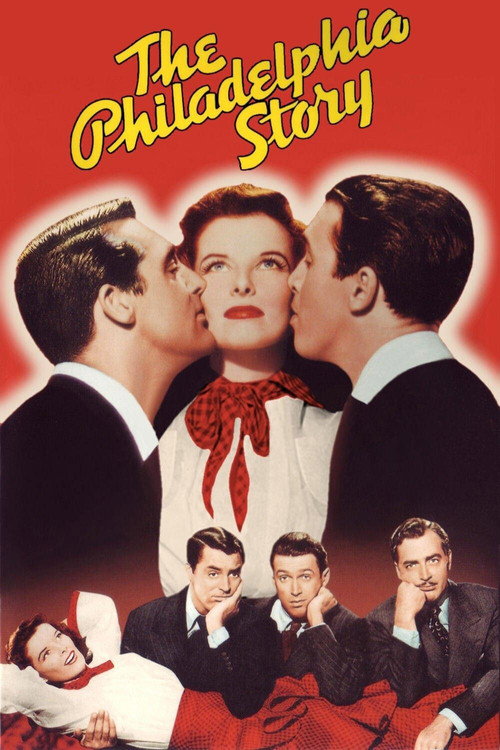
The Philadelphia Story1940
Cary Grant, Katharine Hepburn, and James Stewart navigate romantic entanglement with wit and intelligence. Sophisticated, funny, and centered entirely on how people talk to each other and what they want.
But It's urbane and clever in a very different register from the earnest family warmth of *Four Daughters*. Some find the sparkle exhausting.
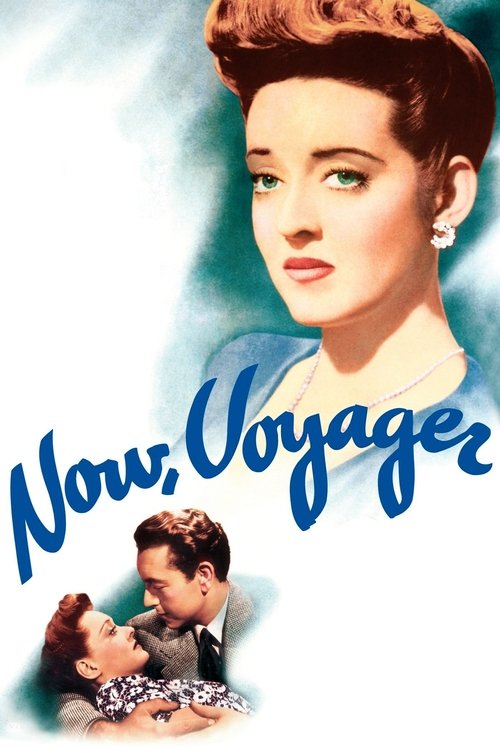
Now, Voyager1942
Bette Davis in one of her finest performances, playing a woman transformed by love and self-discovery. A romantic drama that treats its female protagonist's journey with real emotional depth and complexity.
But The melodrama runs thick—there are scenes that feel overwrought by modern standards. It asks you to feel big emotions about constraint and transgression.
Not sure tonight? Get a pick in a minute, starting from Four Daughters
The wildcard
Something you would not have found on your own.
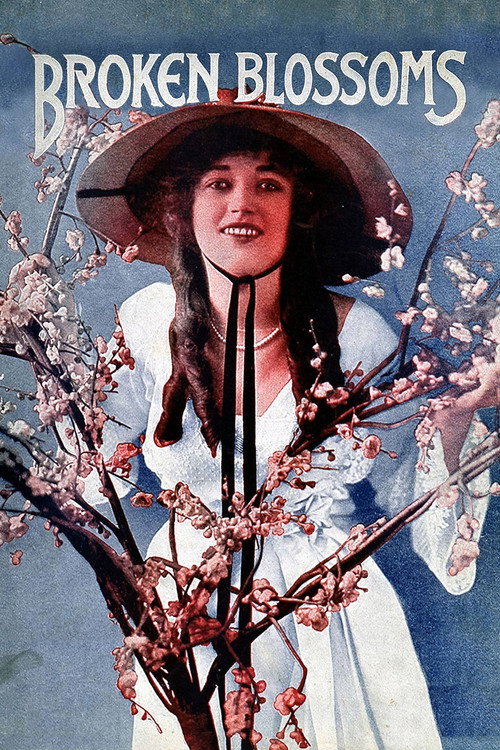
Broken Blossoms or The Yellow Man and the Girl1919
Both films are built on the intensity of intimate family bonds—but where *Four Daughters* finds warmth in domestic life, Griffith shows how tenderness can bloom between strangers, and how brutally the world can snuff it out. Same emotional grammar, opposite conclusions.
D.W. Griffith's silent tragedy about a Chinese man and an abused English girl who find tenderness in each other. Deeply moving, formally inventive, and built entirely on the actors' faces and bodies. A film that proved cinema could carry genuine emotional weight.
But It's silent, from 1919, and hinges on yellowface casting—a profound complication. The sentimentality is unapologetic, and the tragic ending offers no consolation whatsoever.
More like this (8)
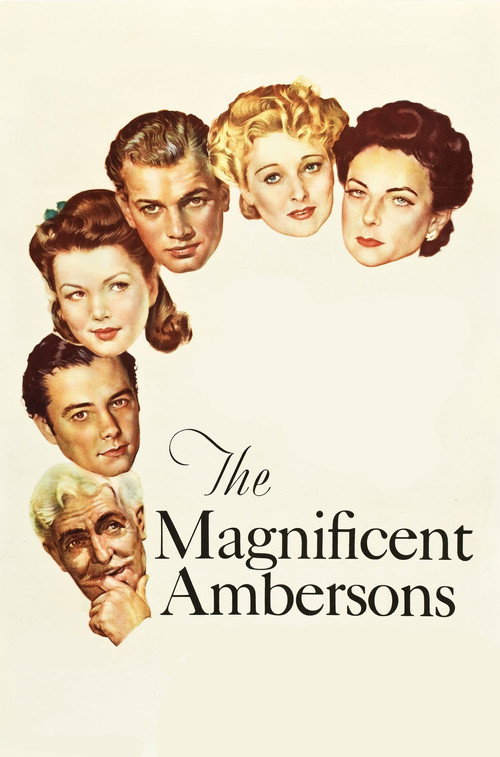
The Magnificent Ambersons1942
Orson Welles explores family decline and the American past with extraordinary psychological nuance. An ensemble cast, generational conflict, the weight of history on intimate relationships—all seen with masterful precision.
But It's fragmented and formally experimental. The famous studio-imposed ending feels tacked on, and the whole thing has a melancholic, almost bitter undertone.
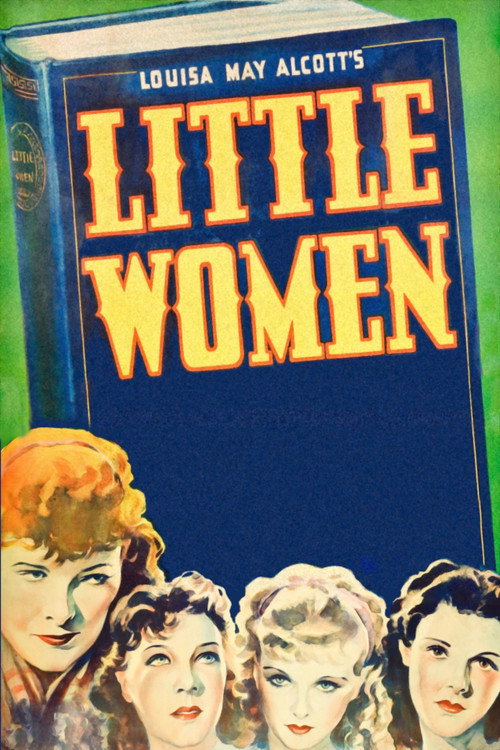
Little Women1933
George Cukor's version centers the sisters' bonds and ambitions with genuine tenderness. Four young women with distinct personalities and dreams—it's *Four Daughters'* closest cousin in terms of feeling.
But Period adaptation with all its limitations. Some of the performances feel theatrical by modern standards, and Jo's story can overshadow the others.
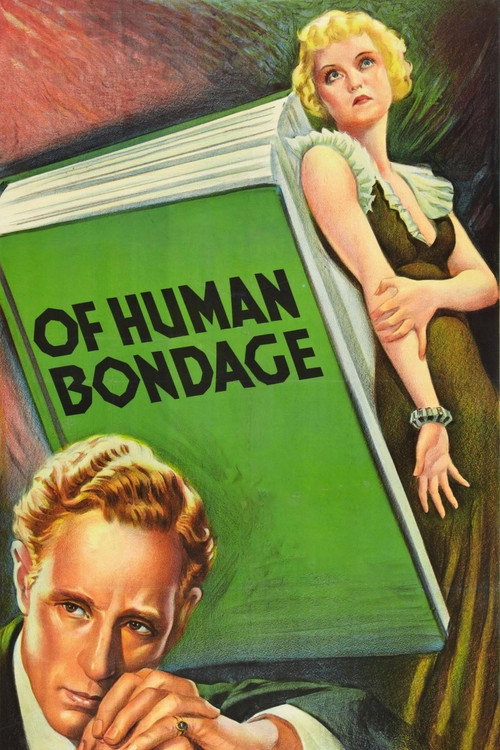
Of Human Bondage1934
Bette Davis delivers a career-making performance as a woman who destroys a man through sheer force of personality. It's a dark inversion of the romantic drama—watching what happens when passion is parasitic rather than nurturing.
But It's genuinely unpleasant in places. The title character is contemptible, and the film doesn't soften that for comfort or appeal.
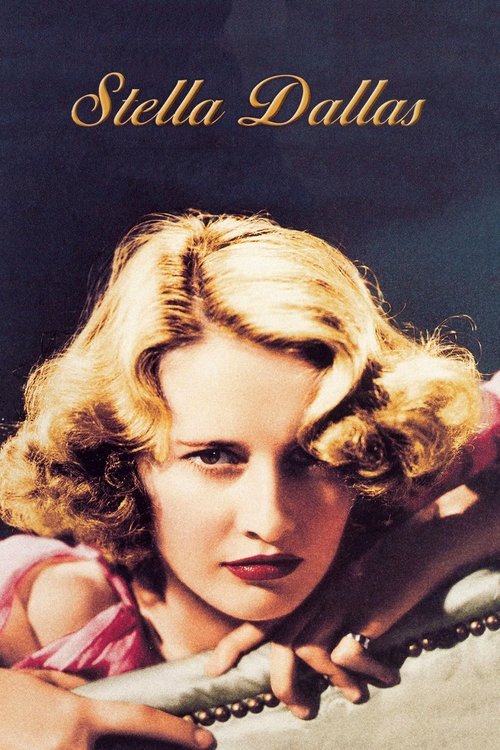
Stella Dallas1937
Barbara Stanwyck as a working-class mother whose love for her daughter becomes the engine of tragedy. Raw emotional intelligence about maternal sacrifice and the cost of devotion.
But It hinges on class anxiety and dated social hierarchies. The melodrama is unapologetic, which works emotionally but can feel overwrought.
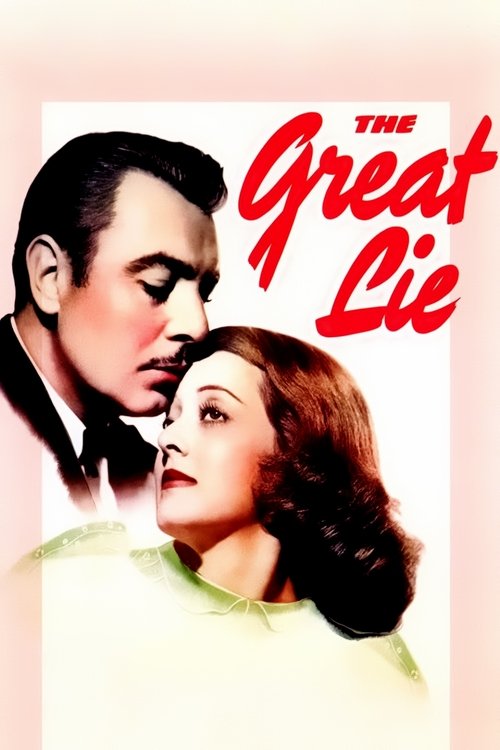
The Great Lie1941
Bette Davis and Mary Astor compete in a story about marriage, pregnancy, and what women owe each other. Complex moral territory handled with surprising sophistication and dark humor.
But The plot is genuinely strange—a pregnancy subplot that feels utterly divorced from how such things actually work. The class politics are dated.
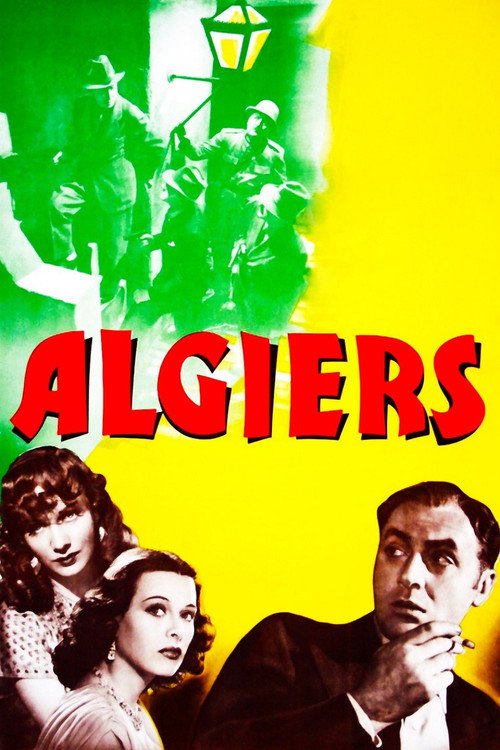
Algiers1938
Charles Boyer in a moody romantic thriller set in the Casbah. Atmospheric, shadowy, full of fatalism and desire. A different tone entirely but from the same Hollywood moment.
But It's a genre picture—crime, intrigue, doomed romance. If you're watching *Four Daughters* for family warmth, this is the complete opposite register.
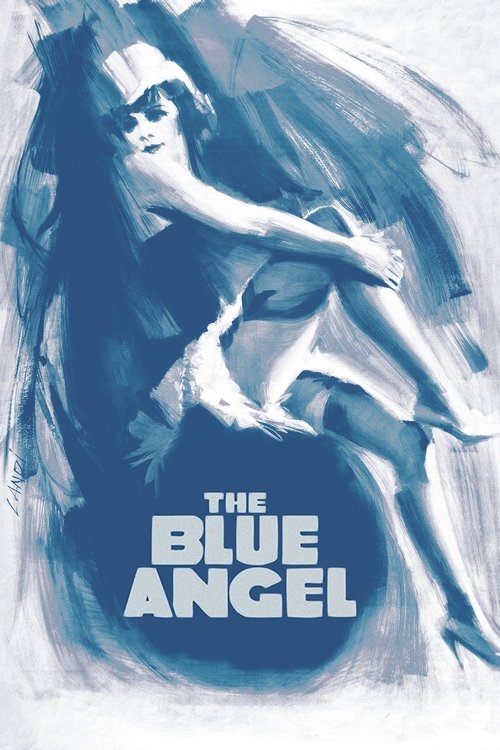
The Blue Angel1930
Both feature a older man and younger women, but where *Four Daughters* treats the situation with democratic warmth and lets everyone have dignity, *The Blue Angel* uses the same setup to explore how desire corrupts and destroys. It's what happens when the cynical composer wins.
Emil Jannings as a respectable teacher destroyed by passion for Marlene Dietrich. The German original is a masterpiece of moral degradation, beautifully shot, darkly funny, and absolutely unpitying.
But It's in German (with subtitles), from 1930, and unforgiving about human weakness. The misogyny is baked into the story—Dietrich's character is blamed for a man's complete self-destruction. It's bleak.
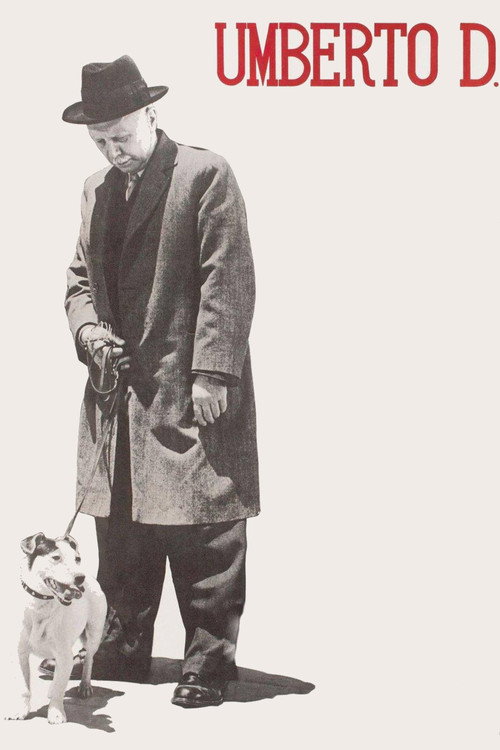
Umberto D.1952
*Four Daughters* trusts that small moments between people matter more than narrative spectacle. De Sica takes that same faith and applies it to a man with nothing—no family, no prospects, just a dog and his routine. Both films argue that intimacy and presence are the whole story.
Vittorio De Sica's neorealist masterpiece about an elderly pensioner and his dog facing destitution. It's simultaneously a social document and an intimate study of dignity under pressure. Unbearably tender and true.
But It's in Italian, it's slow, nothing 'happens' in plot terms, and it ends with quiet resignation rather than resolution. The poverty is real and specific—sometimes uncomfortably so.
People
Cast
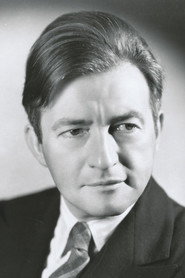 Claude RainsAdam Lemp
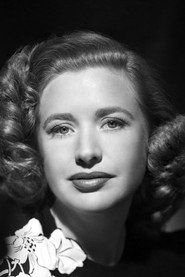 Priscilla LaneAnn Lemp
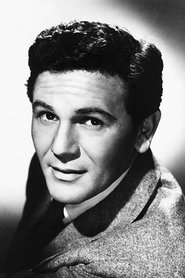 John GarfieldMickey Borden
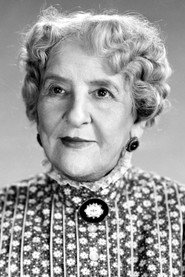 May RobsonAunt Etta
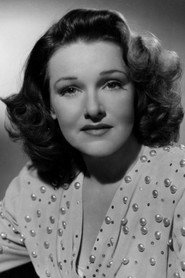 Lola LaneThea Lemp
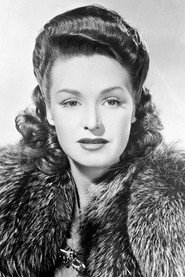 Rosemary LaneKay Lemp
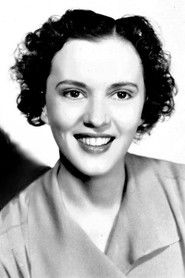 Gale PageEmma Lemp
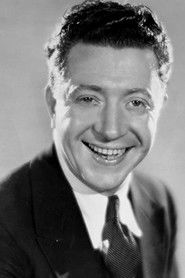 Frank McHughBen Crowley
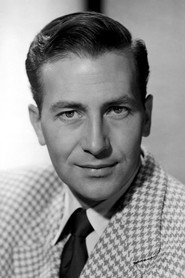 Jeffrey LynnFelix Deitz
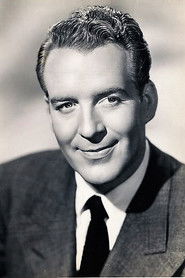 Dick ForanErnest
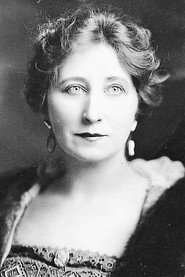 Vera LewisMrs. Ridgefield
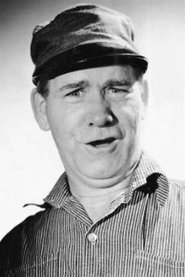 Tom DuganJake
Directing
- Michael CurtizDirector
Writing
- Julius J. EpsteinScreenplay
- Lenore J. CoffeeScreenplay
- Fannie HurstShort Story
- Lawrence KimbleWriter
- Thyra Samter WinslowWriter
Production
- Hal B. WallisProducer