
Film
Algiers
A French crook reigns over Algiers' Casbah, untouchable in his warren of streets and loyal friends—until a glamorous woman from Paris arrives. This 1938 noir-romance is pure atmosphere: cigarette smoke, narrow alleys, the intoxicating pull of forbidden desire. It's for anyone who loves a doomed antihero and the ache of wanting something you can't have.
If you liked this
The Asphalt Jungle1950
Huston's heist blueprint: meticulous crime, vivid character detail, the inexorable logic of betrayal. Every noir that followed learned from this one. A masterpiece of control and tension.
But It moves at a deliberate pace and assumes you're patient enough to watch a plan unfold rather than just survive its climax.

In the Mood for Love2000
Wong Kar-wai's visual poetry about desire thwarted by circumstance and propriety. Like Algiers, it's suffused with romantic longing expressed through colour, proximity, the things unsaid. Hypnotic.
But The plot is gossamer-thin. If you need strong narrative momentum, the dreamlike pacing will frustrate you.

Rififi1955
A Parisian jewel heist filmed with such elegance and invention you'll understand why French cinema matters. Silent sequences, perfect casting, the Casbah's spiritual cousin in mood and moral texture.
But Subtitled, French, and built for patience. There's a stretch that drags if you're not already seduced by style over plot.

Not sure tonight? Get a pick in a minute, starting from Algiers
The wildcard
Something you would not have found on your own.
The Killing1956
Both are stories of meticulous men undone not by the law but by circumstance and desire. Both treat crime as a kind of philosophy.
Kubrick's racetrack heist reassembles Algiers' crime-spree DNA but shatters it into fragments, jumping timelines to show how small decisions compound into fate. Same genre engine, totally different architecture.
But The narrative structure is deliberately disorienting. If you need a clear timeline, this will infuriate you.

More like this (8)
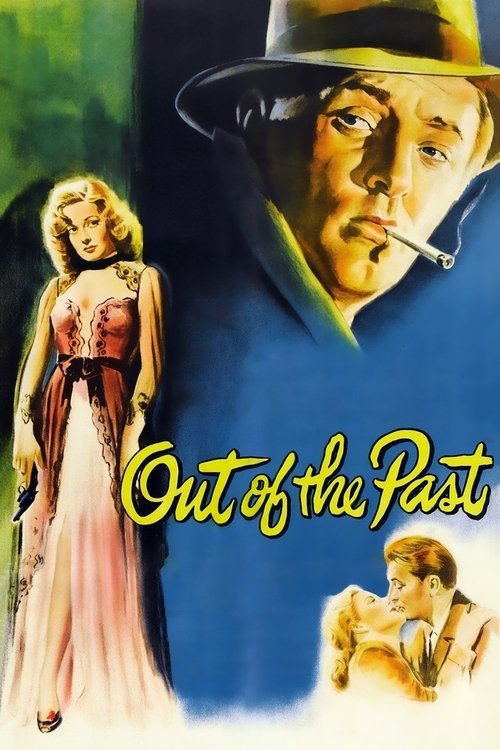
Out of the Past1947
Mitchum and Greer in the apotheosis of noir romance: fatalism, femme fatale, a man who can't escape his past. The visual language and emotional tone echo Algiers but darker, American, more cynical.
But It's very much a product of 1947—the attitude toward women, the sexual politics—will feel dated and uncomfortable.
La Haine1995
A marginalized community as character, as labyrinth, as a place outsiders fear. It shares Algiers' sense of geography as destiny and the Casbah as refuge-cum-trap, updated to modern France.
But It's brutal and angry where Algiers is romantic. If you're seeking that specific melancholy, this won't provide it.

The Third Man1949
Vienna's post-war shadows, a man drawn into moral compromise by charm and circumstance, a woman caught between loyalty and sense. Reed's direction makes the setting itself a character.
But The zither score is peculiar, and the final act becomes more thriller than romance, which divides viewers.

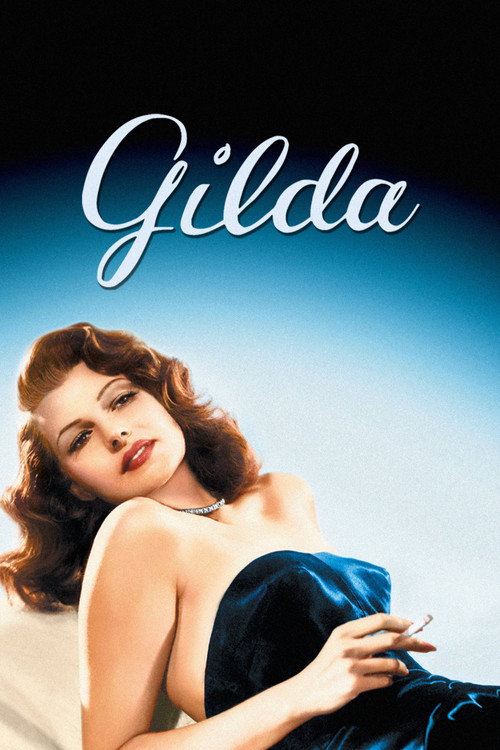
Gilda1946
Hayworth and Ford locked in a dance of desire and resentment in Buenos Aires. Glamorous, steamy, and built entirely on the intoxication of watching two beautiful people orbit each other.
But The plot is threadbare and the moralizing about female sexuality hasn't aged well. You're really just watching two stars smoulder.
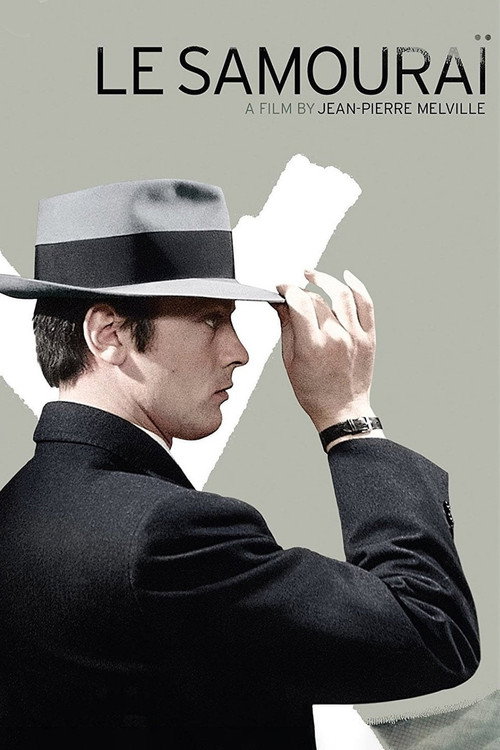
Le Samouraï1967
Delon as a Tokyo assassin bound by code, moving through a city that's as isolating as it is beautiful. The quiet precision and the romance of being an outsider both echo Algiers' DNA.
But It's glacially paced and almost entirely without dialogue. Some find it meditative; others find it glacial without the meditation.
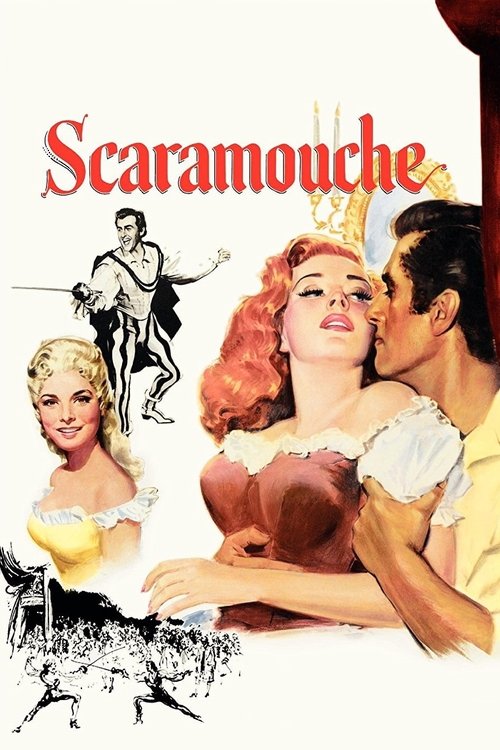
Scaramouche1952
Stewart in a swashbuckler set during the French Revolution, all wit and adventure. A lighter film than Algiers, but with similar pleasures: a charming rogue, a stunning woman, danger just offscreen.
But It's considerably more frivolous. If you want your romance with actual stakes and shadows, this might feel too sunny.
The Battle of Algiers1966
It's literally about the same place and people, but it strips away the Hollywood gloss and shows you the actual stakes of living under occupation.
Pontecorvo's documentary-style reconstruction of the 1954-62 Algerian independence war IS the Casbah, but as a real place where real people fought and died. A political awakening to what Algiers treated as romantic geography.
But It's a serious, rigorous political film about colonialism and violence. There's no romance here, and the ending is bleak in ways that hurt.

A Prophet2009
Both follow a man whose mastery of his domain becomes the reason he can never leave it. Both are about the price of being irreplaceable.
A young man imprisoned in France becomes his prison's most powerful figure through intelligence and will. It has Algiers' structure—outsider becomes insider becomes trapped—but relocates it to the cell block, where the Casbah becomes a metaphor literal enough to suffocate.
But It's long, brutal, and relentless. There's no romanticism or beauty to soften the story—just the arithmetic of power and survival.

People
Cast
 Charles BoyerPepe le Moko
 Hedy LamarrGaby
 Sigrid GurieInes
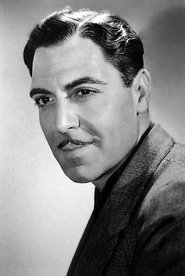 Joseph CalleiaInspector Slimane
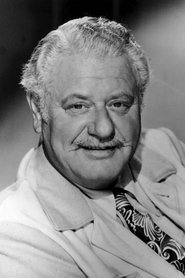 Alan HaleGrandpere
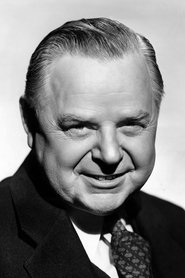 Gene LockhartRegis
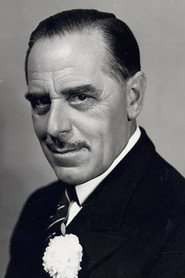 Walter KingsfordChef Inspector Louvain
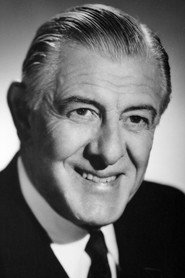 Paul HarveyCommissioner Janvier
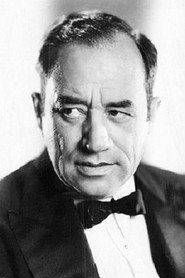 Stanley FieldsCarlos
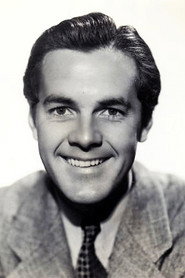 Johnny DownsPierrot
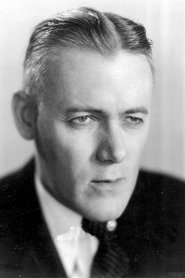
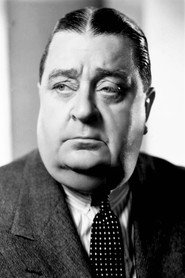 Robert GreigGiraux
Directing
- Horace HoughAssistant Director
- John CromwellDirector
Writing
- James M. CainDialogue
- Ann RonellLyricist
- Detective AshelbeNovel
- John Howard LawsonScreenplay
Production
- Walter WangerProducer
Recommended by
The General Died at Dawn, The Loves of Carmen, Outpost in Morocco, The Garden of Allah, Salome, Where She Danced, Four Daughters