
Film
The Loves of Carmen
Rita Hayworth incinerates the screen as Carmen, the irresistible gypsy who destroys a soldier's life in 1948's lush, Technicolor adaptation of Bizet's opera. It's melodrama at full throttle—sumptuous, absurd, utterly unsubtle, and deeply committed to its own passion. For anyone who loves classic Hollywood excess and the particular charge of watching beautiful people make terrible decisions.
If you liked this
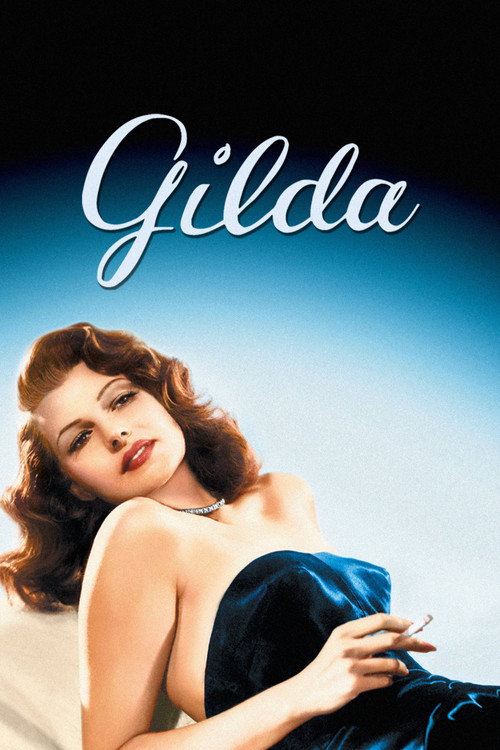
Gilda1946
Hayworth at her absolute peak, seducing Glenn Ford across a casino floor. The famous "Put the Blame on Mame" number is pure movie magic: dangerous, sultry, and utterly hypnotic.
But The plot is secondary to the spectacle, and if you need narrative coherence over visual intoxication, this will feel like empty calories.
The Killers1946
Burt Lancaster's debut opposite Ava Gardner in another Hayworth-adjacent tale of a femme fatale who destroys a decent man. Tighter plotting than Carmen, same melodramatic electricity.
But The film stock and pacing feel older than Gilda, and some viewers find the misogyny-as-plot-device exhausting rather than thrilling.

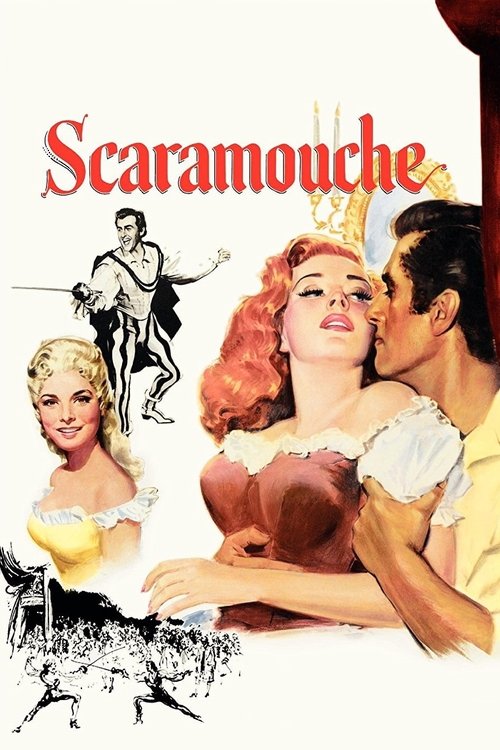
Scaramouche1952
Stewart Granger swashbuckling through Technicolor excess with Janet Leigh. The same lavish production values and romantic melodrama, just channeled into adventure instead of tragedy.
But It's unambiguously lighter and more fun, which some find less intoxicating than Carmen's doom-laden intensity.
Not sure tonight? Get a pick in a minute, starting from The Loves of Carmen
The wildcard
Something you would not have found on your own.
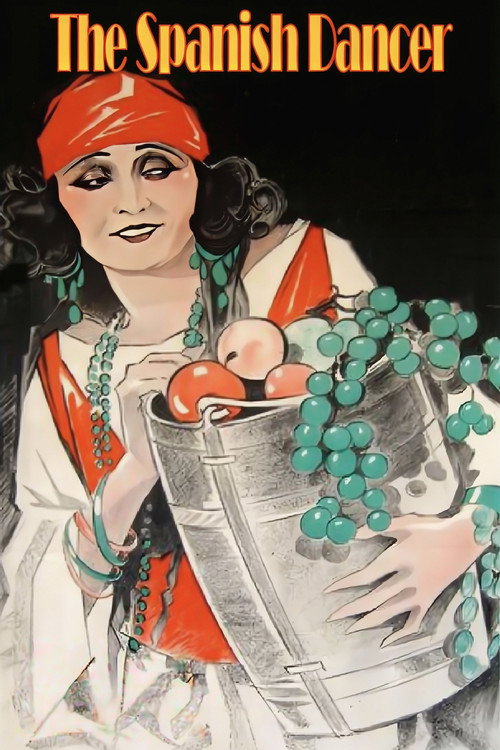
The Spanish Dancer1923
Both are period melodramas built on the figure of a performer whose sexuality and agency destroys powerful men; this is what that archetype looked like a generation before Hollywood remade it.
Pola Negri as a dancer who seduces a nobleman during the Spanish Inquisition: silent, Technicolor-adjacent, operatic in register. The spiritual ancestor of Carmen, proving the seduction-as-destruction template predates Bizet's opera on screen.
But Silent film with heavily theatrical acting will feel alien to modern viewers, and the inquisition plot is genuinely disturbing in ways that undercut the romance.
More like this (8)
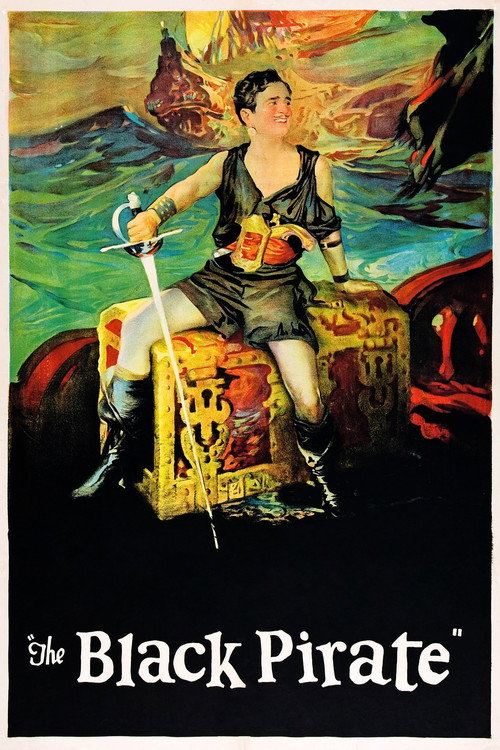
The Black Pirate1926
Douglas Fairbanks in early Technicolor, destroying men's lives through sheer charisma. The DNA of every swashbuckling seduction scene you'll see, done first and still thrilling.
But Silent film requires patience, and the acting style feels heightened even by Carmen's standards. The romance subtext is just that—subtext.
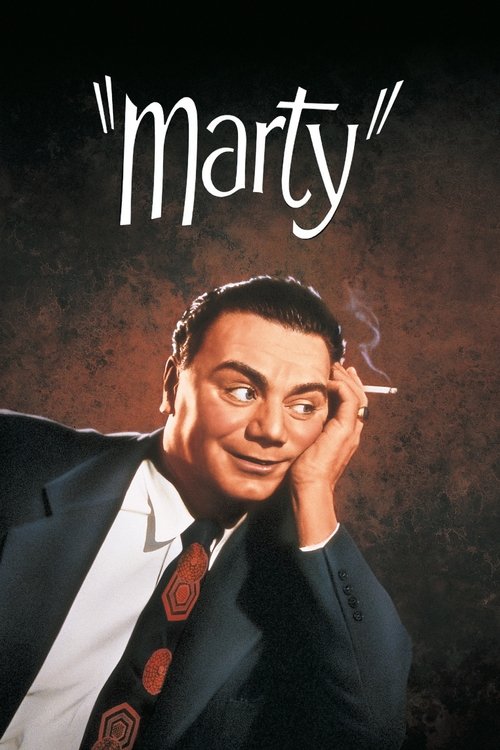
Marty1955
A tender, unglamorous counterpoint: a soldier's life ruined not by seduction but by genuine human connection and doubt. Same emotional wreckage, different cause.
But The anti-Hayworth approach means no spectacle, no Technicolor shimmer, no one dressed like a dream. It's earthbound where Carmen soars.
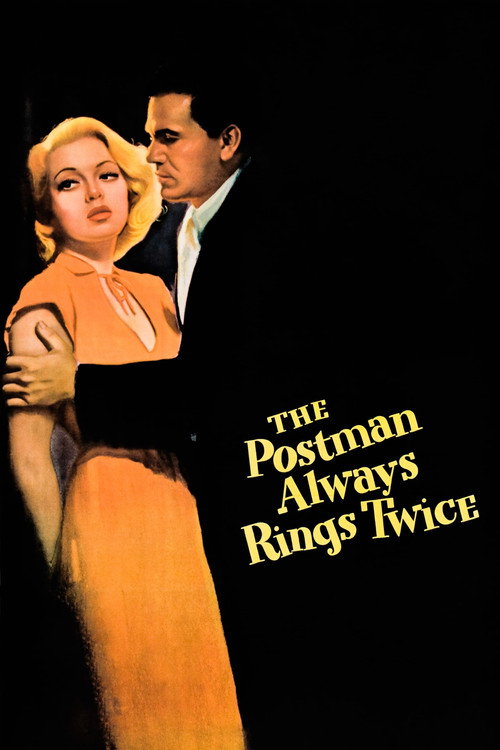
The Postman Always Rings Twice1946
Lana Turner and John Garfield in noir heat—another doomed soldier seduced by a woman who will destroy him. Darker and more genuinely criminal than Carmen's romantic melodrama.
But The pace is noir-slow, the eroticism is suggested rather than performed, and if you came for Hayworth's theatricality you'll find this restraint claustrophobic.
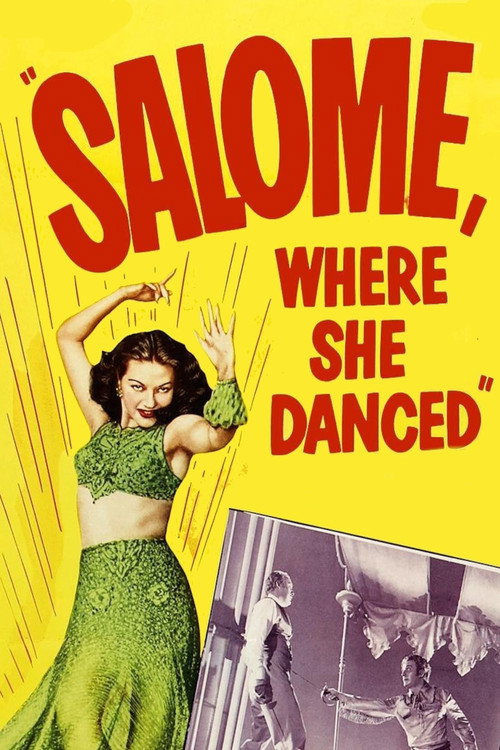
Salome, Where She Danced1945
Yvonne De Carlo in a lesser-known Technicolor fever dream about a dancer who seduces her way through the Austro-Prussian War. Bonkers, beautiful, deeply committed to its own ridiculousness.
But It's genuinely terrible by any reasonable standard, and knowing that affects whether the excess feels fun or just embarrassing.
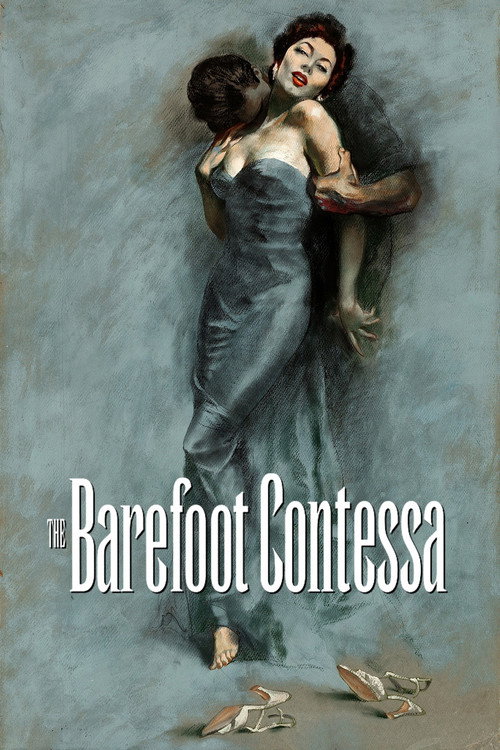
The Barefoot Contessa1954
Ava Gardner as a woman who destroys every man who loves her, set against 1950s European glamour. A more cynical, grown-up version of the same fatal-attraction machinery.
But It's long, world-weary, and treats seduction as tragedy rather than spectacle. The gloss is there but the romance is poisoned from the start.
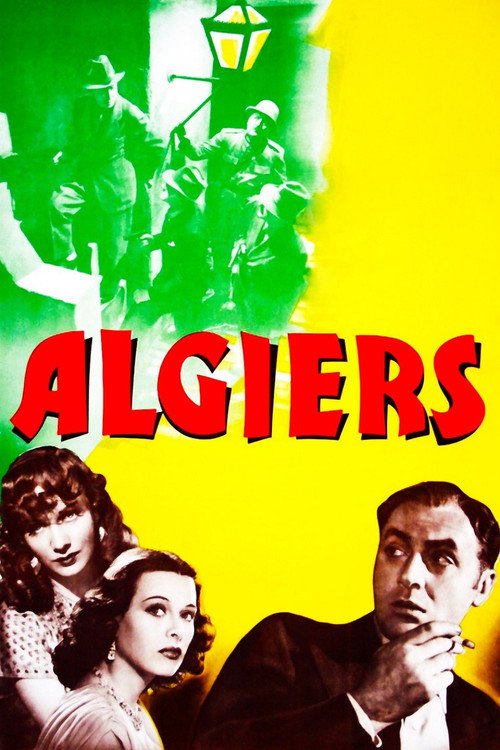
Algiers1938
Charles Boyer and Hedy Lamarr in the film that established the template for doomed soldiers seduced by foreign women. The original source code for Carmen's plot.
But It's dated in ways that matter—the Casbah sequences feel like Hollywood's idea of authenticity—and the melodrama is underplayed compared to the 1948 version.
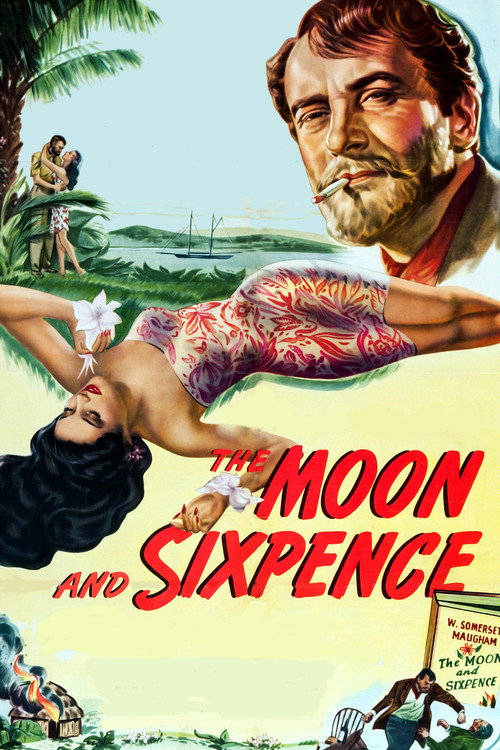
The Moon and Sixpence1942
Both are about beautiful people ruining their lives for passion; this one asks what it looks like when the soldier chooses the abyss rather than being pulled into it.
George Sanders as a man who abandons everything—wife, respectability, safety—for a woman who doesn't love him. The inverse of Carmen: here the soldier is the active destroyer, not the destroyed.
But It's a character study of masculine selfishness without redemption, and if you loved Carmen for its tragic romance, this misanthropy will feel cold and bitter.
The Red Shoes1948
Both films transform romance into total visual spectacle and make destruction beautiful; but where Carmen treats seduction as a plot, The Red Shoes treats it as a dance—the form becomes the meaning.
Released the same year as Carmen, a fever dream about a dancer destroyed by the men who love her—a choreographer and a composer locked in a duel over her body. Technicolor so intense it seems to burn through the screen; melodrama so operatic it achieves a kind of perverse truth.
But It's visually demanding to the point of exhaustion, the dialogue is stiff, and the misogyny is structural rather than incidental. Watching it feels like aesthetic endurance.

People
Cast
 Rita HayworthCarmen
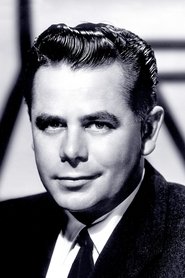 Glenn FordDon José
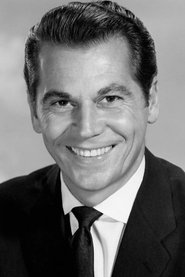 Ron RandellAndrés
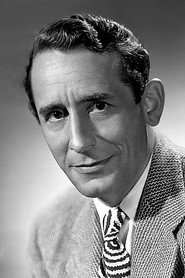 Victor JoryGarcía
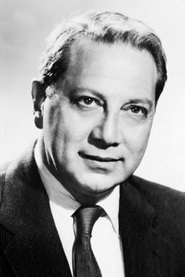 Luther AdlerDancaire
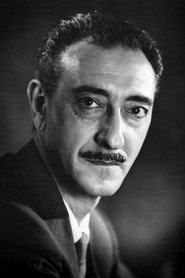 Arnold MossColonel
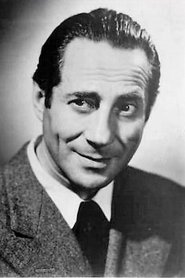 Joseph BuloffRemendado
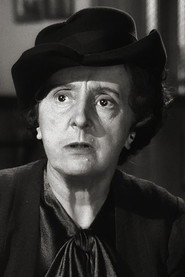 Margaret WycherlyOld Crone
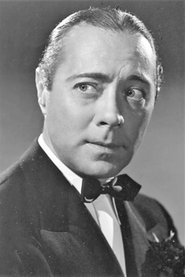 Bernard NedellPablo
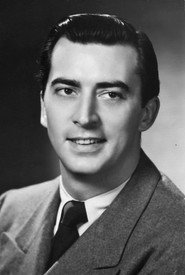 John BaragreyLucas
Directing
- Charles VidorDirector
Writing
- Helen DeutschScreenplay
- Prosper MériméeStory
Production
- Rita HayworthExecutive Producer
- Charles VidorProducer
- Rita HayworthProducer