
Film
The Moon and Sixpence
A restless London stockbroker abandons his wife, children, and respectability to become a painter in the South Seas. George Sanders is magnificent as a man so consumed by artistic obsession that he becomes monstrous. Elegant, morally unsettling, and shot through with the melancholy of ambition—this is a film about art that never sentimentalizes the artist.
Should you watch it?
Watch it if you are drawn to portraits of an artist who treats everyone around him as collateral damage, and you enjoy a story told with sharp, clipped 1940s wit.
Skip it if you need likeable characters to root for, since the drama keeps its distance from its central figure and rarely warms to anyone.
What it asks of you: Brisk at 89 minutes, it wants your full attention and a readiness to spend time with a selfish man's obsession without a sympathetic guide to lean on.
Not sure? Find tonight's pick in a minute.
If you liked this
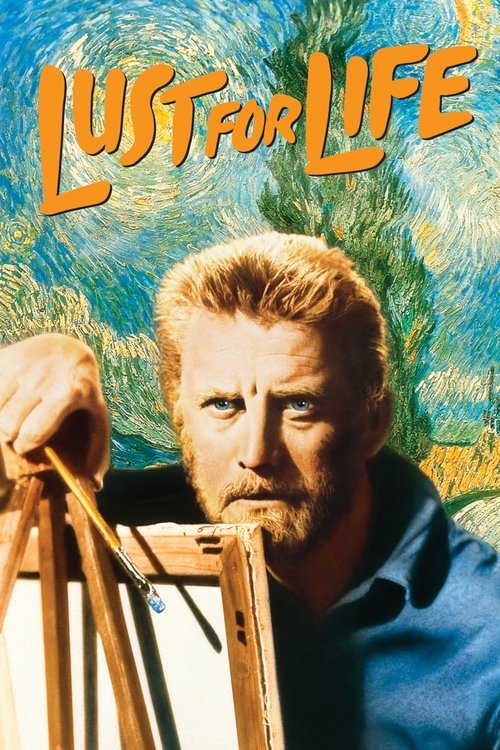
Lust for Life1956
Kirk Douglas as Van Gogh, another genius consumed by vision at any cost. The film mirrors Strickland's struggle between creation and human decency, with Vincente Minnelli finding beauty in the tortured mind.
But It's grainier and more theatrical than The Moon and Sixpence, and the psychiatric angles feel dated.
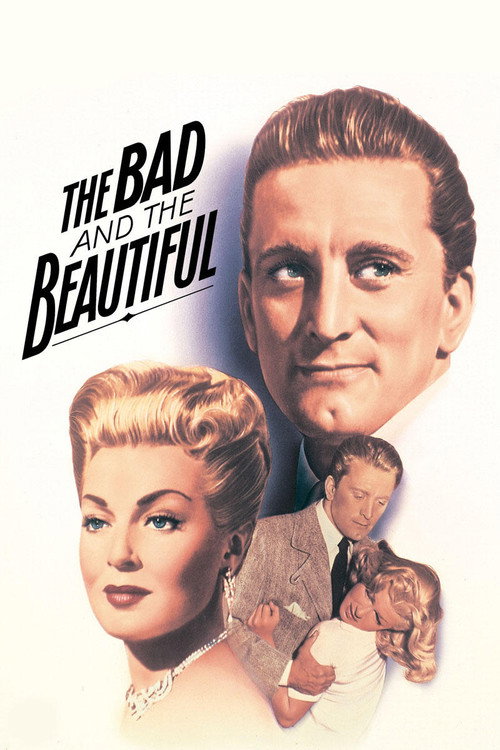
The Bad and the Beautiful1952
An ambitious film producer destroys everyone around him in pursuit of greatness. Kirk Douglas again, but this film's Hollywood setting and cynical narration capture the same moral rot that drives Strickland.
But It's more a thriller than a character study; the sympathies are less complicated.
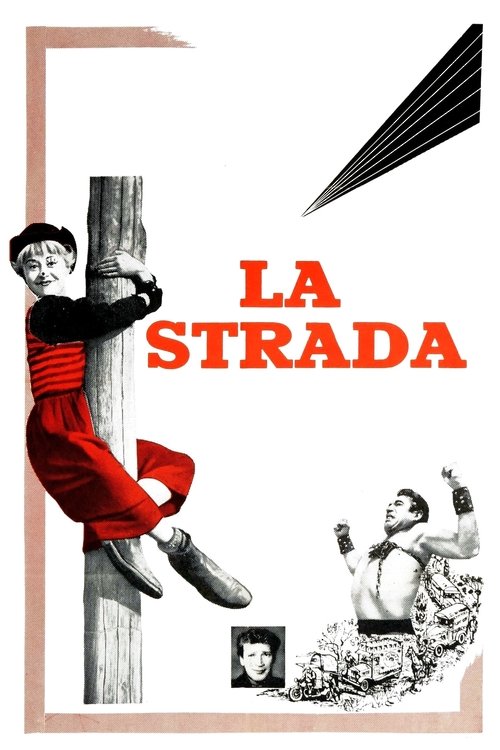
La Strada1954
Fellini's haunting portrait of an exploitative circus performer and his vulnerable assistant. A meditation on cruelty, art, and whether genius excuses anything. Profound and deeply sad.
But It moves slowly and the tonal whiplash between beauty and ugliness disturbs deliberately. Not designed to comfort.
Not sure tonight? Get a pick in a minute, starting from The Moon and Sixpence
The wildcard
Something you would not have found on your own.
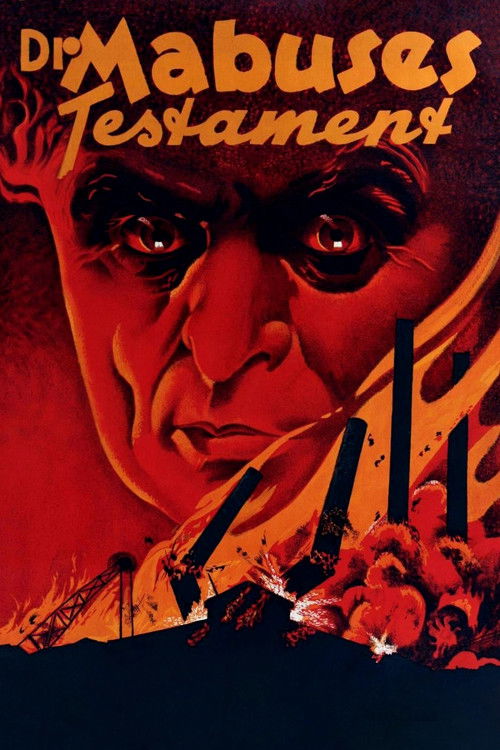
The Testament of Dr. Mabuse1933
Both films examine the tyrant as artist—a man who sees people as canvas or clay, whose vision justifies any cruelty. Lang makes it explicit as politics; Strickland makes it private, but the rot is identical.
Fritz Lang's criminal mastermind rules through obsessive doctrine and will, treating the world as material for his vision. A German Expressionist thriller that channels pure authoritarianism into aesthetic power.
But It's silent-adjacent, murky, and deliberately paranoid. The pacing is deliberate to the point of oppressive.
More like this (7)
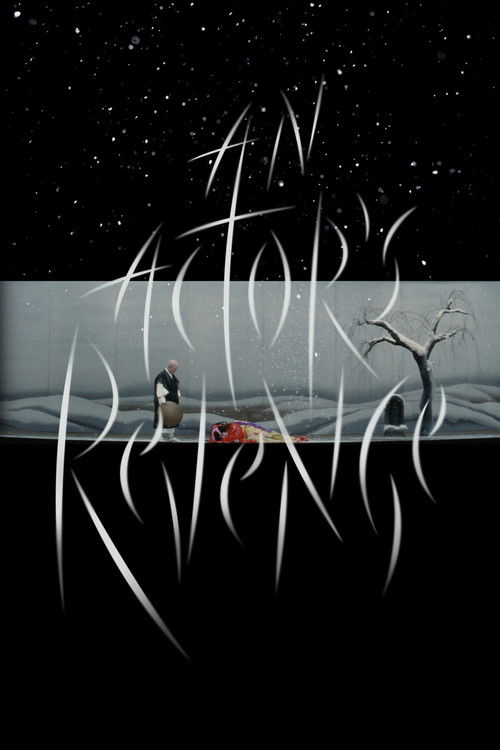
An Actor's Revenge1963
A Kabuki actor pursues vengeance across decades with aesthetic precision, becoming as corrupted as those he hunts. Ichikawa's masterpiece about obsession dressed in ravishing colour and tradition.
But It's stylized to the point of artifice; some will find the emotional distance glacial rather than elegant.
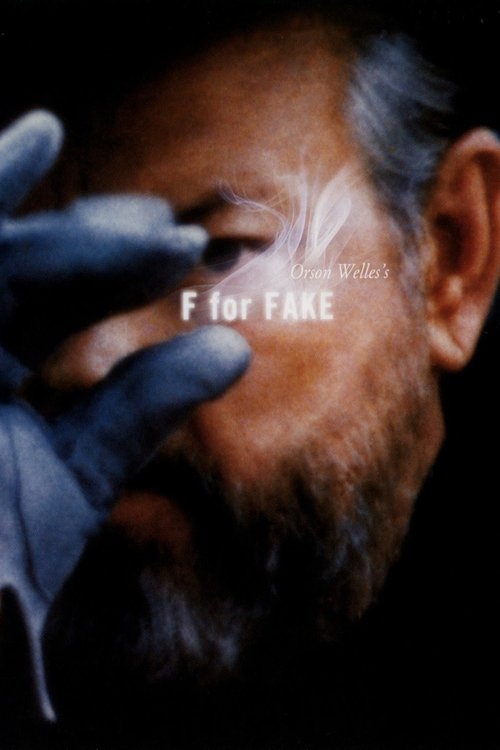
F for Fake1973
Welles meditates on fraud, artistry, and whether the creator's life matters. A dazzling essay about Strickland's essential question: is the work enough to justify the lie?
But It's fragmentary and essayistic rather than narrative. If you want plot, this will feel like watching someone's notebook.
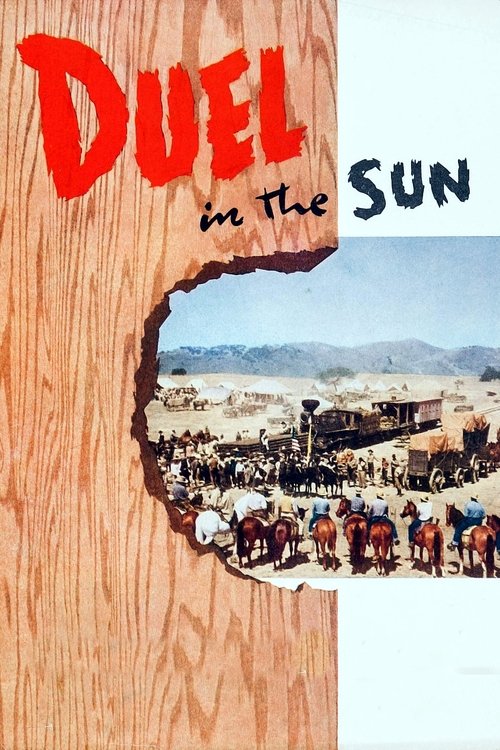
Duel in the Sun1946
A torrid melodrama about a woman caught between duty and desire, with a man destroyed by his own passion. King Vidor's Technicolor fever dream echoes Strickland's refusal to compromise.
But The sexual politics are queasy by design. It's overwrought where Moon and Sixpence is controlled.
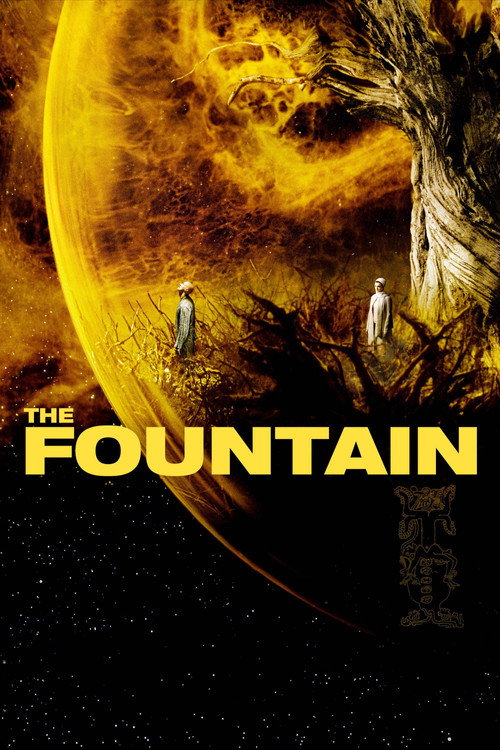
The Fountain2006
Darren Aronofsky's three-era meditation on obsession, mortality, and the art that outlasts us. Visually overwhelming, it asks what we sacrifice for transcendence.
But It's aggressively ambitious and often baffling. Some see genius; others see pretension.
Synecdoche, New York2008
A theatre director's life collapses as his art expands into his reality. Charlie Kaufman creates a maze about a man so devoted to his vision that he loses everything real.
But It's deliberately confusing and exhaustingly cerebral. Warmth is not the point, and some will find it punishing.

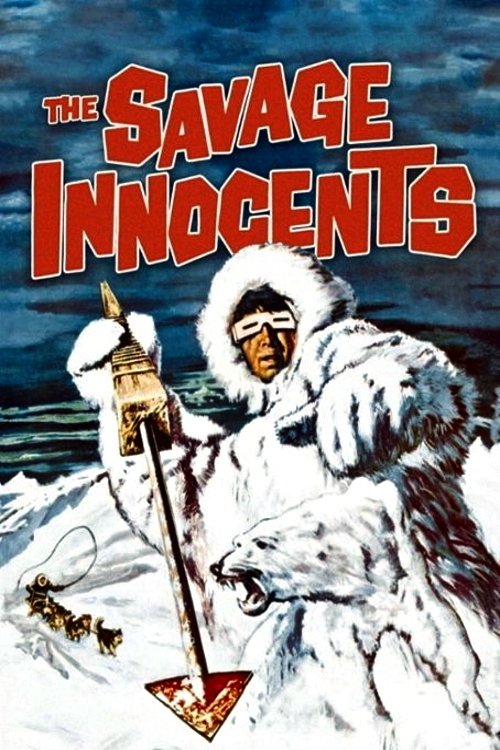
The Savage Innocents1960
An Inuit hunter learns that civilisation and 'progress' destroy what's valuable in human life. Ray's humanist epic captures Strickland's escape from the suffocating constraints of society.
But It's slow, episodic, and deeply sad. The message can feel heavy-handed to modern ears.
Chungking Express1994
Both explore the escape from ordinary life into a parallel reality—Strickland into art and the tropics, the cops into cinema and speed. But Wong's characters chase connection within their exile, while Strickland becomes unreachable. Strickland's dream inverted: beauty need not isolate.
Two Hong Kong cops process heartbreak through the city's neon surfaces and pop music. Wong Kar-wai's dizzy, lyrical film about loneliness, memory, and the gap between how we feel and how we live.
But It's oblique and relies on mood over plot. The narrative is fractured; nothing resolves. If you want catharsis or answers, don't come here.

People
Cast
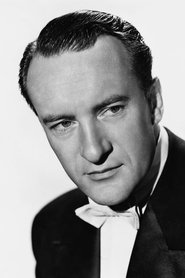 George SandersCharles Strickland
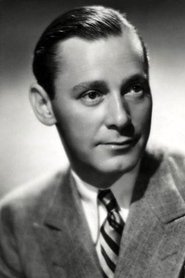 Herbert MarshallGeoffrey Wolfe
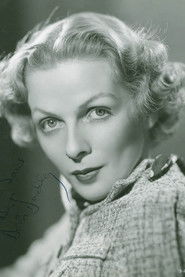 Doris DudleyBlanche Stroeve
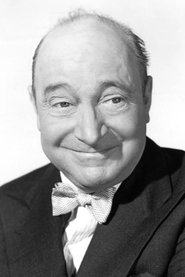 Eric BloreCapt. Nichols
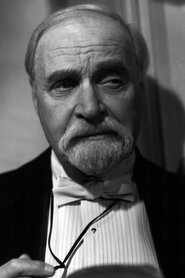 Albert BassermannDr. Coutras
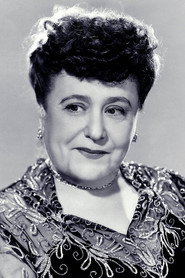 Florence BatesTiare Johnson
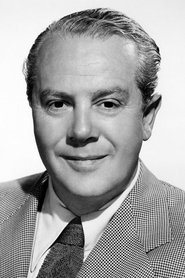 Steven GerayDirk Stroeve

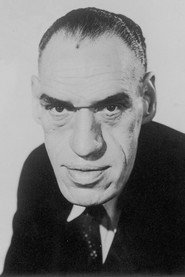 Rondo HattonThe Leper (uncredited)
- Devi WaniAta (uncredited)
Directing
- Albert LewinDirector
Writing
- Albert LewinAdaptation
- W. Somerset MaughamNovel
- Albert LewinWriter
Production
- David L. LoewProducer
- Stanley KramerProducer
- Ray HeinzProduction Manager
Recommended by
Mr. Turner, Lust for Life, The Loves of Carmen, The Lovers of Montparnasse