
Film
An Actor's Revenge
A kabuki actor in Edo Japan pursues elaborate revenge against three men responsible for his parents' deaths, blending theatre, deception, and moral ambiguity. Visually sumptuous, formally ingenious, it treats revenge not as catharsis but as a kind of performance—where the line between character and reality blurs until you're not sure which is which anymore.
Should you watch it?
Watch it if you delight in stylised period melodrama where artifice is the point, with bold colour, deliberately theatrical staging and performers who make feeling as visible as the plot.
Skip it if you want brisk, modern storytelling, since this moves at a stately pace and its heightened, mannered acting can feel like a wall to anyone expecting naturalism.
What it asks of you: Settle in for nearly two hours of ornamental staging and a slow build, where mood and gesture carry more weight than dialogue.
Not sure? Find tonight's pick in a minute.
If you liked this
Harakiri1962
Another Masaki Kobayashi masterpiece set in samurai Japan, equally consumed by honor, class, and the performance of identity. Devastating emotional depth paired with composition so precise it feels like watching architecture.
But It's bleak, slow, and deliberately painful. No catharsis, no triumph—just the weight of systems crushing individuals.

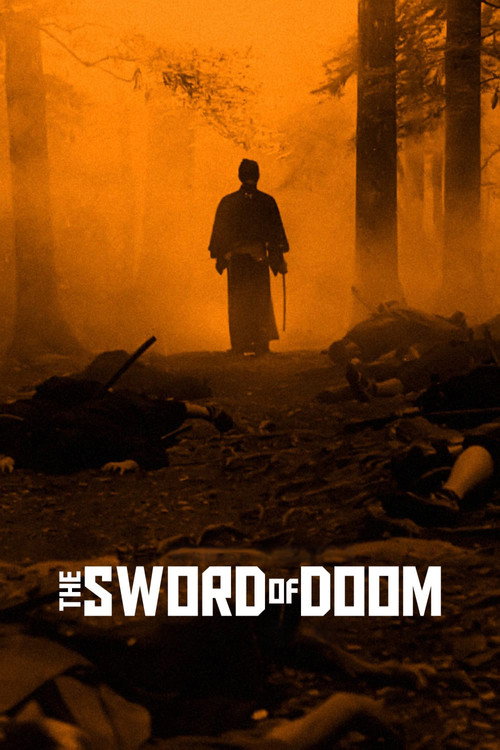
The Sword of Doom1966
Tatsuya Nakadai as a nihilistic swordsman drifting through moral chaos. Visually radical, structurally daring, it asks whether violence can ever be anything but corrosive. A film that genuinely unsettles.
But The ending refuses resolution. If you need narrative satisfaction or clear moral ground, this will feel unfinished.
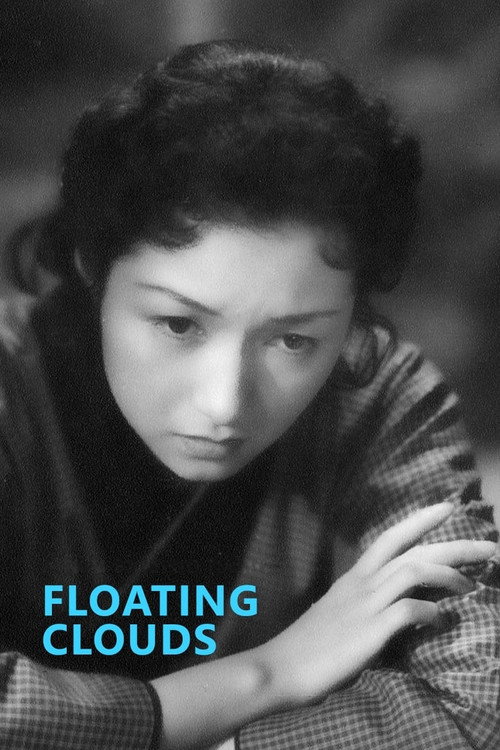
Floating Clouds1955
Mikio Naruse on desire, regret, and the gap between who we were and who we've become. A woman and a man haunted by their past. Intimate, restrained, absolutely heartbreaking—a masterclass in emotional economy.
But Very quiet. Nothing happens in the conventional sense. You have to meet it halfway.
Not sure tonight? Get a pick in a minute, starting from An Actor's Revenge
The wildcard
Something you would not have found on your own.
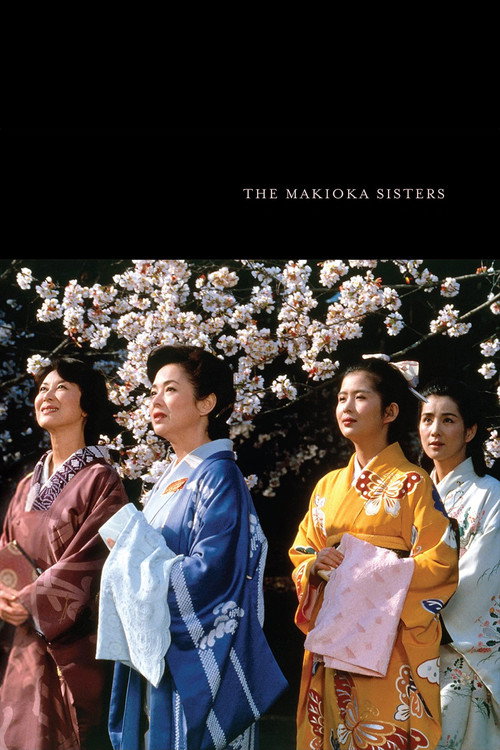
The Makioka Sisters1983
Both films treat Japanese ritual and social role as a kind of performance; both are visually baroque and formally sophisticated; both ask whether authenticity is possible when identity itself is a costume.
Kon Ichikawa adapts Junichirō Tanizaki's novel about performance within domesticity—how women navigate roles, expectations, desire in pre-war Japan. Visually lush, formally intricate, it's about the theatre of family and courtship. Same era, similar architecture of feeling, but turned inward.
But Plotless in the conventional sense. It's about texture, atmosphere, the small ceremonies that make up a life. If you need forward momentum, it feels like watching water.
More like this (7)
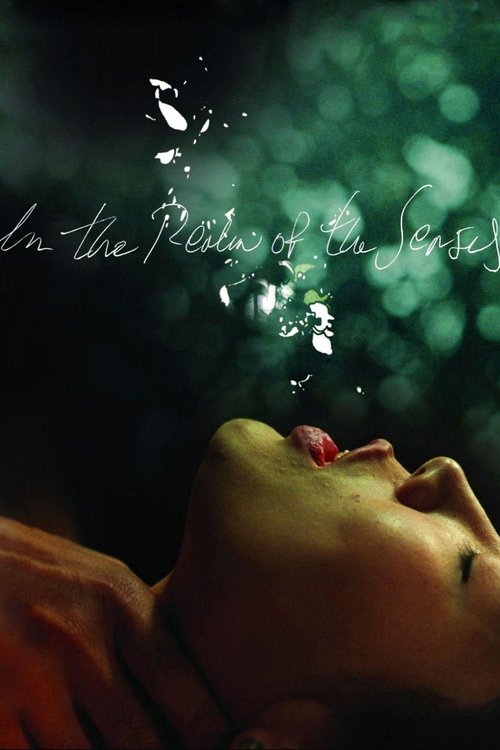
In the Realm of the Senses1976
Nagisa Oshima's film about obsession and desire taken to an extreme. Like An Actor's Revenge, it's formally audacious and treats the body as a text to be read. Shocking but never exploitative, genuinely transgressive.
But Contains explicit sexual content. Some will find it difficult or offensive; others will find it essential. There's no middle ground.
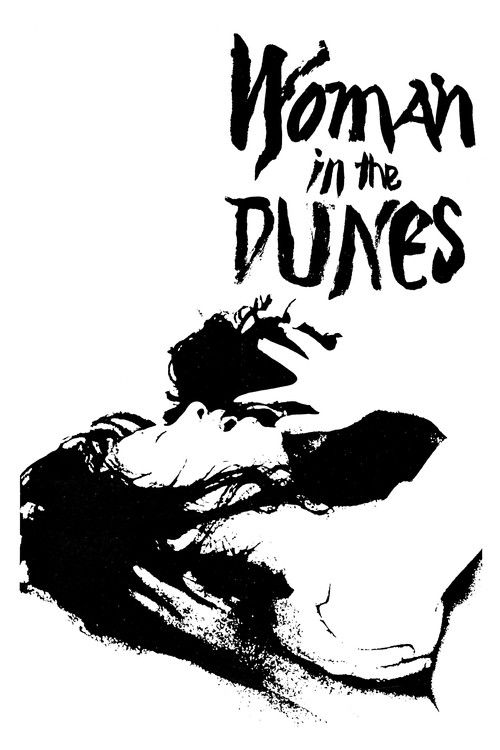
Woman in the Dunes1964
Hiroshi Teshigahara's hypnotic film about a man trapped in a sandpit with a widow. Slow, philosophical, formally experimental—it's about desire, entrapment, and the stories we tell ourselves. Utterly unique.
But Claustrophobic and enigmatic. It doesn't explain itself, and some will find that maddening rather than liberating.
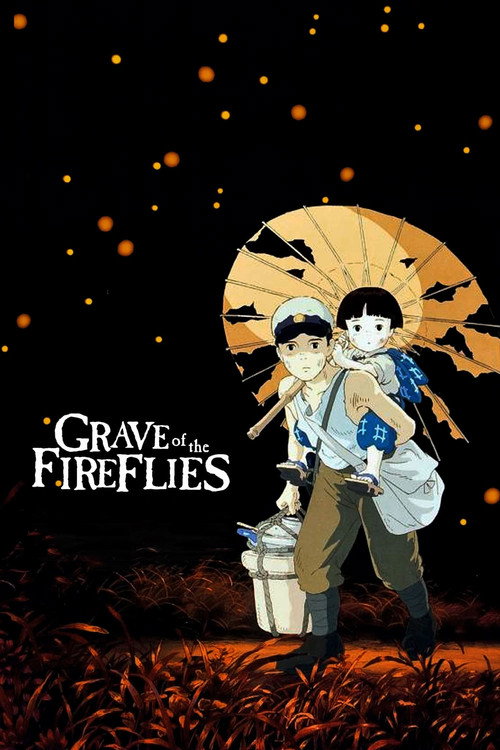
Grave of the Fireflies1988
Isao Takahata's animation about two siblings in wartime Japan. Aesthetically gorgeous and emotionally devastating—it transforms suffering into something almost unbearably beautiful without ever becoming sentimental.
But Relentlessly sad. There's no redemption, no hope, just the accumulation of loss. You'll need to sit with that.
Tokyo Story1953
Yasujirō Ozu's meditation on time, family, and the weight of the past. Structurally daring (pillow shots, repeated framings), tonally complex—nothing happens and everything matters. A film that rewires how you watch movies.
But Glacially paced. If you need plot momentum or emotional peaks, this will feel like nothing is happening.

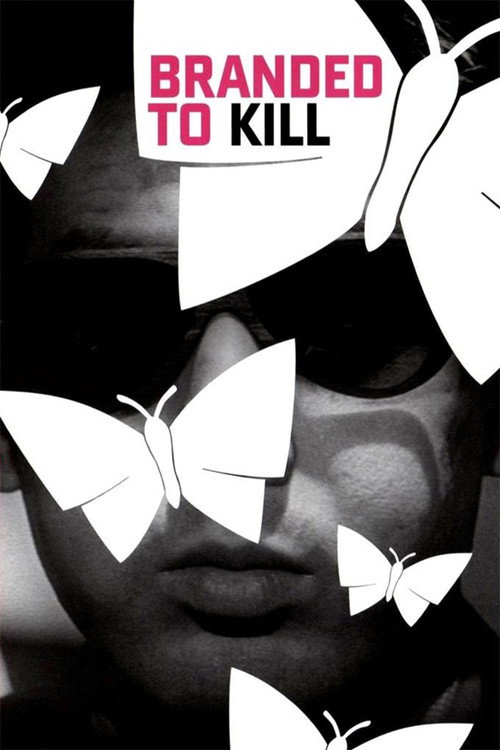
Branded to Kill1967
Seijun Suzuki's fractured, hallucinatory yakuza film. Visually baroque and structurally chaotic, it plays with genre like An Actor's Revenge plays with identity. Wild, formally adventurous, genuinely strange.
But Deliberately incoherent. The plot dissolves; if you're watching for narrative clarity, you'll be frustrated.
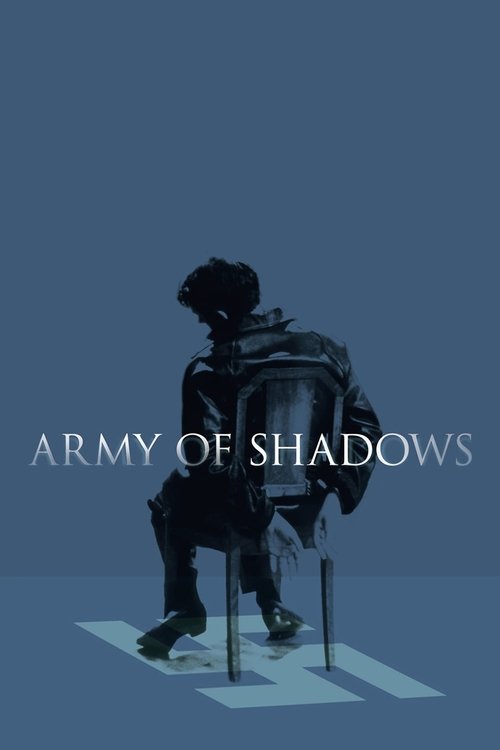
Army of Shadows1969
Both explore the psychology of the double life, the toll of sustained deception, and whether a performed identity eventually becomes your real self. Both are about men who have chosen to live as ghosts.
Jean-Pierre Melville's French Resistance film about men living double lives—operatives who are also civilians, performers of survival. Austere, morally complex, it shares An Actor's Revenge's obsession with hidden identities and the corruption that comes from dissimulation. Tense, intelligent, quietly devastating.
But French cinema of a very different register. Slow-burn thriller rather than visual spectacle. Some patience required; the reward is emotional and intellectual rather than visceral.
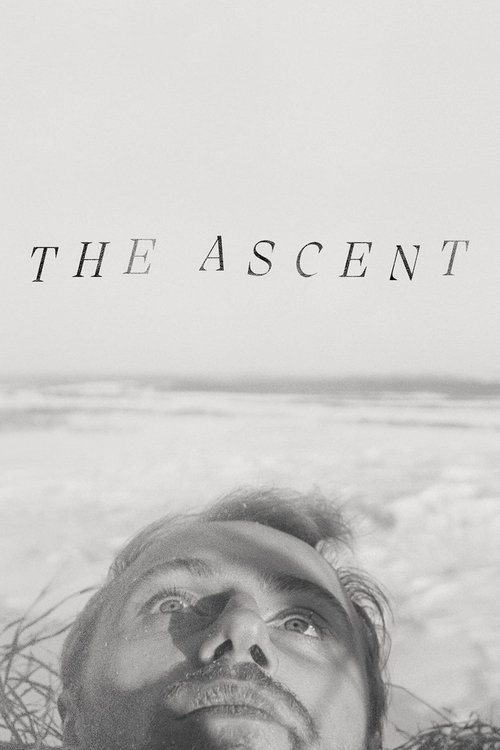
The Ascent1977
An Actor's Revenge is about revenge as a performance that destroys the performer; The Ascent is about faith as a performance that transforms the performer. Both are about people becoming ghosts through the roles they've chosen. Both are visually stunning in utterly different ways.
Andrei Tarkovsky's black-and-white film about two Soviet partisans trudging through a snowy landscape toward likely death. Abstract, meditative, devastating—it's about suffering as a kind of spiritual ordeal and the performance of faith under extremity. Not spectacle but transcendence.
But Monochrome, slow, metaphysical. It's asking you to sit with dread and uncertainty for three hours. Zero plot in the conventional sense. It will feel like torture if you're not prepared for it.
People
Cast
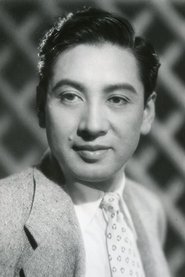 Kazuo HasegawaYukinojo Nakamura / Yamitaro the Thief
 Fujiko YamamotoOhatsu
 Ayako WakaoNamiji
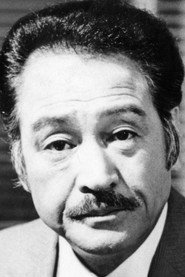 Eiji FunakoshiHeima Kadokura
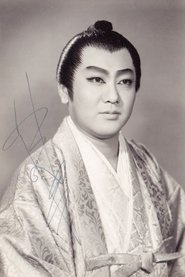 Naritoshi HayashiMukuzu
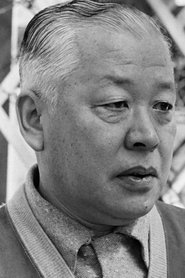 Eijirō YanagiHiromi-ya
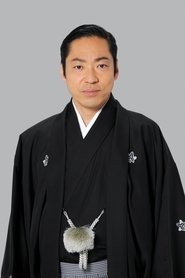 Chūsha IchikawaKikunojo Nakamura
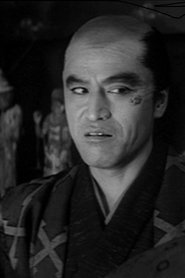 Saburo DateKawaguchi-ya
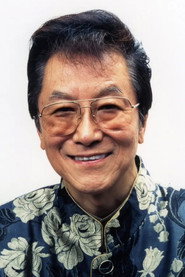 Jun HamamuraIsshosai
- Kikue MōriCruel Old Woman
- Masayoshi KikunoYukinojo's Father
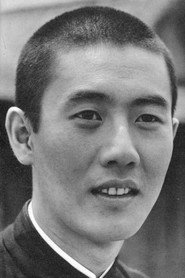 Raizō IchikawaHirutaro
Directing
- Akira InoueAssistant Director
- Masaya NakamuraAssistant Director
- Kon IchikawaDirector
Writing
- Otokichi MikamiOriginal Story
- Natto WadaScenario Writer
- Daisuke ItōScreenplay
- Teinosuke KinugasaScreenplay
Production
- Masaichi NagataProducer
- Tadao MurakamiProduction Manager
Recommended by
Youth of the Beast, The Moon and Sixpence, Flowers of Shanghai, You Can See Everything, The Lower Depths, Story of a Prostitute