
Film
Tokyo Story
A masterpiece of stillness: an elderly couple travel from their seaside town to visit their grown children in Tokyo, only to find everyone too busy, too tired, or too polite to really see them. Ozu's fixed low camera and unhurried rhythm ask you to simply watch people being courteous to each other while something aches underneath. Patient, devastating, deeply humane — for viewers willing to sit with quiet discomfort rather than plot.
If you liked this
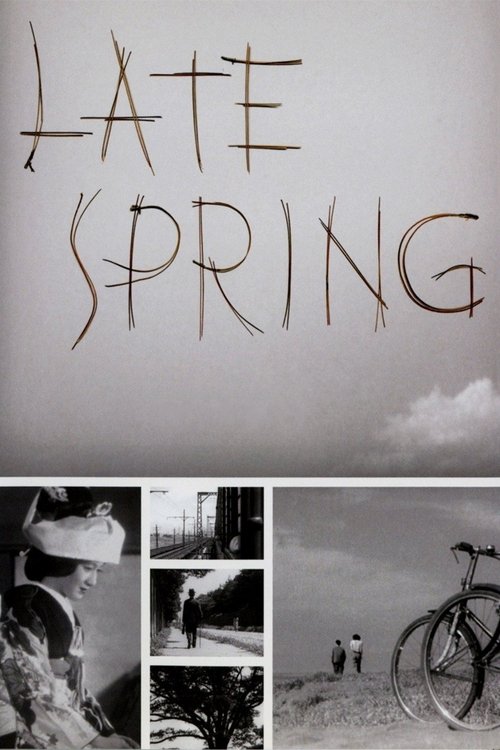
Late Spring1949
Ozu made this one four years earlier with the same lead actors, essentially rehearsing Tokyo Story's aching questions about duty and loneliness — a widowed father quietly persuading his devoted daughter to leave him and marry.
But If you've just finished Tokyo Story, the tone and rhythm will feel almost too familiar — comforting or repetitive, depending on your mood.
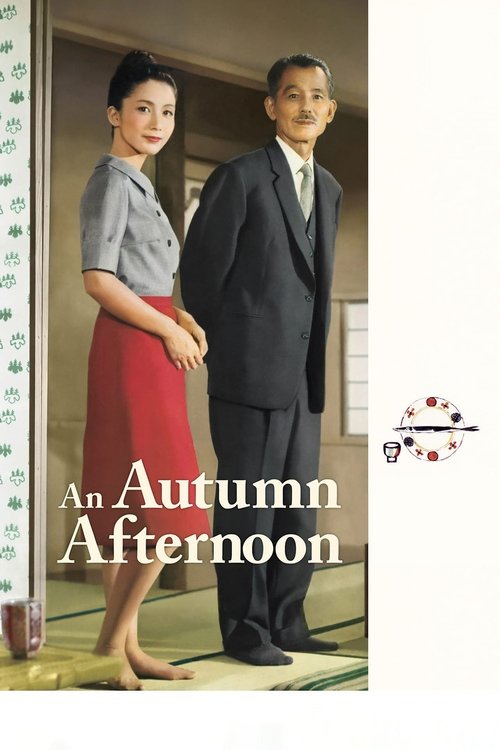
An Autumn Afternoon1962
Ozu's final film, made a decade later in colour, returns to the same terrain — aging parents, marrying off children, the particular loneliness of outliving your usefulness — with a gentler, wryer humour.
But Even slower and more diffuse than Tokyo Story; if you found that film's pacing a stretch, this asks for more patience still.
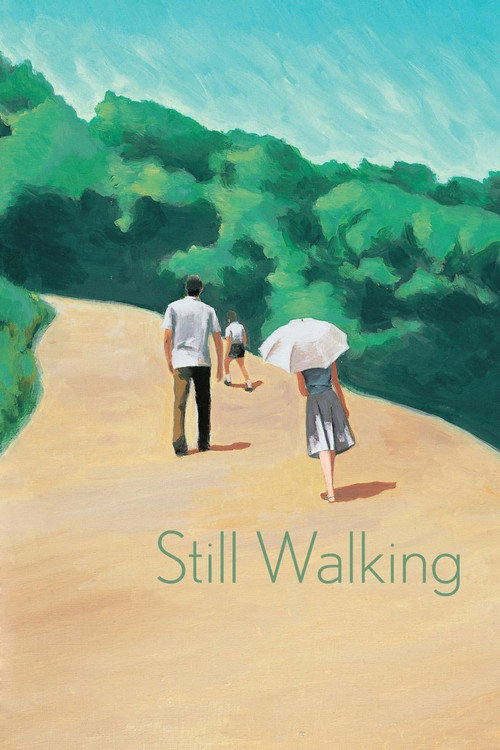
Still Walking2008
Kore-eda's modern-day answer to Ozu: a family reunion where nobody says what they mean, old grievances simmer under polite small talk, and grief for a dead son quietly poisons everything.
But The drama is almost entirely internal — arguments happen in silences and sideways glances, which some viewers find frustratingly opaque.
The wildcard
Something you would not have found on your own.
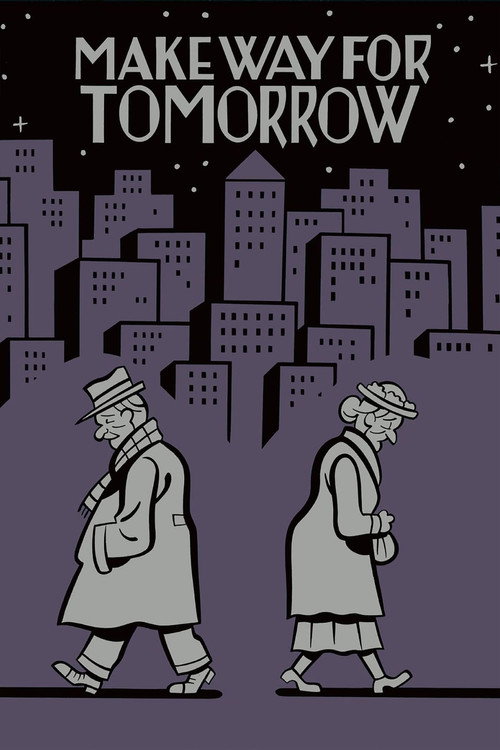
Make Way for Tomorrow1937
Ozu named this as a direct inspiration; both films share the exact structural idea of parents becoming logistical problems to be redistributed among their children.
Ozu reportedly wept at this film and later admitted its influence: an elderly American couple, unable to support themselves, are split up and shuffled between children who each find them a burden — sixteen years before Tokyo Story, and just as devastating.
But Its 1937 Hollywood grammar — theatrical staging, more emphatic score — will feel dated next to Ozu's austerity, and it's harder to find.
More like this (8)
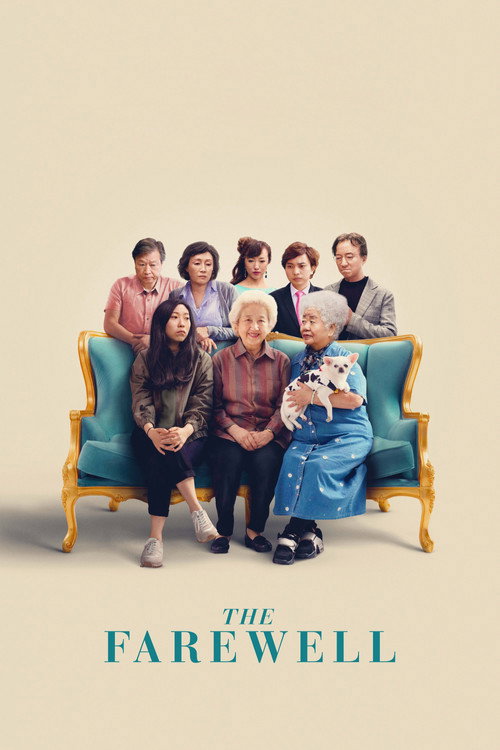
The Farewell2019
A dying grandmother, a family conspiracy of kind lies, and the same tension between generations and countries that pulls at Tokyo Story — but warmer, funnier, and rooted in Chinese-American experience.
But The comedy softens the film's edges; those wanting Tokyo Story's unflinching bleakness may find this one too consoling.
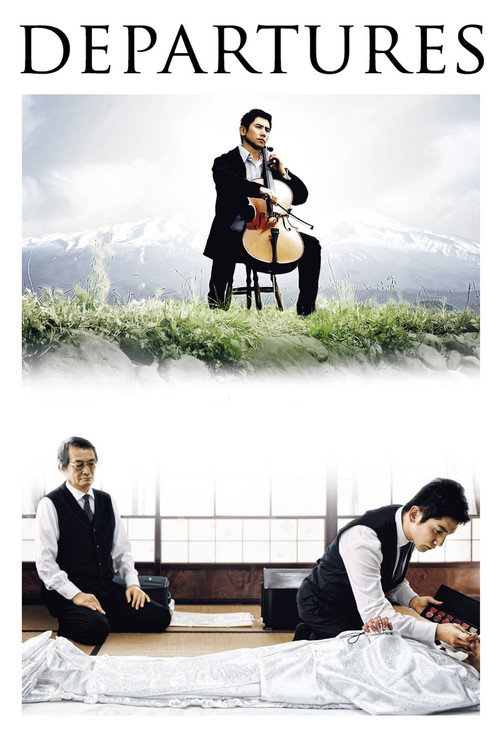
Departures2008
A young man stumbles into work preparing the dead for cremation and discovers, through ritual and grief, everything his own family left unsaid — Japanese cinema's other great meditation on obligation and loss.
But It leans more sentimental and score-driven than Ozu's austerity; the emotional cues are more explicit, less trusting of silence.
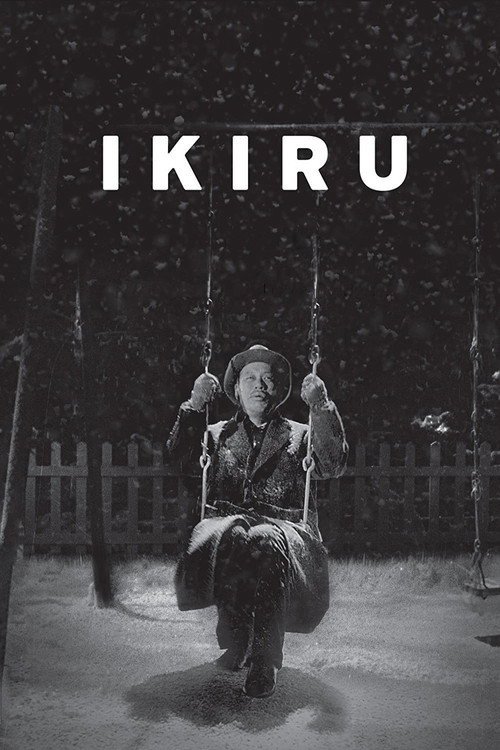
Ikiru1952
Kurosawa, shooting in the same city in the same postwar decade, follows a bureaucrat who learns he's dying and finally tries to matter to somebody — a bracing companion piece on time running out.
But More overtly dramatic and moralising than Ozu's restraint; some will find its message-delivery a touch heavy-handed.
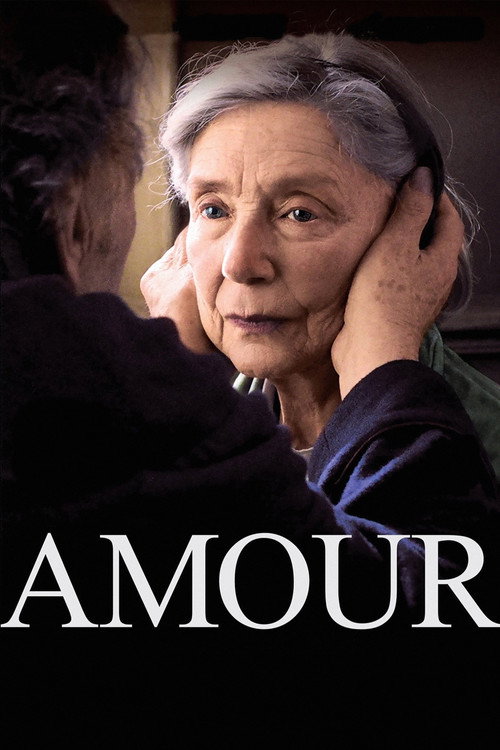
Amour2012
Haneke strips away Ozu's warmth entirely and gives you old age and marriage at their most physically unbearable — the flip side of Tokyo Story's quiet ache, rendered without mercy.
But Genuinely harrowing rather than melancholic; this is not a film to watch for comfort or catharsis.
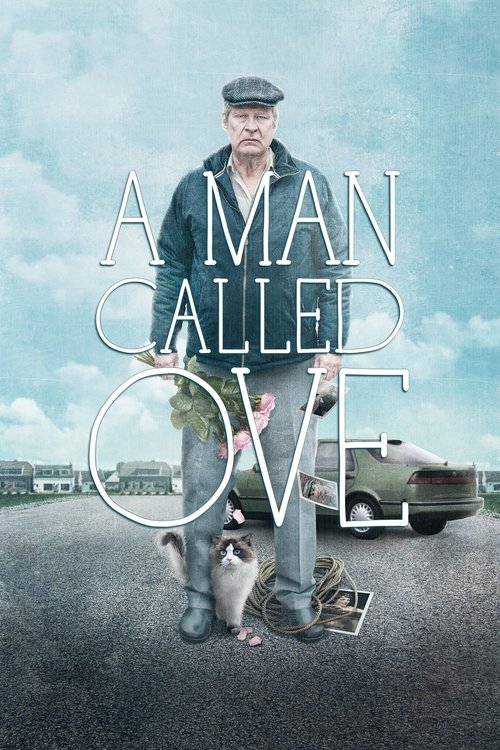
A Man Called Ove2015
A gruff Swedish widower is dragged back into community life by nosy new neighbours — the same questions about isolation and family neglect as Tokyo Story, but played for warmth and laughs.
But Considerably more sentimental and crowd-pleasing; anyone drawn to Ozu's ambiguity might find this too neatly resolved.
The Trip to Bountiful1985no page yet
Geraldine Page's Oscar-winning performance carries this quiet American drama about an elderly woman desperate to see her hometown one last time before her son's household swallows what's left of her independence.
But Stagier and more overtly sentimental than Ozu; the theatrical roots — it began as a play — show in the dialogue.
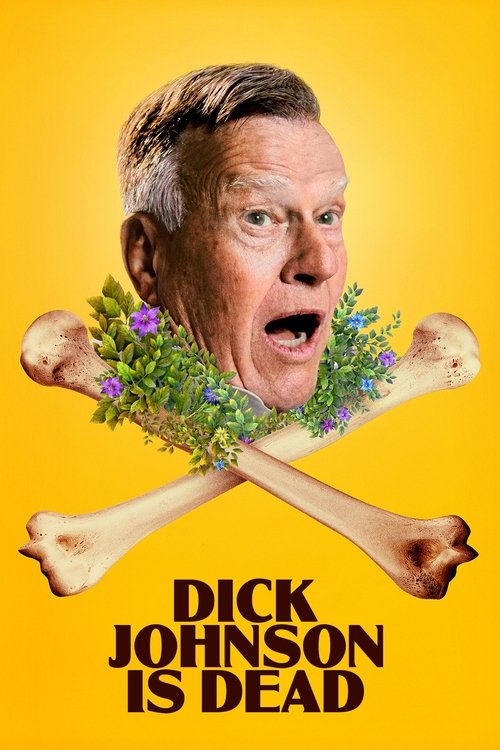
Dick Johnson Is Dead2020
Same subject — a parent's decline and a child's inadequate attempts to be present for it — but turned inside out: staged and confessional where Ozu is restrained and observed.
A documentary filmmaker, watching her father slide into dementia, stages his death over and over — by staircase, by falling air conditioner — as a way of rehearsing the grief Tokyo Story sits inside so quietly.
But Its playful, staged-death gimmick is tonally strange, veering between comedy and unbearable tenderness in a way some will find jarring rather than moving.
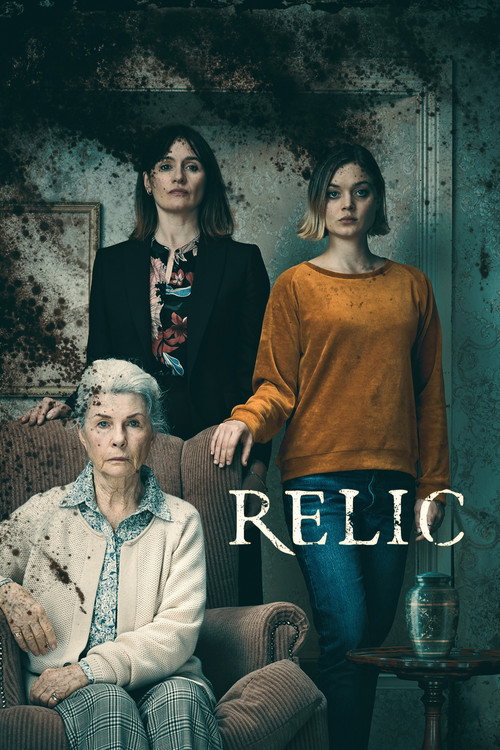
Relic2020
Both dramatize the guilt of distant children returning too late and the horror of watching a parent become someone you no longer recognise — Relic just makes it literal and monstrous.
An Australian horror film in which three generations of women confront a grandmother's dementia as literal, spreading rot in the family house — genre machinery built from the same guilt and dread Tokyo Story keeps politely buried.
But It's a horror film first, with body-horror imagery and a slow-building dread that has nothing to do with Ozu's gentleness — a real tonal leap.
People
Cast
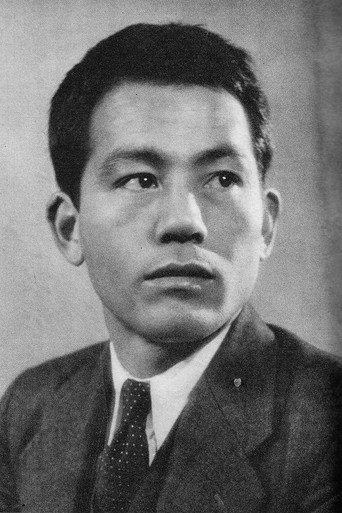 Chishū RyūShukichi Hirayama
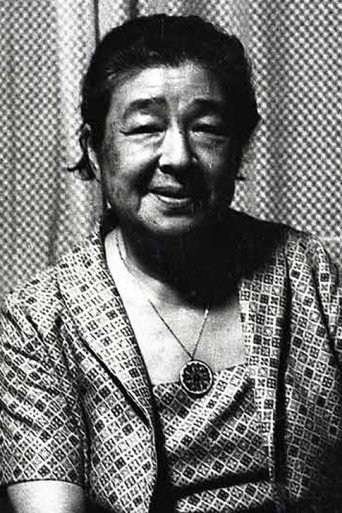 Chieko HigashiyamaTomi Hirayama
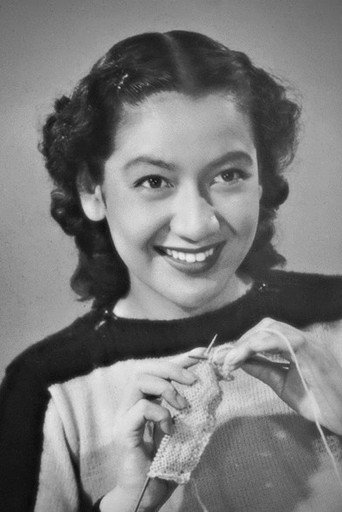 Setsuko HaraNoriko Hirayama
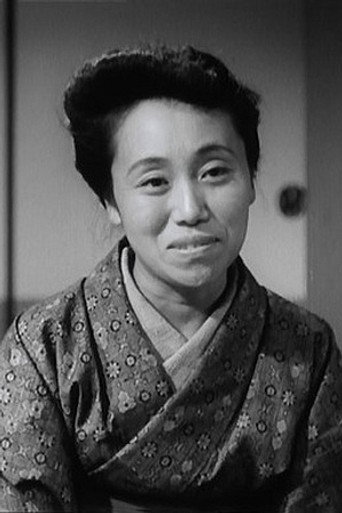 Haruko SugimuraShige Kaneko
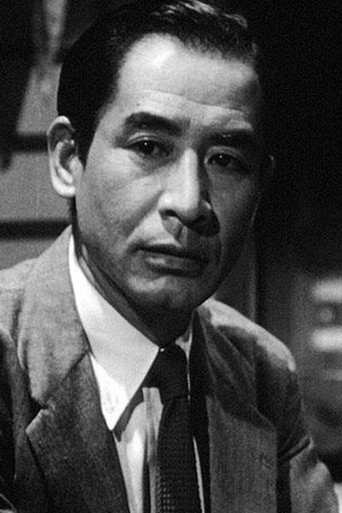 So YamamuraKoichi Hirayama
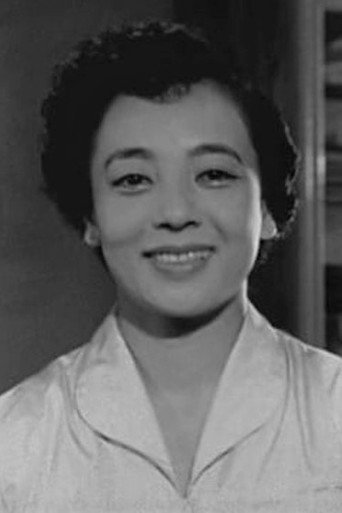 Kuniko MiyakeFumiko Hirayama
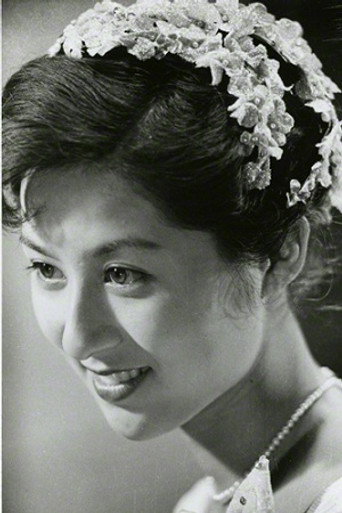 Kyōko KagawaKyoko Hirayama
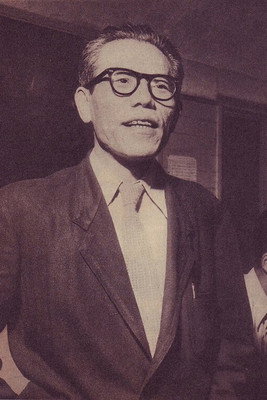 Eijirō TōnoNumata
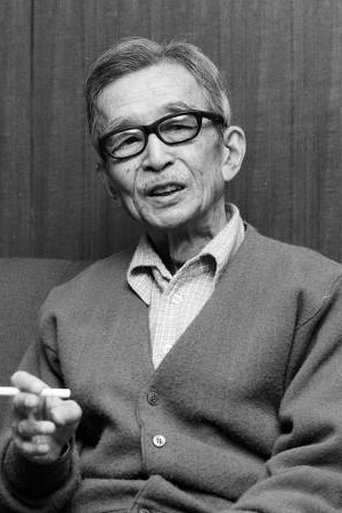 Nobuo NakamuraKurazo Kaneko
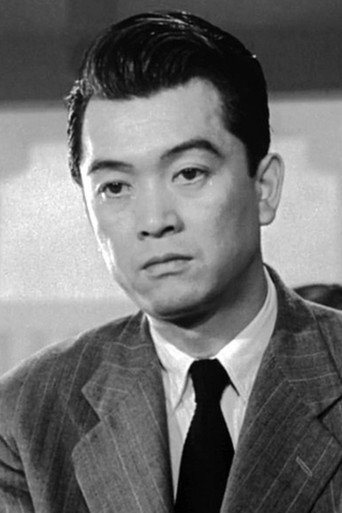 Shirō ŌsakaKeizo Hirayama
 Hisao ToakeOsamu Hattori
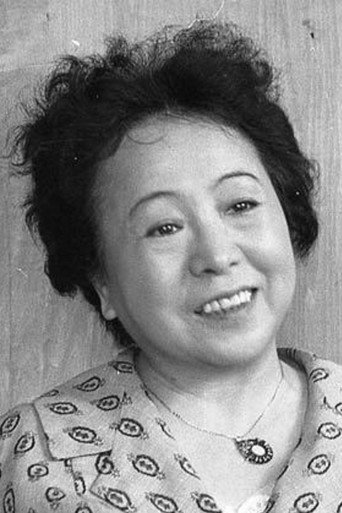 Teruko NagaokaYone Hattori
Directing
- Kôzô YamamotoAssistant Director
- Osamu TakahashiAssistant Director
- Yasujirō OzuDirector
- Tomiji ShimizuScript Supervisor
- Shōhei ImamuraSecond Assistant Director
Writing
- Kōgo NodaScreenplay
- Yasujirō OzuScreenplay
Production
- Takeshi YamamotoProducer
Recommended by
Everything Everywhere All at Once, Sansho the Bailiff, Ikiru, Manchester by the Sea, The Railway Children, The Farewell, Modern Family, Lost in Translation, Late Spring, Paris, Texas, The Tree of Life, The Savages, Empty Nest, Everybody Loves Raymond, Father Knows Best, Terms of Endearment, Cavalcade, Leave It to Beaver, Still Walking, Umberto D., Make Way for Tomorrow, An Autumn Afternoon, Stranger Than Paradise